

Why Is My Dog Peeing a Lot?
You've noticed it – your furry friend is making more trips to the backyard or having more accidents inside. When your dog is peeing a lot, it's natural to wonder what's going on. Sometimes it's totally normal, but other times, it's your dog's way of telling you something's not quite right. Let's break down what's normal, what's not, and when it's time to call the vet.
How Much Peeing Is Normal for a Dog?
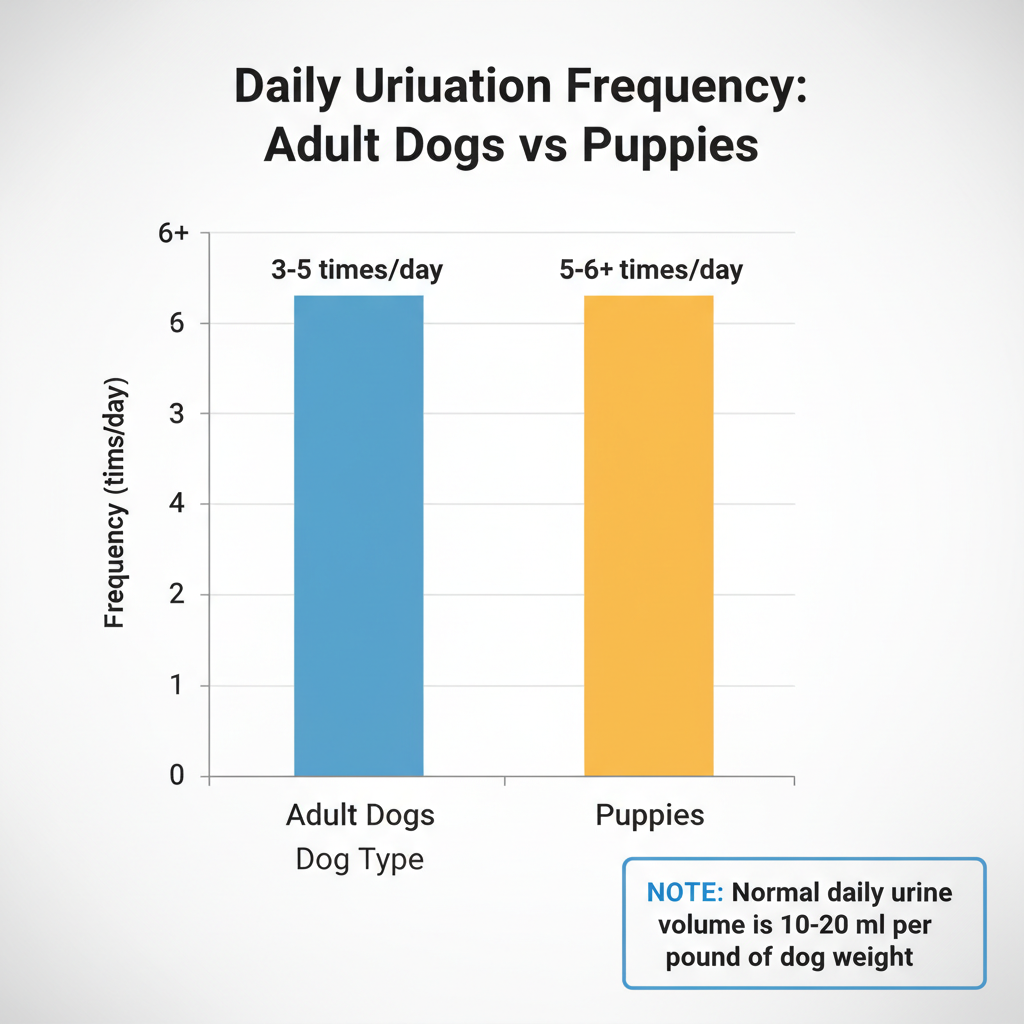
Just like people, every dog is a little different. What’s normal for your tiny terrier won't be the same for a giant Great Dane. A dog's "normal" pee schedule depends on a few things: size and weight, what they eat and drink, how active they are, their breed, and their age. Think about it: a playful young pup who just gulped down a big bowl of water will need to go more often than an older, lazier dog who sips slowly. Generally, healthy adult dogs usually pee 3-5 times a day. Puppies, with their tiny bladders, often go 5-6 times a day or even more. The actual amount of pee can also vary, but typically it’s about 10-20 milliliters for every pound of your dog's weight each day.
Why Is My Dog Peeing So Much?
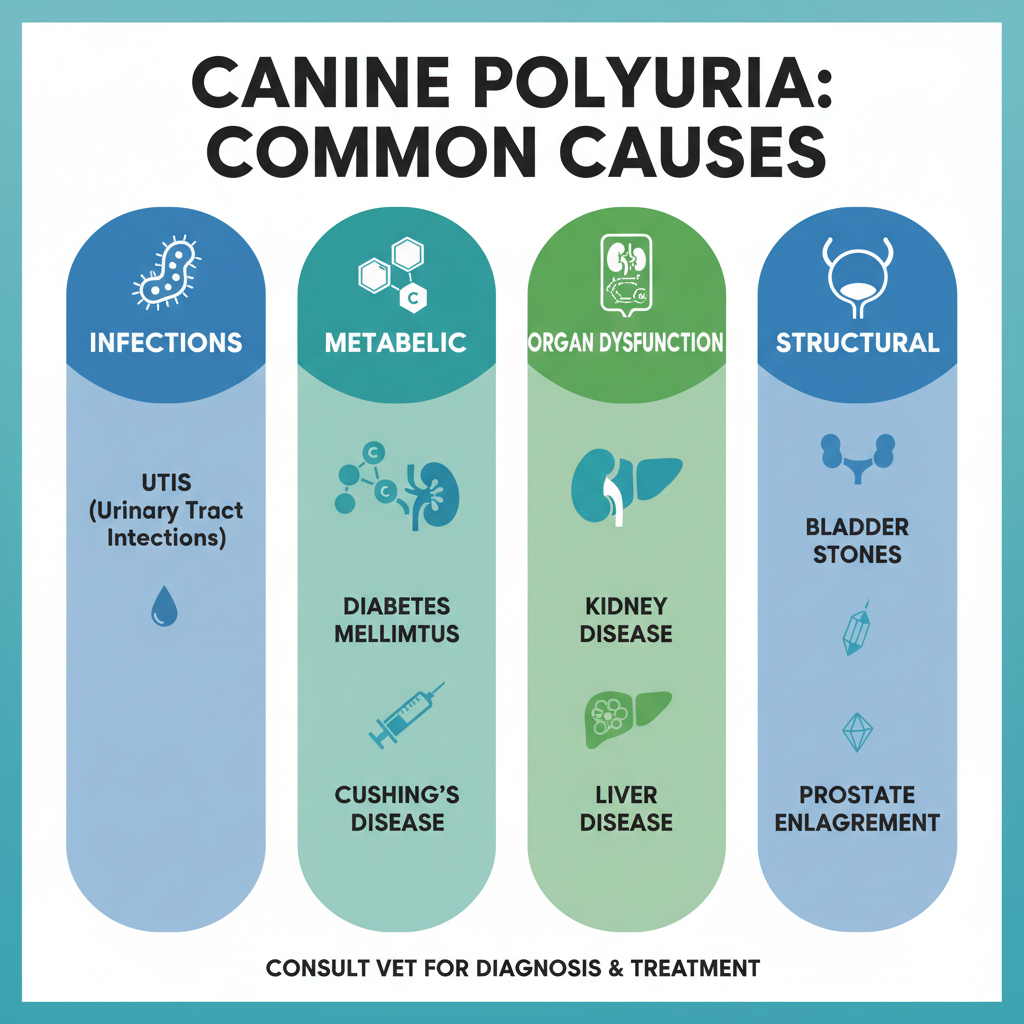
When your dog's peeing habits suddenly change, it could be due to a range of factors. We often call this "polyuria," and it points to different causes, from simple lifestyle shifts to more serious health issues.
Health Problems
Many health issues can make your dog pee more often or in larger amounts. These include:
- Urinary Tract Infections (UTIs): Common bacterial infections causing frequent peeing, straining, or blood in urine.
- Diabetes: High blood sugar leads to increased thirst and frequent urination.
- Kidney Disease: Kidneys don't filter properly, producing large amounts of dilute urine.
- Other conditions such as Cushing's Disease, Liver Disease, Pyometra (uterine infection), Bladder Stones, Prostate Problems, certain Cancers, and Urinary Incontinence.
Medications
Some medications can have increased urination as a side effect:
- Diuretics: Prescribed for conditions like heart failure to flush extra fluid.
- Corticosteroids: Anti-inflammatory drugs that can increase thirst and urination.
- Phenobarbital: Used to control seizures, can also cause increased thirst and urination.
Behavior Patterns
Sometimes, it's not a physical problem but how your dog feels or acts:
- Anxiety or Stress: Can cause some dogs to pee more frequently.
- Territorial Marking: To claim their space.
- Other behavioral causes include Submissive Urination in puppies and excitement urination during greetings or play.
Lifestyle Factors
Everyday things can also influence how much your dog pees:
- Drinking More Water: A simple equation: more water in means more water out.
- A Diet high in sodium can make your dog thirstier.
- Changes in routine, like moving to a new home, can also temporarily affect peeing habits.
When Should You See a Vet About Frequent Urination?
If you notice any significant changes in your dog's peeing habits, it's always best to get your vet involved. Don't wait, especially if you see any of these signs:
- A sudden, noticeable jump in frequency or volume.
- Straining or trouble peeing.
- Signs of pain during urination.
- Blood in the urine.
- Cloudy or bad-smelling urine.
- Constant licking of genitals.
- New accidents in the house.
- A sudden increase in water drinking.
- Changes in appetite or weight.
- Lethargy or vomiting.
- Any other unusual symptoms alongside the frequent peeing.

What to Expect at the Vet: Diagnosing Frequent Urination
When you visit your vet, they'll start with a thorough physical exam and health history questions. To diagnose the cause, they might recommend tests such as:
- Urinalysis: Checks a pee sample for signs of infection or crystals.
- Urine Culture: Identifies specific bacteria in a suspected UTI.
- Blood Work: Assesses kidney and liver function and blood sugar levels.
- X-rays or Ultrasound: Can visualize the urinary tract and organs to look for stones, tumors, or structural issues.
Treating Frequent Urination in Dogs
Treatment always hinges on the underlying cause:
- Urinary Tract Infections: Typically treated with antibiotics.
- Diabetes: Management involves insulin, special diets, and monitoring.
- Kidney Disease: Care focuses on symptom management, dietary changes, and supportive medications.
- Other treatments may include medication for Cushing's Disease, supportive care for Liver Disease, emergency surgery for Pyometra, dietary management or surgery for Bladder Stones, and various approaches for Prostate Problems, Behavioral Issues, or medication-related causes.
What You Can Do at Home to Help
While you wait for your vet appointment, you can help your dog and prepare for the visit:
- Watch their water intake: Measure how much they drink daily.
- Keep a pee journal: Note frequency, volume, and appearance.
- If advised, collect a clean urine sample in a sterile container.
- Clean up accidents thoroughly to remove lingering smells.
- Offer more potty breaks, especially if accidents are occurring indoors.
Key Things to Remember
If your dog is peeing a lot, it could be normal or a sign of a health problem. Healthy adult dogs usually pee 3-5 times a day. Common causes include UTIs, diabetes, kidney disease, Cushing's, and medications. Always consult your vet for sudden changes, especially with symptoms like pain or blood in the urine. Treatment is diagnosis-dependent and can range from antibiotics to surgery or lifestyle adjustments.