Why Does My Dog Ignore Me?
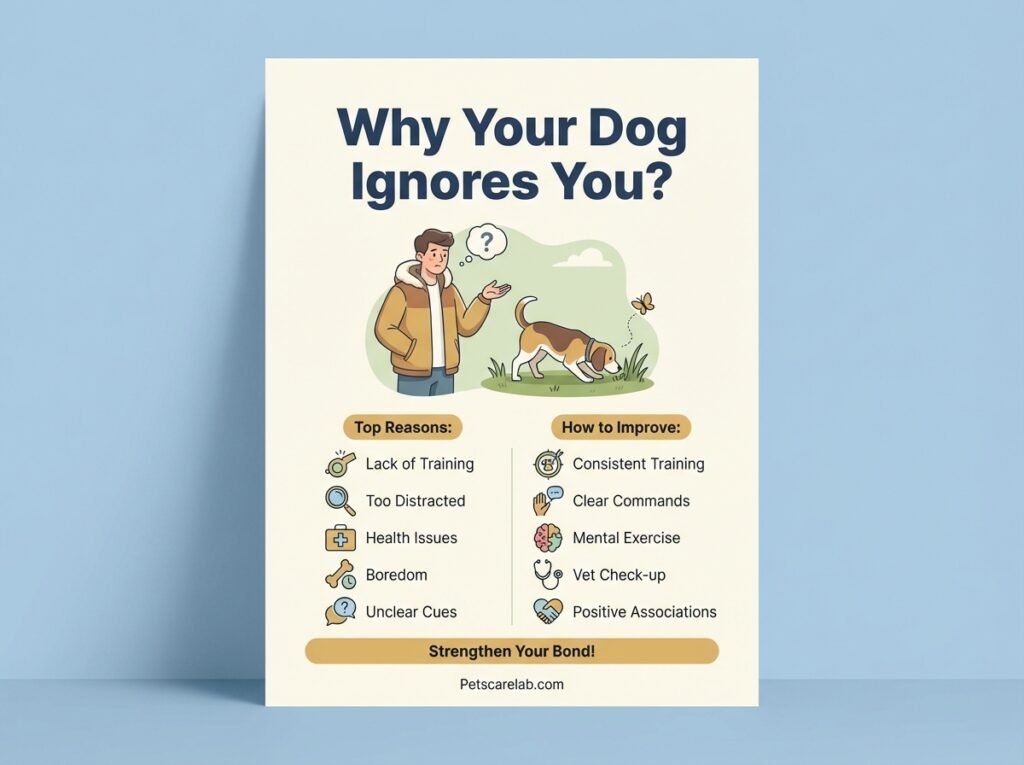
Ever feel like your dog pretends you don't exist sometimes? It's frustrating, right? You call their name, they glance over, and then poof – they're back to sniffing that interesting patch of grass. If you're wondering why your dog ignores me, know that your pup isn't trying to be rude. There are many reasons why your dog might tune you out, from simple misunderstandings to something more serious like a health issue or a lack of proper training. Let's dig into the common culprits behind your dog’s selective hearing.
Your Pup Needs Better Training
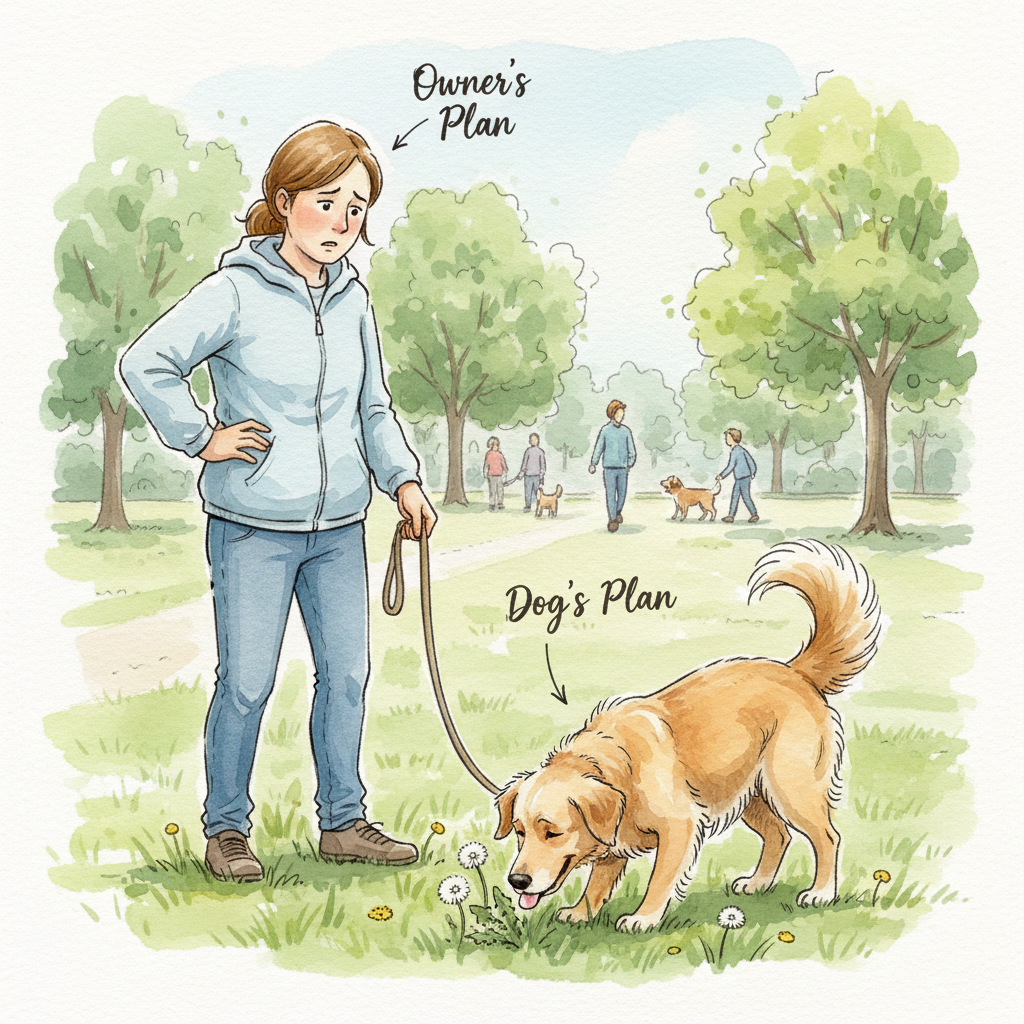
One of the top reasons a dog might ignore you comes down to inconsistent or incomplete training. If your dog never really learned cues like "sit," "stay," or "come," they simply won't know what you're asking. Or maybe you've been a bit hit-or-miss with training sessions. If you sometimes let them jump on guests, even though you’ve told them "off" before, they'll get mixed signals. Dogs thrive on consistency, and they learn best with clear, positive reinforcement.
How to Help Your Dog Listen
- Sign up for obedience classes: A certified trainer can show you effective ways to communicate with your pup and tackle any specific behavior challenges.
- Practice little and often: Short, fun training sessions (think 5-10 minutes) throughout the day are way more effective than long, drawn-out ones.
- Reward good choices: Always give your dog a treat, praise, or a favorite toy when they nail a command. This makes training a happy experience and encourages them to listen.
- Be consistent: Everyone in your home needs to use the same words and have the same expectations. If "come" means to return to you, then always use "come" in that exact way.
You're Not Being Clear Enough
Sometimes, your dog isn't ignoring you; they just don't get what you want. Dogs don't naturally understand human words. They learn by connecting specific sounds or hand gestures with actions and rewards. If your cues are fuzzy, too complicated, or you change your tone every time, your dog can't figure out what you mean. Imagine yelling "come here right now!" in a stern voice when you usually say "come" in a happy, inviting tone. That's super confusing for a pup!
Make Your Commands Crystal Clear
- Stick to simple cues: Use one or two-word commands like "sit," "stay," or "come."
- Add hand signals: Many dogs are visual learners. When you say "sit," use a clear hand motion that your dog can link to the action.
- Use a consistent tone: Keep your voice calm, clear, and upbeat when giving commands. Shouting or sounding angry can scare your dog, making them less likely to respond.
- Grab their attention first: Before you give a command, make sure your dog is looking at you and ready to listen. Use their name to get their focus, then give the command.
Your Dog Is Way Too Distracted
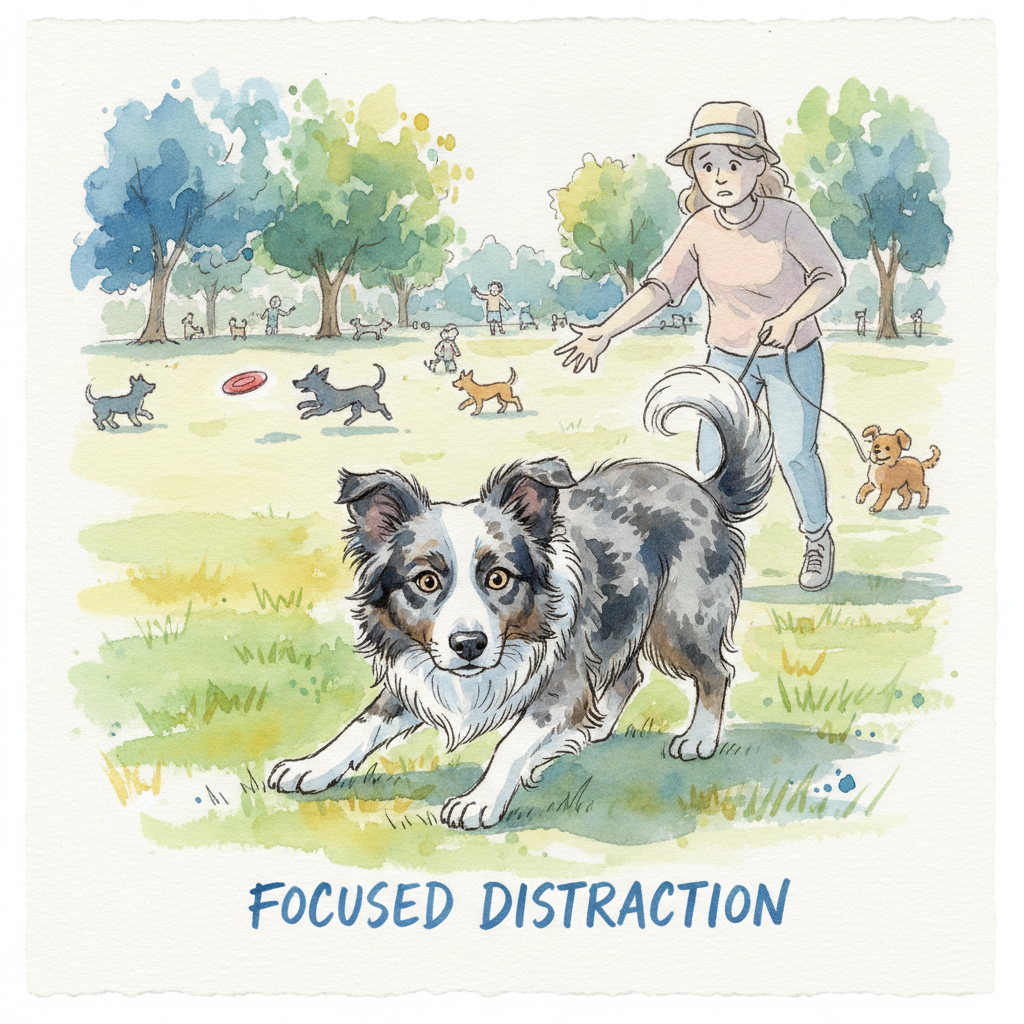
Dogs are naturally curious explorers. Their world is full of amazing sights, sounds, and smells. If your dog seems to ignore you, they might just be utterly captivated by something else. This happens a lot in exciting places like a dog park, a busy street, or even when there's a squirrel taunting them from the backyard. A dog deeply engrossed in sniffing a new scent or watching another pup play might genuinely not hear or even register your voice. Their entire focus is somewhere else.
How to Get Your Dog's Focus Back
- Start training in peace: Begin your training sessions in a calm, familiar spot with few distractions. As your dog gets better, slowly introduce them to busier environments.
- Use irresistible rewards: In distracting places, you might need to bring out the big guns – think tiny pieces of chicken or cheese – to really capture your dog's attention.
- Practice "look at me": Teach your dog to make eye contact on command. Hold a treat near your eyes and reward them every time they look at you.
- Use a long leash: In open or distracting areas, a long leash gives your dog some freedom while still allowing you to gently guide them back to you if they get too focused on something else.
Your Dog Is Bored Stiff
If your dog isn't getting enough mental and physical stimulation, they might ignore you out of sheer boredom or disinterest. Dogs need ways to burn off energy and use their brains. A bored dog might just invent their own fun, which could mean ignoring your commands, chewing on inappropriate things, or doing other undesirable stuff.
Keep Boredom at Bay
- Provide plenty of exercise: Make sure your dog gets enough physical activity for their breed, age, and energy level. This could be walks, runs, fetch, or playing with other dogs.
- Offer brain games: Use puzzle toys, food-dispensing toys, or play hide-and-seek to keep your dog's mind sharp.
- Teach new tricks: Learning new commands or fun tricks is a great way to mentally stimulate your dog.
- Explore dog sports: Activities like agility, flyball, or nose work offer fantastic outlets for your dog's energy and intelligence.
Your Dog Has a Health Problem
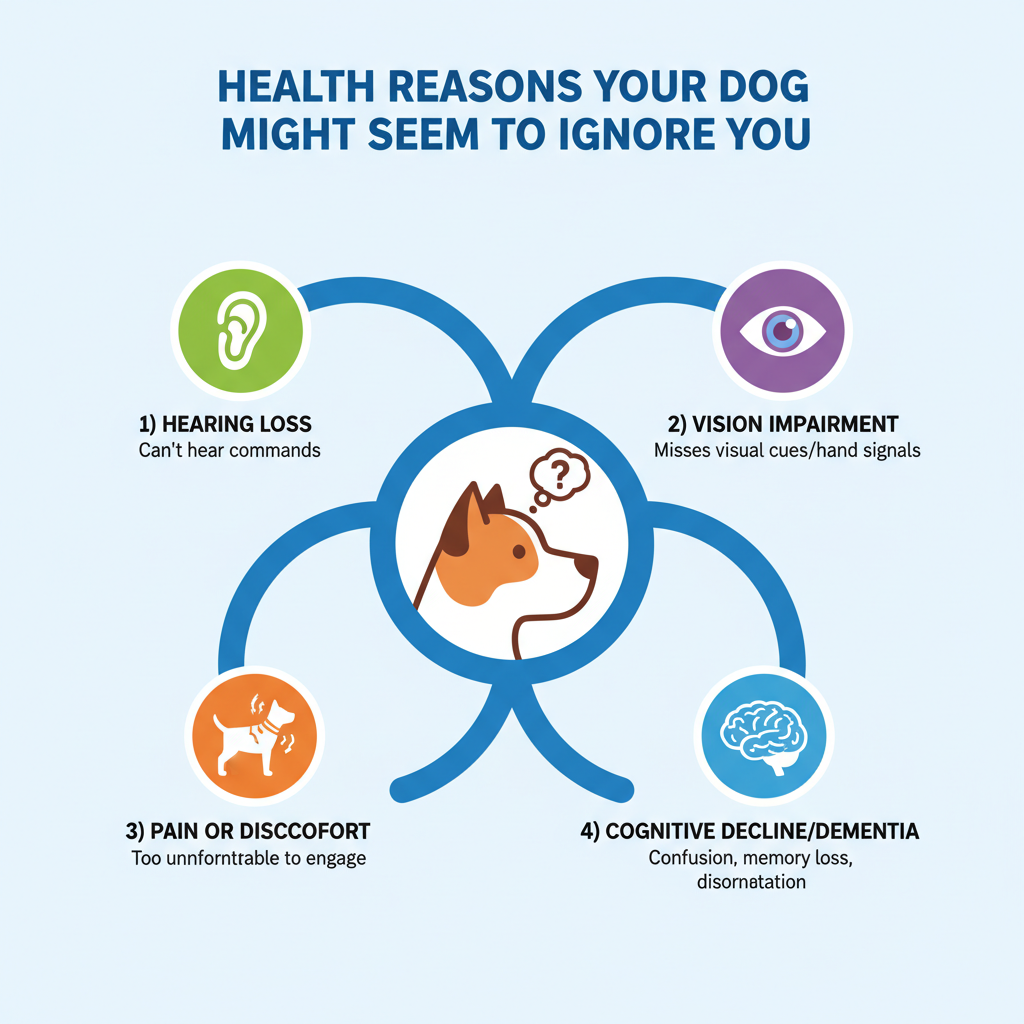
Sometimes, a dog ignoring you isn't about behavior; it's a sign of an underlying health issue. Conditions that affect a dog's senses, especially their hearing or vision, can make it tough for them to respond to your cues. Pain, discomfort, or cognitive decline (like doggie dementia) can also make a pup less responsive or engaged.
When to Talk to Your Vet
- Schedule a vet visit: If your dog suddenly starts ignoring you or shows other behavior changes, it's crucial to consult your veterinarian.
- Check for hearing loss: If your dog doesn't respond to your voice but still reacts to hand signals, they might be losing their hearing. Your vet can run tests to check this.
- Look for vision problems: Poor eyesight can make a dog less responsive, especially in new environments.
- Address pain or discomfort: Dogs in pain often withdraw or don't want to engage. Your vet can pinpoint and treat any hidden pain.
- Discuss cognitive decline: For older dogs, a sudden change in responsiveness could signal cognitive dysfunction. Your vet can talk to you about management options.
You're Predictably "Bad News"
If you always call your dog for the same specific reasons – like bath time, going to the vet, or ending a fun playtime – they might start associating your voice with something they don't like. In this scenario, your dog isn't being defiant; they're simply trying to avoid an unpleasant experience. This often happens with the "come" command. If "come" always means "time to leave the dog park" or "time to go into your crate," your dog might quickly learn to ignore it.
Change the Narrative
- Vary your calls: Call your dog for happy reasons more often than for "bad" ones. Call them for a tasty treat, some ear scratches, or a quick game of fetch.
- Make "come" a great experience: When your dog comes to you, always reward them with a treat, praise, or a quick, fun game. Never scold them if they take a moment to respond.
- Practice recall with fun: Play games like "hide-and-seek" where your dog has to find you when you call their name.
- Use a long line: If your dog struggles with coming back in open spaces, use a long training leash to practice. This lets you gently guide them if they hesitate, making sure they can't completely ignore you.
Your Dog Isn't "Ignoring" You at All
Sometimes, what looks like your dog ignoring you is just them being a dog. They might be completely absorbed in sniffing an amazing scent, watching another animal, or simply enjoying their own quiet space. Dogs don't always share our human social expectations; they don't feel the need to constantly interact with us. They might also be sending you signals that you're missing. For example, a dog might move away or turn their head if they don't want to be petted. If you keep trying, they might seem to "ignore" you as a way to disengage.
Understand Your Dog Better
- Watch their body language: Learn to read your dog's subtle cues. Are they relaxed, or do they show signs of stress or disinterest?
- Give them space:
Respect your dog's need for personal space. If they're engrossed in something, let them be, or gently redirect them instead of demanding their immediate attention. - Engage them gently: If you want their attention, approach calmly, say their name softly, or offer a gentle touch before giving a command.
- Accept normal dog behavior: Remember that dogs have their own world and interests. Not every single moment needs to be about interacting with you.
If you're truly worried about your dog ignoring you, our team at Petscarelab recommends reaching out to a certified dog trainer or your veterinarian. They can help you get to the bottom of the behavior and create a personalized plan to improve communication and strengthen the bond with your furry best friend.