
```html
PetsCareLab
Dogs have earned their reputation as some of the most cherished and esteemed companions in the animal kingdom. Celebrated for their unwavering loyalty, spirited playfulness, and sociable nature, dogs never cease to captivate their humans. Among their many intriguing behaviors, howling stands out as a fascinating form of expression that often puzzles and delights pet parents alike.
Understanding why dogs howl can open up new avenues of communication and deepen the bond between you and your furry friend. Let’s explore the origins of this distinctive behavior and the many purposes it serves in a dog’s life.
The Origin of Howling in Dogs
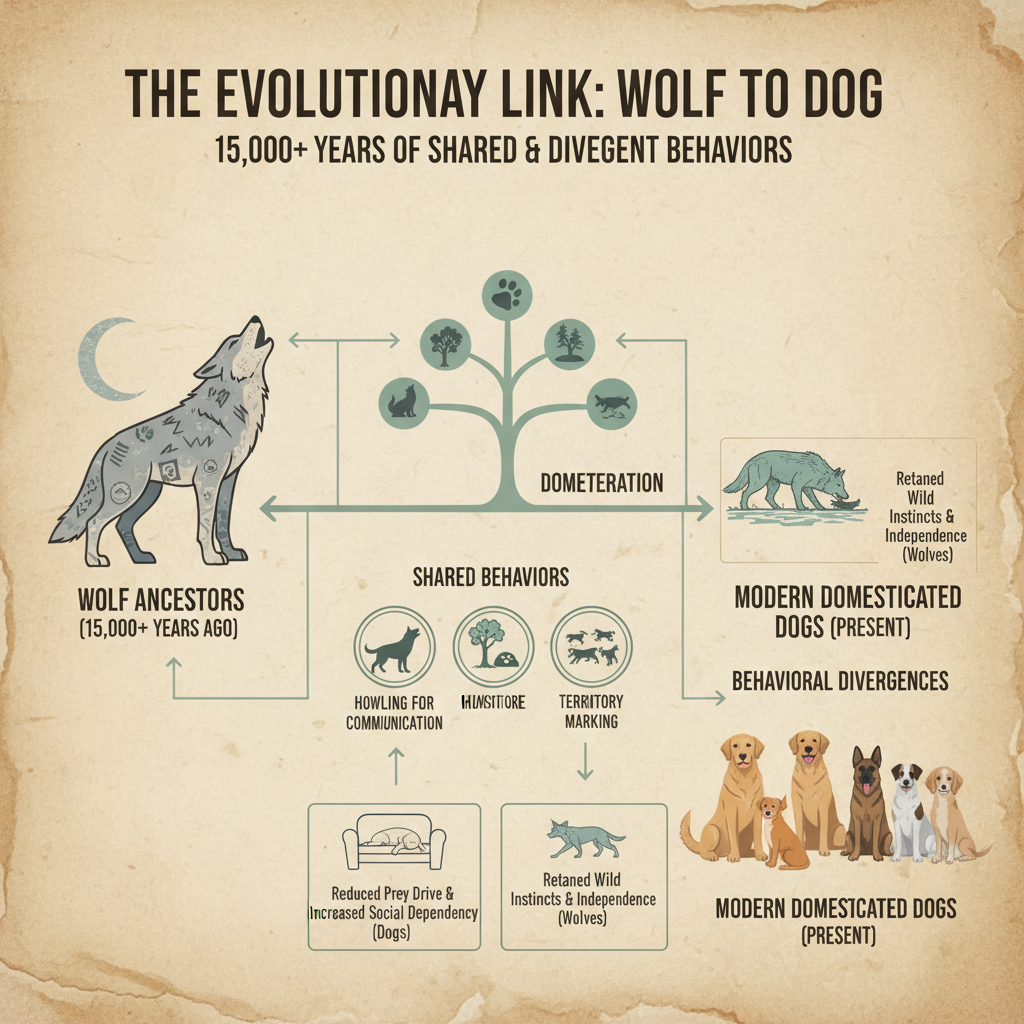
Our beloved domesticated dogs share their ancestry with wolves, dating back over 15,000 years. Although dogs have evolved quite differently from their wild relatives—behaviorally as distant from wolves as humans are from primates—their evolutionary heritage sheds light on some of their unique instincts. Wolves use howling as a powerful communication tool: it helps them rally their pack, coordinate hunts, mark their territories, and warn rival groups to steer clear.
Communication
Much like their wolf ancestors, dogs use howling to send messages across distances, communicating with other dogs far away. A howl can serve as a signal announcing their presence or location and can even be an open invitation for interaction.
Express Emotions
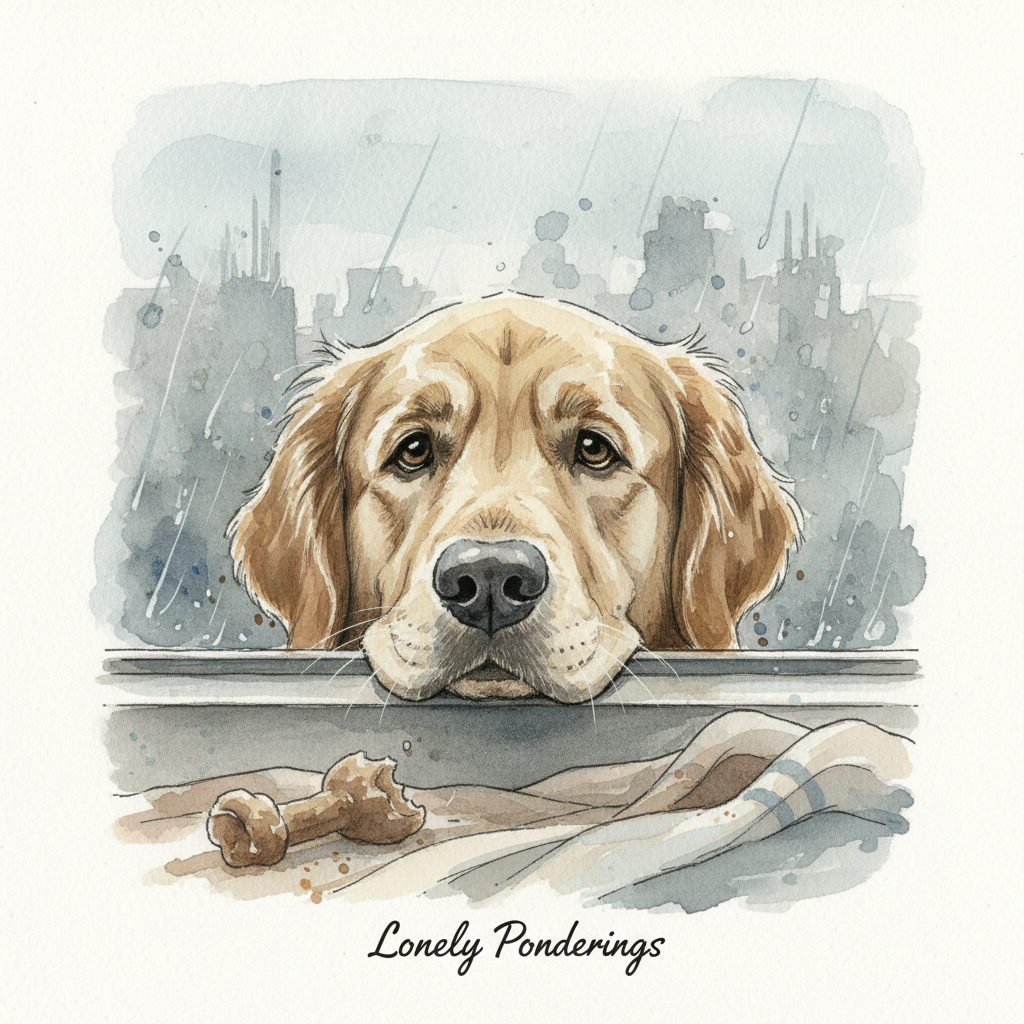
While dogs may not experience emotions as complex as humans, howling is one way they convey their feelings. Excitement can prompt a burst of howling, while emotions like stress, anxiety, loneliness, or frustration may also cause your dog to vocalize in this way. Boredom is another trigger that might lead to this expressive sound.
Response to Their Environment
Environmental stimuli often spark howling episodes. Loud noises—sirens, booming music, or the howls of other dogs—can trigger what’s called “contagious howling.” Urban dogs, in particular, are frequently exposed to these auditory cues, which can stir a chain reaction of howling among neighborhood pups.
Territory Identification
Howling is a classic way for dogs to stake their claim. By howling, dogs effectively announce the boundaries of their territory, warning other canines to keep their distance and respect their space.
Breed-specific Behavior
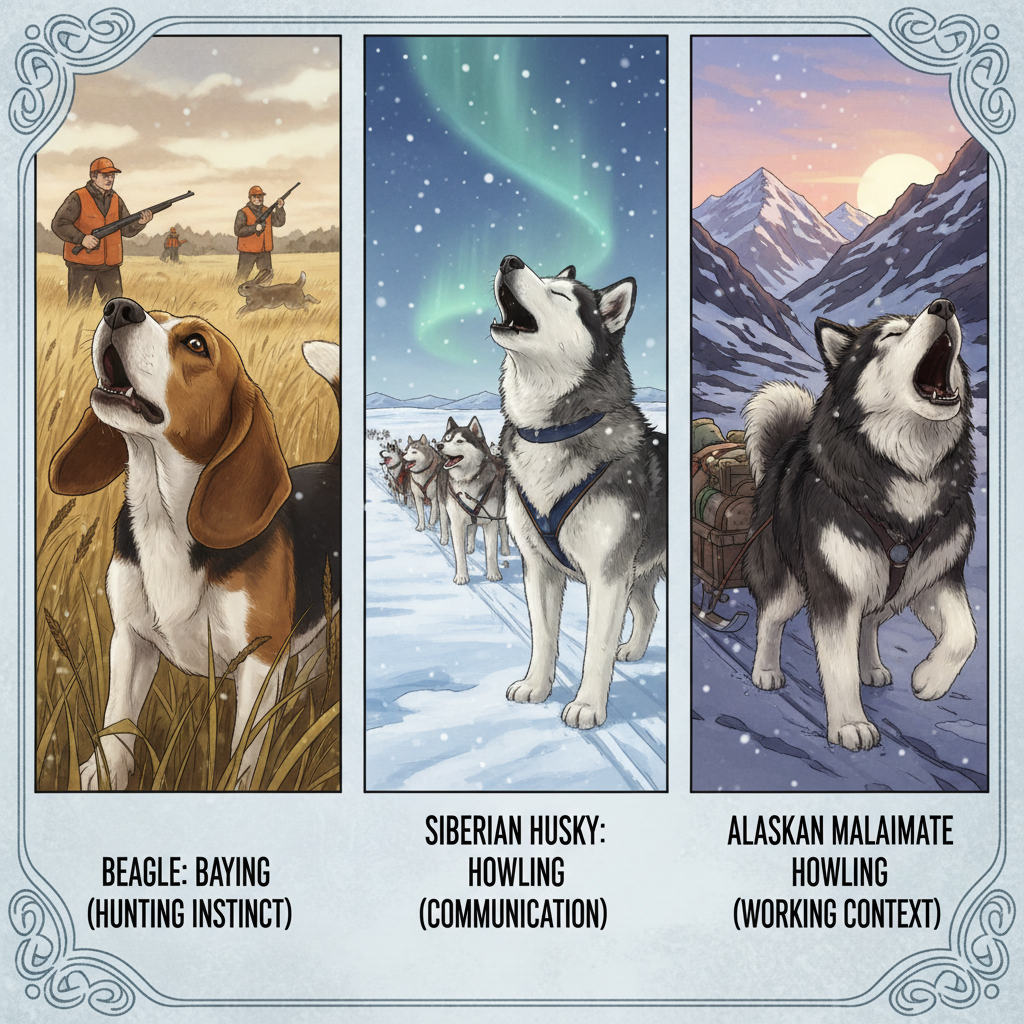
Certain breeds are genetically predisposed to howl more than others, a trait honed through selective breeding. Breeds like Beagles use howling as a way to alert during hunts and playtime. Similarly, Huskies and Malamutes frequently howl as a form of communication, reflecting their working dog lineage.
If Howling Is Excessive, Seek Veterinary Guidance
Howling is a natural, instinctive behavior that adds to the charm and individuality of many dogs. If your dog tends to howl more often, providing high-value treats such as long-lasting rawhides, calming chews, or engaging interactive treat puzzles can help ease the excitement or anxiety behind the howling.
However, excessive howling can sometimes signal an underlying medical or behavioral problem. If your dog’s howling becomes relentless—even ignoring treats—or is accompanied by other concerning behaviors like biting or signs of pain, it’s essential to consult your veterinarian promptly.
Being attentive to your dog’s howling and deciphering the reasons behind it empowers you as a pet parent. It deepens your understanding and strengthens the special relationship you share with your canine companion.
```