Why Do Dogs Eat Poop?
It’s one of those dog behaviors that can make any pet parent cringe: you look over and catch your otherwise perfect pup munching on something… and it’s poop. Gross, right? Even if your dog is totally house-trained, eats well, and loves their kibble, this habit can throw you for a loop. This behavior, technically called coprophagia, is surprisingly common. But it’s totally understandable if you find it alarming, or just plain disgusting.
So, why do dogs eat poop? There are lots of reasons, from a hidden health issue to simply being bored or anxious. Understanding what's behind it is the first step to helping your dog stop. Here's what our team at Petscarelab wants you to know about this puzzling habit and what you can do about it.
Why Your Dog Might Be Eating Poop
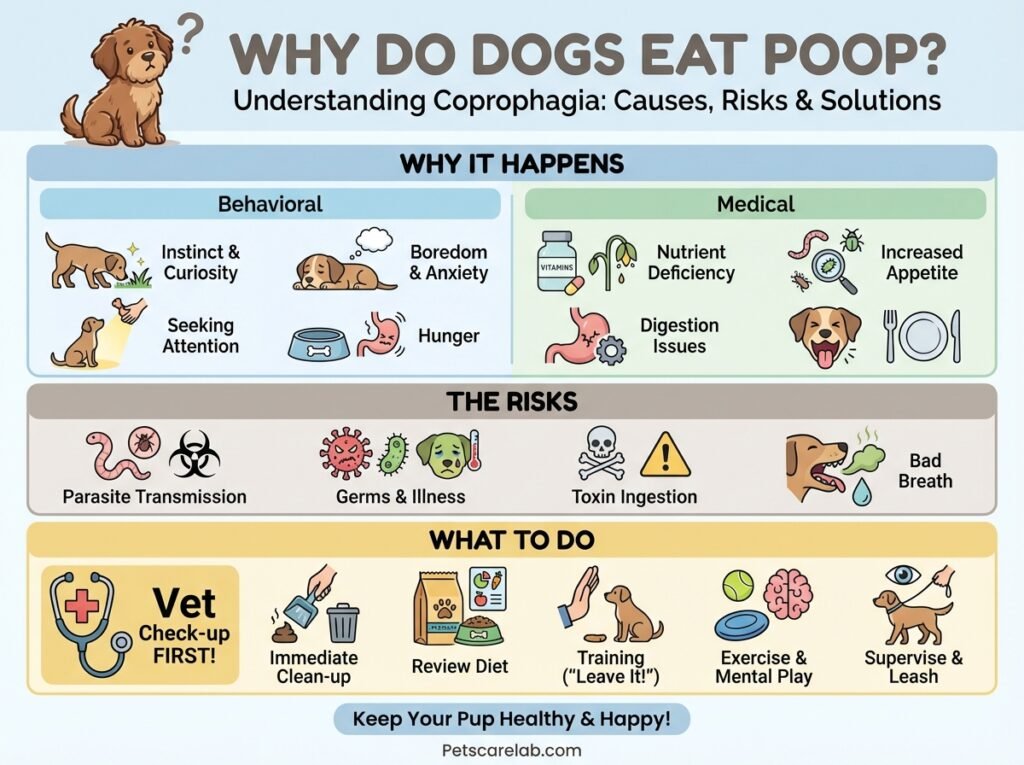
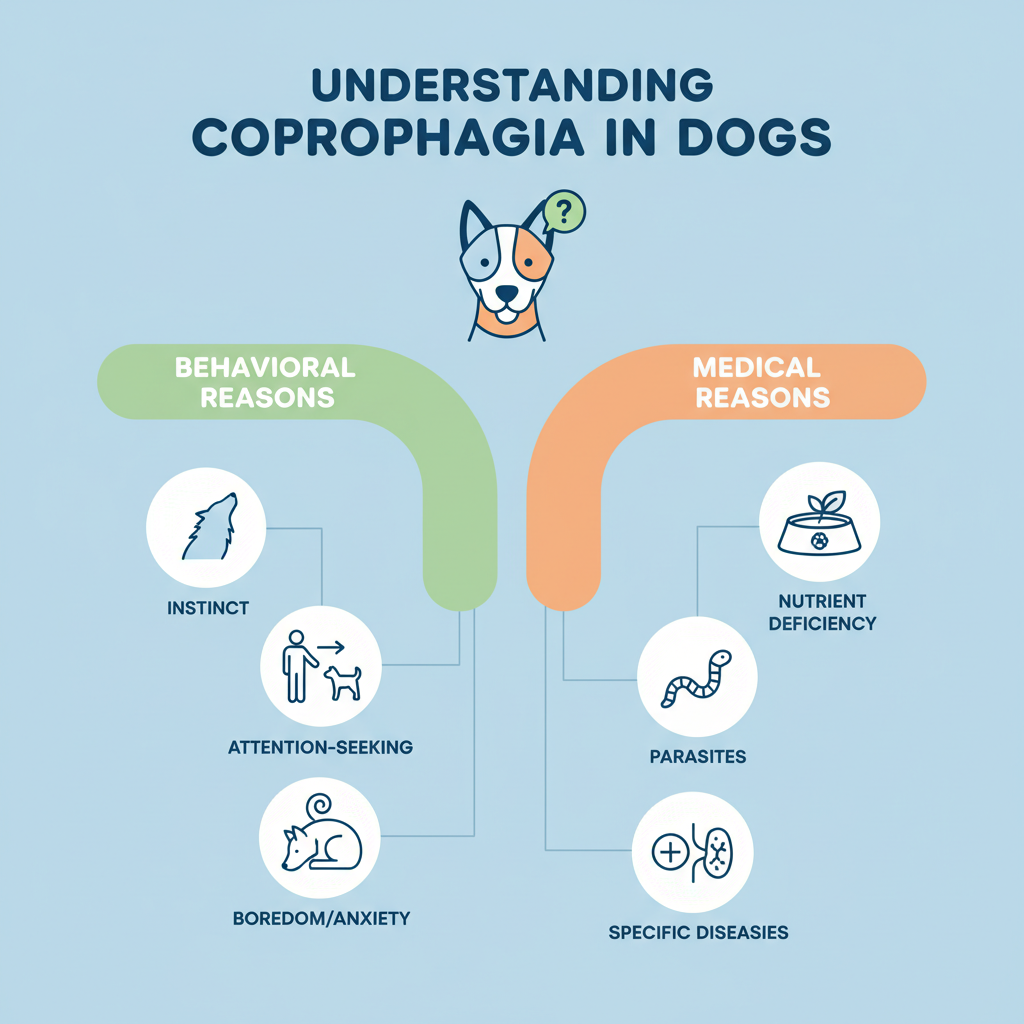
We usually break down the reasons a dog eats poop into two main categories: things tied to their behavior and things related to their health.
Behavioral Reasons Your Dog Eats Poop
- It’s Instinct: Think about a mother dog with her newborn puppies. She’ll carefully eat their waste to keep the den spotless and hide the scent from potential predators. Some people believe this ancient instinct can still pop up in our modern pups.
- Curiosity and Exploration: Just like human toddlers, puppies explore the world with their mouths. For a curious young pup, a pile of poop might just be another interesting thing to investigate (and taste!).
- Looking for Attention: Let’s be honest, when your dog eats poop, you probably react strongly. A loud "NO!" or a quick dash to pull them away. If your dog isn't getting enough positive attention, they might learn that eating poop is a surefire way to get you to notice them.
- Boredom or Anxiety: Imagine being cooped up all day with nothing to do. A bored dog might start eating poop just to entertain themselves. The same goes for an anxious dog, who might turn to this behavior as a coping mechanism, especially if they’re left alone for long periods or stuck in a small space.
- They're Truly Hungry: If your dog isn't getting enough food, or if their diet isn't satisfying, they might resort to eating poop as a way to fill that empty feeling in their stomach.
- Living in a Dirty Space: Dogs naturally want to keep their living areas clean. If your yard or their kennel gets messy with waste, a dog might start eating poop in an attempt to tidy things up.
- Learned Behavior: Dogs are great imitators. If they see another dog doing it, especially a respected older dog, they might pick up the habit themselves.
Medical Reasons Your Dog Might Eat Poop
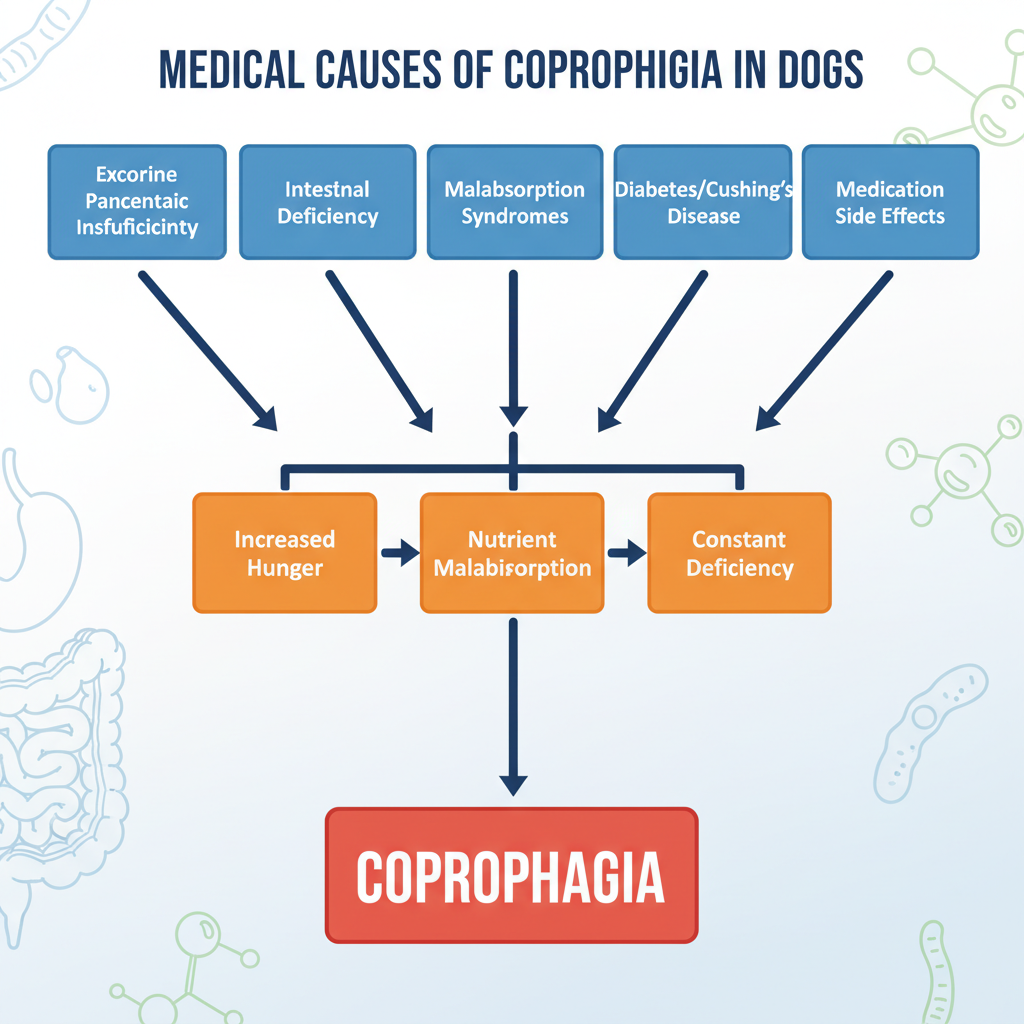
Sometimes, this yucky habit points to an underlying health problem. It's always a good idea to chat with your vet if you notice it.
- Exocrine Pancreatic Insufficiency (EPI): This is a condition where your dog's pancreas doesn't make enough of the enzymes needed to properly digest food. They can't absorb nutrients, often lose weight, and might start eating poop to try and get those missing nutrients.
- Pesky Parasites: Intestinal worms can steal vital nutrients right out of your dog's food. This leaves your dog feeling constantly hungry, which can lead them to eat poop.
- Not Enough Nutrients: If your dog's food isn't providing a complete and balanced diet, they might be lacking essential nutrients. Eating poop could be their way of trying to supplement what's missing.
- Malabsorption Syndromes: Conditions like inflammatory bowel disease (IBD) make it hard for your dog to absorb nutrients from their food. This constant feeling of hunger or nutrient deficiency can trigger coprophagia.
- Diabetes and Cushing’s Disease: Both these conditions can crank up your dog's appetite, making them feel much hungrier than usual, and potentially leading them to eat poop.
- Thyroid Issues: If your dog's thyroid gland isn't producing enough hormones (hypothyroidism), they might gain weight and seem sluggish. In some cases, this can also be linked to them eating poop.
- Medication Side Effects: Some drugs, like steroids, can really boost a dog's appetite. That increased hunger might be why they start looking for extra "snacks," even if it's poop.
Is It Bad for Dogs to Eat Poop?
While it’s often just a disgusting habit, there are a few risks to consider when your dog eats poop:
- Parasite Problems: If your dog eats the poop of another animal that has worms or other parasites, they can easily get infected themselves.
- Germy Business: Poop can be a breeding ground for nasty bacteria and viruses that could make your dog really sick.
- Hidden Toxins: What if the other animal ate something harmful, like pesticides or medications? If your dog then eats that animal's poop, they could accidentally ingest those toxins, too.
- Really Bad Breath: Let’s be honest, nothing makes doggy kisses less appealing than the lingering smell of poop.
What to Do if Your Dog Eats Poop
If your dog is eating poop, your very first step should always be a trip to the vet. We need to rule out any hidden medical problems. Your vet can do a thorough physical exam, blood tests, and check a poop sample for parasites or other health issues.
If your vet gives your dog a clean bill of health and finds no medical reasons for the behavior, here are some practical tips to try:
- Clean Up Immediately: The easiest way to stop them? Don't leave any tempting "treats" around. Scoop up your dog's poop as soon as they go to the bathroom.
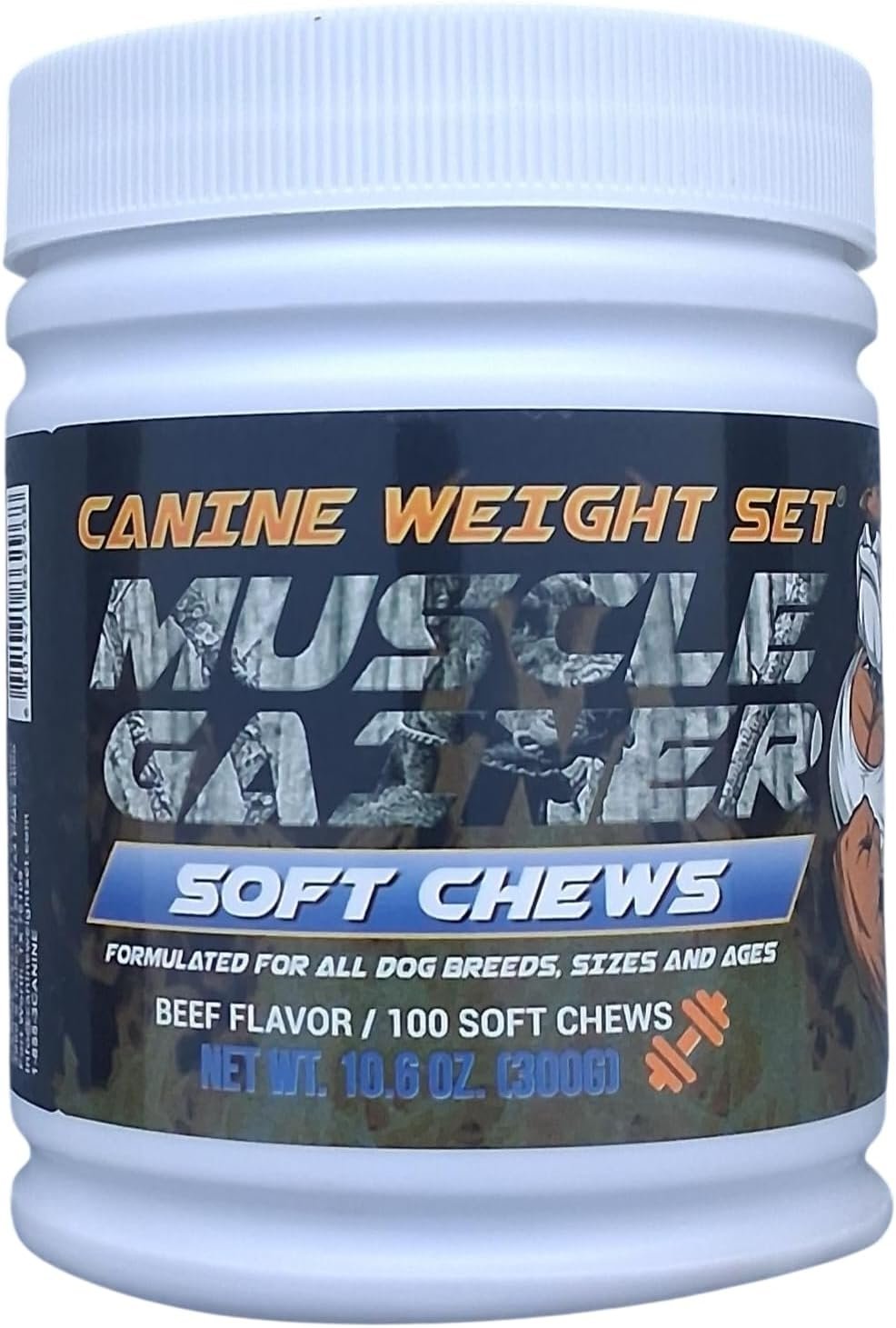
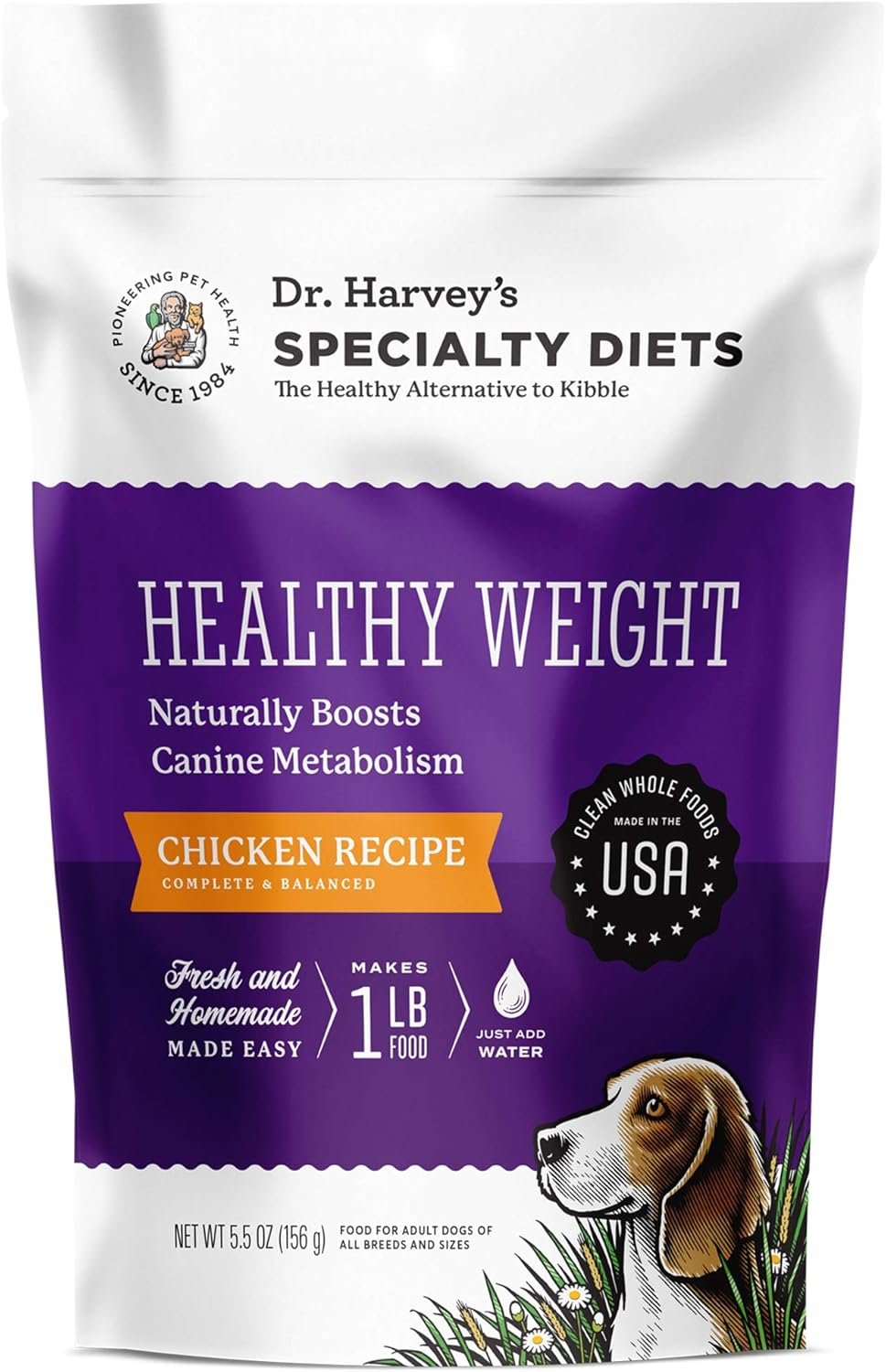
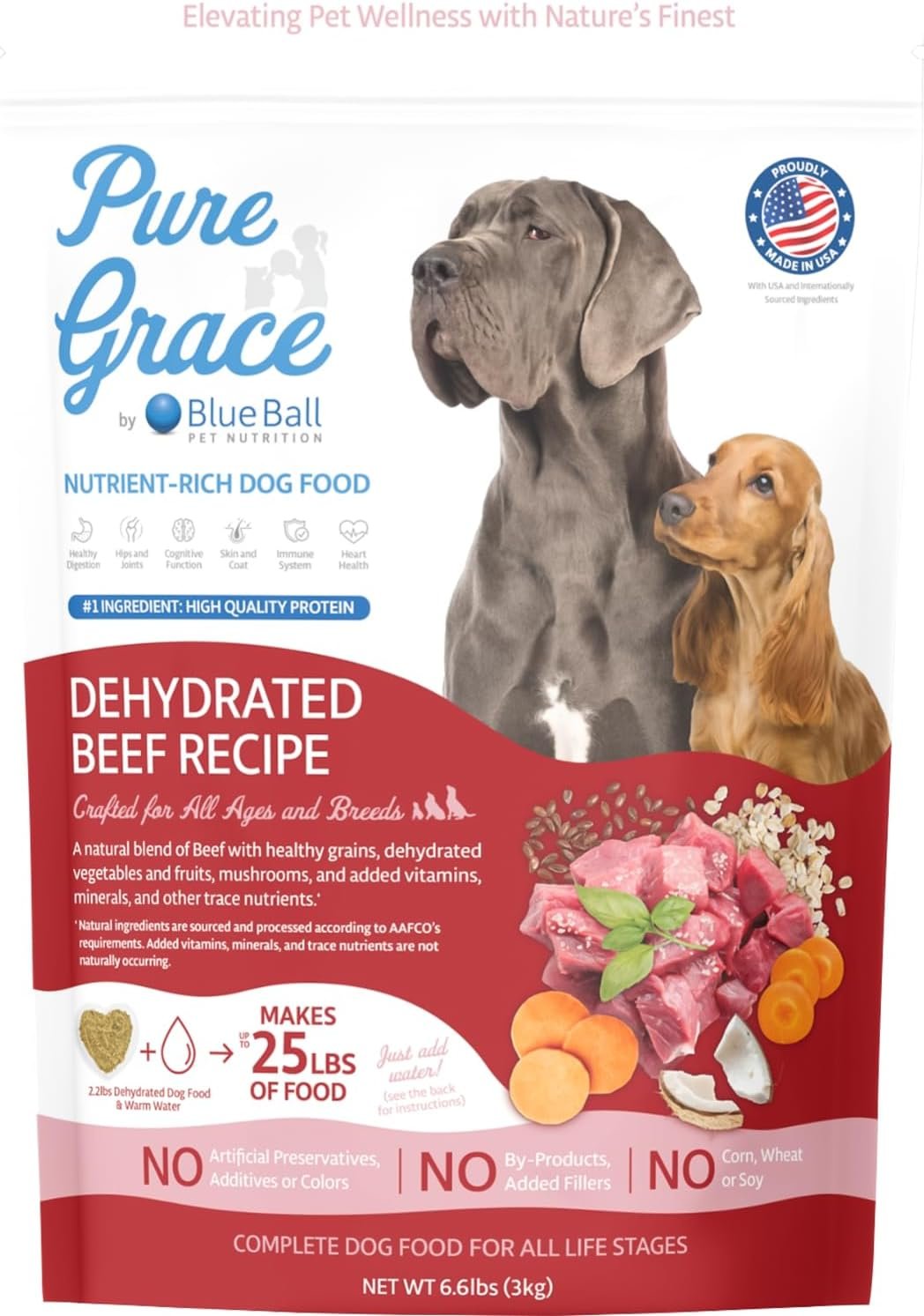
- Review Their Diet: Talk to your vet about your dog’s food. Sometimes, a higher-quality diet or a specific supplement can make a big difference in how full and satisfied your dog feels.
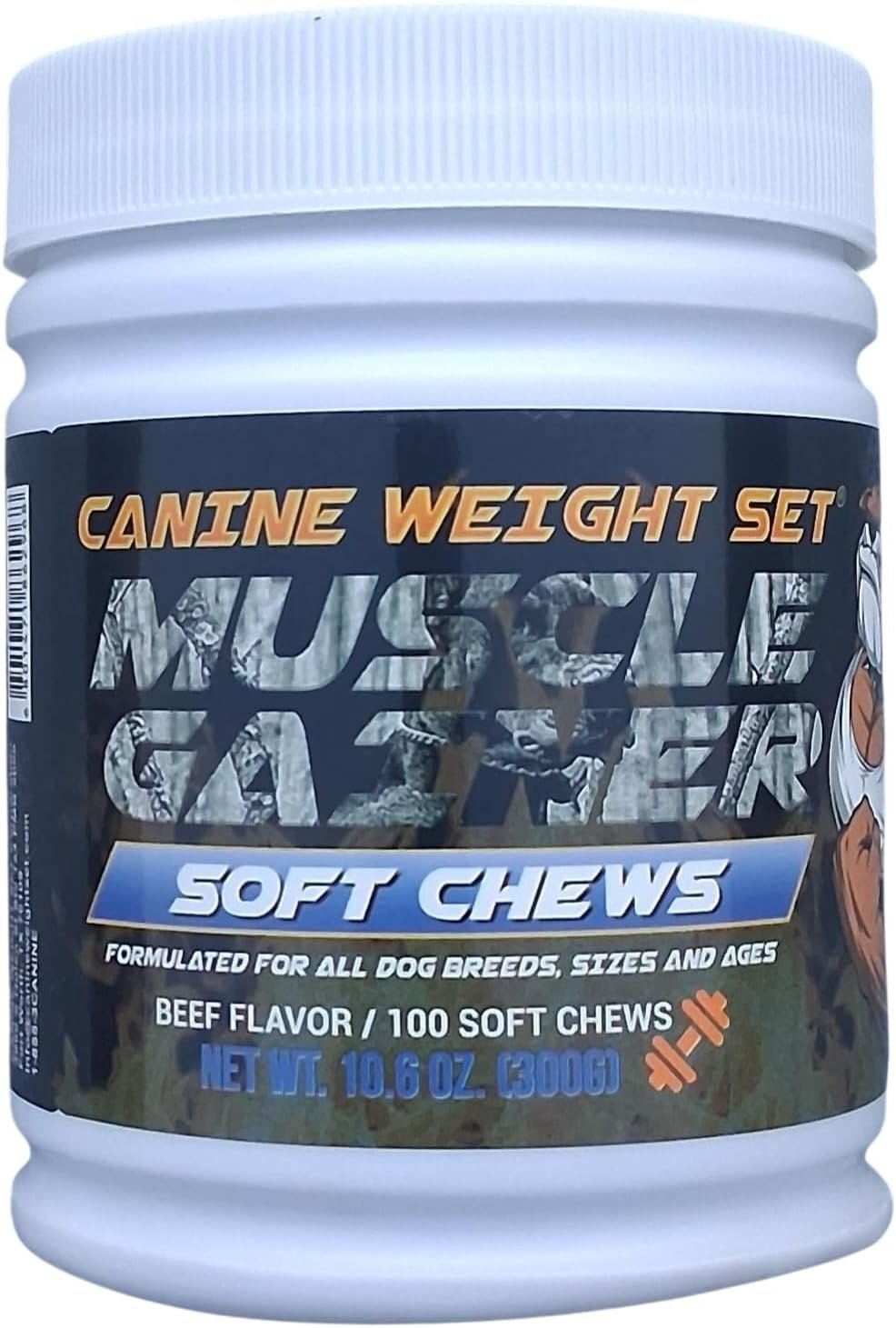
- Try a Poop Deterrent Supplement: There are products you can add to your dog's food that make their poop taste really unappealing to them. Ask your vet or local pet store for recommendations.
- Teach "Leave It": This is a super helpful command for many situations. Use positive reinforcement to teach your dog to ignore poop and look to you instead.
- Boost Exercise: A tired dog is often a well-behaved dog. Make sure your pup gets plenty of physical activity. A dog who's had a good run is less likely to engage in unwanted behaviors like eating poop.
- Increase Mental Stimulation: Keep your dog’s brain busy! Use puzzle toys, provide sturdy chew toys, or try short, fun training sessions throughout the day. A mentally engaged dog has less time for bad habits.
- Get Help from a Pro Trainer or Behaviorist: If you’re really struggling to stop this behavior, don't hesitate to reach out to a professional dog trainer or a veterinary behaviorist. They can offer tailored strategies and support.
Preventing Your Dog From Eating Poop
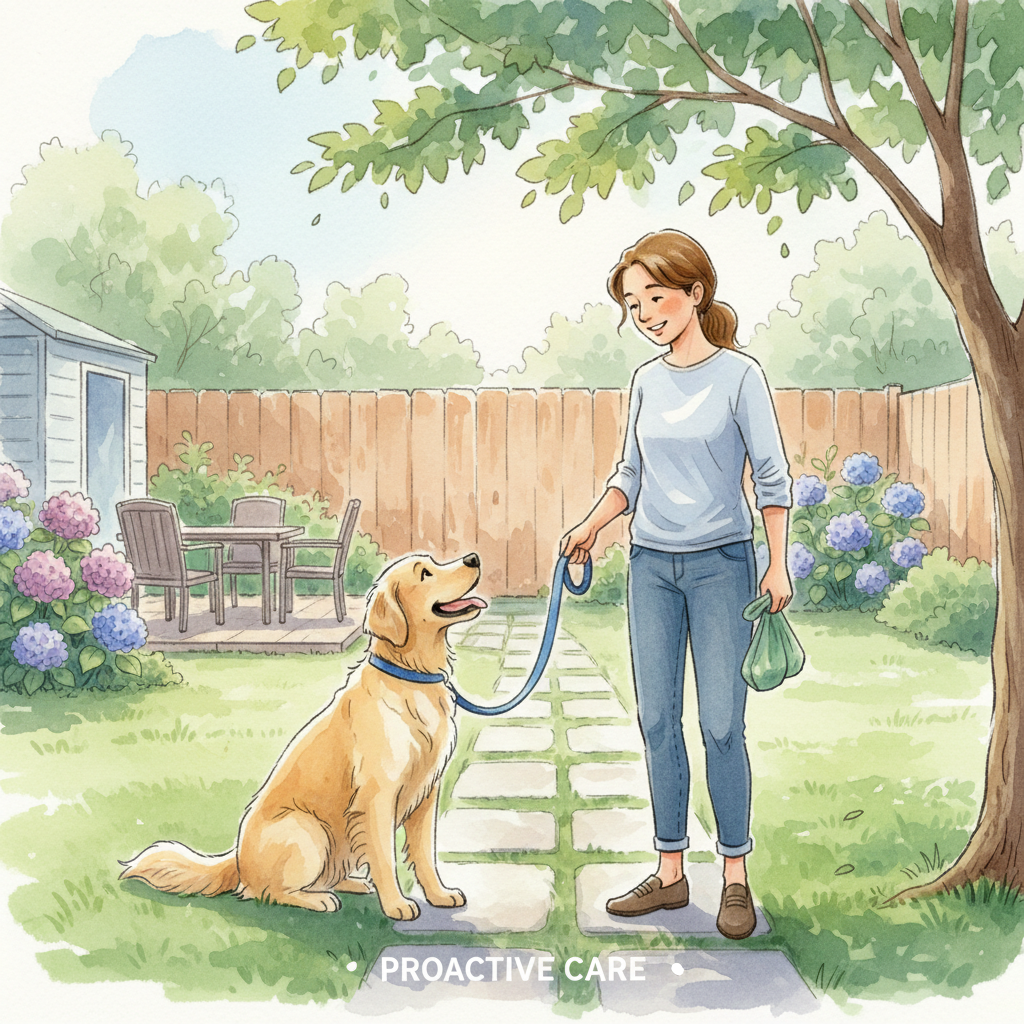
When it comes to stopping your dog from eating poop, prevention truly is key. Here are some strategies to keep the habit at bay:
- Supervise Your Dog Closely: Whenever your dog is outside, keep a sharp eye on them. Intervene immediately if you see them sniffing around a pile of poop.
- Leash Up in Public: Always keep your dog on a leash in public parks or on walks. This gives you control and helps prevent them from snacking on random poop.
- Work on Their Recall: If your dog enjoys off-leash time, make sure their "come!" command is rock-solid. This way, you can call them away quickly if they spot something unsavory.
- Maintain a Clean Environment: Keep your yard tidy and pick up your dog’s waste regularly. The less available poop there is, the less chance they have to eat it.
- Feed a High-Quality Diet: Make sure your dog is getting all the nutrients they need from their food. A well-fed dog is less likely to seek out other "food" sources.
- Schedule Regular Vet Check-Ups: Regular visits to the vet can help catch any underlying medical conditions early on, before they lead to behavioral issues like eating poop.
When to Talk to a Vet About Your Dog Eating Poop
If your dog suddenly starts eating poop out of the blue, or if you notice other worrying symptoms like unexpected weight loss, vomiting, or diarrhea alongside the poop eating, it’s really important to talk to your vet right away. They can help figure out the root cause of the behavior and recommend the best plan of action to keep your furry friend healthy and happy.