Why Do Dogs Eat Grass?
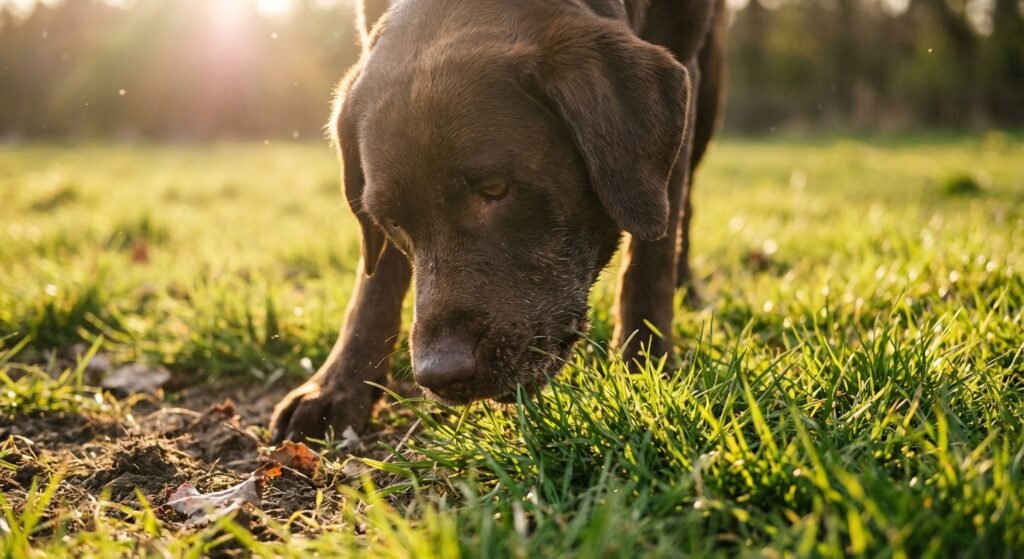
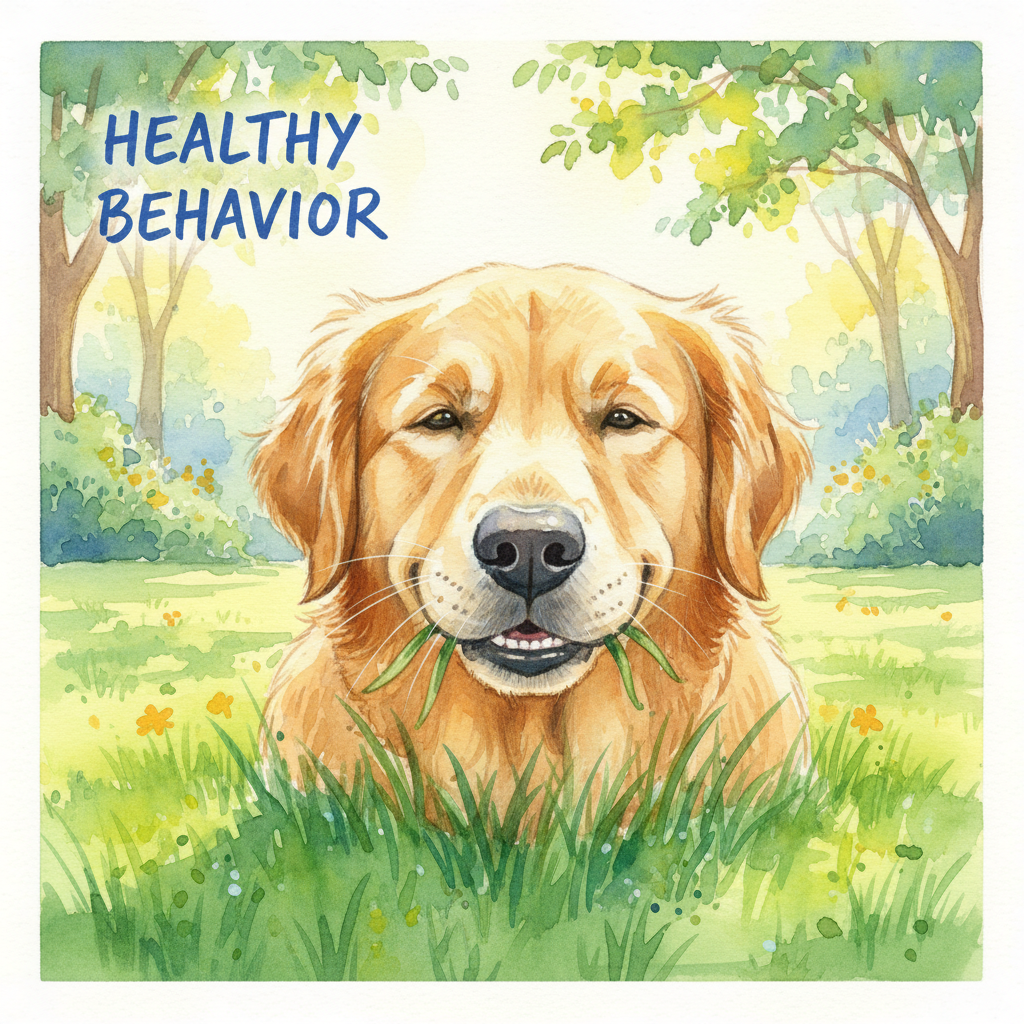
You've probably seen your dog munching on grass in the backyard or at the park, right? It's a super common sight, and if you've ever wondered, "Why do dogs eat grass?" you're definitely not alone. While it might seem a bit weird to us, dogs eating grass is a perfectly natural behavior and usually nothing to fret over. Let's dig into some of the reasons why our pups love a leafy snack and what you should do if you're ever worried about their green-eating habits.
So, What's the Deal? Why Do Dogs Eat Grass?
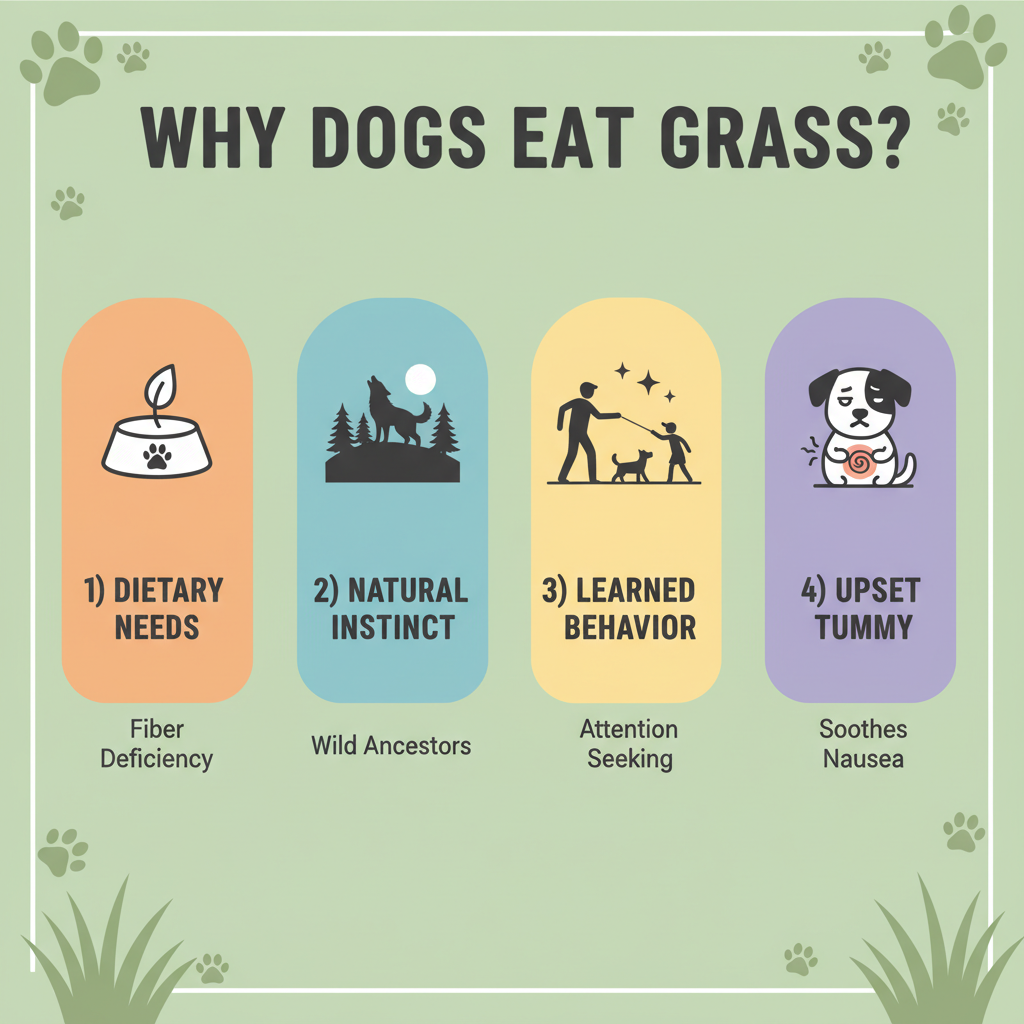
There are a few big ideas about why dogs graze. It's tough to know the exact reason for every single dog, but most explanations come down to their diet, their instincts, or something they've learned along the way.
Their Diet Might Need a Boost
Sometimes, dogs might nibble on grass because they're missing something important in their food. Dogs are omnivores, meaning they eat both plants and meat. Even though their main diet should be top-notch dog food, they might go looking for other plant stuff if they're short on certain nutrients, especially fiber. Grass packs some fiber, which helps keep their digestion smooth and their bowel movements regular. If your dog isn't getting enough fiber from their everyday meals, they might turn to grass to fill that gap.
It's a Natural Instinct
Many experts believe this behavior comes straight from their wild ancestors. Think wolves and coyotes – they eat grass and other plant material sometimes to help their digestion or even to get rid of intestinal parasites. Our modern house dogs don't usually have the same diet or worm issues as their wild cousins, but that ancient urge to graze might still be hanging around.
It's a Learned Behavior
Some dogs just like the taste of grass, or they've figured out it's a great way to get your attention. If your dog gets extra cuddles or a tasty treat every time they start grazing, they might just do it more often. And puppies? They often try eating grass out of pure curiosity or boredom. Dogs are naturally inquisitive, and the feel and flavor of grass can be super appealing to them.
Maybe an Upset Tummy
One popular idea is that dogs eat grass when their stomach feels a bit off. The thought is they munch on grass to make themselves throw up, hoping it'll ease their discomfort. While some dogs do puke after eating grass, it's not a guarantee. Plenty of dogs eat grass without showing any signs of sickness before or after. If your dog often eats grass and then vomits, or shows other signs of a tummy ache like diarrhea, no appetite, or sluggishness, it's definitely time to chat with your veterinary specialist.
Is It Safe for Dogs to Eat Grass?
Most of the time, a dog eating grass isn't dangerous. But there are a few important things to keep in mind to keep your pup safe:
- Pesticides and Herbicides: Watch out for areas where the grass might have been sprayed with chemicals like pesticides, herbicides, or fertilizers. These can be really bad for dogs and cause serious health problems if they swallow them.
- Parasites: Grass can hide nasty intestinal parasites like roundworms or hookworms, especially in places where other animals hang out. Regular deworming and check-ups with your vet can help reduce this risk.
- Sharp Blades: It's rare, but the sharp edges of grass blades can sometimes irritate a dog's throat or digestive tract. If you see your dog gagging, coughing, or looking uncomfortable after eating grass, call your vet.
When Should You Talk to Your Vet?
Even though eating grass is usually harmless, there are times when it's smart to call your vet:
- Eating Way Too Much Grass: If your dog suddenly starts chowing down on a ton of grass, or if it becomes an obsession, there could be a hidden problem.
- Vomiting or Diarrhea: If your dog frequently throws up or has diarrhea after eating grass, or shows other signs of being sick, you need to get them checked out.
- Changes in Appetite or Behavior: Any big shifts in your dog's appetite, energy levels, or overall behavior when they're eating grass should prompt a vet visit.
Your vet can help figure out if there's a medical reason for your dog's grass eating and suggest the right steps. This might mean changing their diet, getting parasite control, or doing more tests.
How to Get Your Dog to Stop Eating Grass (If You Want To)
If you're worried about your dog eating grass, or just want to curb the behavior, here are a few tips:
- Add More Fiber to Their Food: Talk to your vet about giving your dog more fiber. This could mean switching to a higher-fiber dog food or adding safe, fiber-rich treats like canned pumpkin or cooked green beans.
- Offer Safe Green Snacks: Give your dog safe, edible plants they can chew on. Pet grass, often wheatgrass or oat grass grown specifically for pets, can satisfy their natural urge to graze without the risks of outdoor grass.
- Plenty of Play and Brain Games: Make sure your dog gets lots of physical activity and things to keep their mind busy. Boredom can sometimes lead to unwanted behaviors, like eating grass. Puzzle toys, training sessions, and regular walks can really help keep them engaged.
- Leash Up: When you're out walking, use a leash to stop them from grazing in spots where grass might have been sprayed with chemicals.
- Keep an Eye on Them: Watch your dog when they're outside, especially in new places. If you see them going for the grass, gently get their attention with a toy or use a "leave it" command.
- Regular Vet Visits: Keep up with your dog's regular vet check-ups to rule out any underlying health issues and make sure their deworming schedule is current.

By understanding why dogs eat grass and taking a few smart steps, you can help your furry friend stay happy and healthy, even if they enjoy a little green snack now and then.
,
Why Do Dogs Eat Grass?
You've probably seen your dog munching on grass in the backyard or at the park, right? It's a super common sight, and if you've ever wondered, "Why do dogs eat grass?" you're definitely not alone. While it might seem a bit weird to us, dogs eating grass is a perfectly natural behavior and usually nothing to fret over. Let's dig into some of the reasons why our pups love a leafy snack and what you should do if you're ever worried about their green-eating habits.
So, What's the Deal? Why Do Dogs Eat Grass?
There are a few big ideas about why dogs graze. It's tough to know the exact reason for every single dog, but most explanations come down to their diet, their instincts, or something they've learned along the way.
Their Diet Might Need a Boost
Sometimes, dogs might nibble on grass because they're missing something important in their food. Dogs are omnivores, meaning they eat both plants and meat. Even though their main diet should be top-notch dog food, they might go looking for other plant stuff if they're short on certain nutrients, especially fiber. Grass packs some fiber, which helps keep their digestion smooth and their bowel movements regular. If your dog isn't getting enough fiber from their everyday meals, they might turn to grass to fill that gap.
It's a Natural Instinct
Many experts believe this behavior comes straight from their wild ancestors. Think wolves and coyotes – they eat grass and other plant material sometimes to help their digestion or even to get rid of intestinal parasites. Our modern house dogs don't usually have the same diet or worm issues as their wild cousins, but that ancient urge to graze might still be hanging around.
It's a Learned Behavior
Some dogs just like the taste of grass, or they've figured out it's a great way to get your attention. If your dog gets extra cuddles or a tasty treat every time they start grazing, they might just do it more often. And puppies? They often try eating grass out of pure curiosity or boredom. Dogs are naturally inquisitive, and the feel and flavor of grass can be super appealing to them.
Maybe an Upset Tummy
One popular idea is that dogs eat grass when their stomach feels a bit off. The thought is they munch on grass to make themselves throw up, hoping it'll ease their discomfort. While some dogs do puke after eating grass, it's not a guarantee. Plenty of dogs eat grass without showing any signs of sickness before or after. If your dog often eats grass and then vomits, or shows other signs of a tummy ache like diarrhea, no appetite, or sluggishness, it's definitely time to chat with your veterinary specialist.
Is It Safe for Dogs to Eat Grass?
Most of the time, a dog eating grass isn't dangerous. But there are a few important things to keep in mind to keep your pup safe:
- Pesticides and Herbicides: Watch out for areas where the grass might have been sprayed with chemicals like pesticides, herbicides, or fertilizers. These can be really bad for dogs and cause serious health problems if they swallow them.
- Parasites: Grass can hide nasty intestinal parasites like roundworms or hookworms, especially in places where other animals hang out. Regular deworming and check-ups with your vet can help reduce this risk.
- Sharp Blades: It's rare, but the sharp edges of grass blades can sometimes irritate a dog's throat or digestive tract. If you see your dog gagging, coughing, or looking uncomfortable after eating grass, call your vet.
When Should You Talk to Your Vet?
Even though eating grass is usually harmless, there are times when it's smart to call your vet:
- Eating Way Too Much Grass: If your dog suddenly starts chowing down on a ton of grass, or if it becomes an obsession, there could be a hidden problem.
- Vomiting or Diarrhea: If your dog frequently throws up or has diarrhea after eating grass, or shows other signs of being sick, you need to get them checked out.
- Changes in Appetite or Behavior: Any big shifts in your dog's appetite, energy levels, or overall behavior when they're eating grass should prompt a vet visit.
Your vet can help figure out if there's a medical reason for your dog's grass eating and suggest the right steps. This might mean changing their diet, getting parasite control, or doing more tests.
How to Get Your Dog to Stop Eating Grass (If You Want To)
If you're worried about your dog eating grass, or just want to curb the behavior, here are a few tips:
- Add More Fiber to Their Food: Talk to your vet about giving your dog more fiber. This could mean switching to a higher-fiber dog food or adding safe, fiber-rich treats like canned pumpkin or cooked green beans.
- Offer Safe Green Snacks: Give your dog safe, edible plants they can chew on. Pet grass, often wheatgrass or oat grass grown specifically for pets, can satisfy their natural urge to graze without the risks of outdoor grass.
- Plenty of Play and Brain Games: Make sure your dog gets lots of physical activity and things to keep their mind busy. Boredom can sometimes lead to unwanted behaviors, like eating grass. Puzzle toys, training sessions, and regular walks can really help keep them engaged.
- Leash Up: When you're out walking, use a leash to stop them from grazing in spots where grass might have been sprayed with chemicals.
- Keep an Eye on Them: Watch your dog when they're outside, especially in new places. If you see them going for the grass, gently get their attention with a toy or use a "leave it" command.
- Regular Vet Visits: Keep up with your dog's regular vet check-ups to rule out any underlying health issues and make sure their deworming schedule is current.
By understanding why dogs eat grass and taking a few smart steps, you can help your furry friend stay happy and healthy, even if they enjoy a little green snack now and then.