
Why Does a Dog Chase Their Tail?
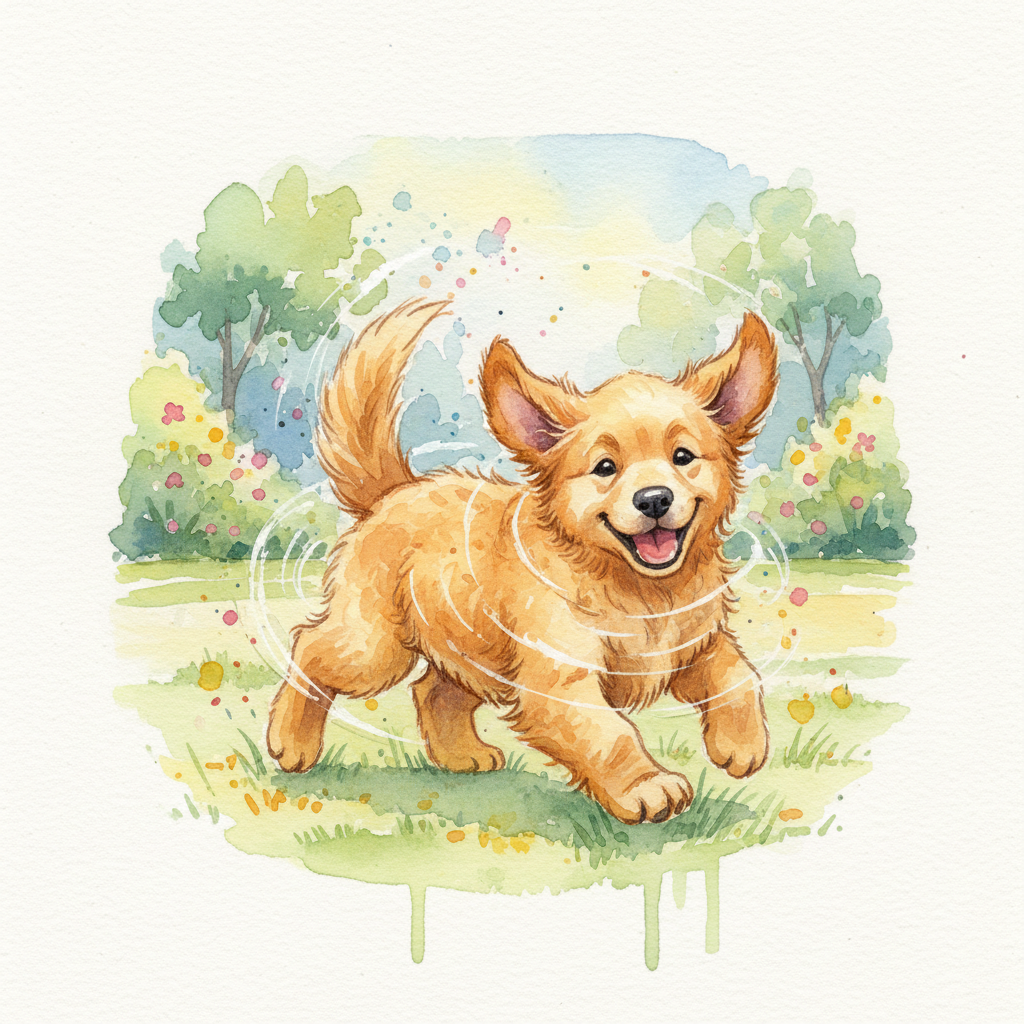
Understanding why do dogs chase their tail involves exploring a spectrum of reasons, ranging from innocent playfulness to more serious underlying issues. There are certainly a few common scenarios where this behavior is likely a perfectly normal and healthy expression of canine curiosity or joy.
For instance, a young puppy often embarks on a delightful journey of self-discovery, becoming keenly aware of their tail and attempting to “investigate” it with their mouth. Their enthusiastic spinning is typically a short-lived, exploratory effort to gather more sensory information about this fascinating, new body part. Similarly, an adult dog might playfully chase their tail when they’re feeling particularly excited, overjoyed, or simply brimming with playful energy.
However, beyond these moments of innocent amusement, there are other instances where a dog chasing their tail could indeed indicate a deeper problem that requires a pet parent’s thoughtful consideration.
1. You’ve Accidentally Reinforced the Behavior
One common reason for persistent tail-chasing is inadvertent reinforcement from us, their loving pet parents. When dogs engage in this behavior, our natural reaction is often to respond with attention—whether through laughter, enthusiastic verbal cues, or even offering a treat. Some well-meaning pet parents might even playfully encourage the behavior by wiggling their dog’s tail to initiate the chase.
This creates a powerful association for the dog: tail-chasing leads to positive outcomes, such as attention or rewards. Consequently, they learn to repeat the behavior more frequently. If this attention then suddenly ceases, the dog might experience frustration, potentially escalating their tail-chasing efforts in an attempt to re-engage their pet parent and regain that coveted interaction or treat.
2. Your Dog Is Profoundly Bored
Every dog possesses a fundamental need for adequate physical activity, mental stimulation, and emotional fulfillment. When these essential needs aren’t met consistently, dogs can experience significant boredom, which they may attempt to alleviate through various coping mechanisms. Tail-chasing is a prime example of a behavior that can emerge from this state of understimulation.
To effectively combat boredom in your cherished companion and address why do dogs chase their tail due to lack of engagement, consider integrating a diverse range of enriching activities into their daily routine:
- Ensure daily, engaging walks that offer opportunities for exploration and sensory stimulation.
- Arrange supervised play dates with other friendly dogs to foster healthy social interaction.
- Provide ample access to enriching “doggy activities” such as exploring new scents, safe digging zones, appropriate chew toys, joyful running, and invigorating swimming.
- Engage in positive reinforcement training sessions, teaching new cues and reinforcing good behaviors, which offers both mental stimulation and strengthens your bond.
- Introduce interactive brain games and problem-solving activities, like food puzzles, to challenge their intellect.
Chronic boredom can also serve as a precursor to anxiety, an additional factor that can contribute to repetitive behaviors like tail-chasing.
3. Your Dog Is Stressed or Anxious
Chronic stress and anxiety are significant underlying contributors to why do dogs chase their tail, particularly if the act provides a perceived sense of relief or helps the dog cope with overwhelming or frightening situations.
Repetitive behaviors, such as tail-chasing, that are directly triggered by environmental conditions are often classified as stereotypic behaviors. These actions typically occur in predictable patterns or rhythms. For example, a dog confined to a kennel without sufficient enrichment might develop a pattern of spinning in tight circles, grabbing their tail, and continuing to spin as a coping mechanism.
This can sadly also manifest in home environments where dogs do not receive the essential social interactions, consistent physical exercise, and crucial mental stimulation they require for their well-being.
4. Your Dog Has a Medical Issue
If your dog suddenly begins chasing their tail with no prior history, or if the frequency and intensity of the behavior sharply increase, it’s vital to consider the possibility of an underlying medical condition or physical discomfort. Common culprits our expert team at Petscarelab advises looking out for include:
- Anal sacculitis, an inflammation or infection of the anal glands.
- Irritation of the rectum.
- Internal or external parasitic infestations, such as worms.
- A flea or tick infestation (fleas, in particular, often congregate at the base of the tail, causing intense itching).
- General pain or discomfort in the tail, hindquarters, or elsewhere.
- Certain types of cancer.
- A developing seizure disorder, where tail-chasing might be a partial seizure manifestation.
5. Your Dog Has Canine Compulsive Disorder
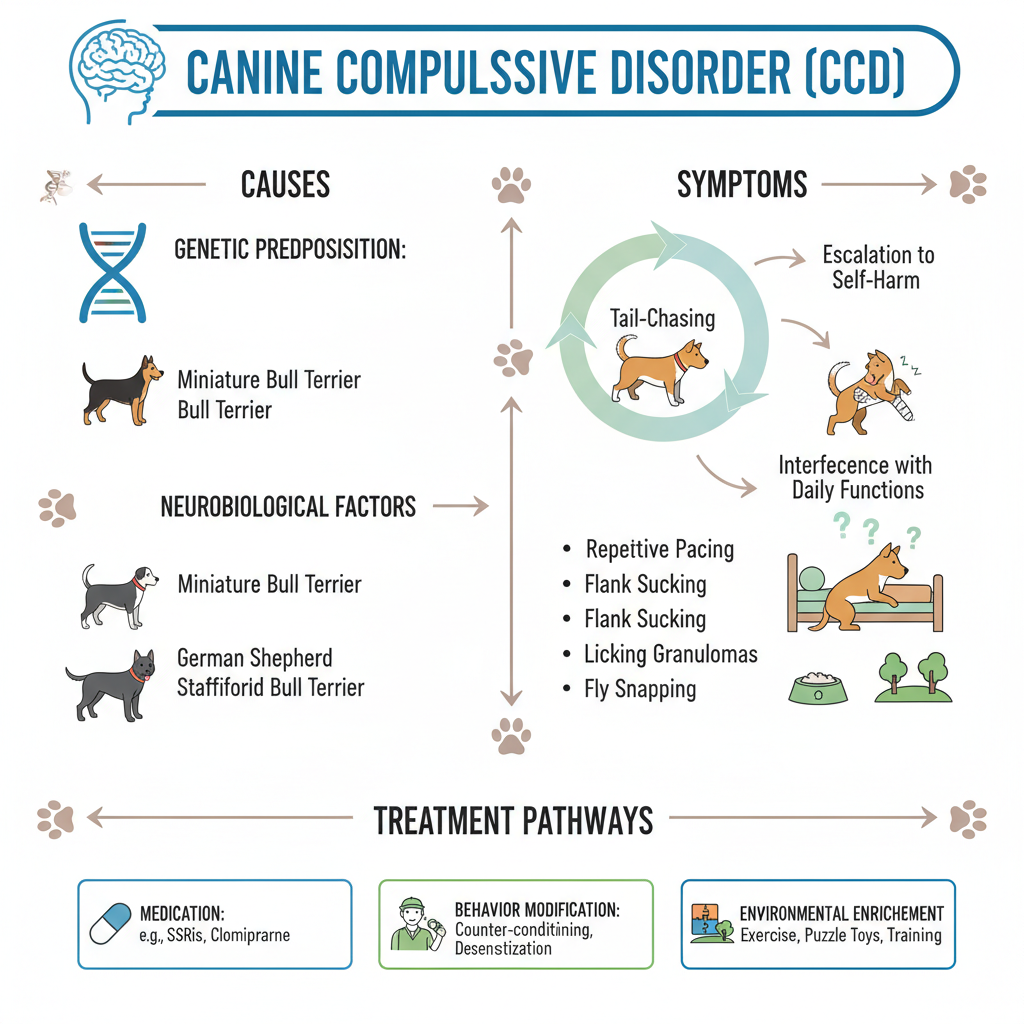
Canine compulsive disorder (CCD) presents with behaviors that closely resemble stereotypic actions but are distinguished by their lack of direct connection to immediate environmental triggers. Dogs afflicted with CCD may be exceedingly difficult to interrupt once they begin chasing their tail, often resuming the behavior almost immediately even after brief redirection.
In its most severe manifestations, a dog with CCD may become so fixated that the tail-chasing interferes with essential life-sustaining activities like eating, drinking, or resting. Furthermore, some dogs may impulsively snap, bite, and chew on their tail to the point of self-injury, creating a serious risk for infection and requiring immediate veterinary attention.
It’s crucial to understand that tail docking (the partial or complete removal of the tail) is not a solution or cure for these complex compulsive behaviors.
Compulsive disorders in dogs are the subject of ongoing scientific study, with growing evidence suggesting a genetic predisposition. These conditions are observed with higher frequency in specific breeds, including:
- Bull Terriers
- Miniature Bull Terriers
- German Shepherds
- Staffordshire Bull Terriers
For dogs diagnosed with canine compulsive disorder, medication designed to help regulate brain chemistry is typically a necessary component for any accompanying behavior modification or environmental enrichment strategies to be truly effective. Always consult with your veterinarian for the most accurate diagnosis and tailored treatment plan.
When Should You See a Vet About Your Dog’s Tail-Chasing?
If your dog’s tail-chasing becomes difficult to interrupt, is excessively frequent, or is accompanied by other concerning symptoms, it warrants immediate professional attention. Please schedule a visit to your veterinarian without delay if any of these additional symptoms are present alongside the tail-chasing:
- Visible evidence of infection, parasites, abnormal masses, or any other apparent health issues.
- Any signs of self-harm or injury to the tail or surrounding areas.
- An inability to eat, drink, rest, or interact normally with family members or other pets.
At Petscarelab, we strongly advise that if you observe any sudden or significant behavioral changes in your dog—of which tail-chasing is just one potential indicator—you promptly contact your trusted veterinarian. They are best equipped to conduct a thorough assessment of your pet, accurately identify any underlying medical causes, and initiate appropriate treatment.
How To Stop a Dog From Chasing Their Tail
While a playful swivel and quick grab can be a normal part of canine fun, if your dog’s tail-chasing has become problematic or persistent, there are effective strategies you can employ to reduce and even stop the behavior, promoting a healthier state of mind for your pet.
Be Mindful of Reinforcement
As discussed, inadvertently reinforcing tail-chasing can lead your dog to use the behavior as a means to command attention. It’s important to recognize that even negative reinforcement, such as yelling or scolding, can sometimes inadvertently reinforce the behavior by providing any form of attention. Therefore, the most effective approach is to avoid encouraging tail-chasing from the outset and to calmly ignore it if it does occur.
If you are teaching “spin” as a trick, ensure you complete the training by clearly establishing a specific verbal cue to both initiate and cease the action. Whenever your dog spontaneously begins to chase their tail, always pause to assess the potential underlying reasons before simply dismissing it as humorous.
Replace the Behavior
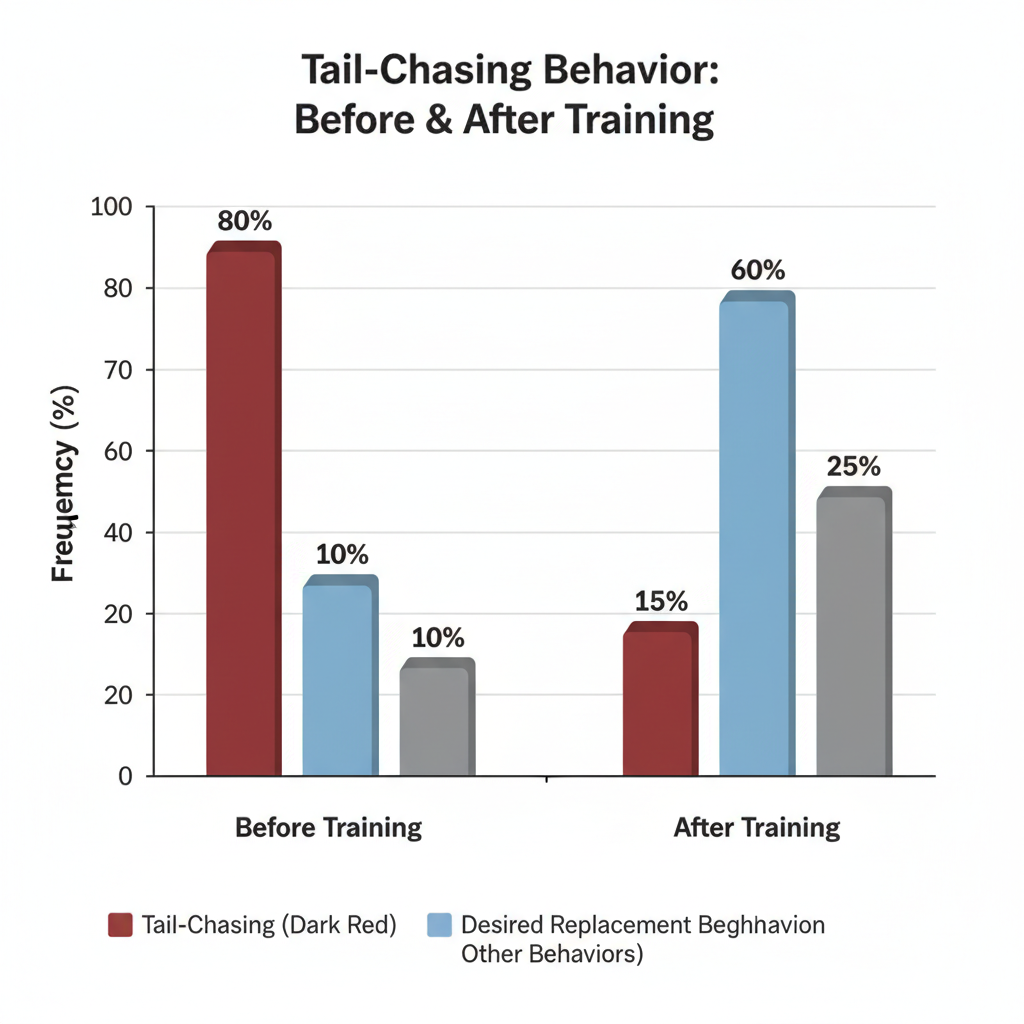
If your dog is chasing their tail out of a desire for attention or due to boredom, a highly effective strategy is to train and reinforce a desirable replacement behavior.
For example, teach your dog to retrieve a specific toy and then sit, or to sit and gently lift a paw whenever they seek your attention. Once these new, appropriate behaviors are firmly established and consistently reinforced with positive rewards, you should observe a significant reduction in the tail-chasing.
Ensure Abundant Enrichment
For dogs grappling with boredom, providing ample and appropriate enrichment is the fundamental starting point to alleviate why do dogs chase their tail.
Make it a priority to give your dog plenty of meaningful, dedicated attention. Ensure your canine companion receives sufficient physical exercise, has opportunities for healthy socialization if they enjoy it, and has consistent access to engaging interactive toys and stimulating puzzle feeders. Additionally, dedicate time to playing training games that challenge their minds and strengthen your bond.
Consult a Professional
If the persistent spinning continues despite your best efforts at home, it’s a clear sign to enlist the expertise of a qualified professional. Consider reaching out to specialists such as a certified professional dog trainer, a certified applied animal behaviorist, a veterinarian, or a veterinary behaviorist. These experts can provide tailored guidance and intervention strategies to help your dog.