

Bringing Out the Best in Your White Dogs: A Guide for Pet Parents
White dogs are truly special, isn't that right? Their stunning coats and often playful personalities can really light up a room. But beyond their beautiful looks, these pups have some unique needs when it comes to their health, care, and even their genetics. If you're a proud parent to a snowy-coated friend, or you're thinking of adopting one, here’s what you need to know.
Popular White Dog Breeds
While many dogs can sport a white coat, for some breeds, it’s their signature look. Here are some of our favorites:
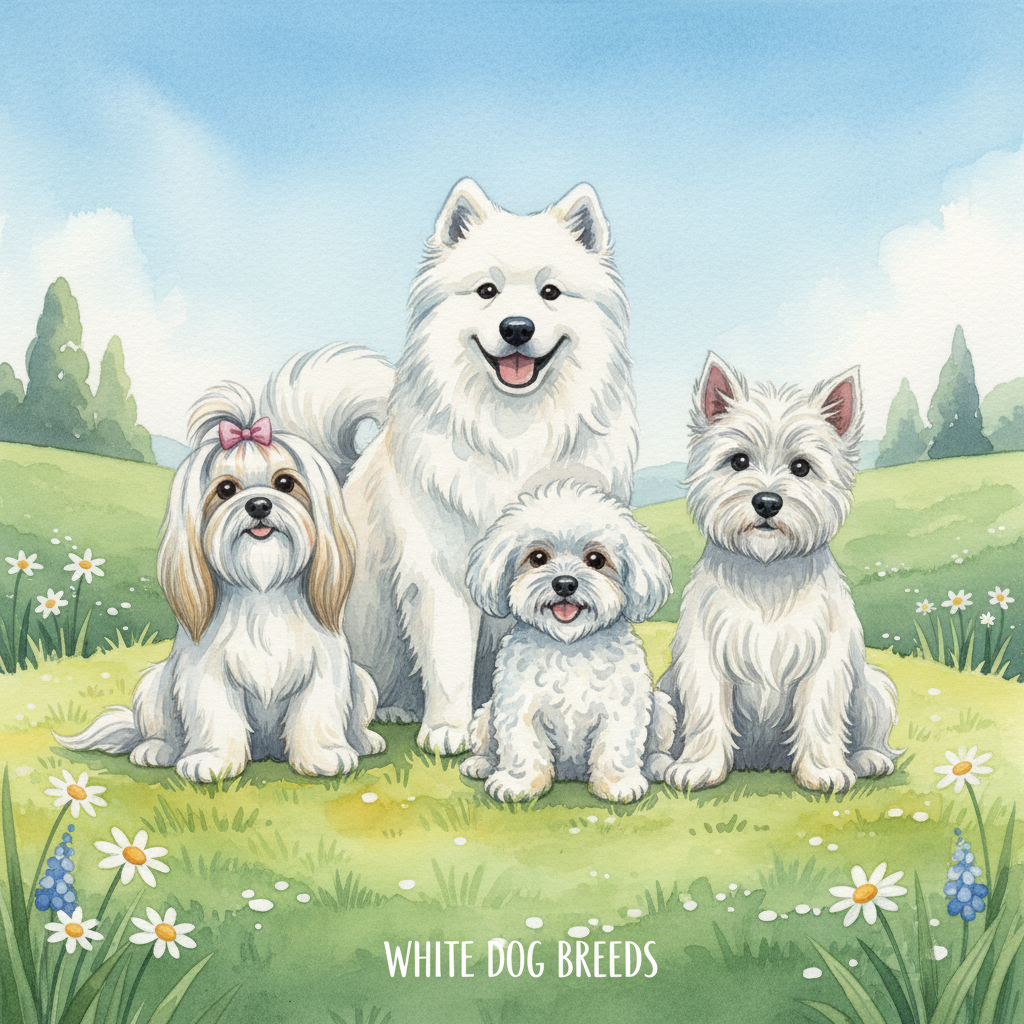
Samoyed
With their famous "Sammy smile" and incredibly thick, pure white double coats, Samoyeds are graceful, strong, and smart dogs. People originally bred these beauties to herd reindeer and pull sleds in Siberia, so they're tough! Their coats demand regular grooming to keep them from getting matted.
Bichon Frise
These small, cheerful dogs are known for their fluffy, white powder-puff coats. Bichons are playful and super affectionate, making them wonderful companions. Since they don't shed much, their coats need professional grooming to keep their distinctive look.
Maltese
Elegant and gentle, the Maltese is a tiny breed instantly recognizable by its long, silky white coat. Don't let their refined appearance fool you; they're hardy and adaptable little dogs. Daily brushing is a must to prevent tangles and keep their coat looking its best.
West Highland White Terrier
Lovingly called “Westies,” these spirited Scottish terriers have a tough white outer coat and a soft undercoat. They're smart, confident, and make fantastic family pets. Their coats need regular stripping or clipping to keep their unique texture and look.
Great Pyrenees
Majestic and gentle giants, Great Pyrenees dogs are famous for their calm nature and thick, weather-resistant white coats. Originally bred to guard livestock, they’re incredibly devoted protectors. You'll need to brush their coats regularly to control shedding and prevent mats.
Poodle (White)
Poodles come in tons of colors, but white is a classic and really popular choice. Whether you have a Standard, Miniature, or Toy Poodle, they can all have dazzling white coats. They're super smart, active, and require professional grooming to maintain their signature curly fur.
Bull Terrier (White)
White Bull Terriers stand out with their muscular build, egg-shaped head, and short, dense white coat. They're playful, affectionate, and can be quite energetic. Their coats are pretty low-maintenance, usually just needing an occasional brush.
Common Health Concerns for White Dogs
While a white coat is gorgeous, it can sometimes come with certain genetic quirks and health issues. Here are some common things our team at Petscarelab wants you to know about:
Deafness
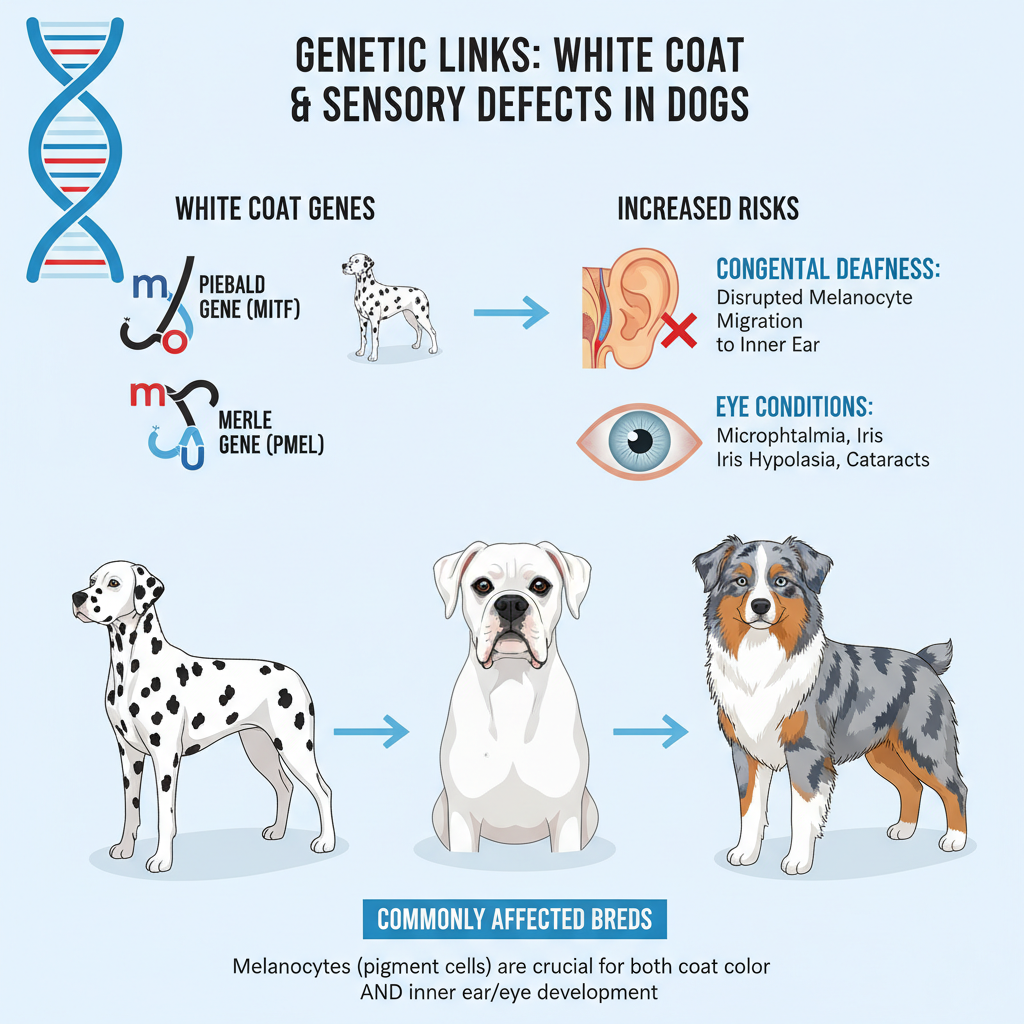
The same genes that give dogs their beautiful white coats, especially the merle and piebald genes, have been linked to a higher risk of congenital deafness (being born deaf). Breeds like Dalmatians, white Boxers, and certain types of white English Setters are more prone to this condition.
If you have a white dog, it's smart to have your veterinarian check their hearing, especially if you notice them not responding to sounds or getting easily startled. Catching it early can help you adapt their training and daily care.
Skin Conditions
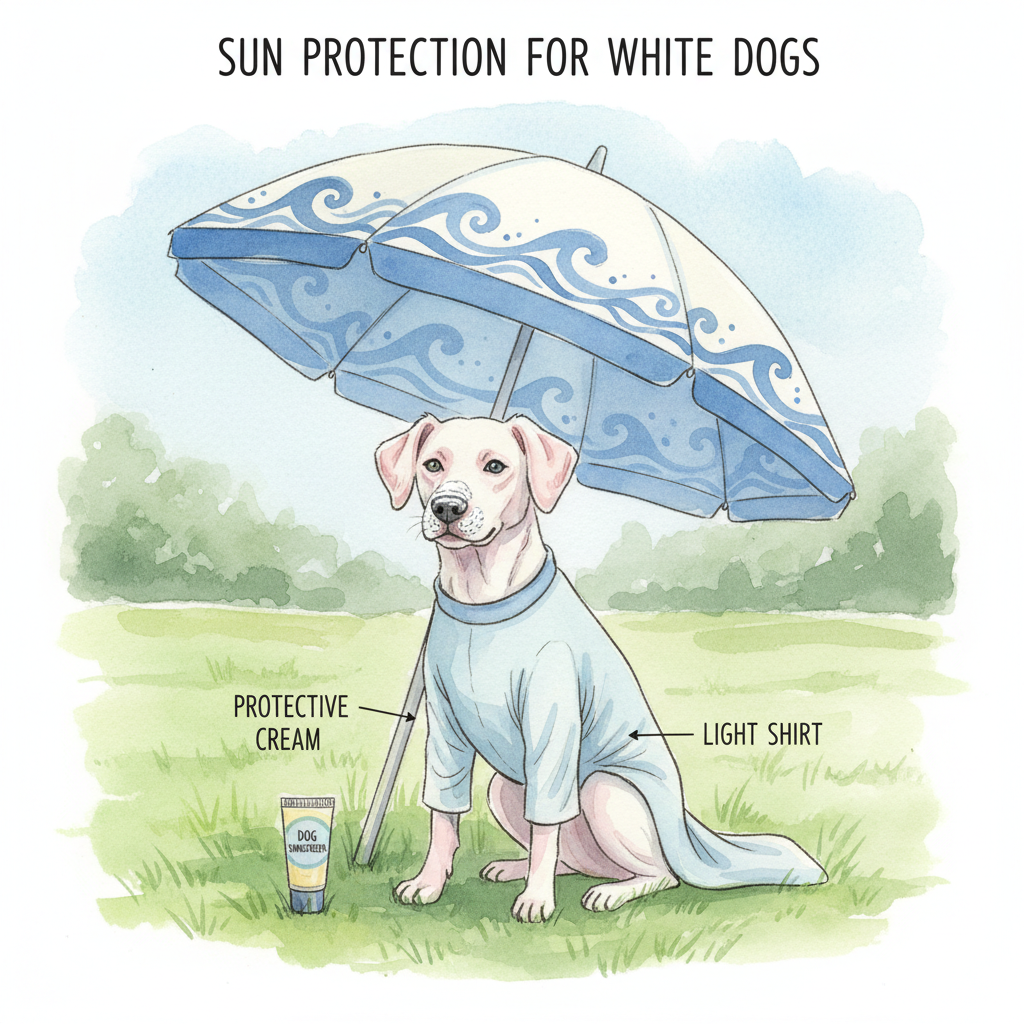
White dogs, particularly those with pink skin under their white fur, can get sunburned easily. Just like us, dogs can suffer from sunburn, which might lead to skin damage, pain, and even an increased risk of skin cancer over time. This is especially true for dogs with short or thin coats.
To protect your white dog, try to limit their sun exposure during the hottest parts of the day. Apply dog-specific sunscreen to exposed spots like their ears and nose. For pups who love being outdoors, consider sun-protective clothing.
Allergies might also show up more clearly on white dogs because their lighter skin pigmentation can make redness or irritation stand out more. Regular skin checks are important for these dogs to spot any issues early.
Eye Conditions
Some white dog breeds, especially those with blue eyes (which are often connected to the merle gene), might be more likely to develop certain eye conditions. These can include:
- Microphthalmia: A condition where the eyes are unusually small.
- Collie Eye Anomaly: A genetic issue affecting the retina and choroid, which can sometimes lead to vision problems.
- Iris Hypoplasia: When the iris (the colored part of the eye) doesn't develop fully.
Not every white dog will develop these problems, but it’s good to be aware of the increased risk. Regular veterinary check-ups and quick attention to any changes in your dog’s eyes are crucial.
Caring for a White Dog
Caring for a white dog means paying attention to their unique coat and any potential health quirks. Here’s what our research suggests you should do:
Grooming
Keeping a white dog’s pristine coat shiny takes consistent effort.
- Bathing: You’ll probably need to bathe your white dog more often to keep their coat bright and prevent staining. Use a whitening shampoo made for white coats; it helps remove any yellowing and brightens their fur.
- Brushing: Brushing is a must for all white dogs, especially those with long or dense coats, to prevent mats and tangles. It also helps spread natural oils, keeping their skin and coat healthy. For breeds like the Samoyed or Great Pyrenees, daily brushing can also help manage shedding.
- Stain Management: Tears, slobber, and even pee can really show up on white fur. Use tear stain removers for the eye areas and wipe other susceptible spots regularly to minimize discoloration. Keeping the fur around their mouth and eyes trimmed can also help.
Diet and Nutrition
A balanced diet is crucial for your white dog’s overall health, including their skin and coat.
- High-Quality Food: Feed a premium dog food that gives them all the good stuff they need, like essential nutrients, fatty acids (omega-3 and omega-6), and vitamins. These support healthy skin and promote a shiny coat.
- Hydration: Always make sure your dog has access to fresh, clean water. Good hydration is vital for skin elasticity and overall health.
- Supplements (if needed): Sometimes, your vet might suggest supplements like fish oil or specific skin and coat boosters if your dog has ongoing skin issues or a dull coat. Before adding anything new, always chat with your vet.
Regular Veterinary Care
Because white dogs can be more prone to certain health conditions, routine vet visits are even more important.
- Routine Check-ups: Plan yearly check-ups to monitor their overall health, including their skin, eyes, and hearing.
- Early Detection: Keep a close eye out for any changes in their behavior, skin, or eyes. Report any concerns to your vet right away.
- Sun Protection: Talk about sun protection with your vet, especially if your dog spends a lot of time outdoors. They can recommend appropriate sunscreens or protective gear.
Training and Socialization
Training and socialization are essential for all dogs, and white dogs are no exception.
- Deaf Dogs: If your white dog is deaf, you’ll need to adjust how you train them, using hand signals and visual cues. Look for specialized training classes or talk to a trainer who knows how to work with deaf dogs.
- Socialization: Get your white pup out and about early on. Expose them to different sights, sounds, people, and other dogs so they grow into a well-adjusted and confident companion.
White dogs are fantastic companions, and with the right care, attention to their unique needs, and regular veterinary oversight, they can live long, happy, and healthy lives right by your side.
What makes a dog white?
A dog’s white coat usually comes from genetic factors that stop pigment from being produced or spread throughout their fur. This can happen because of:
- Extreme Piebaldism: A gene (often the MITF gene) that causes large patches of white, sometimes covering the entire dog.
- Dominant White Gene: Some breeds have a dominant white gene that hides all other color genes.
- Albinism: This is a rare genetic condition where there’s a complete lack of melanin production. Albino dogs have pink skin and often blue or pink eyes; they’re not just dogs with white coats.
- Merle Gene (in some cases): While it mainly causes mottled patterns, the merle gene, especially in a "double merle" combination, can lead to a mostly white coat. This often comes with health issues like deafness and blindness.
Are white dogs more likely to be deaf?
Yes, white dogs can be more prone to being born deaf. The same genetic factors linked to their white coat color, particularly the piebald gene and the double merle gene, affect the development of the inner ear. Breeds like Dalmatians, white Boxers, and Australian Shepherds (especially double merles) are more commonly affected.
Do white dogs need special sunscreen?
Yes, white dogs, especially those with short or thin fur and pink skin, can get sunburned easily. You should apply sunscreen to exposed areas like their nose, ear tips, and belly. It’s super important to use dog-specific sunscreen because human sunscreens can contain ingredients (like zinc oxide or para-aminobenzoic acid/PABA) that are toxic if your dog licks them off.
Are white dogs more prone to allergies?
No, white dogs aren't naturally more prone to allergies than other dogs. However, their lighter skin can make allergic reactions, like redness, rashes, or irritation, much easier to spot. So, if a white dog does develop allergies, you might notice the symptoms on their skin sooner.
Are white dogs usually good-tempered?
A dog's temperament comes down to their breed, personality, training, and how they've been socialized – not their fur color. There’s no scientific proof that white dogs, as a group, have a universally "good" or "bad" temperament. You’ll find all sorts of personalities among different white dog breeds, just like you would with dogs of any other color. For example, Samoyeds are known for being friendly, while Westies can be quite feisty.