Von Willebrand Disease in Dogs: What Every Pet Parent Needs to Know
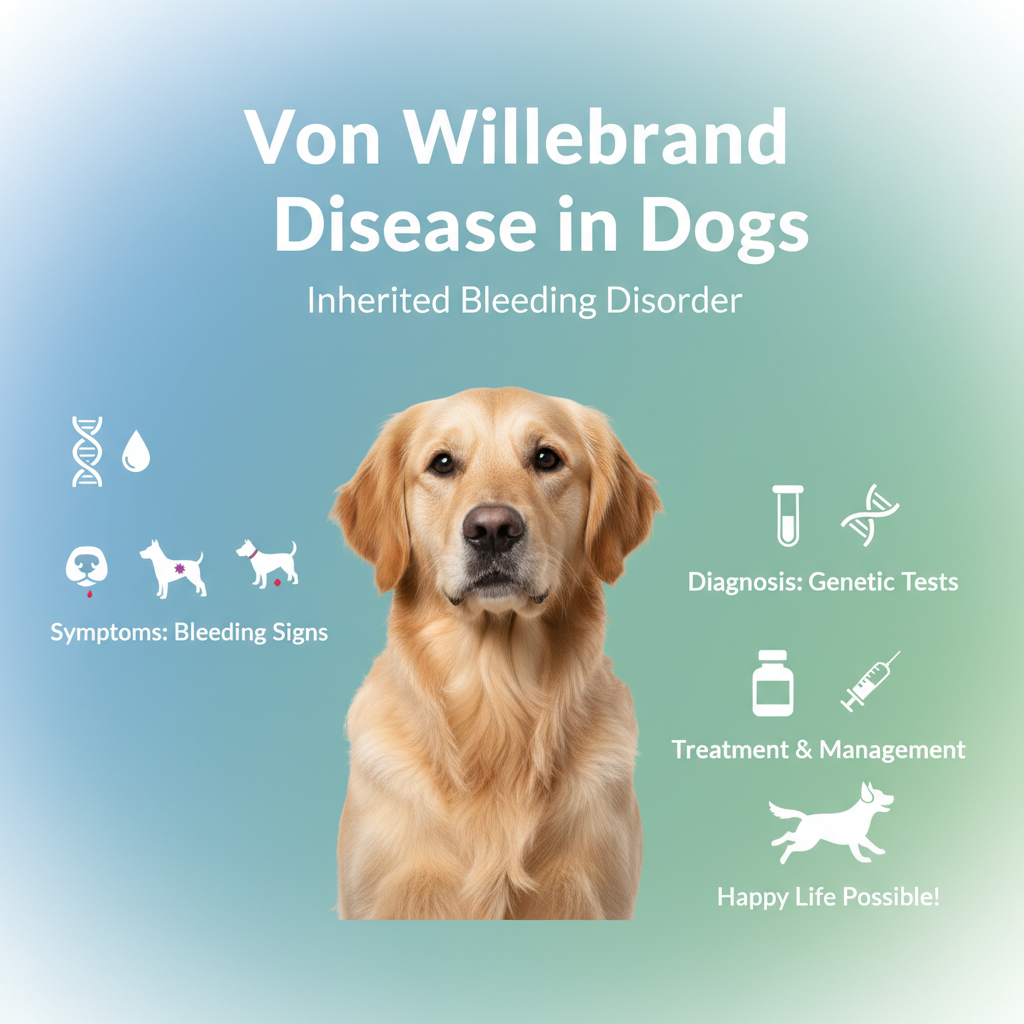
When your furry friend experiences unusual bleeding, it's natural to feel worried. One common reason behind such concerns is Von Willebrand Disease in dogs (vWD), the most frequent inherited bleeding disorder our pups can face. Dogs with vWD either don't make enough of a special protein called von Willebrand factor (vWF), or the vWF they do make doesn't work right. This protein is crucial for blood to clot normally, so when it's missing or faulty, bleeding problems can occur.
Types of Von Willebrand Disease Your Dog Might Have
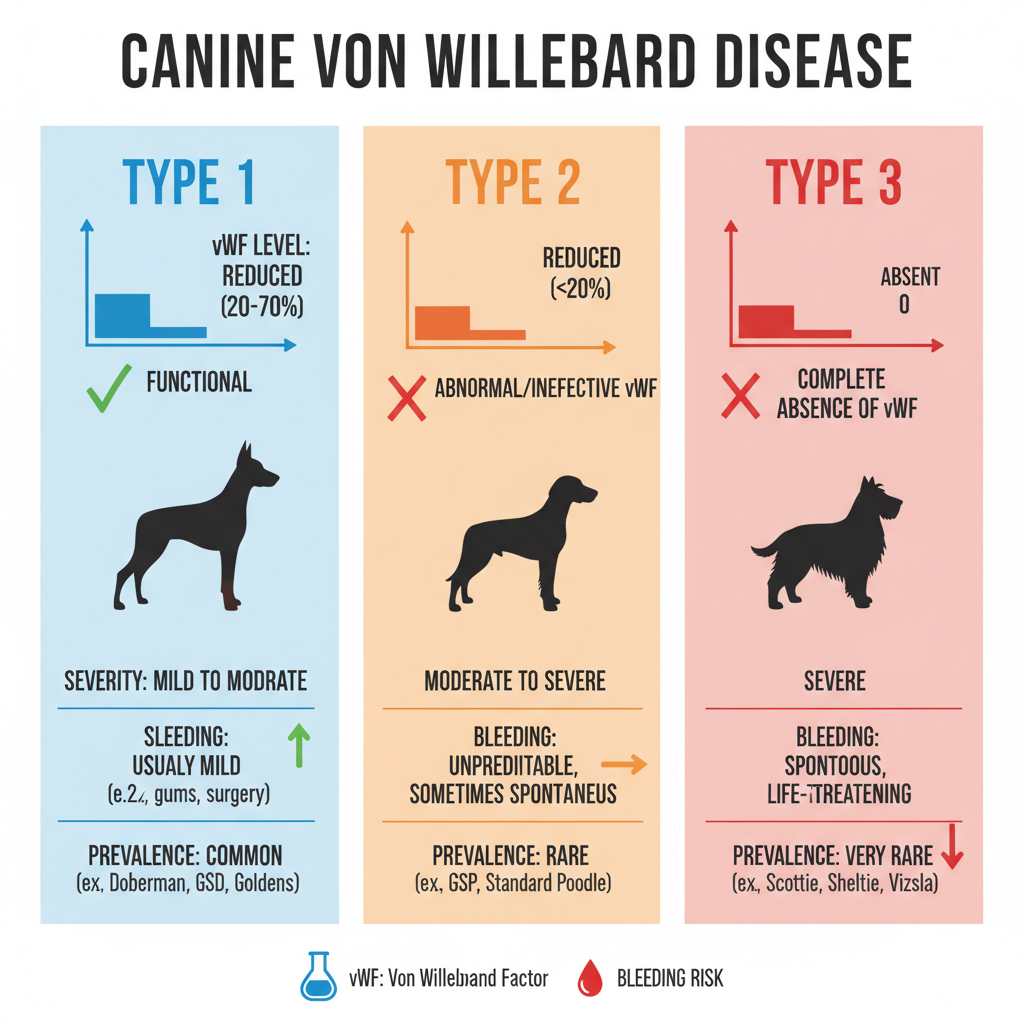
Veterinary specialists categorize von Willebrand disease into three main types, based on how much vWF is present in your dog's blood.
- Type 1 vWD: This is the most common and generally milder form. Dogs with Type 1 vWD have less vWF than they should, but what they have usually works fine.
- Type 2 vWD: This type is rare but much more severe. Pups with Type 2 vWD have a reduced amount of vWF, and what's there isn't normal or effective.
- Type 3 vWD: The most severe and also rare form, Type 3 vWD means a complete absence of vWF in your dog's system.
What Causes Von Willebrand Disease in Dogs?
Von Willebrand disease is something puppies inherit from their parents. It's an autosomal recessive trait, meaning a puppy needs to get the faulty gene from both parents to develop the disease. A dog can also be a "carrier" – they have the gene but don't show symptoms themselves, yet they can still pass it on to their offspring.
While any dog can potentially have vWD, some breeds are more likely to get it. Our research shows these breeds often carry the gene:
- Doberman Pinschers
- Shetland Sheepdogs
- German Shorthaired Pointers
- Golden Retrievers
- Poodles
- Pembroke Welsh Corgis
Spotting the Signs: Symptoms of Von Willebrand Disease
Dogs with von Willebrand disease can show a range of bleeding symptoms, from minor to life-threatening. Keep an eye out for these common signs:
- Bleeding excessively after even minor surgery or an injury
- Frequent nosebleeds
- Gums that bleed easily
- Blood in their pee or poop
- Mysterious bruises
- Unusually long or heavy bleeding during heat cycles
- Signs of anemia, like pale gums or lethargy
Often, pet parents first notice something is wrong after a routine procedure like a spay or neuter, or if their pup gets a small cut that just won't stop bleeding. Some dogs with very mild vWD might never show any symptoms at all, making it a silent threat.
How Veterinary Specialists Diagnose Von Willebrand Disease
If your veterinarian suspects your dog might have vWD, they'll likely run a few tests to get a clear picture. These tests help confirm the diagnosis:
- Buccal Mucosal Bleeding Time (BMBT): The vet makes a tiny, shallow cut inside your dog's lip and measures how long it takes for the bleeding to stop. Pups with vWD will bleed for a noticeably longer time.
- Von Willebrand Factor Antigen (vWF:Ag) Test: This blood test directly measures the amount of vWF in your dog's blood. If your dog has vWD, these levels will be low or absent.
- Genetic Testing: This is the most precise way to find the specific gene mutation responsible for vWD. It's especially common for breeds known to be susceptible, like Doberman Pinschers, and can even identify carriers who don't show symptoms.
Genetic testing is truly the gold standard for diagnosis and for understanding a dog's genetic status.

Treating Von Willebrand Disease in Dogs
While there's no magic cure for von Willebrand disease, our team at Petscarelab knows there are effective ways to manage symptoms and keep your dog comfortable. The most common immediate treatment for severe bleeding episodes is a blood transfusion. This gives your dog the vWF they desperately need to clot their blood effectively.
Other treatments that can help include:
- Desmopressin: This synthetic hormone can boost the amount of vWF in the blood, especially for dogs with Type 1 vWD.
- Antifibrinolytic Drugs: These medications help prevent existing blood clots from breaking down too quickly.
- Supportive Care: Depending on the situation, your dog might need IV fluids, oxygen, or pain medication to help them through a bleeding crisis.
Living with Von Willebrand Disease: Management and Recovery
Many dogs with von Willebrand disease can live full, happy lives with the right care and attention. The key is to manage their condition proactively. This means avoiding situations that could cause bleeding, like overly rough play or certain medications (aspirin, for example, can thin blood).
It's also essential to be vigilant. Always watch your dog for any signs of bleeding and don't hesitate to contact your vet immediately if you notice anything unusual.
If your dog has vWD, sit down with your veterinarian. They can help you create a personalized management plan, making sure your beloved companion gets the best possible care.
Frequently Asked Questions About Von Willebrand Disease
Which dog breeds are most susceptible to von Willebrand disease?
Doberman Pinschers are highly susceptible, with up to 70% potentially being carriers or affected. Other breeds often include Shetland Sheepdogs, German Shorthaired Pointers, Golden Retrievers, Poodles, and Pembroke Welsh Corgis.
How long can a dog live with von Willebrand disease?
A dog's life expectancy with von Willebrand disease really depends on how severe their condition is and how well it's managed. With consistent care and a good management plan, dogs with mild to moderate vWD can absolutely live a normal lifespan.
Can von Willebrand disease be cured?
Unfortunately, since it's a genetic disorder, there's no cure for von Willebrand disease. Our treatment focuses entirely on managing bleeding episodes and preventing any serious complications.
Is von Willebrand disease painful for dogs?
The disease itself doesn't cause pain. However, the bleeding episodes certainly can. Internal bleeding or bleeding into joints causes discomfort and pain. If your dog experiences chronic blood loss, the resulting anemia can also make them feel weak and lethargic.
Are there preventative measures to avoid von Willebrand disease in dogs?
The only true way to prevent von Willebrand disease is through careful and responsible breeding practices. Genetic testing can pinpoint affected dogs and carriers. This allows breeders to make informed choices and avoid passing the gene on to future generations. If you're thinking about breeding your dog, always talk to your veterinarian about genetic testing for vWD.