Why Do Dogs Stretch When They Greet You?
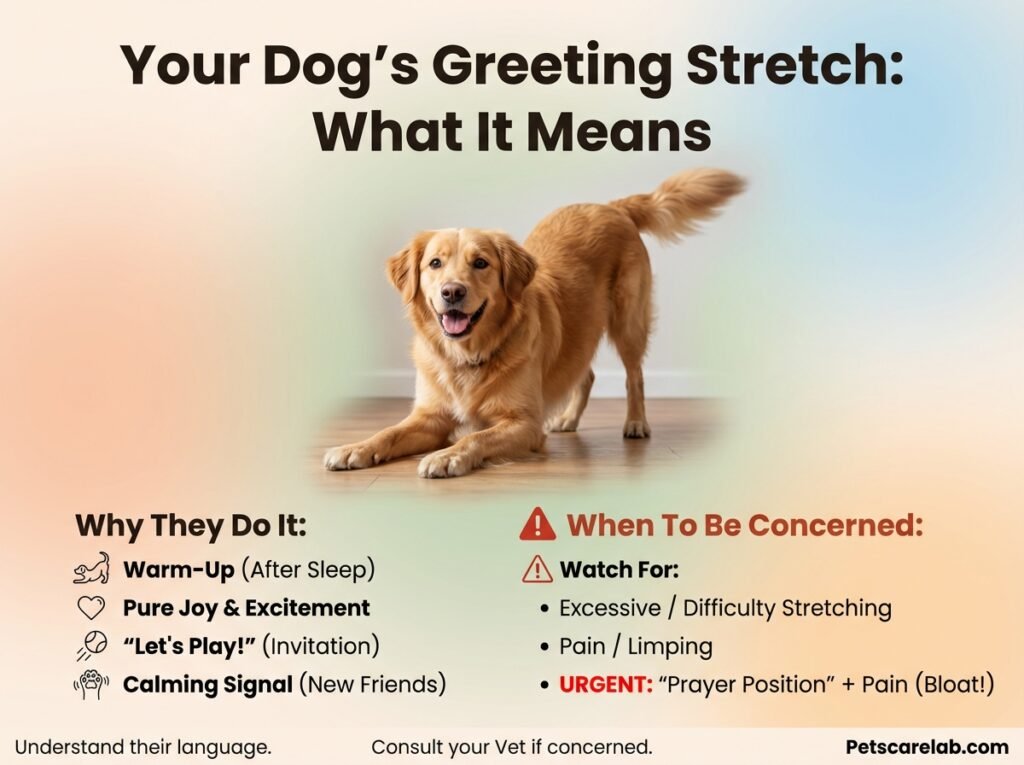
That adorable dog greeting stretch – the one where your pup bows their front paws, lowers their chest, and wiggles their behind – is more than just cute. Every dog parent knows that sweet, downward-facing-dog pose, especially after a nap. But when your furry friend uses it to say "hello" to you or another dog, it's a special little ritual. So, why do dogs stretch when they greet you? Here’s what our team at Petscarelab advises about this common behavior.
What Does It Mean When Your Dog Stretches When Greeting You?
It’s easy to think a dog stretching when they greet you is purely a sign of affection, but the truth is, pups stretch for all sorts of reasons. Often, it depends on what’s happening around them. Here are some common reasons why your dog gives you that special greeting stretch.
To Warm Up Their Muscles
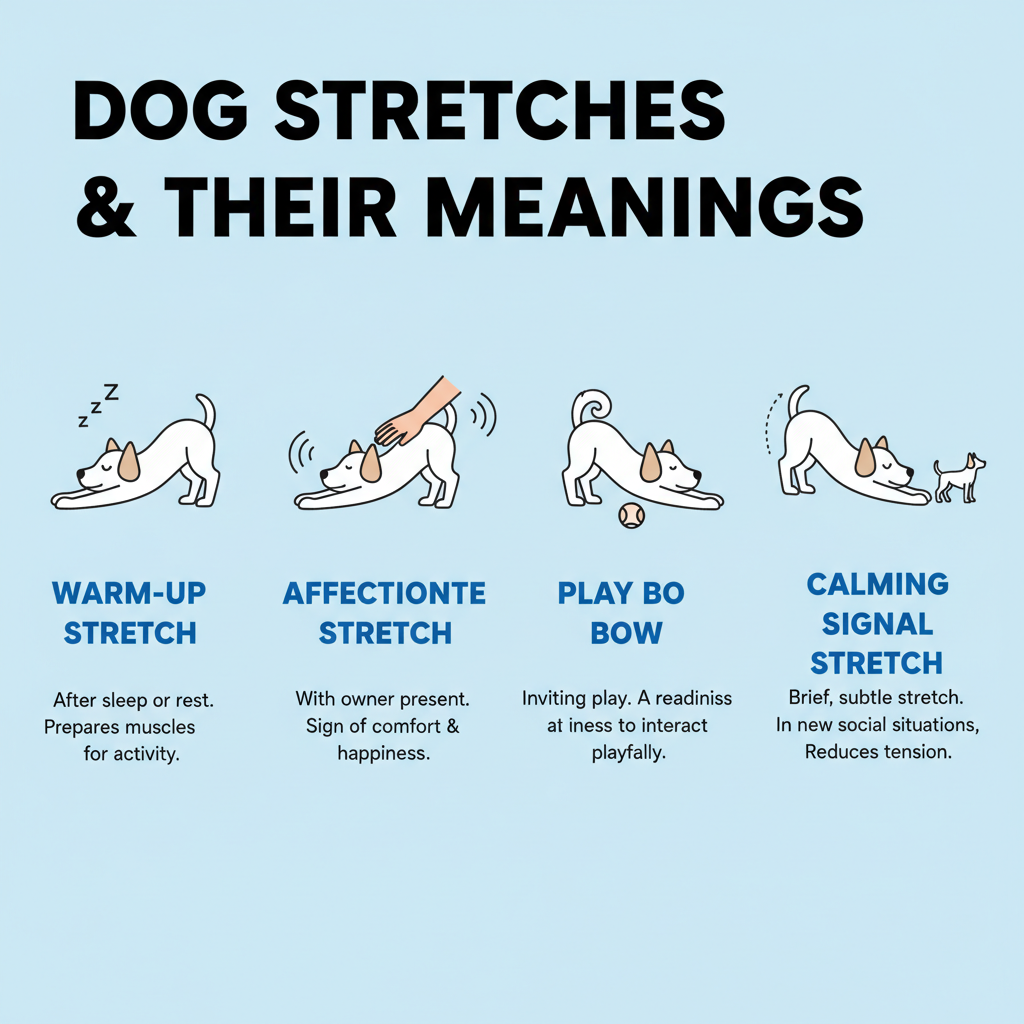
Dogs, just like us, need to get their muscles moving after they've been still for a bit. If your dog stretches when they greet you after waking up from a cozy nap or just lounging around, they're probably simply getting their blood flowing and shaking off the stiffness, ready for some action.
To Show Affection and Excitement
While it’s not always the sole reason, a good stretch can definitely be part of a bigger display of pure joy and excitement. When your dog stretches, their tail wags like crazy, and their whole body seems relaxed and happy, that’s a pretty clear sign they’re thrilled to see you.
To Communicate Playfulness
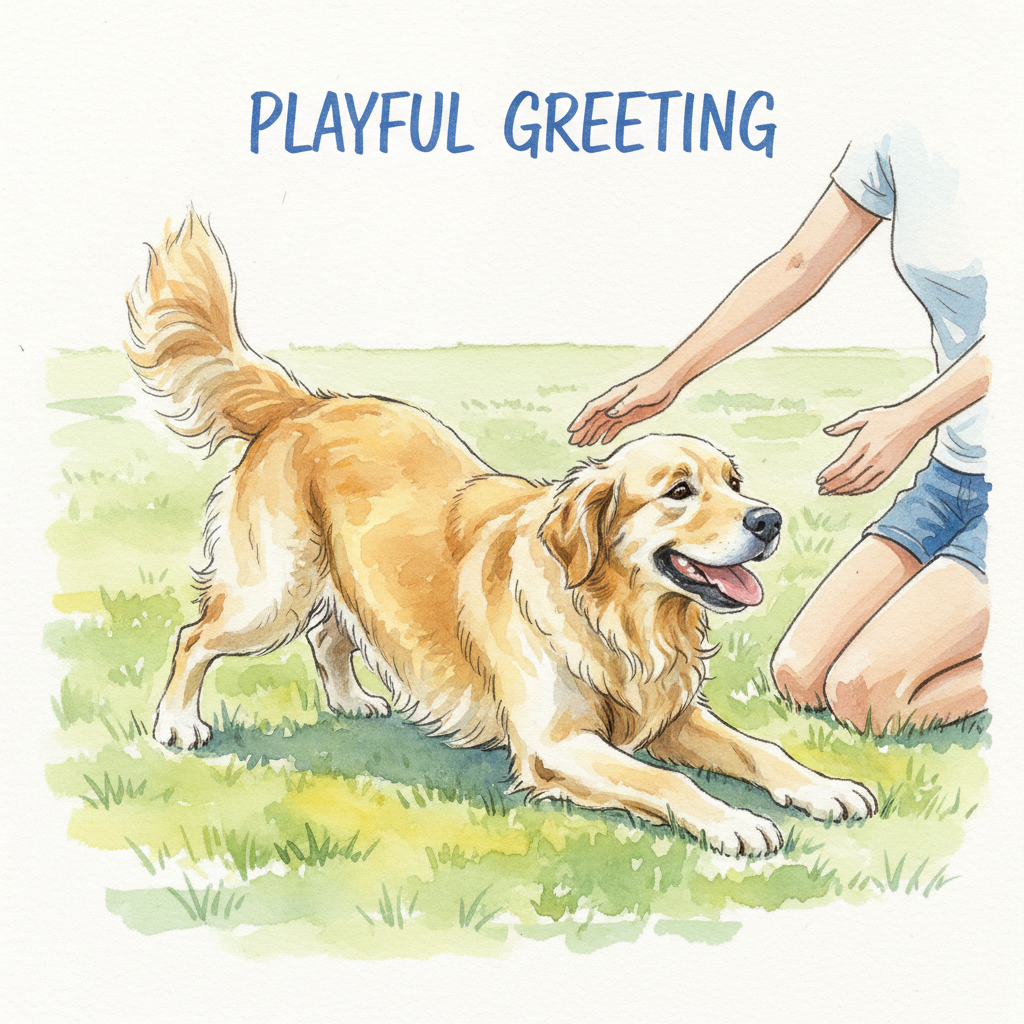
This particular stretch often gets called a "play bow," and it’s a classic move for dogs to invite other dogs – or even humans – to play. When a dog does a play bow, they drop their front end to the ground, keeping their rear end high in the air. This posture usually comes with a furiously wagging tail and an eager look, making it obvious they're ready for some fun.
To De-escalate a Tense Situation
Sometimes, a stretch can act as a calming signal. This is especially true if your dog feels a little nervous or unsure in a new or potentially stressful situation. For instance, if your pup meets a new dog, they might perform a quick, subtle stretch. It’s their way of saying, "Hey, I’m not a threat; let’s be friends." This kind of stretch is usually brief and less relaxed than one they'd do with you.
Is It Good for Your Dog to Stretch When Greeting You?
Generally, seeing your dog stretch is perfectly normal and healthy. Stretching helps improve flexibility, blood circulation, and contributes to their overall physical well-being. However, if your dog stretches constantly, struggles to get into position, or shows any signs of pain while stretching, it’s a good idea to consult with your veterinary specialist. This could signal an underlying health issue, like arthritis, a muscle strain, or other problems with their bones and joints.
Always pay attention to the situation and your dog’s other body language. If the stretching comes with other signs of stress or fear (like a tucked tail, flattened ears, or lip licking), it might mean your dog feels uncomfortable, not playful or affectionate.
Should You Stretch With Your Dog?
You certainly don't *have* to stretch with your dog, but it can be a fun way to interact and build a stronger bond. Many dogs actually enjoy gentle stretching and massage, especially if they're super active or getting a bit older. You can try gently massaging their muscles or carefully helping them with passive stretches, like slowly extending their legs. Just remember to only do this if they're comfortable and willing. Always be mindful of your dog's comfort level, and never force a stretch. If your dog shows any signs of discomfort or resistance, stop immediately.
When Should You Be Concerned About Your Dog Stretching?
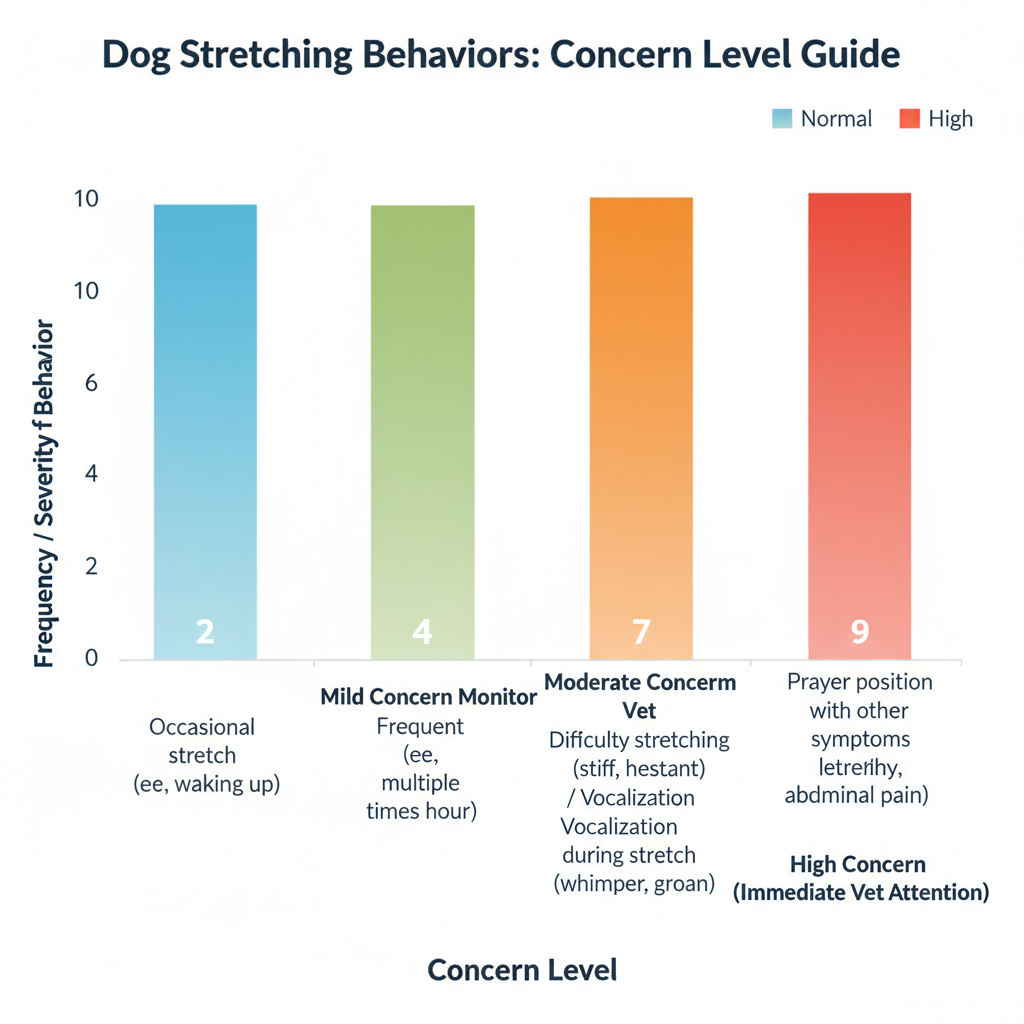
While stretching is a normal and healthy behavior for dogs, some situations might point to an underlying issue that needs a vet visit. Here are some signs that your dog’s stretching might be cause for concern:
- Excessive Stretching: If your dog seems to be stretching much more often than usual, it could be a sign of discomfort or pain.
- Difficulty Stretching: If your dog struggles to get into a stretching position, or seems stiff and uncoordinated, it might indicate joint pain or muscle issues.
- Limping or Favoring a Limb: If your dog stretches and then limps or puts less weight on a particular leg, it could be a sign of an injury or arthritis.
- Vocalization During Stretching: Does your dog whine, yelp, or growl while stretching? That's a clear cry for help – they're in pain.
- Changes in Behavior: If your dog also shows other signs of discomfort, like lethargy, a poor appetite, or they don’t want to play, it’s important to talk to a vet.
- Stretching Paired With Other Unsettling Behaviors: For instance, if your dog repeatedly does a specific kind of stretch called a "prayer position" (front legs down, rear end up), especially if it’s combined with restlessness, panting, or abdominal pain, it could be a sign of gastrointestinal issues like bloat or pancreatitis. These are serious conditions that require immediate veterinary attention.
Trust your gut. If something about your dog’s stretching seems off or worrisome, it's always best to play it safe and have them checked out by a veterinary specialist. Catching problems early can make a huge difference in your dog's health and happiness.