Keep Your Furry Friends Safe: Understanding Toxic Household Cleaners for Pets
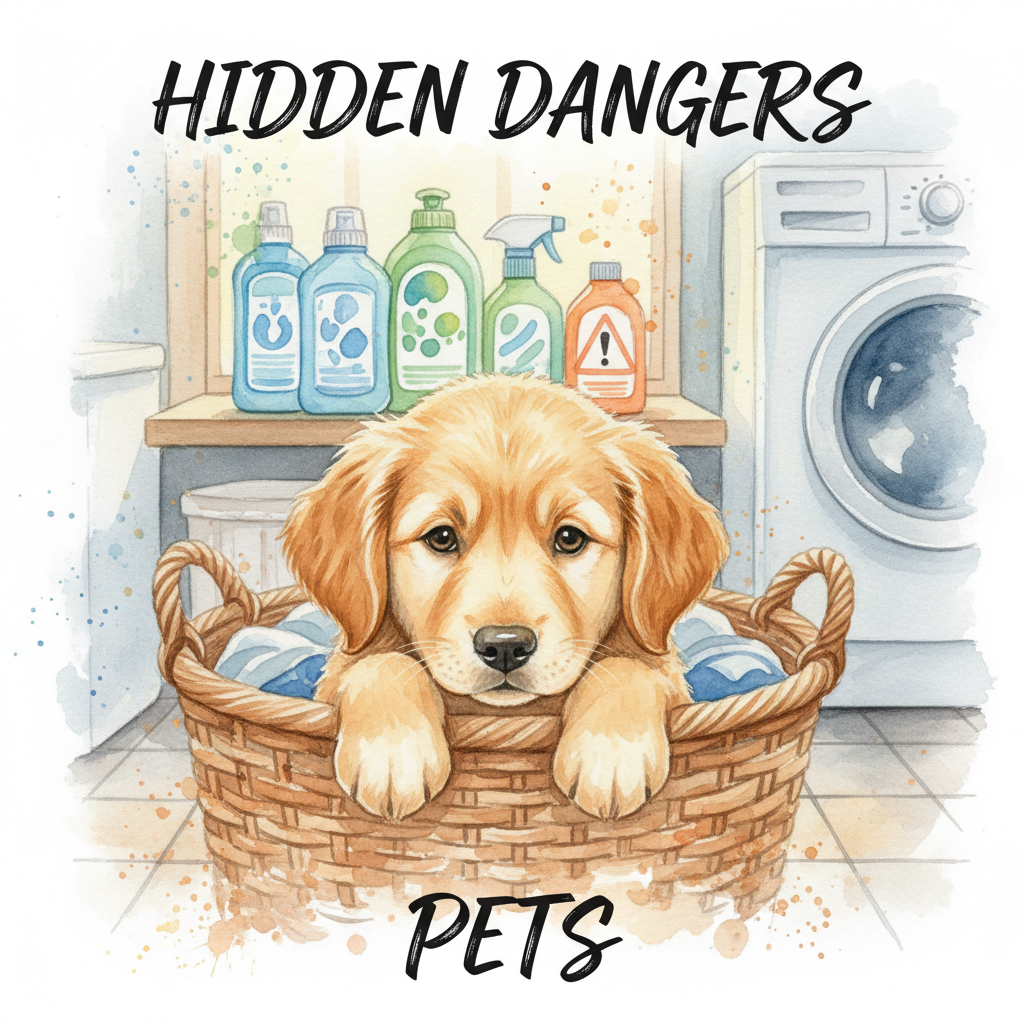
Even the most sparkling home can hide hidden dangers for our beloved companions. Many everyday cleaning products contain harsh chemicals that are toxic household cleaners for pets, posing serious risks if your dog or cat gets into them. Knowing which products to watch out for and what to do if an accident happens can truly save your pet's life. Our team at Petscarelab put together this guide to help you identify common culprits and understand the symptoms to look for if your pet is exposed.
Bleach
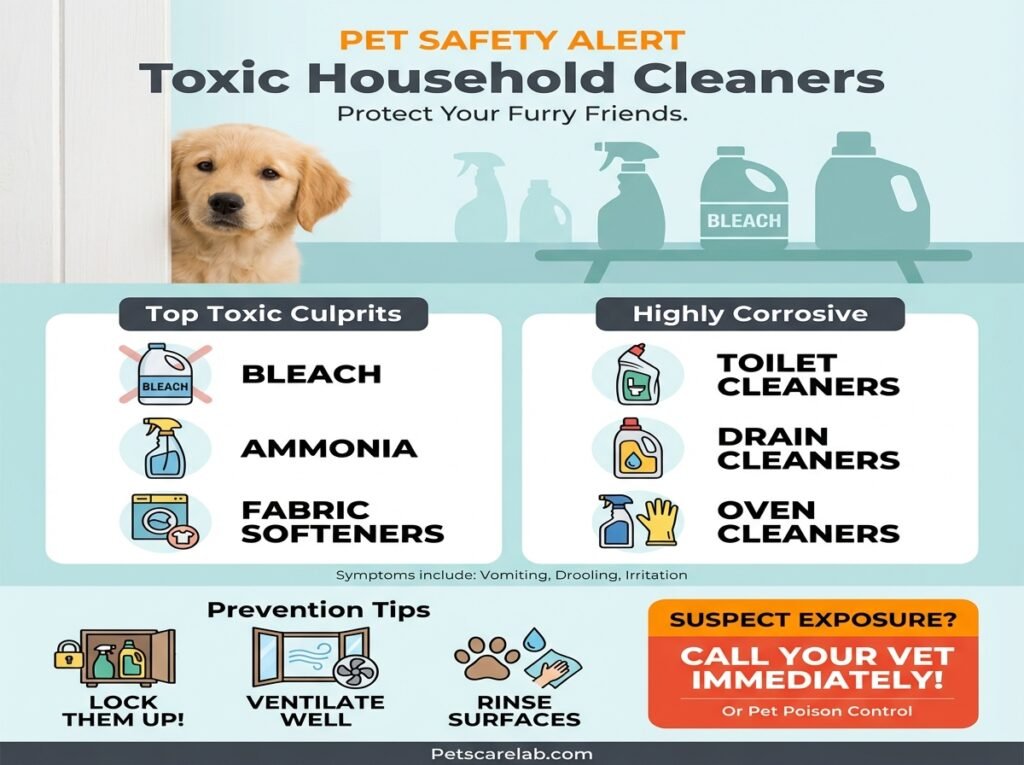
Bleach is a powerful cleaner and disinfectant we often rely on, but it's incredibly dangerous for pets. You’ll find bleach in lots of cleaners, including toilet bowl formulas, dishwasher detergents, general all-purpose sprays, and laundry detergents.
What Bleach Poisoning Looks Like
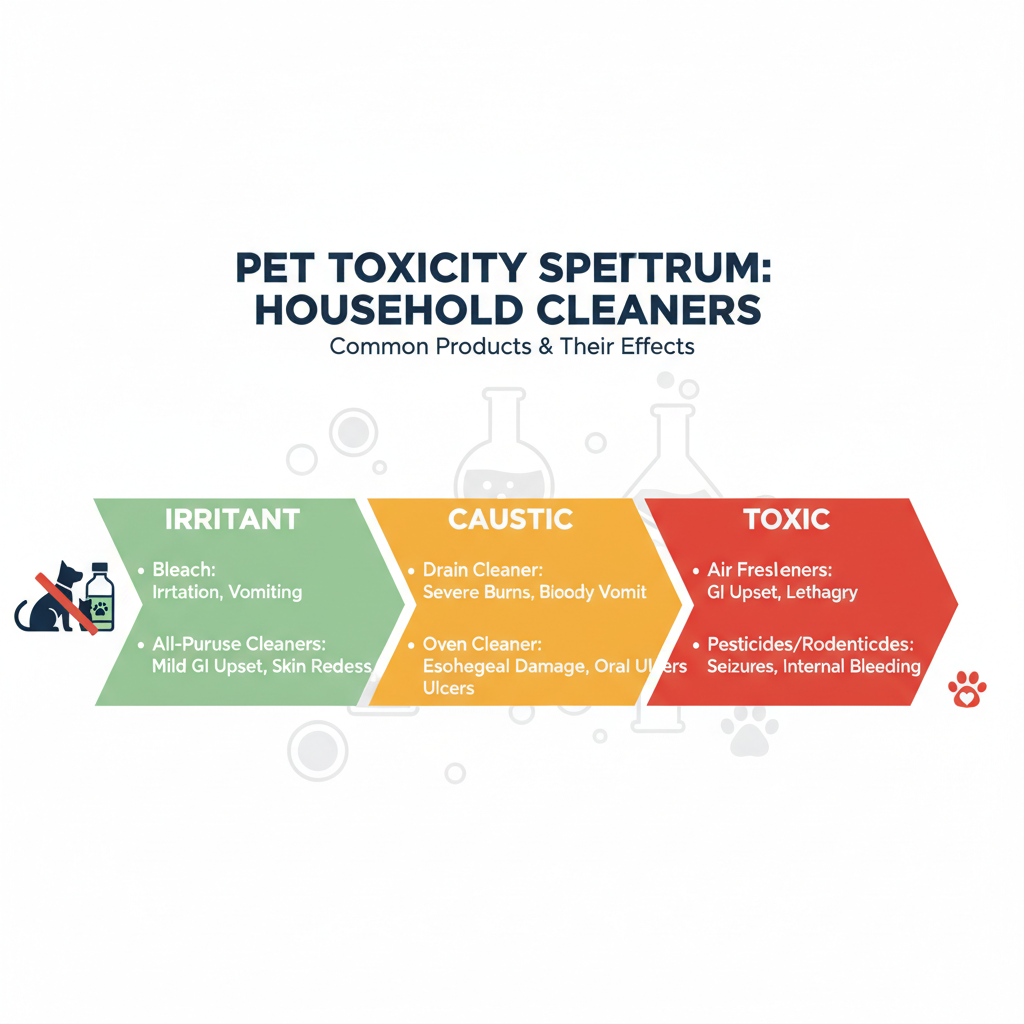
Bleach irritates and corrodes everything it touches—your pet’s delicate mouth, skin, and even their stomach. If your pet ingests or gets bleach on their fur, they might show signs like throwing up, lots of drooling, pain in their mouth, tummy ache, not wanting to eat, and redness and irritation on their skin or around their eyes. If you even suspect your pet got into bleach, call your vet right away. Rinse any exposed skin with water, and if they swallowed some, offer small sips of water or milk to help dilute it.
Ammonia
Ammonia is another strong chemical hiding in many common cleaners, especially those that promise streak-free glass and gleaming stainless steel. You’ll also often find it in oven cleaners and floor waxes.
What Ammonia Poisoning Looks Like
Ammonia is caustic, meaning it can seriously irritate and damage your pet’s respiratory system, eyes, and skin. If your pet breathes in or comes into contact with ammonia, they could experience coughing, trouble breathing, throwing up, and redness and irritation in their eyes or on their skin. Don't wait if you think your pet has been exposed to ammonia—contact your veterinarian immediately.
Fabric Softeners and Dryer Sheets
These products have an appealing scent that often draws pets in, encouraging them to chew on a dryer sheet or lick fabric softener off their paws. They contain cationic detergents, which are super irritating to your pet’s skin and mucous membranes.
What Fabric Softener or Dryer Sheet Poisoning Looks Like
If your pet eats or gets fabric softener or dryer sheet residue on them, watch for throwing up, drooling excessively, pain in their mouth, and redness and irritation on their skin or around their eyes. If you suspect your pet has been exposed to these products, call your veterinarian right away.
Air Fresheners
Many air fresheners—sprays, plug-ins, diffusers—contain chemicals like phthalates and volatile organic compounds (VOCs). These can be toxic to pets, especially if they ingest the liquid from a diffuser or get a direct spray in their face.
What Air Freshener Poisoning Looks Like
Symptoms can differ based on the type and amount of air freshener involved, but generally include throwing up, diarrhea, acting tired or sluggish, difficulty breathing (if they inhaled a lot directly), and irritation in their mouth or on their skin. If you think your pet ingested or came into contact with an air freshener, call your vet immediately.
Toilet Bowl Cleaners
Toilet bowl cleaners are particularly nasty. They often mix strong acids (like hydrochloric or sulfuric acid) or strong bases (like lye), along with bleach and detergents. These ingredients are extremely corrosive and highly dangerous for pets.
What Toilet Bowl Cleaner Poisoning Looks Like
If your pet gets into or swallows toilet bowl cleaner, they could experience severe pain in their mouth, vomiting (sometimes with blood), excessive drooling, not wanting to eat, tummy ache, redness, burns, or irritation on their skin or around their eyes, and trouble breathing if they inhale the fumes. If you suspect your pet has been exposed to toilet bowl cleaner, call your veterinarian immediately. Do *not* make your pet throw up, as this can cause even more damage. Offer small amounts of water or milk to drink instead.
Floor Cleaners
Many floor cleaners contain detergents, solvents, and other chemicals that can harm pets if they ingest them or get them on their skin or paws. Even after the floor dries, residual chemicals can linger, only to be licked off paws later.
What Floor Cleaner Poisoning Looks Like
If your pet ingests or is exposed to a floor cleaner, you might see throwing up, diarrhea, irritation in their mouth, skin irritation (especially on their paws), acting tired or sluggish, and trouble breathing (if they inhale strong fumes). If you think your pet has been exposed to floor cleaner, call your veterinarian right away. Make sure to thoroughly rinse your pet's paws with water.
Drain Cleaners
Drain cleaners are among the most dangerous products in any home. They contain highly corrosive chemicals like sulfuric acid or sodium hydroxide (lye), specifically designed to eat through clogs. These chemicals are equally effective at burning living tissue.
What Drain Cleaner Poisoning Looks Like
Because they are so corrosive, drain cleaners cause severe and rapid damage. Symptoms include excruciating pain and burns in the mouth, esophagus, and stomach, profuse drooling, vomiting (often bloody), difficulty swallowing, not wanting to eat, trouble breathing (if they inhale fumes), and burns to the skin or eyes. If you suspect your pet has ingested or been exposed to drain cleaner, seek immediate emergency veterinary care. Do not make your pet throw up. You can offer small amounts of water or milk to drink.
Oven Cleaners
Oven cleaners are formulated to break down tough grease and baked-on food, which means they contain strong, caustic chemicals like lye (sodium hydroxide) or potassium hydroxide. These are extremely corrosive, just like drain cleaners.
What Oven Cleaner Poisoning Looks Like
Symptoms of oven cleaner exposure mirror those of drain cleaner exposure because of the similar caustic ingredients: severe burns and pain in the mouth, throat, and stomach, profuse drooling, vomiting (potentially bloody), difficulty swallowing, not wanting to eat, trouble breathing (if they inhale fumes), and burns to the skin or eyes. If you suspect your pet has ingested or been exposed to oven cleaner, seek immediate emergency veterinary care. Do not make your pet throw up. Offer small amounts of water or milk to drink.
Keeping Your Home Safe: Preventing Pet Poisoning from Cleaners
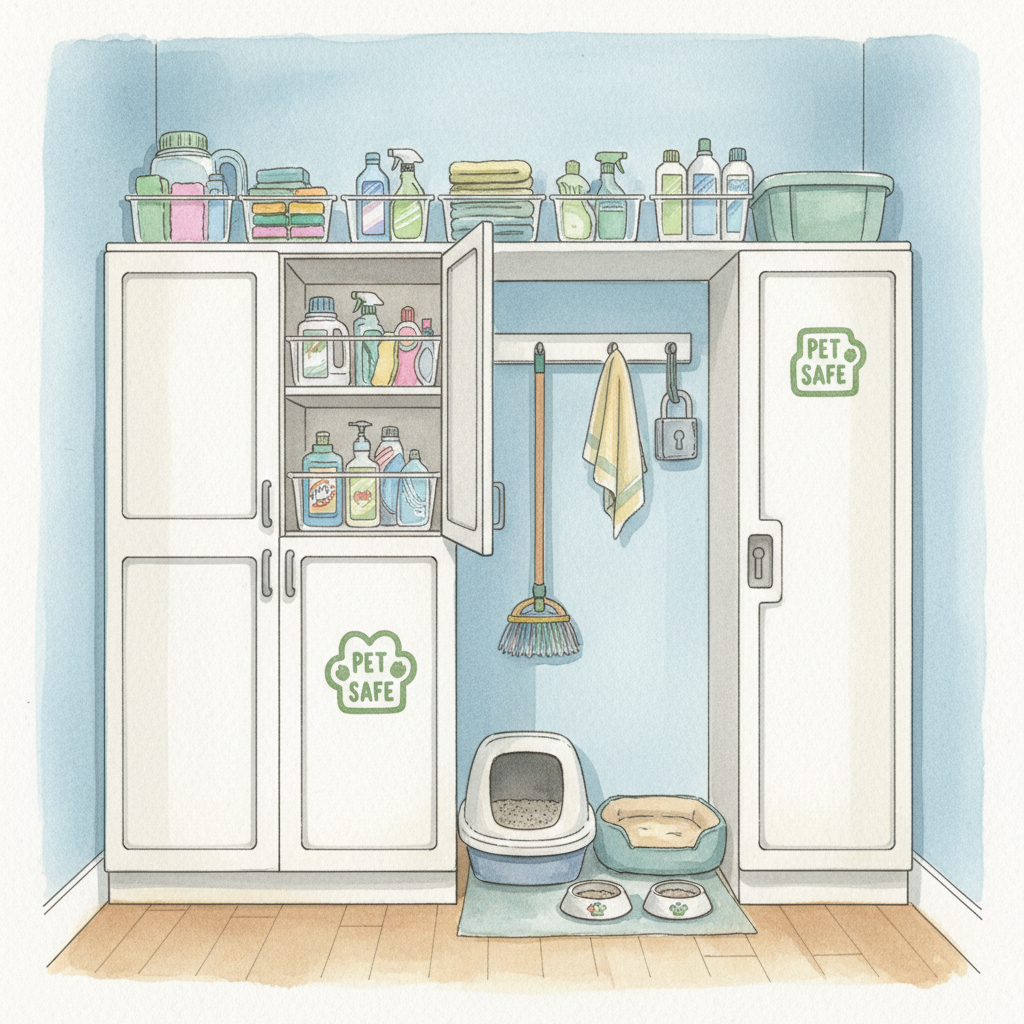
The best offense is a good defense when it comes to toxic household cleaners for pets. Here are our top tips to keep your furry family members safe:
- Lock it Up: Store all cleaning products securely. Think high cabinets, locked cupboards, or shelves where paws and curious noses can't reach. Childproof latches work wonders for pets too.
- Clear the Room: Keep your pet in another room or outside while you’re busy cleaning. It prevents accidents and keeps them away from fumes.
- Fresh Air is Key: Always open windows or use fans to ventilate the area you’re cleaning.
- Read Before You Spray: Always follow product instructions and pay close attention to any warnings about pets.
- Wipe it Down: After cleaning, go over all surfaces with a wet cloth to remove any lingering product residue.
- Rinse Floors Thoroughly: If you wash your floors, always rinse them with plain water afterward to ensure no residue remains for tiny paws to track and lick.
- Go Pet-Safe: Consider switching to natural or pet-safe cleaning products, like vinegar and baking soda, for daily chores. Just be sure to research their safety for specific applications.
- Proper Disposal: Never leave buckets of cleaning solution or used, chemical-soaked rags lying around where a pet might explore them.
If you ever suspect your pet has been exposed to a toxic cleaning product, don't hesitate. Call your veterinarian or a pet poison control hotline right away. Quick action can make all the difference in your pet's recovery.