
10 Best Recovery Collars and Cones for Dogs
Dealing with a dog recovering from surgery, a pesky wound, or an irritating hot spot is tough for any pet parent. That's why having the right recovery collar (sometimes called an E-collar or "cone of shame") is so important. These collars stop your dog from licking, chewing, or scratching, letting those sensitive areas heal. But with endless options out there – from classic plastic cones to soft fabric designs and comfy inflatables – finding the best recovery collars for dogs can feel like a huge task. Don't worry, our team at Petscarelab has done the digging for you, evaluating comfort, how well they work, durability, and how easy they are to use.
Key Considerations When Choosing a Recovery Collar
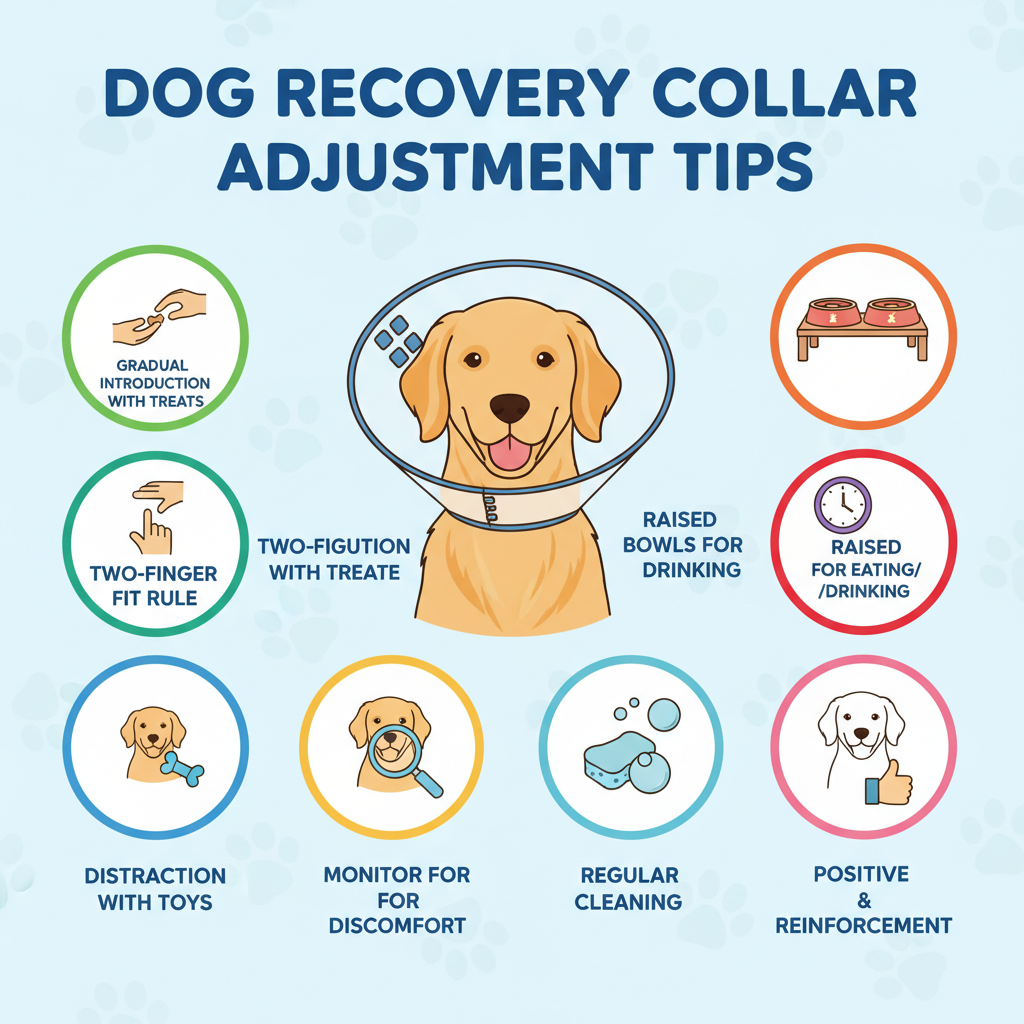
- Size and Fit: Getting the right fit is crucial. The collar needs to be long enough to stop your pup from reaching their wound when their head is down. If it's too short, they'll still be able to lick; too long, and they might bump into everything or struggle to eat and drink. Make sure it's snug around their neck – you should easily fit two fingers between the collar and their skin – but never tight enough to choke them.
- Material:
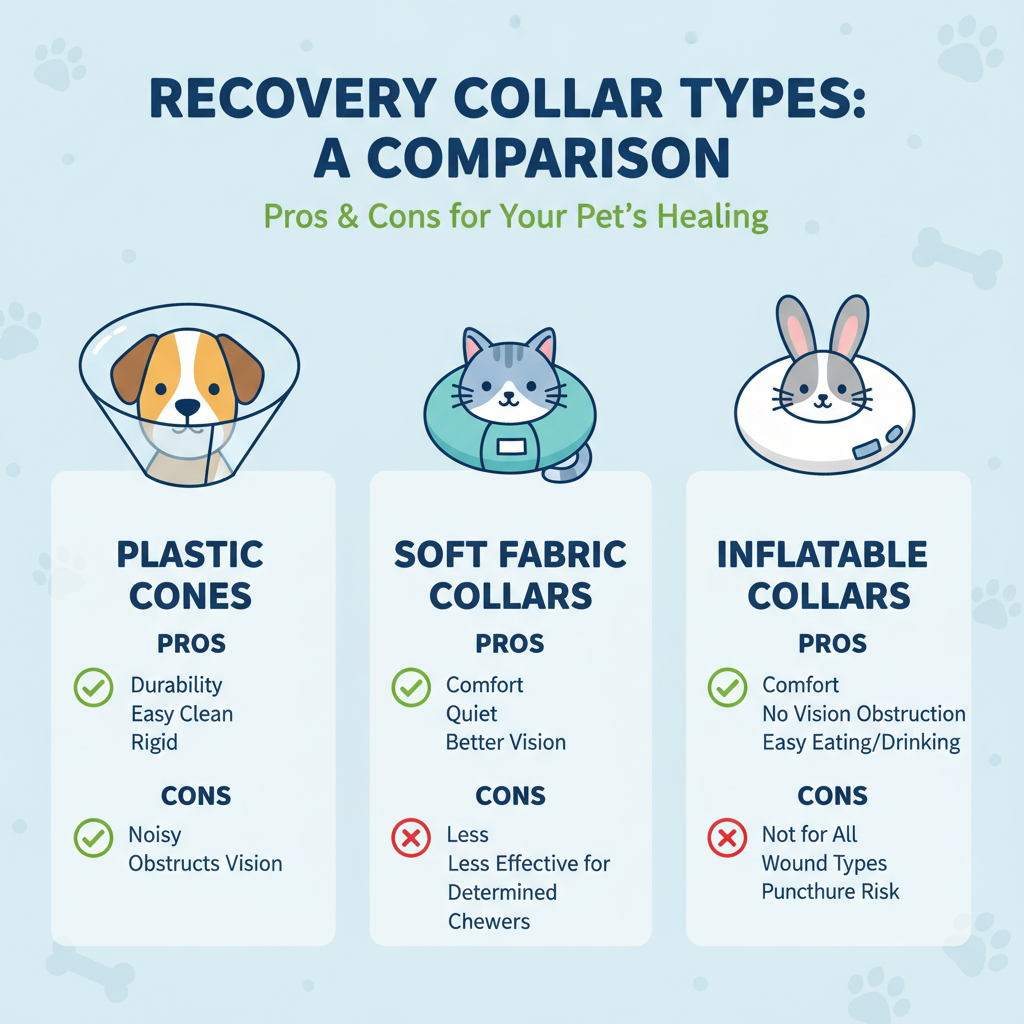
- Plastic Cones: Plastic cones are the classic choice, and they do a great job protecting your dog while being super durable. You can wipe them clean in a flash. But let's be honest, they're stiff, clunky, and can make a lot of noise. Plus, they often block your dog's view, which can be disorienting and uncomfortable for many pups.
- Soft Fabric Collars: Soft fabric collars are a game-changer for comfort. They're much quieter than plastic and give your dog a better view of the world. However, if your pup is a master licker or a determined chewer, they might be able to bend or wiggle out of these, making them less effective.
- Inflatable Collars: Think of inflatable collars as a comfy donut around your dog's neck. They're usually much more pleasant, don't block vision, and make eating and drinking a lot easier. The catch? They might not work for every wound, especially if your dog has a long snout or needs protection for their paws or tail. And, yes, they can get punctured.
- Visibility: Clear plastic cones let your dog see what's happening around them, which can really calm their nerves. Opaque collars, even if they're softer, can block their view, turning them into little bumper cars and causing unnecessary stress.
- Ease of Cleaning: Recovery collars can get pretty gross, pretty fast. Pick one that you can easily wipe down or toss in the washing machine.
- Durability: Your dog might try to defeat their collar, so you want one made from tough stuff that can handle a bit of chewing and tugging, especially if they'll be wearing it for a while.
- Comfort: Keep your dog comfortable during recovery by looking for padded edges, straps you can adjust, and breathable fabrics.
Best Overall Recovery Collar for Dogs: ICU Cone Collar
Pros:
- Allows full visibility
- Padded edges for comfort
- Machine-washable
- Available in eight sizes
- Adjustable with snap buttons
Cons:
- More expensive than other brands
- The material is rigid
Our team's top overall pick is the ICU Cone Collar, blending durability, clear visibility, and smart design. Made from tough yet flexible polypropylene, this transparent cone ensures your dog can see everything around them, which really helps cut down on stress. It's got padded edges to prevent chafing and make it more tolerable for your pup. The snap-button closure makes it a breeze to put on and take off, plus it's machine-washable for easy cleaning. You'll find it in eight sizes, so it fits a huge range of breeds. Yes, it's a bit pricier than some, but its quality and features are a solid investment in your dog's comfort and quick healing.
Best Clear Cone Collar for Dogs: Clic Cone Collar
Pros:
- Clear design for full visibility
- Durable polypropylene construction
- Affordable
- Easy to clean
Cons:
- Plastic material can be noisy
- May be uncomfortable for some dogs
If you're after a reliable, clear cone that won't empty your wallet, the Clic Cone Collar is a fantastic choice. Built from strong, clear polypropylene, this transparent collar lets your dog keep their full peripheral vision – super important for their well-being during recovery. It's tough enough for daily wear and tear, and its smooth surface wipes clean easily. The "clic" locking system ensures a secure fit, and it comes in several sizes. While it's a traditional plastic cone – meaning it can be noisy and less comfy than softer options – it nails its job of stopping licking and chewing, all at an affordable price.
Best Comfortable Cone Collar for Dogs: Calming E-Collar
Pros:
- Soft, padded design for comfort
- Adjustable neck strap
- Includes calming pheromone patch
- Available in six sizes
Cons:
- May not be suitable for determined chewers
- Less rigid than plastic cones
The Calming E-Collar was designed with your dog's comfort and emotional state front and center. Unlike stiff plastic cones, this one uses soft, padded material that won't rub or irritate your dog's neck. Its flexible design means more freedom to move and less noise, making the whole recovery process less stressful. A cool extra feature is the calming pheromone patch it comes with, which can help ease anxiety. The adjustable neck strap guarantees a snug and secure fit. While its softness is a huge plus, very determined chewers might still be able to bend or manipulate it to get to their wounds. But for most dogs needing a cozy recovery, this collar is a winner.
Best Inflatable Collar for Dogs: Cloud Collar
Pros:
- Inflatable design offers comfort
- Does not obstruct vision or hearing
- Allows dogs to eat and drink normally
- Durable, washable material
Cons:
- May not prevent access to all body parts (e.g., paws, tail)
- Can be punctured
The Cloud Collar is a smart, super comfy alternative to those old-school cones. This inflatable, donut-shaped design creates a soft barrier around your dog's neck, stopping them from reaching wounds without blocking their vision or hearing. Your dog can eat, drink, and sleep way more comfortably than with a stiff cone. It's made from a tough, washable material, built to last and easy to clean. Plus, it hooks right onto your dog's regular collar. Be aware, though: for dogs with very long snouts or those needing paw or tail protection, it might not be fully effective. But for most other situations, the Cloud Collar offers a much less stressful recovery.

Best Fabric Recovery Collar for Dogs: ZenCone Soft Recovery Collar
Pros:
- Soft, flexible fabric for comfort
- Allows full peripheral vision
- Machine-washable
- Adjustable sizing
Cons:
- Might not prevent access for determined dogs
- Can restrict downward vision
The ZenCone Soft Recovery Collar gives you the best of both worlds: the protective cone shape combined with the comfort of soft fabric. Made from lightweight, water-resistant material, this collar is way gentler on your dog (and your furniture!) than a plastic cone. Its clever design offers great peripheral vision while still creating that essential barrier. You can adjust the sizing for a perfect fit, and it's machine-washable for simple upkeep. While it's super soft and comfy, extremely determined pups might still manage to bend or manipulate it to get to their wounds. Even so, for most dogs, this collar provides a comfy and effective recovery without the rigidity of plastic.
Best Recovery Collar for Long Snouts: Comfy Cone E-Collar
Pros:
- Extra-long length for long-snouted breeds
- Soft, padded fabric for comfort
- Water-resistant and easy to clean
- Can be folded back for eating/drinking
- Adjustable sizing with hook-and-loop closures
Cons:
- Opaque design limits visibility
- Can be bulky for smaller dogs
If you have a breed with a long snout, a standard E-collar often just doesn't cut it. That's where the Comfy Cone E-Collar shines. It's specially designed with extra length to make sure those long-nosed pals can't reach their wounds. This cone is made from soft, padded fabric, offering much better comfort than rigid plastic. It's water-resistant and a breeze to wipe clean. A clever feature: you can fold it back for easier eating and drinking. The hook-and-loop closures give you a secure, adjustable fit. The main downside? Its opaque design blocks your dog's peripheral vision, so they might bump into things. But when it comes to crucial protection for long-snouted dogs, its effectiveness definitely outweighs this small inconvenience.
Best Soft Cone Collar for Small Dogs: EZ Clear Collar
Pros:
- Lightweight and clear for small dogs
- Soft, padded neck opening
- Easy to clean
- Affordable
Cons:
- Can still be bulky for very tiny dogs
- Plastic material can be rigid
The EZ Clear Collar is a fantastic choice for small dogs needing a clear cone. Even though it's plastic, it's designed to be lightweight and less clunky than bigger, stiffer cones, which is vital for tiny breeds. The transparent material means your little buddy can see everything, reducing anxiety and preventing them from bumping into furniture. It has a soft, padded fabric edge around the neck opening for extra comfort and to stop chafing. This collar is easy to wipe clean and attaches securely to your dog’s everyday collar. For small dogs who need the reliable protection of a cone without all the bulk, this specific model is a smart and affordable pick.
Best for Multi-Pet Households: Soft Pet Recovery Collar
Pros:
- Affordable
- Soft and comfortable
- Easy to clean
- Good for short-term use
Cons:
- Less durable than other options
- Limited protection for determined chewers
In a home with multiple pets, having an extra recovery collar ready to go can be a lifesaver. The Soft Pet Recovery Collar is an affordable and practical choice for temporary use or for pets who handle soft collars well. Its fabric construction makes it super comfy, a gentler alternative to stiff plastic. The soft material also means it's less likely to scuff your furniture or bother other pets during playtime. While it might not be as durable or chew-proof as some pricier options, it's spot on for short-term recovery, minor wounds, or as a trusty backup. It's easy to clean and store, making it a convenient solution for those unexpected needs.
Best Recovery Cone Alternative for Dogs: Recovery Suit
Pros:
- Full body coverage
- Comfortable, breathable fabric
- Reduces anxiety
- Allows free movement, eating, and drinking
- Machine-washable
Cons:
- May not be effective for all types of wounds (e.g., highly irritated skin that needs air exposure)
- Can get dirty easily, requiring frequent washing
For pups who absolutely can't stand traditional cones, the Recovery Suit offers a brilliant alternative. This full-body 'onesie' covers wounds, stitches, and hot spots on the torso, stopping licking and chewing without limiting movement, vision, or hearing. Made from soft, breathable, and flexible fabric, it lets your dog eat, drink, sleep, and play comfortably. It can also help calm the anxiety often linked with cones. The suit is a breeze to put on and take off, with a handy opening for potty breaks, and it's machine-washable. Just know it won't work for wounds on the head, ears, or lower limbs (paws/ankles), but it's a stellar choice for belly or back injuries, giving your pup a stress-free recovery.

Best Budget-Friendly Recovery Collar: Soft Cone Collar for Dogs
Pros:
- Very affordable
- Soft fabric for comfort
- Lightweight
- Adjustable drawstring
Cons:
- Less durable
- May not withstand determined chewers
- Limited visibility
When you're watching your budget, the Soft Cone Collar for Dogs offers a practical and comfy solution without a hefty price tag. This soft fabric cone is way more pleasant for dogs to wear than rigid plastic, cutting down on noise and discomfort. It's lightweight and has an adjustable drawstring for a snug fit around the neck. While it does a good job protecting in many situations, its soft nature means it might not stop the most determined chewers or lick-obsessed dogs. Plus, its opaque design can block some peripheral vision. Still, for an affordable, comfortable, and temporary recovery aid, this collar offers great value.
Tips for Helping Your Dog Adjust to a Recovery Collar
- Introduce it gradually: Before surgery or as soon as a wound pops up, let your dog wear the collar for short bursts while you're watching. Pile on the treats and praise to make it a positive experience.
- Ensure proper fit: A collar that's too tight is a choking hazard, and one that's too loose means your dog can either pull it off or still get to their wound. Aim for a fit where you can easily slip two fingers between the collar and their neck.
- Maintain routine: Stick to your dog’s normal routine as much as you can for eating, sleeping, and potty breaks.
- Assist with eating and drinking: Eating and drinking with a cone can be tough for some dogs. You might need to raise their bowls or, if you're right there to watch them, take the collar off for a bit.
- Provide entertainment: Keep them busy with puzzle toys, safe chews, or some gentle playtime to help distract them and keep their minds active.
- Monitor for discomfort: Keep a close eye out for any signs of irritation, rubbing, or if your dog is clearly upset. If they're really struggling, talk to your vet about other options.
- Clean the collar regularly: Regularly cleaning the collar stops skin irritation and prevents nasty smells.
- Be patient and positive: Your dog might feel confused or frustrated, and that's okay. Your calm, encouraging attitude will make a huge difference in how quickly they adjust.
When to Consult a Vet
Recovery collars are super important, but they aren't always the perfect solution for every dog or situation. You should definitely reach out to your veterinarian if:
- Your dog seems overly distressed: If they're whining a lot, panting excessively, pacing constantly, or trying to violently rip off the collar, it could mean serious anxiety or discomfort.
- The collar just isn't working: If your dog can still get to their wound, hot spot, or surgical area, then the collar isn't doing its job.
- There are signs of skin irritation: Look for redness, swelling, or raw spots around the collar area.
- Your dog can't eat or drink: If despite your help, your dog consistently struggles to access food or water, it could lead to dehydration or malnutrition.
- Your dog exhibits new or worsening behavioral issues: Increased aggression, withdrawal, or refusal to move are all red flags.