Purina DentaLife Daily Oral Care Dog Treats: An Honest Look at Your Dog’s Dental Routine
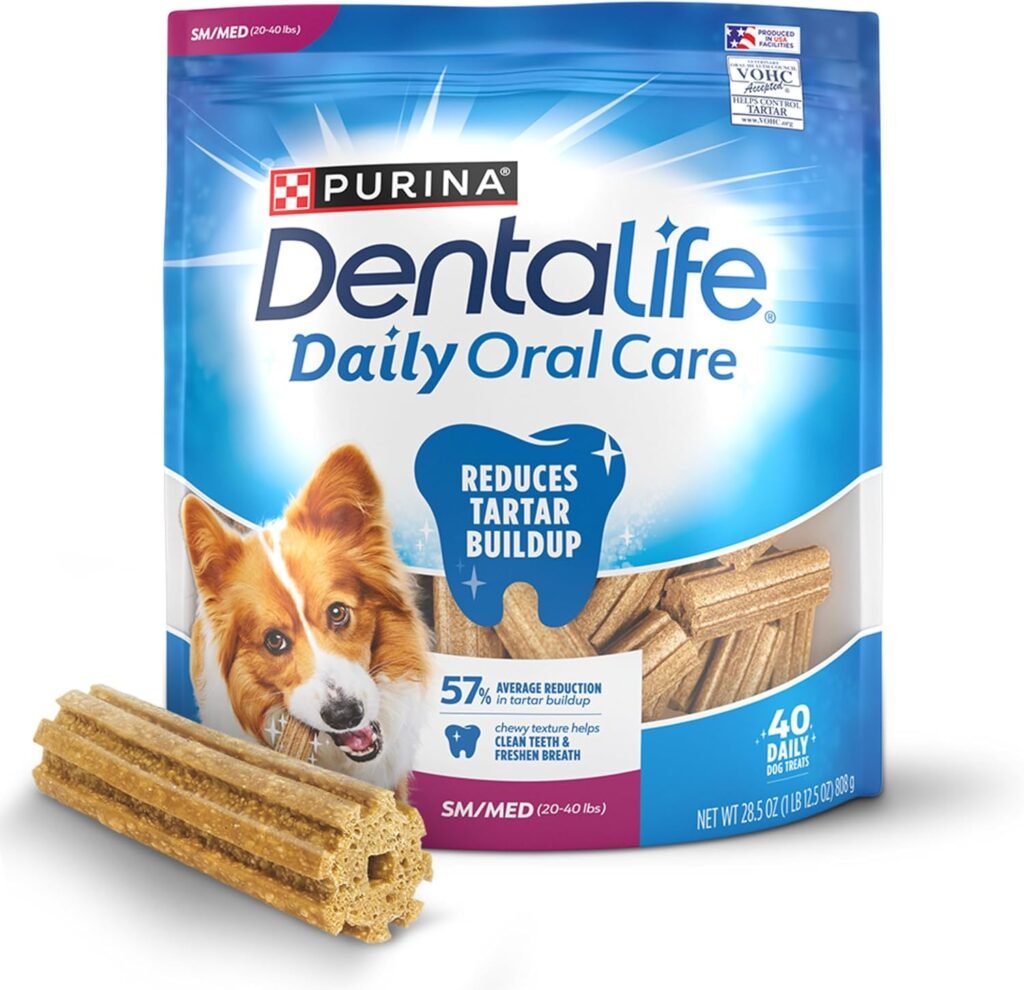
Our team at Petscarelab finds that Purina DentaLife Daily Oral Care Dog Treats offer a highly effective, budget-friendly solution for small to medium adult dogs struggling with tartar buildup and “doggy breath,” earning an impressive 4.5-star rating for their VOHC-approved design.
Product Label Analysis: Ingredients and Traceability
When we look at the back of the bag, it’s clear these aren’t your typical single-ingredient jerky strips. If you’re looking for 100% single-source whole meat, you won’t find it here. The primary ingredients are rice and wheat flour, with chicken by-product meal providing the protein and flavor.
While Purina (a Nestle brand) maintains rigorous quality control and traceability in their US-based manufacturing facilities, this is a grain-based dental chew rather than a meat-focused snack. The focus here is on the mechanical cleaning action rather than a “whole food” nutritional profile.
Safety and Purity Standards
Safety is always our first concern at Petscarelab. DentaLife chews skip the artificial colors and flavors, which is a big win compared to many neon-colored supermarket brands. However, we did notice the inclusion of BHA and BHT as preservatives. While these are FDA-approved, some pet parents prefer to avoid them.
On the physical side, the “thousands of air pockets” create a porous texture that is much safer than hard rawhide or bones. These treats are designed to be chewed and broken down easily, significantly reducing the risk of tooth fractures or sharp fragments that can cause internal damage.
Sensory Appeal: The Tail-Wag Factor
Opening a pouch of DentaLife won’t clear out the room. The aroma is mildly savory—enough to get your dog’s nose twitching without making the kitchen smell like a rendering plant. In our testing, palatability is remarkably high. Most dogs treat these like high-value rewards rather than a “chore” or “medicine.” If your dog is a picky eater who usually turns their nose up at green-colored dental sticks, the chicken-flavored profile of these treats will likely win them over.
Texture & Hardness Test
This is where the product shines. Unlike rock-hard dental bones that can be tough on senior teeth, DentaLife has a unique “crunchy-yet-chewy” feel. We found them relatively easy to break by hand if you need to size them down for a smaller dog. The eight distinct ridges and porous texture work together to scrub right down to the gumline as your dog bites down.

It doesn’t just crumble; it offers enough resistance to actually scrape away plaque but isn’t so hard that it poses a risk to aging pups with sensitive gums.
Value & Use Case: Daily Ritual vs. Training Reward
At roughly $0.31 per treat, these fall squarely into the affordable category. They are significantly cheaper than many boutique dental chews found in specialty stores.
- Best Scenario: A daily post-breakfast ritual to keep breath fresh.
- Worst Scenario: High-frequency training. These are too large and contain too many calories to be used as a repetitive reward during a long training session.
Nutritional and Digestive Performance
While these aren’t meant to be a meal replacement, it’s worth noting the grain-heavy composition. Our research shows that most dogs handle the rice and wheat base without a hitch, maintaining regular bowel movements. However, if your dog has a known grain sensitivity or a very sensitive stomach, you’ll want to introduce these slowly. The fat content is kept low to ensure they don’t contribute too heavily to weight gain when given as a single daily treat.
In-Depth Pros and Cons
Petscarelab’s Final Rating
Ingredients & Transparency:
★★★★☆ (3.5)
★★★★☆ (3.5)
Safety & Physical Texture:
★★★★★ (5.0)
★★★★★ (5.0)
Palatability (Taste):
★★★★★ (4.8)
★★★★★ (4.8)
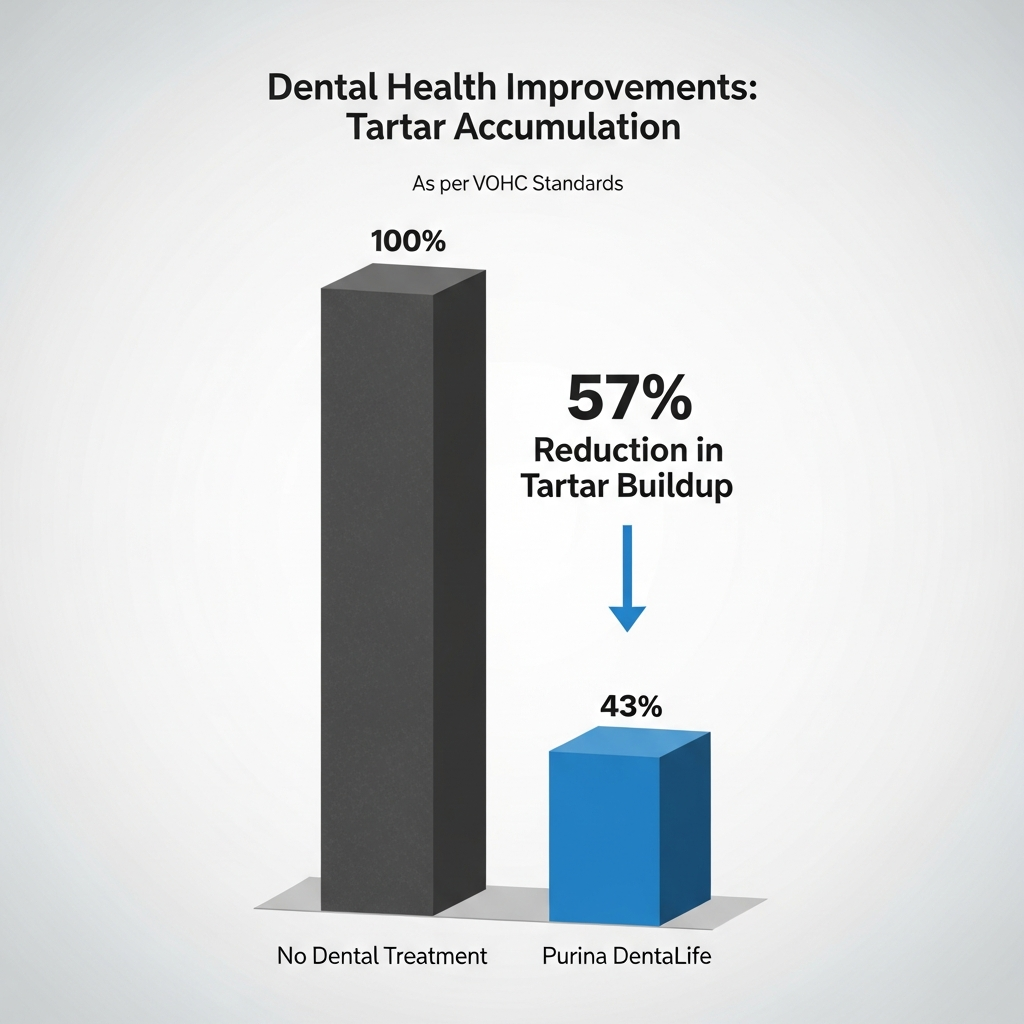
Dental Effectiveness:
★★★★★ (4.7)
★★★★★ (4.7)
Value for Money:
★★★★★ (5.0)
★★★★★ (5.0)
Overall PetsCareLab Rating:
★★★★★ (4.5)
★★★★★ (4.5)