Mastering Summer Safety for Flat-Faced Dogs: An Essential Guide
The sun-drenched days of summer, while delightful for us, present unique and serious risks for our beloved flat-faced canine companions, scientifically known as brachycephalic dog breeds. Breeds like the endearing Pugs, spirited French Bulldogs, charming Boston Terriers, and noble English Bulldogs possess distinct anatomical features that make them particularly susceptible to the dangers of heatstroke and respiratory distress when temperatures climb. Ensuring comprehensive summer safety for flat-faced dogs is an absolute priority for every responsible pet parent.
Understanding the inherent vulnerabilities of these special breeds and diligently implementing tailored safety measures can be life-saving, guaranteeing your cherished furry friend remains cool, comfortable, and healthy throughout the warmer months.
Why Flat-Faced Dogs Face Elevated Risks in Summer
Brachycephalic dog breeds have been selectively nurtured for their signature short snouts and flattened facial structures. While these characteristics bestow upon them an undeniably distinctive and often adored appearance, they also come with several critical anatomical differences that profoundly impact their natural ability to regulate body temperature and breathe with ease.
The Challenge of Brachycephalic Airway Syndrome (BAS)
Many flat-faced dogs contend with a complex condition known as Brachycephalic Airway Syndrome (BAS). This syndrome encompasses a combination of upper airway abnormalities that significantly impede the free flow of air. These obstructive features typically include:
- Stenotic Nares: Nostrils that are abnormally narrow, severely restricting the intake of air.
- Elongated Soft Palate: A soft palate that extends excessively far back into the throat, partially obstructing the critical entrance to the trachea (windpipe).
- Hypoplastic Trachea: A windpipe that is noticeably narrower than average, further hindering airflow.
- Everted Laryngeal Saccules: Delicate tissues within the larynx (voice box) that become pulled inward, creating an additional obstruction in the airway.
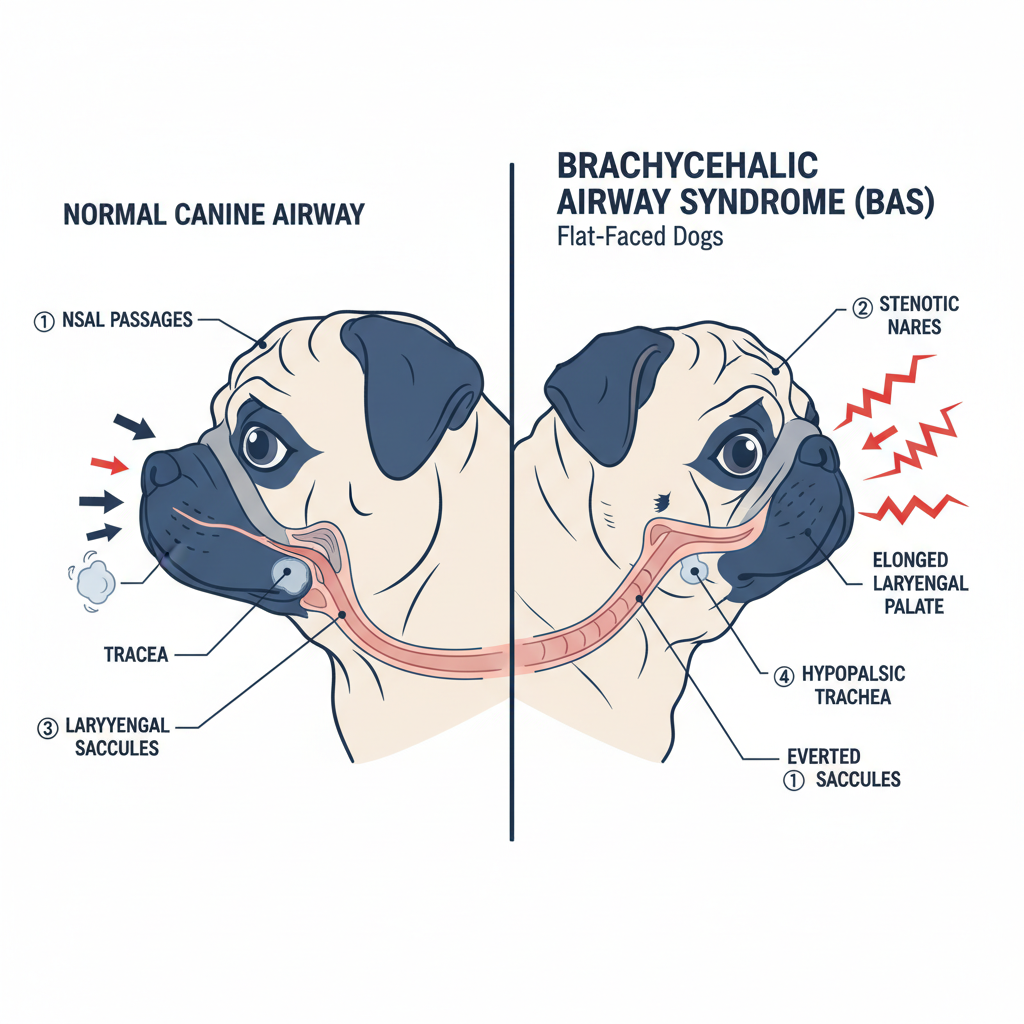
These inherent issues render efficient breathing a constant challenge for brachycephalic dogs, especially when they exert themselves or are exposed to the oppressive summer heat.
The Inefficiency of Panting for Cooling
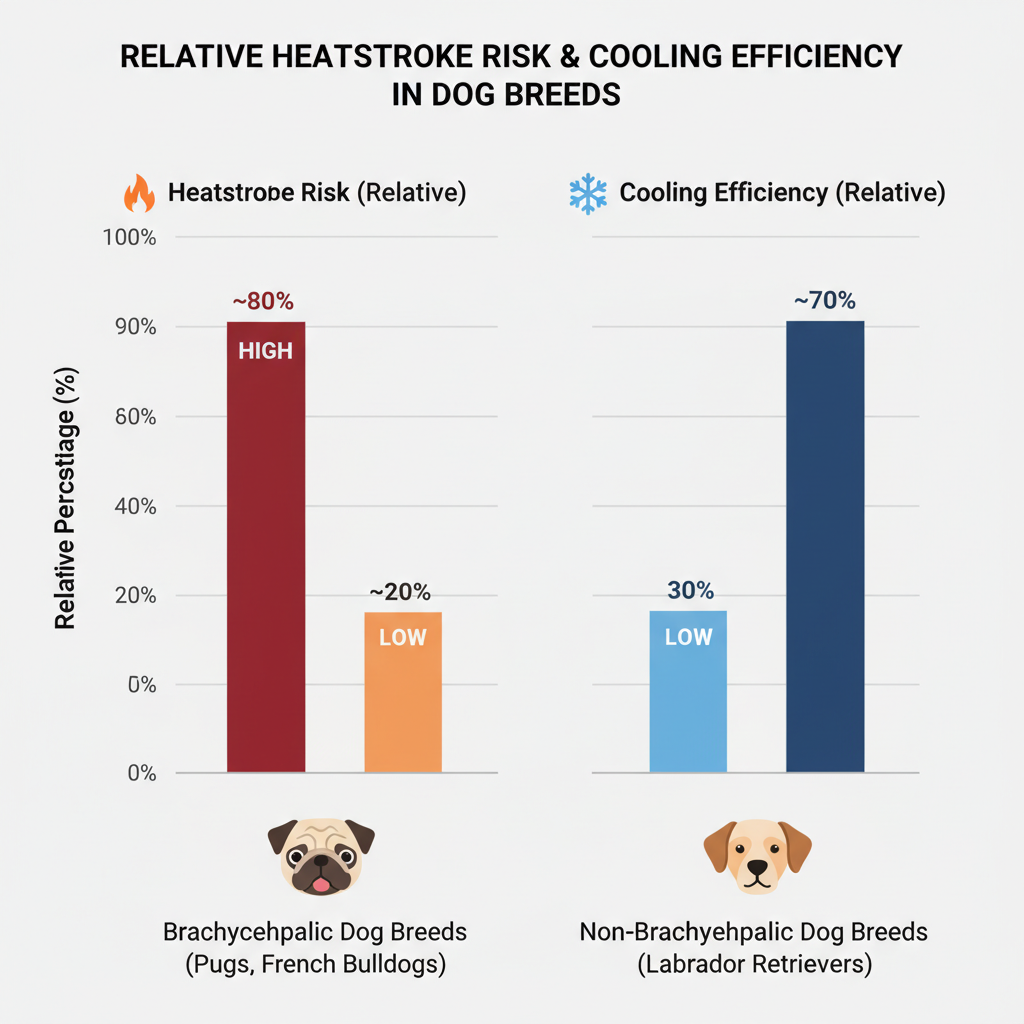
Panting serves as a dog's primary and most vital mechanism for cooling its body. As a dog pants, air passes over the moist surfaces of their tongue, mouth, and entire respiratory tract, facilitating the evaporation of water, which in turn cools their blood. However, the unique anatomical configuration of flat-faced dogs renders this essential process remarkably inefficient.
Due to their constricted airways, these breeds simply cannot move as much air as their longer-snouted counterparts. Furthermore, their elongated soft palates can vibrate and swell when they pant, creating even more obstruction and further reducing airflow. This critical impediment means they struggle profoundly to dissipate body heat effectively, making them far more prone to dangerous overheating and potentially fatal heatstroke.
The Grave Risk of Heatstroke
When a dog's core body temperature rises beyond its normal healthy range (101-102.5°F or 38.3-39.2°C) to dangerously high levels (exceeding 105°F or 40.5°C), they enter a state of heatstroke. This is a severe medical emergency demanding immediate intervention, as it can swiftly lead to catastrophic organ failure, irreversible brain damage, and ultimately, death.
Flat-faced dogs are particularly susceptible to heatstroke because their bodies cannot efficiently shed heat. Their shallow, labored breathing and inherent inability to effectively exchange heat make them vulnerable to rapid temperature spikes, even in conditions that might seem only moderately warm to us.
Essential Summer Safety for Flat-Faced Dogs
Ensuring your brachycephalic dog remains safe, cool, and comfortable throughout the summer months necessitates an elevated degree of vigilance and proactive, thoughtful measures. Our expert team at Petscarelab advises these crucial steps to optimize summer safety for flat-faced dogs.
1. Strategically Avoid Outdoor Activities During Peak Heat
- Time Your Walks Wisely: Schedule all walks and outdoor play sessions for the very early mornings or late evenings when ambient temperatures are significantly lower. Completely avoid the intense midday heat.
- Embrace the Indoors: On those sweltering and humid days, keep your dog safely inside within an air-conditioned environment. If your home lacks AC, consider visiting a pet-friendly establishment or a friend's cooler home.
- Mind the Humidity: High humidity significantly compounds the difficulty for dogs to cool down through panting, as the air is already saturated with moisture. Even on moderately warm days, elevated humidity can pose a profound risk to your flat-faced friend.
2. Cultivate a Cool and Consistently Hydrated Environment
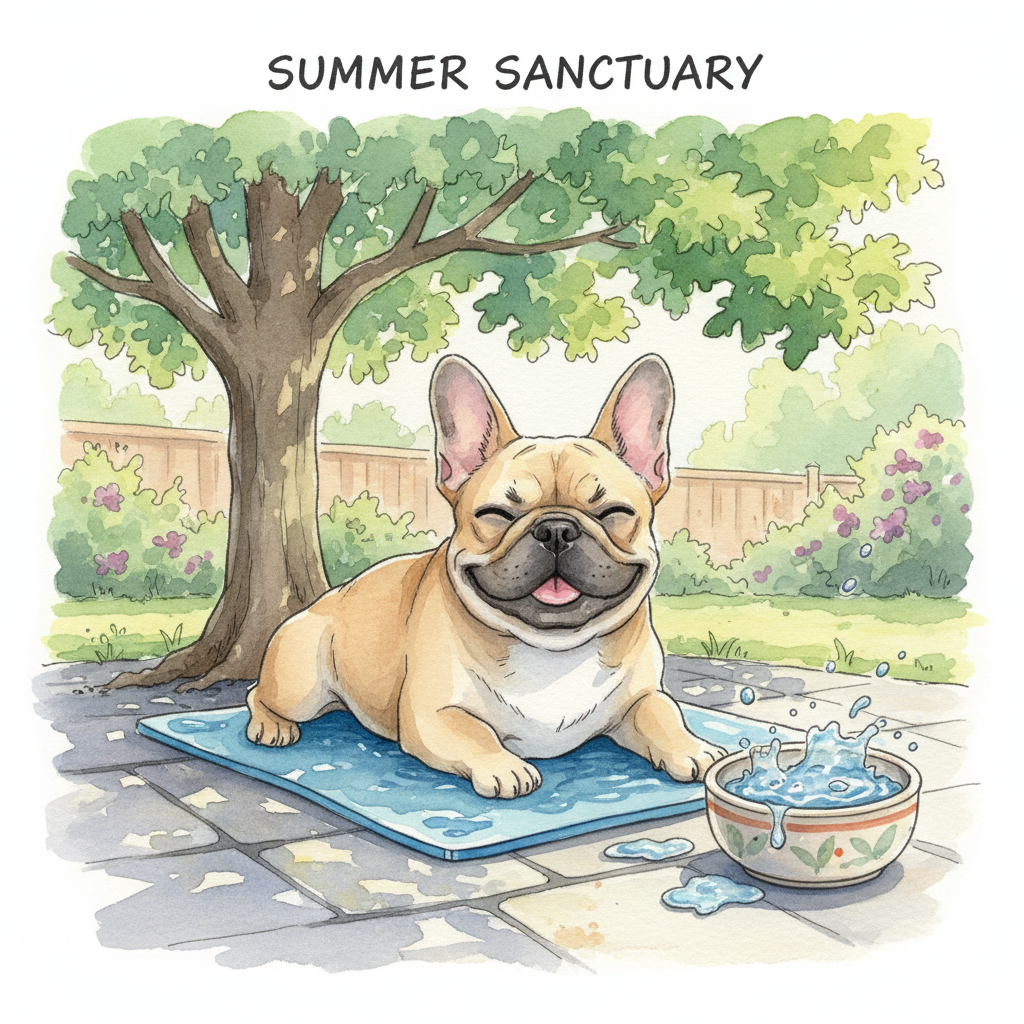
- Unrestricted Access to Fresh Water: Always guarantee your dog has constant access to fresh, cool water, whether indoors or outdoors. Enhance their hydration by adding ice cubes to their water bowl to maintain a lower temperature for longer.
- Cooling Beds and Mats: Thoughtfully invest in specialized cooling mats or elevated dog beds designed to allow beneficial air circulation beneath them.
- Cooling Towels and Bandanas: Gently place damp, cool towels over your dog's back or neck, or utilize specially designed cooling bandanas to help actively lower their core body temperature.
- Abundant Shady Havens: If your dog spends any time outside, ensure there is always an expansive area of deep, reliable shade readily available.
- Fan or AC Operation: Always have a fan or air conditioning actively running in the primary areas where your dog spends most of its time.
3. Deliberately Limit Exercise and Excitement
- Short, Gentle Walks: Restrict walks to brief durations and a leisurely, unhurried pace. Absolutely avoid any strenuous activities such as running, jumping, or intense, high-energy play.
- Prevent Over-Excitement: Emotional stress or excessive, sustained barking can also dramatically elevate a flat-faced dog's body temperature and precipitate severe respiratory distress. Strive to keep them calm and relaxed.
- Never Leave Them Unattended in a Car: Temperatures within a closed vehicle can skyrocket to lethal levels in mere minutes, even if windows are slightly cracked. This remains a leading cause of preventable heatstroke and tragic deaths in pets.
4. Prioritize Thoughtful Grooming and Weight Management
- Maintain a Healthy Weight: Overweight dogs carry a significantly higher risk of heatstroke because their excess body fat acts as an insulating layer, making it much harder for them to dissipate heat effectively.
- Consistent Regular Grooming: Keep your dog's coat meticulously clean and completely free of mats, especially if they possess a thicker double coat. A well-groomed coat is instrumental in efficient temperature regulation. *A crucial note: Never shave double-coated breeds down to the skin, as their protective undercoat provides essential insulation against both extreme heat and cold.
5. Recognize and Respond to the Signs of Heatstroke
It is paramount for every pet owner to be able to swiftly identify the nascent signs of heatstroke in flat-faced dogs, as immediate, decisive action can be literally life-saving.
Indicative symptoms of heatstroke include:
- Excessive, distressed panting or profound difficulty breathing
- Profuse drooling (often characterized by thick, ropey saliva)
- Gums or tongue appearing unusually bright red
- Observable weakness, staggering gait, or sudden collapse
- Episodes of vomiting or diarrhea
- Seizures or a complete loss of consciousness
Immediate Action If You Suspect Heatstroke:
- Relocate to a Cooler Area: Without delay, move your dog out of the heat and into an air-conditioned space or a cool, deeply shaded area.
- Apply Cool Water: Thoroughly wet your dog with cool (crucially, *not* ice-cold) water. Concentrate on applying water to the belly, armpits, and groin regions. You can use a garden hose on a gentle setting or damp towels.
- Utilize a Fan: Direct a fan towards your dog to enhance the evaporative cooling process.
- Offer Small Amounts of Water: Do not ever force your dog to drink, but gently offer small sips of cool water if they are conscious and clearly able to swallow on their own.
- Seek Veterinary Care IMMEDIATELY: Even if your dog appears to be recovering or improving, they absolutely require an urgent examination by a veterinary professional. Heatstroke can cause severe internal organ damage that may not manifest with immediate, visible symptoms.
The Importance of a Pre-Summer Vet Check-Up
Before the summer season fully takes hold, we at Petscarelab strongly recommend scheduling a comprehensive veterinary check-up for your flat-faced dog. Your trusted veterinarian can thoroughly assess their overall health, proactively discuss any potential underlying respiratory issues, and provide invaluable personalized advice for optimizing their summer safety, including exploring surgical options for severe Brachycephalic Airway Syndrome if deemed appropriate.
By diligently adopting these essential precautions and remaining vigilant, you can empower your beloved flat-faced friend to enjoy a safe, joyful, and comfortable summer, free from the inherent dangers of overheating.