Stay Cool and Safe: Your Ultimate Guide to Summer Dog Walking Tips
Summer means sunshine, long days, and more time outdoors with your best furry friend. Whether you're planning leisurely strolls in the park or adventurous hikes, there's nothing quite like sharing the season with your pup. But with all that fun comes the heat, and knowing how to keep your dog safe and happy during warm weather walks is a must. Our team at Petscarelab has put together these essential summer dog walking tips to help you enjoy every sunny moment without a worry.
Smart Strategy for Summer Walks
Heatstroke is a real danger for dogs and can sneak up fast. To keep your dog cool and comfortable, you'll need to adjust your walking routine.
Walk When It's Coolest
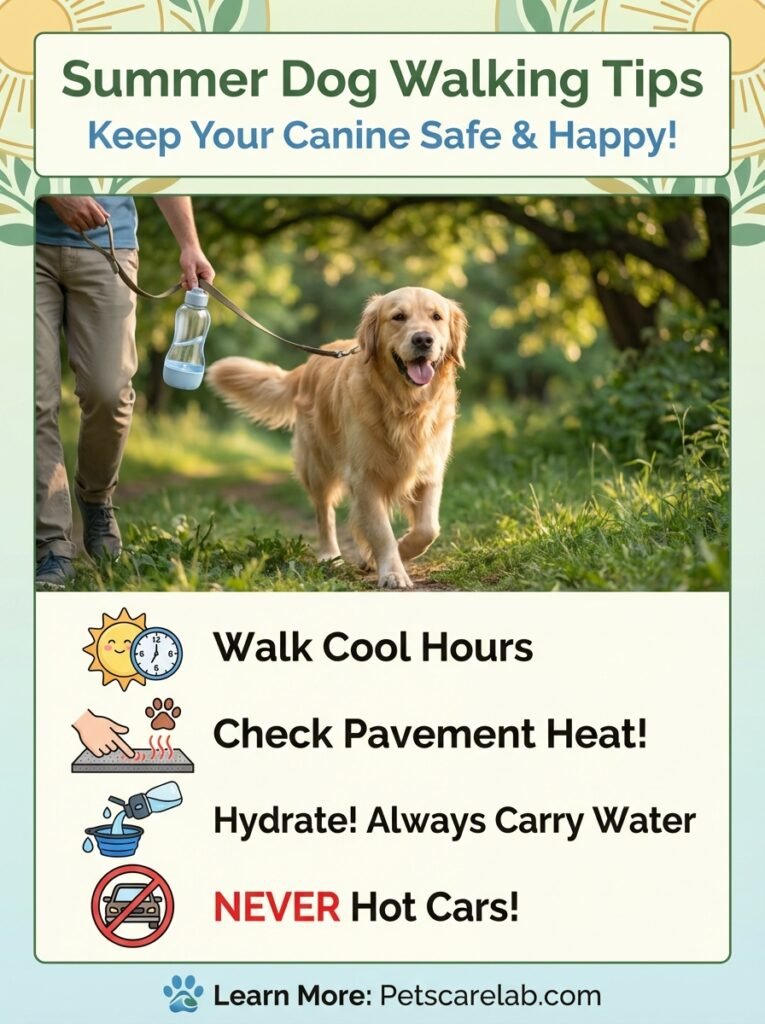
Forget midday walks when the sun beats down hardest. Aim for early morning adventures as the day starts fresh, or wait until the evening when the air has cooled off. This isn't just about safety; it's about making the walk enjoyable for both of you, without endless panting.
Check That Pavement!
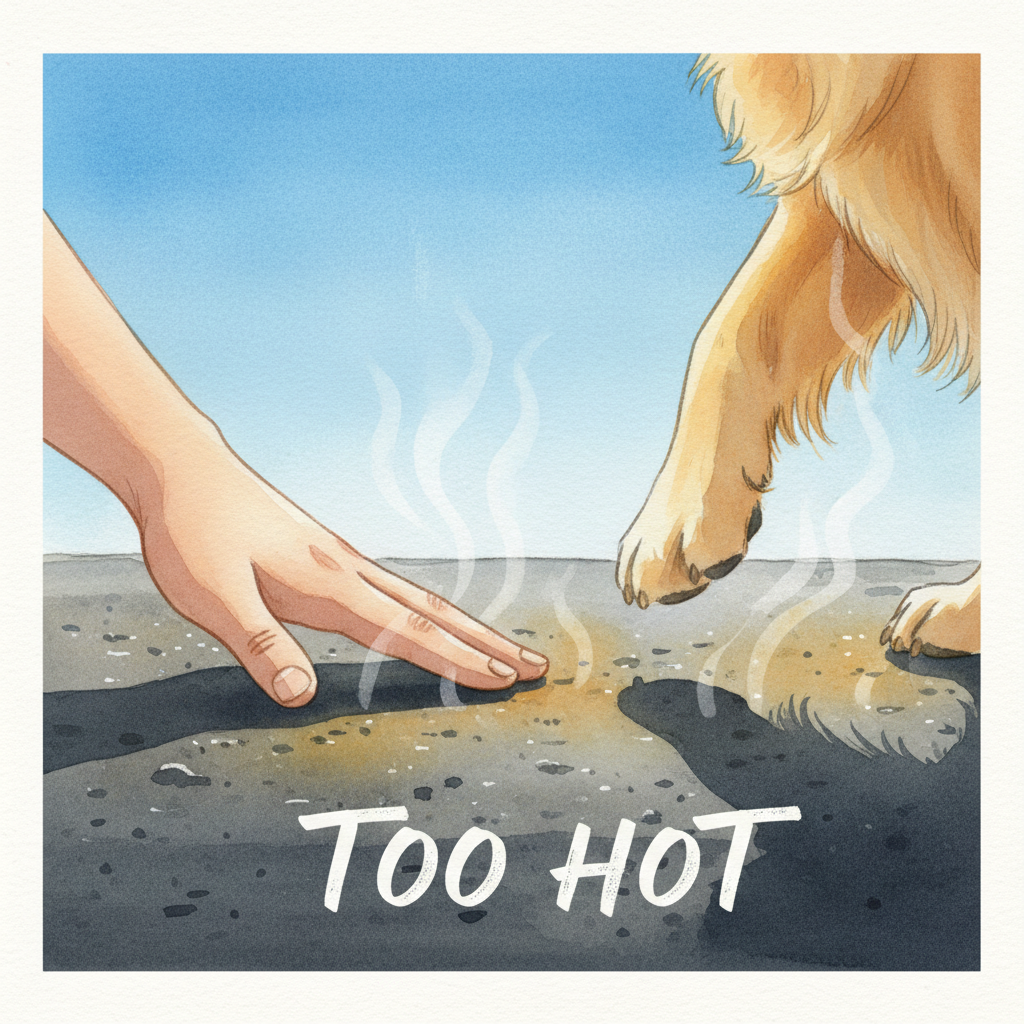
Imagine walking barefoot on hot asphalt—ouch! Concrete and pavement can get scorching hot under the summer sun, easily burning your dog's sensitive paw pads. Here's a quick test: press the back of your hand against the ground for seven seconds. If it's too hot for you to hold comfortably, it's definitely too hot for your dog's paws. Find some grass, dirt, or shaded paths instead.
Keep Your Pup Hydrated
Dehydration can quickly lead to heatstroke. Always bring water for your dog, even if you're just stepping out for a short sniff session.
Pack Plenty of Water
Grab a portable water bottle and a collapsible bowl made just for dogs. Offer your pup water often, especially if they're panting a lot or really getting into their exercise. Think of it like their built-in AC; they need to keep it topped off!
Spot the Signs of Dehydration
Watch out for these clues that your dog might be getting dehydrated:
- Excessive panting
- Gums that look dry
- Eyes that seem sunken
- Skin that doesn't snap back quickly when you gently pinch it on their back (this means a loss of elasticity)
If you see any of these signs, find shade right away, offer them some water, and consider cutting your walk short. It's better to be safe than sorry.
Protect Your Dog from Sunburn
Just like us, dogs can get sunburned, especially pups with short or light-colored fur. Those delicate areas need extra care.
Use Pet-Safe Sunscreen
Talk to your vet or our team about a pet-safe sunscreen for sensitive spots like your dog's nose, ears, and belly. Never use human sunscreen; many brands contain ingredients that are toxic if your dog licks them off.
Consider UV Gear
For dogs with super sensitive skin or very thin fur, a lightweight, UV-protective dog shirt can add an extra layer of sun defense.
Never, Ever, Leave Your Dog in a Hot Car
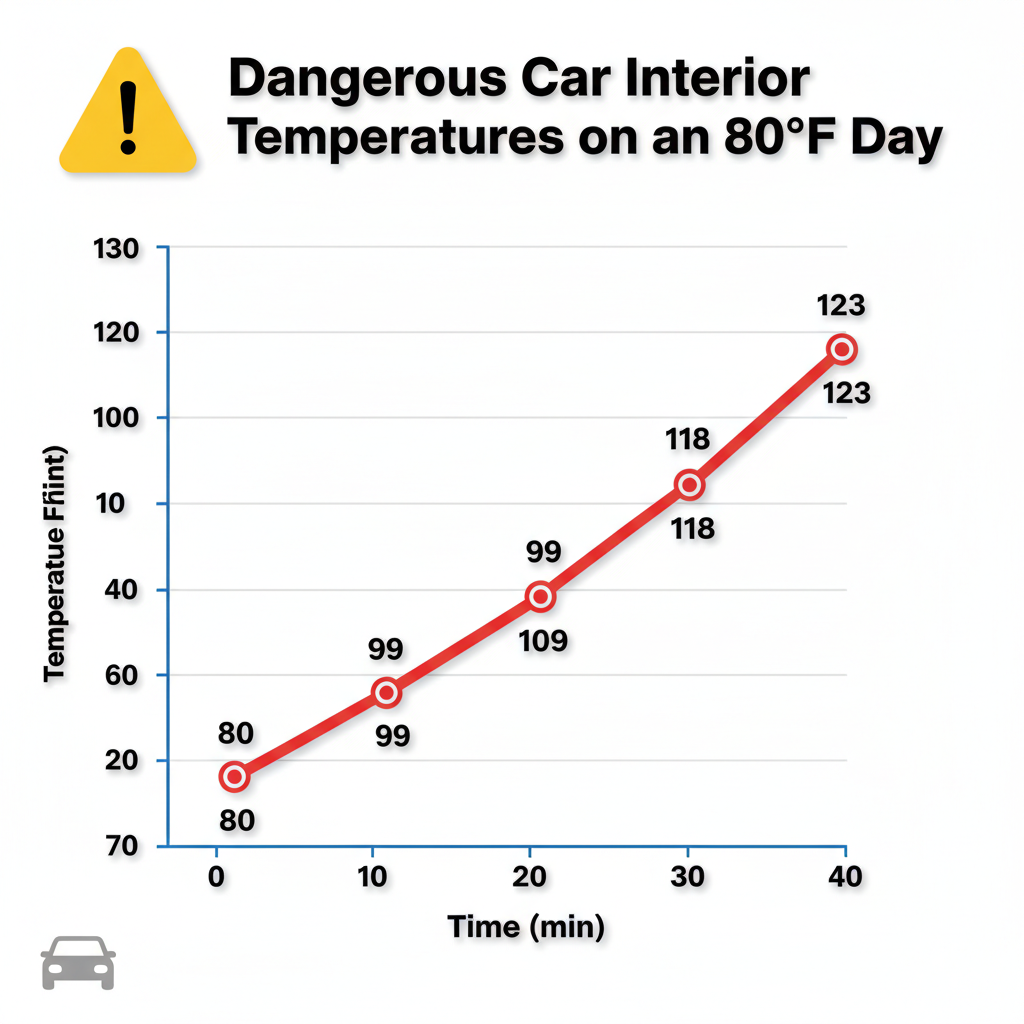
This is a critical reminder: Do not leave your dog in a parked car, not even for "just a few minutes" with the windows cracked. A car's interior temperature can skyrocket in minutes, quickly becoming a death trap. It's too dangerous to risk.
Water Safety During Summer Adventures
If your summer walks take you near water, keep these safety tips in mind.
Stay Close and Supervise
Not every dog is a natural swimmer, and even strong swimmers can run into trouble. Always keep a close eye on your dog around pools, lakes, and rivers.
Rinse Off After a Swim
After a dip in a lake or the ocean, give your dog a thorough rinse. This washes away salt, chlorine, or any lurking bacteria that could irritate their skin or be ingested.
Skip Stagnant Water
Steer clear of still ponds or puddles. They can be breeding grounds for harmful bacteria, toxic algae, or nasty parasites.
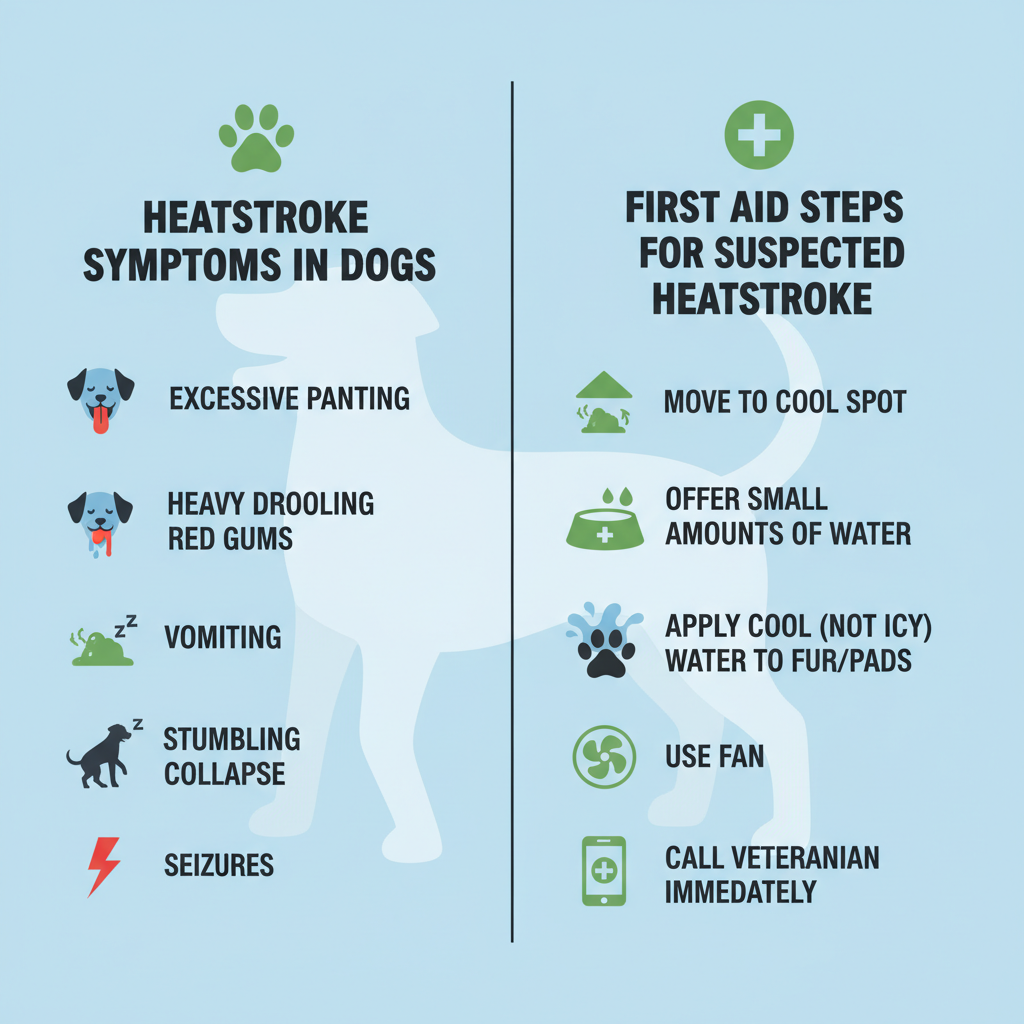
Recognizing Heatstroke: A Life-Saving Skill
Heatstroke is a medical emergency, and knowing its warning signs can save your dog's life.
Heatstroke Symptoms to Watch For:
- Extreme panting or struggling to breathe
- Heavy drooling
- Gums that look very red or bright pink
- Vomiting or diarrhea
- Lethargy or severe weakness
- Stumbling, looking disoriented, or acting confused
- Collapsing or having seizures
What to Do If You Suspect Heatstroke:
- Immediately move your dog to the coolest spot you can find—think shade or air conditioning.
- Offer small amounts of water. Don't let them gulp too much at once.
- Apply cool (not icy cold) water to their fur, focusing on their belly and paw pads. You can also drape cool, wet towels over these areas.
- Use a fan to help cool their body down even faster.
- Call your veterinarian right away, even if your dog seems to be recovering. Heatstroke can cause serious damage to internal organs, and they'll need professional care.
Know Your Dog's Limits on Hot Days
Every dog is unique. Things like their breed, age, weight, and overall health all play a big part in how well they handle the heat.
Short-Nosed Breeds Need Extra Care
Pugs, Bulldogs, Boxers, and other short-nosed breeds have snouts that make breathing harder, especially in the heat. They're much more prone to heatstroke, so keep their walks extra short and always during the coolest parts of the day.
Older, Overweight, or Sick Pups
These dogs also tend to struggle more when it's hot. Adjust their activity levels carefully, and if you're worried, chat with your vet or our team at Petscarelab.
Listen to Your Dog's Body Language
Always pay attention to your dog. If they start slowing down, lagging behind, or just look uncomfortable, it's time to take a break or head straight home. They can't tell you in words, but their actions speak volumes.
By keeping these vital summer dog walking tips in mind, you and your cherished pup can enjoy all the joys of the season safely and comfortably. Happy trails!