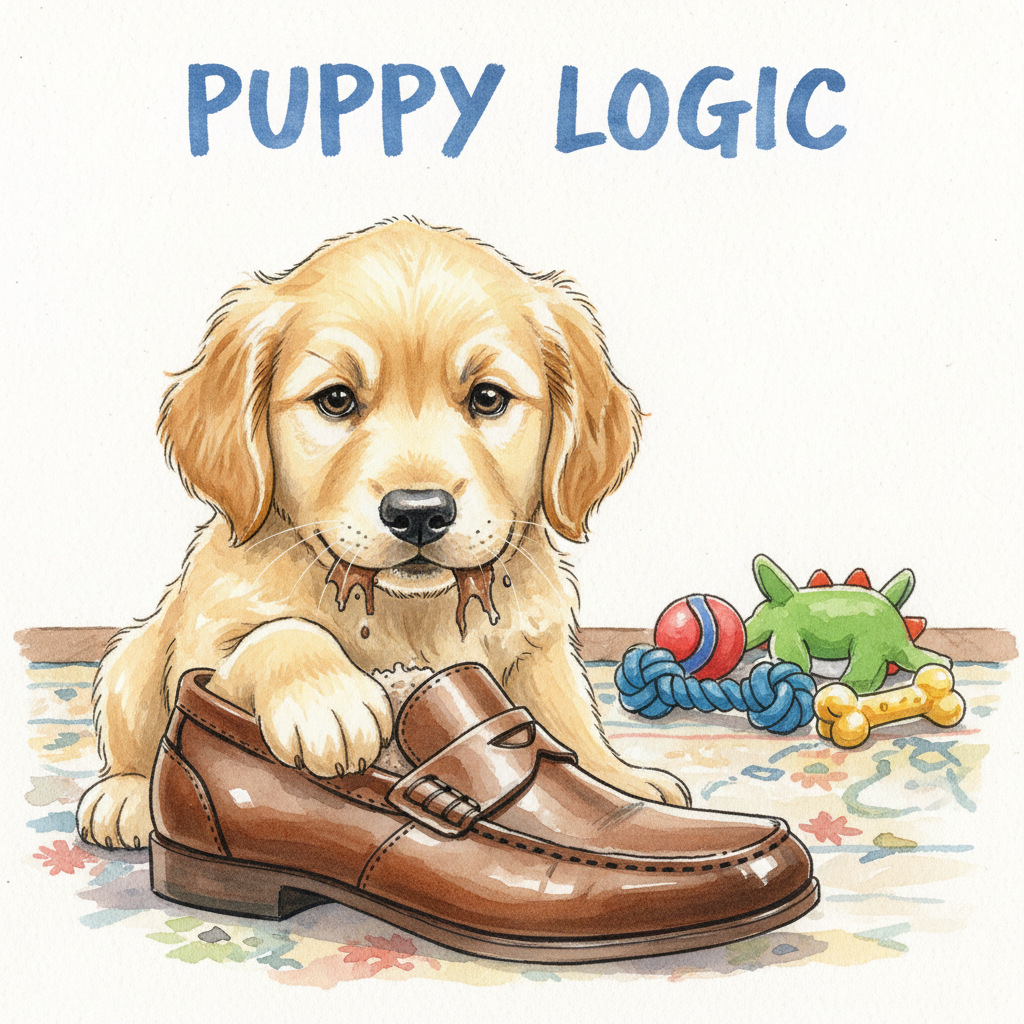
It’s undeniably frustrating when your playful puppy turns your prized Italian leather shoes into chew toys or gnaws relentlessly on your furniture legs—especially when he seems to completely ignore the pile of toys you’ve thoughtfully provided. But take a deep breath and hold back any anger or discouragement. Chewing is an entirely normal part of puppy behavior, and while it can test your patience, it’s also one of the easiest challenges to manage with the right approach.
Why Puppies and Dogs Chew
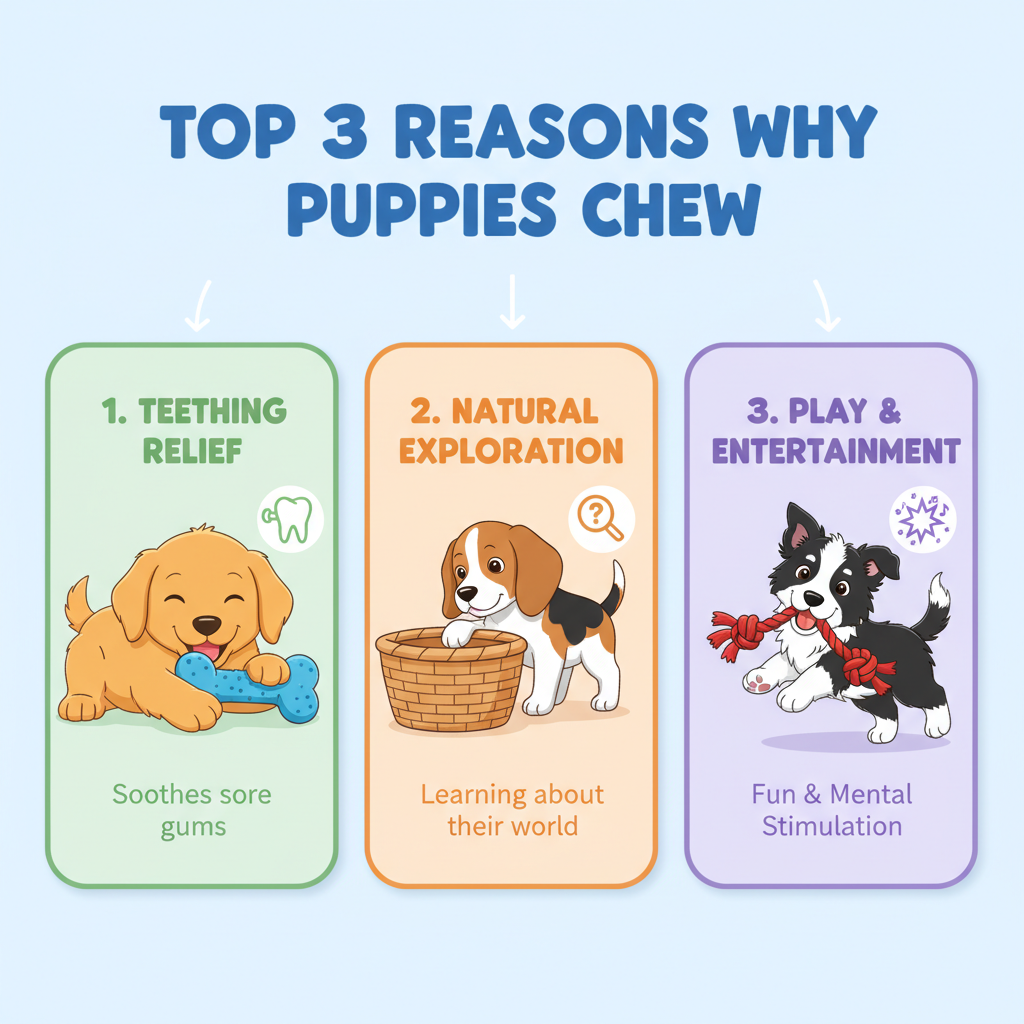
Dogs chew for several instinctual and developmental reasons. Understanding these motivations can help you respond more effectively.
1. They're Teething
Between the ages of 12 weeks and 6 months, puppies undergo a significant transition as their set of 28 puppy teeth fall out and are replaced by 42 permanent adult teeth. This phase can be uncomfortable or even painful, prompting your puppy to chew on various objects to alleviate the teething sensation.
2. It's Natural Exploratory Behavior
Without hands to investigate their surroundings, puppies rely on their mouths to explore everything around them. Chewing allows your pup to learn all about the new textures, tastes, weights, and shapes of their environment, satisfying their innate puppy curiosity.
3. It's Play and Entertainment
What begins as a curious mouthful can quickly become a source of amusement. Chewing on your table leg or favorite slipper may turn into a fun game for your puppy, who finds joy in carrying, tossing, and playing with whatever they can grab. This is a natural form of self-entertainment.
How to Stop Puppy Chewing
While chewing is a natural puppy behavior, you don’t have to resign yourself to a home full of ruined belongings. With patience and strategy, you can guide your puppy toward appropriate chewing habits.
1. Puppy-Proof Your Home
Encouraging healthy exploration while keeping your puppy safe is essential. Puppy-proofing means creating an environment where your puppy knows exactly which items are off-limits.
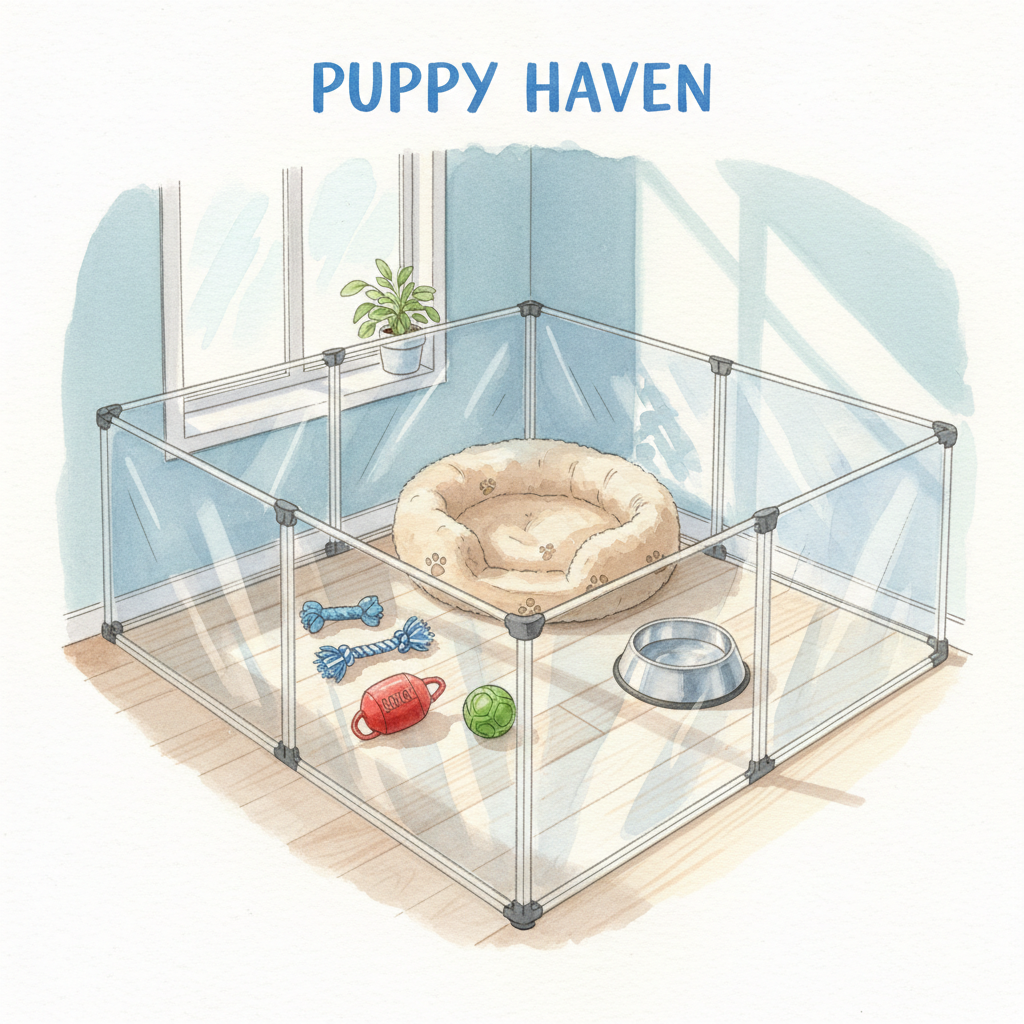
A simple and effective method is to establish a dedicated, dog-safe zone—a small room or confined corner secured by a baby gate or playpen. This area should be free of anything you'd rather your puppy not chew on. When you can’t supervise actively, your pup should be confined to this safe haven.
Fill this space with enriching and comforting items such as:
- Soft, cozy bedding
- A secure crate
- Fresh water in a bowl
- An assortment of dog-friendly toys
Remember, dog-proofing is just as important when you bring home an older dog. New surroundings can pique their curiosity and spark unwanted chewing behaviors if not managed.
2. Select the Perfect Dog Toys
Simply removing off-limit items isn’t enough; you need to replace those with desirable, enticing chew options. Offer your puppy a variety of safe toys that match their size, chewing style, and preferences. A vibrant mix of textures and colors keeps your pup intrigued and stimulated.
Excellent choices include plush toys with squeakers and durable chewables like KONG toys. Rotate the toy selection regularly to maintain your puppy’s interest over time.
Always supervise your dog during playtime. Avoid toys that are excessively hard, as these can jeopardize your pup’s teeth by causing chipping or fractures. Consult your veterinarian for guidance on safe chew toys.
3. Redirect and Distract
Puppies won’t instinctively know which items are off-limits—it’s up to you to teach them.
If you catch your puppy gnawing on a shoe or any forbidden household item, calmly retrieve a favorite toy and engage your pup in enthusiastic play. Toys that squeak are exceptionally effective at grabbing their attention quickly.
Chances are, your pup will drop the off-limit item and eagerly join you to play with the new, exciting toy. This is a prime moment to introduce the “drop it” command, helping your puppy practice exchanging inappropriate objects for acceptable ones.
If your puppy resists trading toys, try offering a tastier treat or a more captivating toy before continuing your play session. Afterwards, remove the forbidden item from your puppy’s reach to avoid repeat offenses.
Importantly, never laugh or yell when your puppy is chewing something they shouldn’t. Your pup could misinterpret your excitement as approval, or become frightened—both outcomes that make training harder and damage your relationship.
If your puppy attempts to chew an object that poses an immediate risk, quickly and calmly remove it. Contact your veterinarian without delay if you suspect your puppy has ingested anything toxic or harmful.
4. Keep Your Puppy Engaged and Busy
Mental and physical enrichment is vital for puppies to grow healthy and happy. Tailor the amount and type of stimulation to your puppy’s age and individual energy levels.
For example, young pups thrive on play breaks between naps and enjoy interactive food toys like snuffle mats where they hunt for kibble. Older dogs may need daily walks, agility training, or dog sports like flyball to stay engaged.
A mentally and physically fulfilled puppy is far less likely to turn to destructive chewing out of boredom.
5. Employ Gentle Aversives
To protect your furniture or other treasures, consider using aversive aids that discourage chewing without punishing your pup directly. These might include:
- Double-sided sticky tape
- Plastic protectors or covers
- Bitter apple spray
- Motion-activated deterrent devices
These methods help your puppy associate unwanted areas or objects with an unpleasant experience—without linking negative feelings to you, which is crucial for a trusting bond.
Make sure your puppy has plenty of appealing chew toys nearby; aversives work best when there's an attractive alternative.
Over time, your pup will learn the boundaries of acceptable chewing, and you can phase out these deterrents.
6. Avoid Harsh Punishment
Frustration is natural, but it’s essential never to resort to yelling, swatting, or other harsh punishments. These tactics can backfire by increasing anxiety, damaging your relationship, and hindering training progress.
Instead, refine your management plan: reinforce puppy-proofing and ensure your puppy always has enticing toys to chew.
With time, patience, and consistent guidance, your puppy will learn to chew the right things—and your shoes and furniture will be much happier for it.