How to Stop a Dog From Digging
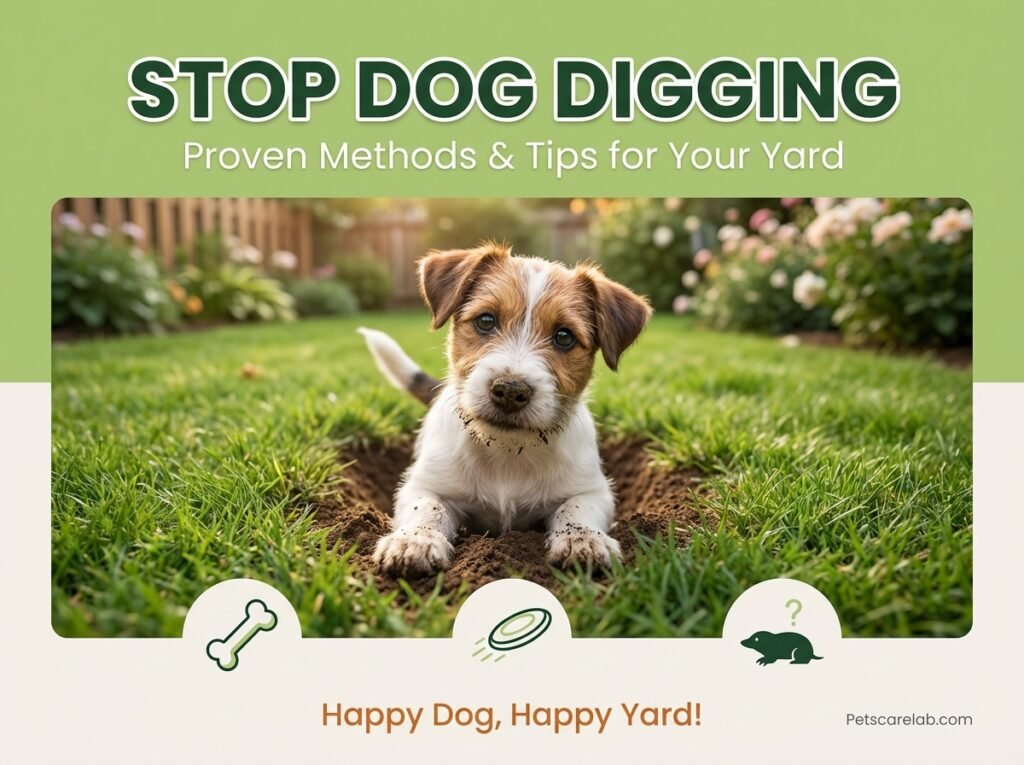
There's nothing quite like discovering a fresh crater in your perfectly manicured lawn, or worse, finding your furry friend halfway under the fence. While digging is totally natural for dogs, it can definitely become a major headache for us pet parents. If you're wondering how to stop dog digging for good, the first step is figuring out why they're doing it. Once you crack that code, you'll be much better equipped to help your pup kick the habit.
Why Your Dog Loves to Dig
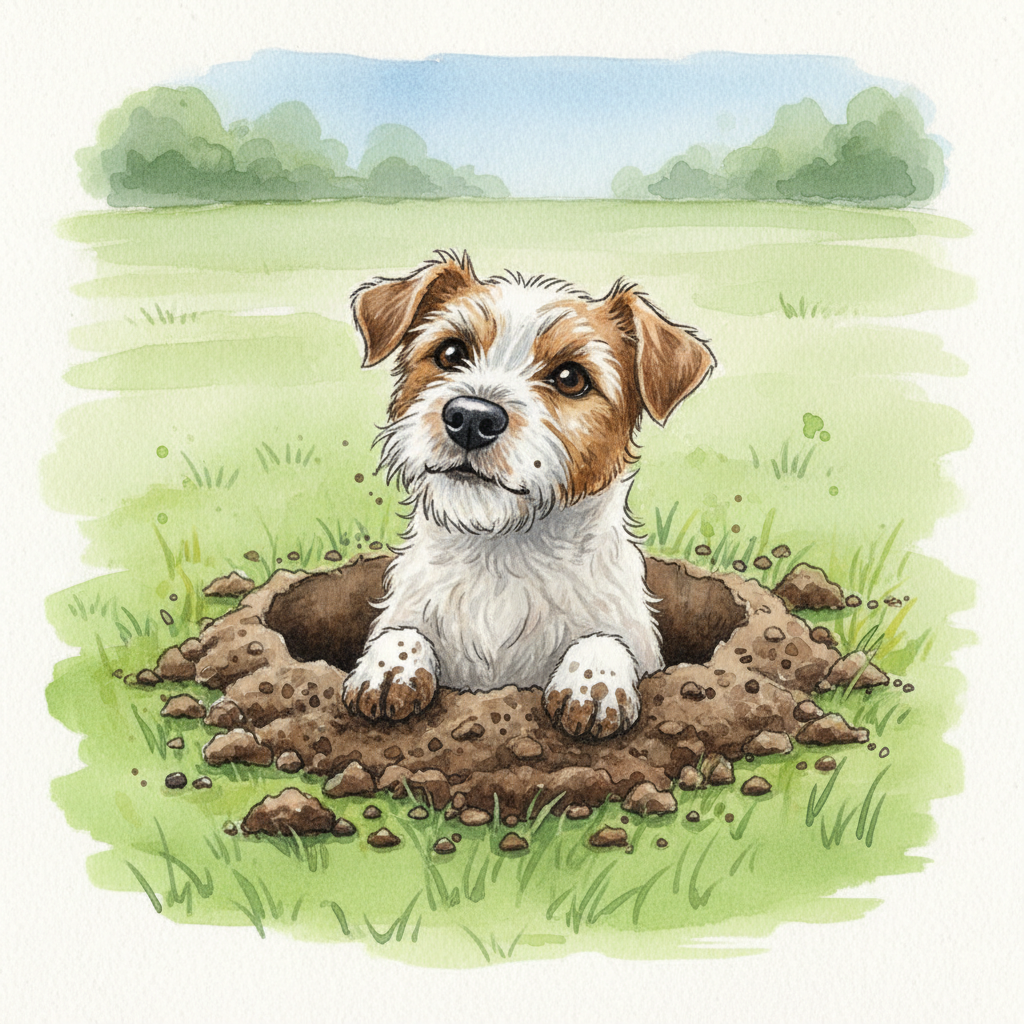
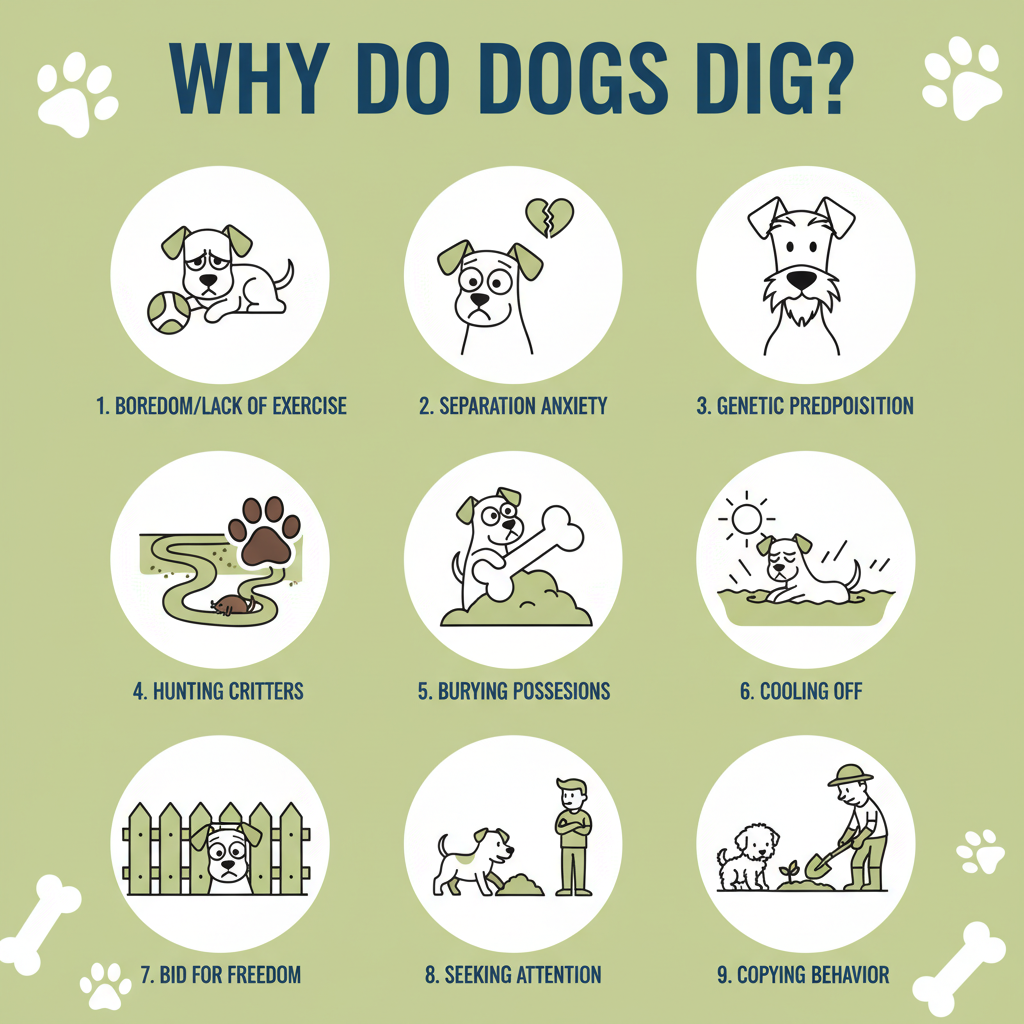
Digging is just part of being a dog. But when it turns into a backyard excavation project or an escape attempt, we've got a problem. To successfully stop your dog from digging, you need to understand the motivation behind their behavior. Here are some of the top reasons why a dog might get their paws dirty:
- They're bored or don't get enough exercise: This is one of the most common reasons. If your dog doesn't have enough to do, they might just turn to digging for some entertainment.
- Stress and separation anxiety: Dogs dealing with separation anxiety often dig as a way to escape or cope with feeling distressed when you're not around.
- It's just in their genes: Some breeds, especially terriers like Jack Russell Terriers or Cairn Terriers, were bred to hunt critters living underground. Digging is deeply wired into their nature.
- Hunting hidden critters: Your dog might be digging to catch or investigate small animals like moles, voles, or gophers that live just beneath the surface.
- Burying their prized possessions: Some dogs love to dig and stash bones, toys, or other cherished items, planning to retrieve them later.
- Trying to cool off: On a hot day, a dog might dig a cool hole to lie in, making their own little natural air conditioning.
- A bid for freedom: Dogs often dig under fences because they want to explore, find a mate, or escape something they perceive as a threat.
- Looking for your attention: If your dog learns that digging gets a reaction from you—even if it's a negative one—they might keep doing it just to get you to notice them.
- Copying what you do: Puppies and young dogs are great imitators! They might just be mimicking what they see their humans doing in the garden.
Practical Steps to Stop Your Dog Digging
Once you understand why your dog's digging, you're ready to tackle the problem head-on. Here are some trusted strategies from our team at Petscarelab to help you modify their behavior:
Amp Up the Exercise and Mental Stimulation
If boredom or a lack of activity is the root cause, boosting your dog's physical and mental engagement can work wonders.
- Longer, more exciting walks: Make sure your dog gets enough daily walks. Tailor the length and intensity to their breed and energy level.
- Active playtime: Engage in lively games like fetch, tug-of-war, or frisbee until they're happily panting.
- Fun training commands: Short, regular training sessions aren't just for obedience; they're fantastic for mental stimulation and strengthening your bond.
- Puzzle toys and treat dispensers: Break out the puzzle feeders or enrichment toys that make your dog "work" for their treats.
- Dog sports: Explore enrolling your dog in agility, obedience, or nose work classes. These activities channel energy and intelligence constructively.
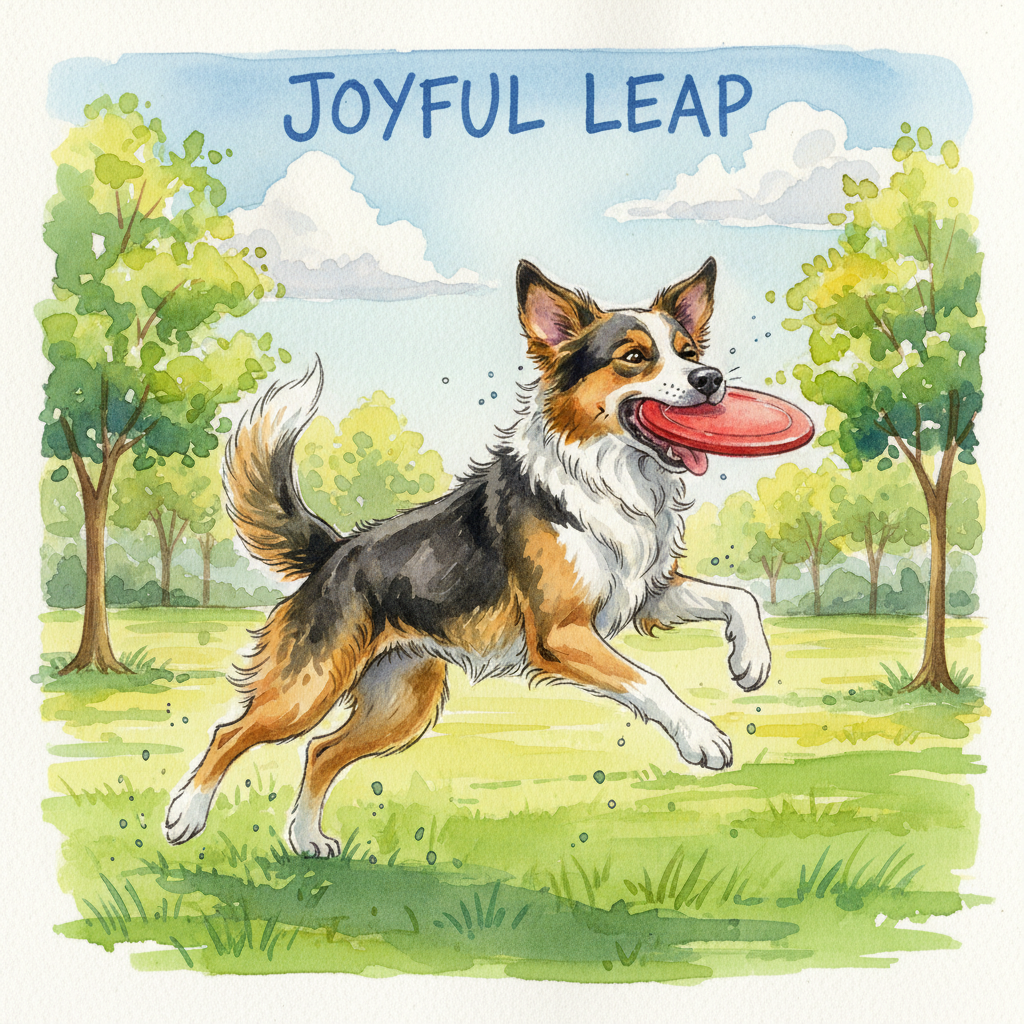
Create a Designated Digging Zone
If your dog just loves to dig because it's instinctive or entertaining, give them a sanctioned space where they can safely indulge.
- Set up a sandbox just for them: Fill it with loose soil or sand.
- Hide some favorite items: Bury some of their favorite toys or treats in this area to encourage them to dig there instead of your flower beds.
- Shower them with praise: When they dig in their special spot, make a big deal about it! Praise and reward them lavishly.
Tackle Separation Anxiety
If your dog digs when left alone, it could be a cry for help related to separation anxiety. This usually requires a more comprehensive approach.
- Start with super short departures: Practice leaving your dog alone for brief periods and gradually increase the time as they get comfortable.
- Make your leaving a positive thing: Help your dog associate your departure with good things, like a special, long-lasting treat or a favorite puzzle toy they only get when you leave.
- Get professional support: For severe cases, reach out to a certified professional dog trainer or a veterinary behaviorist. They can create a tailored behavior modification plan just for your pup.
Deter Digging in Off-Limits Spots
For specific areas you absolutely want to protect, you can try some deterrents.
- Bury some barriers: Place chicken wire (with bent edges pointing down) or large rocks a few inches below the surface in spots where your dog frequently digs.
- Try off-putting scents: Some dogs really dislike the smell of citrus peels, coffee grounds, or pepper. Sprinkle these in problem areas, making sure they're safe for your dog.
- Plant some prickly deterrents: Plant thorny bushes or other plants your dog finds unappealing in their favorite digging spots.
- Install motion-activated sprinklers: These can surprise your dog and effectively deter them from approaching the area.
Secure Your Fences
If your dog is digging to escape, reinforcing your fence line is crucial.
- Bury the fence deeper: Extend your existing fence material a foot or two underground.
- Add an L-footer: Create an "L-footer" by attaching wire mesh to the bottom of the fence and extending it horizontally into the yard. This makes it impossible for them to dig straight down.
- Heavy up the base: Place large rocks, pavers, or concrete blocks along the inside base of the fence.
Supervise and Redirect
Active supervision is incredibly important, especially when you're outside with your dog.
- Catch them in the act: If you spot your dog starting to dig where they shouldn't, immediately interrupt them with a verbal cue like "No digging!" or "Leave it!"
- Steer them away: Immediately redirect their attention to an appropriate activity, like playing fetch or heading to their designated digging spot.
- Be consistent, always: Consistency with your commands and redirection helps your dog quickly understand what's acceptable and what's not.
Training and Positive Reinforcement
Teaching your dog specific commands can be a game-changer for managing digging.
- Teach "Leave It": This command is excellent for getting them to stop digging or interacting with something undesirable.
- Master "Drop It": If they've dug something up and have it in their mouth, "Drop It" can be very useful.
- Heap on the praise: When your dog chooses not to dig, or when they dig in their designated spot, reward them generously with praise, tasty treats, or their favorite toy.
Consult a Professional
If you've tried various methods without success, or if your dog's digging is part of other challenging behaviors (like aggression or extreme anxiety), it's time to seek professional help.
- Your Vet: First, rule out any underlying medical conditions that might contribute to anxiety or restlessness.
- A Certified Professional Dog Trainer: A trainer can guide you through implementing effective behavior modification techniques.
- A Veterinary Behaviorist: For truly stubborn cases, where you feel like you've tried everything, a board-certified veterinary behaviorist has specialized training in diagnosing and treating complex behavioral issues and can be a lifesaver.
Helping your dog stop digging takes patience, consistency, and a real understanding of what makes them tick. By meeting their needs and giving them appropriate ways to express those natural digging instincts, you'll not only save your garden but also build an even stronger bond with your best friend. Our team at Petscarelab is always here to support you every step of the way!