Understanding SLO in Dogs: When Your Pup's Paws Need Extra Care
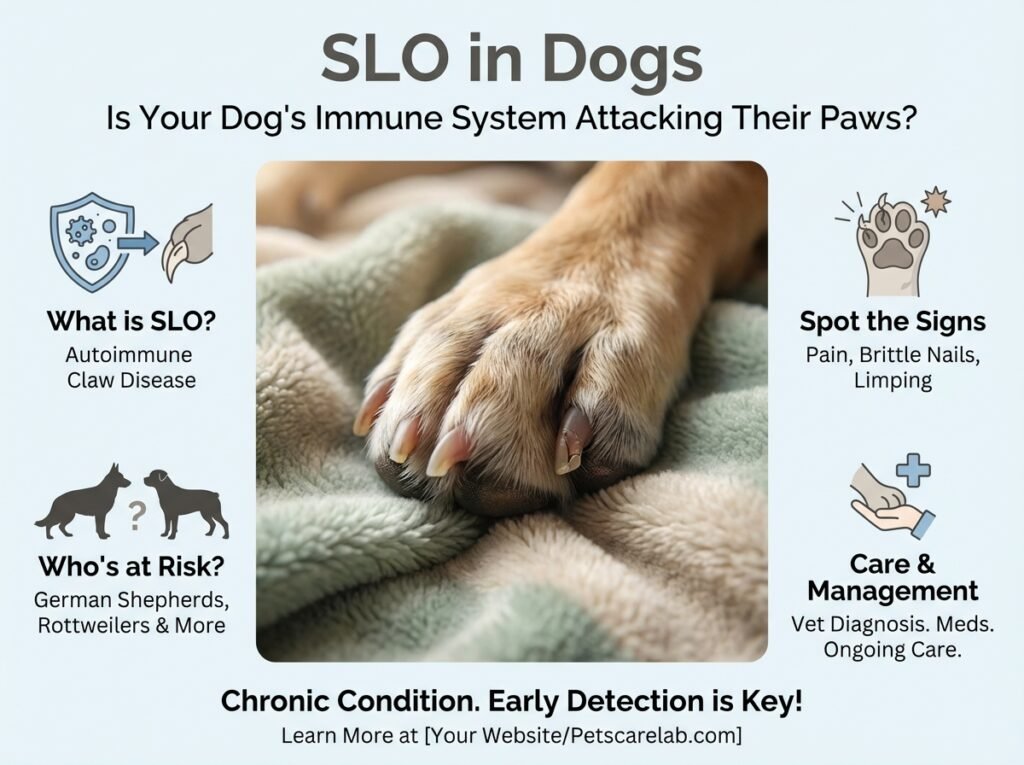
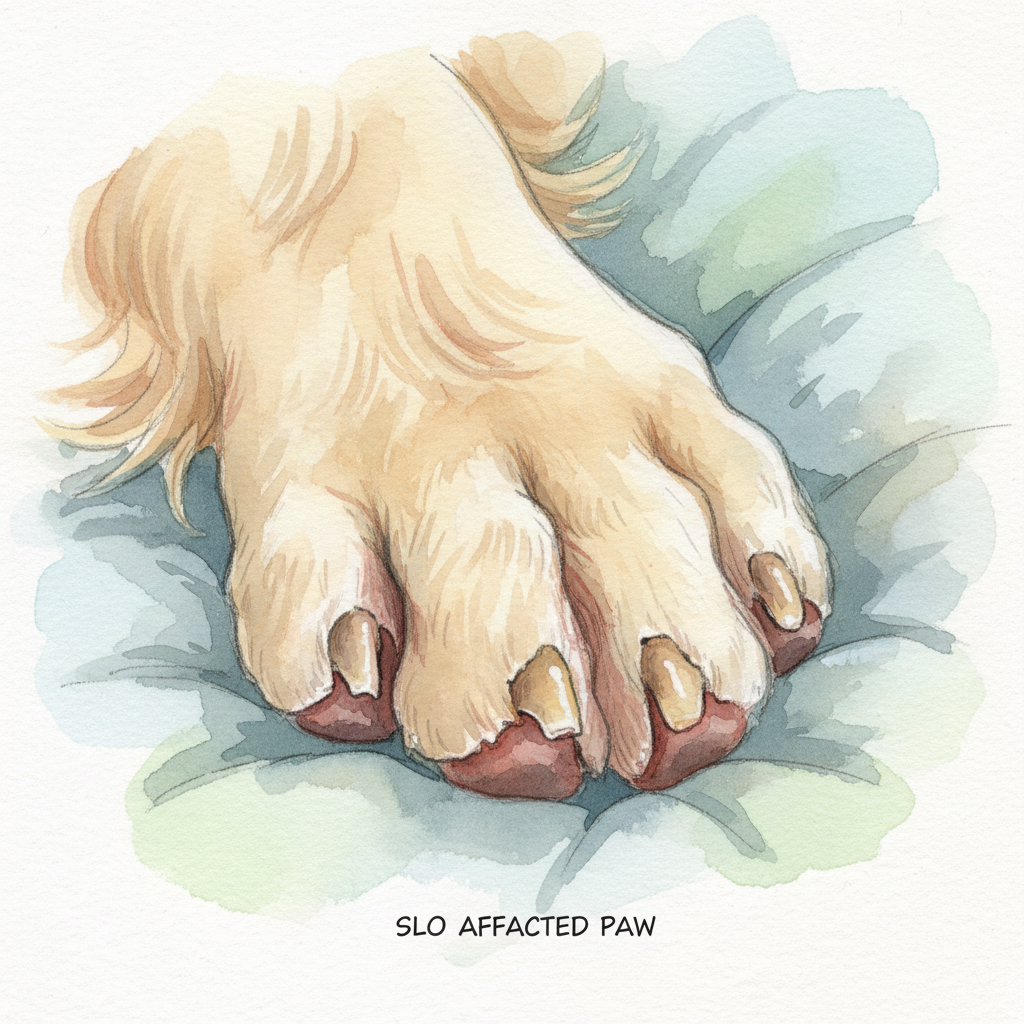
Imagine your beloved dog, once eager to run and play, suddenly limping, wincing when you touch their paws, or even losing their toenails. These unsettling symptoms might point to a condition known as symmetrical lupoid onychodystrophy, or SLO in dogs. This uncommon immune-mediated disease specifically targets your dog's claws, causing inflammation and damage to the claw beds. It leads to brittle, deformed, painful claws that can even fall off. SLO is a chronic condition, meaning it needs ongoing care and attention from you and your vet.
What Are the Signs of SLO in Dogs?
SLO in dogs primarily affects their claws. Here are some key symptoms to watch out for:
- Sudden problems: Symptoms often appear quickly and affect multiple claws, sometimes on all four paws.
- Loose or lost claws: Your dog's claws might become loose or even fall off completely.
- Painful paws: You'll likely notice your dog is sensitive or in pain when their paws are touched.
- Trouble walking: Your pup might limp or be reluctant to walk or put weight on their paws.
- Damaged claws: Look for claws that are cracked, brittle, discolored, or oddly shaped.
- Bleeding: The area where the claw meets the paw might bleed.
- Infections: Sometimes, secondary bacterial infections can pop up, causing pus or discharge around the claw beds.
- Aggression or fear: Your dog might react with pain or aggression if you try to examine their paws.
- Poor regrowth: Affected claws might not grow back at all, or they might grow back abnormally.
Why Do Dogs Get Lupoid Onychodystrophy?
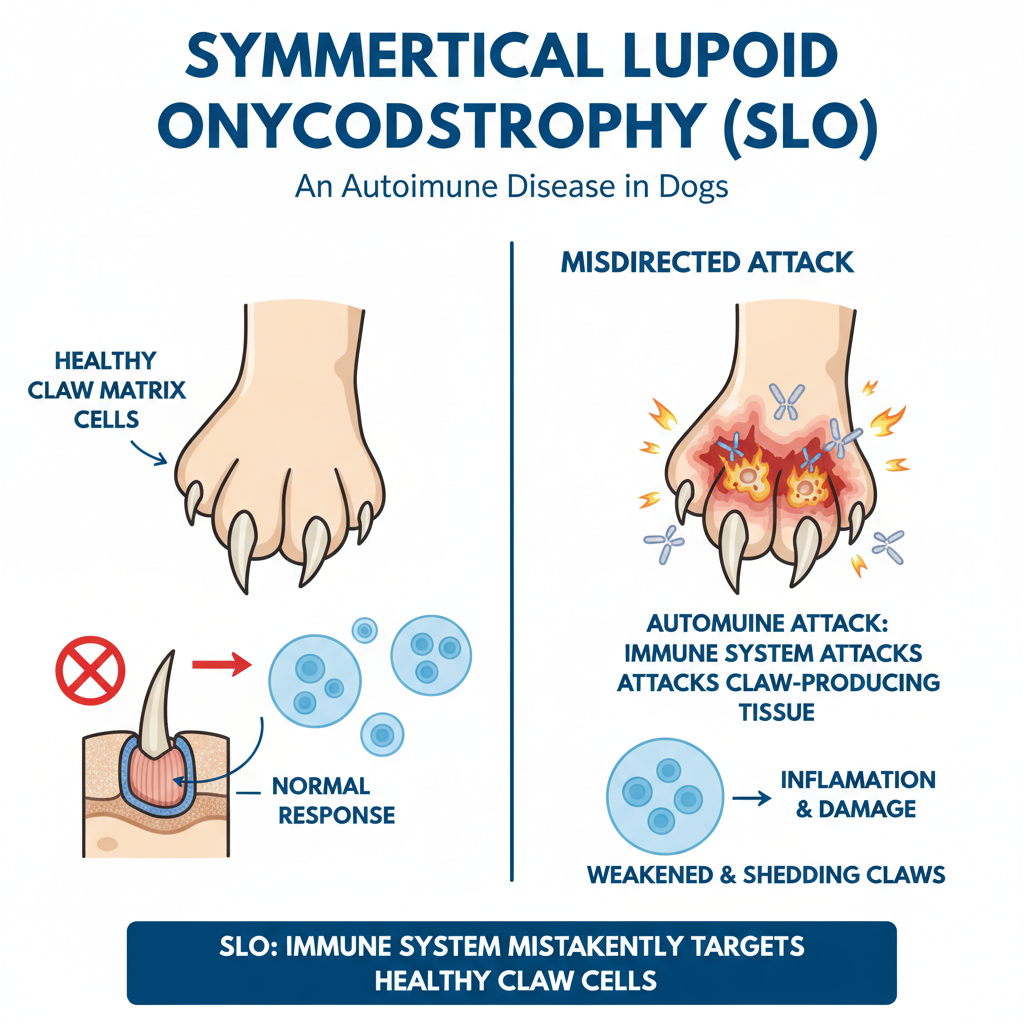
We don't fully understand what causes lupoid onychodystrophy in dogs. Veterinary specialists believe it's an autoimmune disease. This means your dog's immune system, which should protect them from illness, mistakenly attacks their own body tissues. In this case, it targets the cells responsible for growing healthy claws. Some research suggests a genetic link, as certain breeds seem more prone to developing SLO.
Which Breeds Are More Prone to SLO?
While any dog can develop lupoid onychodystrophy, our team at Petscarelab has seen that some breeds are diagnosed more often:
- German Shepherd Dogs
- Rottweilers
- Gordon Setters
- Rough Collies
- English Setters
- Labrador Retrievers
- Greyhounds
- Brittany Spaniels
- Cavalier King Charles Spaniels
How Vets Diagnose SLO in Dogs
Diagnosing lupoid onychodystrophy usually involves a careful physical exam, a chat about your dog's health history, and specific tests. Your vet will thoroughly check your dog's paws and claws, noting how many are affected and how much damage there is. The most definitive way to diagnose SLO in dogs is through a claw biopsy. This procedure involves carefully removing one or more claws along with their nail beds. A veterinary pathologist then examines these samples under a microscope. They look for specific inflammation and damage to the claw matrix that confirms SLO. Your dog will need sedation or general anesthesia for this.
Your vet might also perform other tests to rule out different conditions:
- Blood tests can help exclude other widespread diseases.
- Fungal cultures check for fungal infections that could mimic SLO.
- Bacterial cultures are done if your vet suspects a secondary infection, helping them choose the right antibiotic.
- X-rays of the paws can rule out bone problems or tumors.
How Vets Treat Lupoid Onychodystrophy
Lupoid onychodystrophy is a chronic condition that needs ongoing care. Treatment focuses on calming inflammation, easing pain, preventing infections, and encouraging new, healthy claw growth. Vets tailor treatment plans to each dog, considering the severity of their condition.
Medications
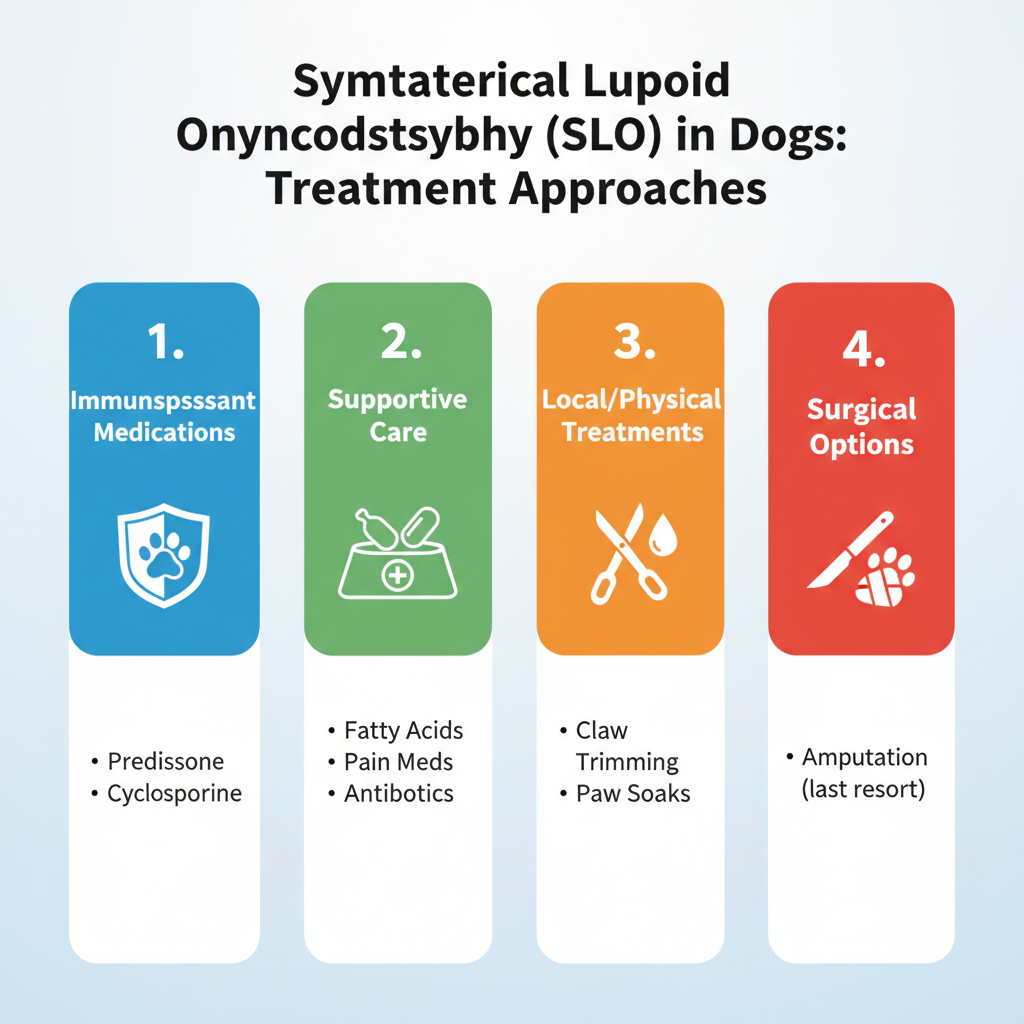
- Immunosuppressants: These are vital for treatment. Medications like prednisone (a corticosteroid) or cyclosporine help calm an overactive immune system, which then reduces inflammation and claw damage.
- Fatty Acid Supplements: Omega-3 fatty acids, often found in fish oil, have anti-inflammatory benefits and can improve claw health.
- Tetracycline and Niacinamide: This combination, usually doxycycline (an antibiotic with anti-inflammatory effects) and niacinamide (a type of vitamin B3), can be effective for some dogs, especially those with milder cases.
- Pain Medication: Your vet might prescribe NSAIDs or other pain relievers to manage your dog's discomfort.
- Antibiotics: If secondary bacterial infections are present, your vet will prescribe antibiotics based on tests that show which medicine will work best.
Other Treatments
- Claw Trimming: Regular and careful trimming of affected claws is crucial. This prevents further damage and keeps your dog more comfortable. Sometimes, vets need to remove severely damaged or loose claws under sedation or anesthesia.
- Paw Soaks and Topical Treatments: Soaking your dog's paws in antiseptic solutions (like Epsom salts or diluted chlorhexidine) helps clean the claws, reduces inflammation, and guards against infections. Your vet might also prescribe topical medications.
- Dietary Changes: In some situations, a special hypoallergenic diet might be suggested to see if food allergies are making the condition worse.
- Surgery (Distal Phalange Amputation): For severe cases where medicines don't help, and your dog is constantly in pain, surgical removal of an affected toe might be a last resort. This is usually only considered if just one or two toes are involved.
Living with SLO: Recovery and Management
Long-Term Commitment: Remember, SLO in dogs is a chronic condition that needs lifelong management. Regular check-ups with your vet are essential to track your dog's progress and adjust their treatment plan. Ongoing Claw Care: You'll need to continue diligent claw care, which includes regular trimming and keeping an eye out for any signs that the condition is flaring up or an infection is starting. Patience is Key: It can take several months for new, healthy claws to grow back, and relapses are possible. Sticking to your dog's medication schedule and care routine is crucial for managing the disease and keeping your dog comfortable and happy.
Is There a Cure for Lupoid Onychodystrophy in Dogs?
Currently, there's no definitive cure for lupoid onychodystrophy. However, with the right treatment and consistent care, you can manage it effectively. The main goals are to control the immune response, ease your dog's symptoms, help healthy claws regrow, and significantly improve their comfort and overall quality of life. Catching the disease early and sticking to the treatment plan are vital for giving your dog the best possible outcome.