
Signs a Dog Is Dying: What Every Pet Parent Needs to Know
Watching your beloved dog grow old and face the end of their journey is one of the toughest challenges a pet parent will ever go through. Whether your furry friend is battling a serious illness or simply nearing the end of a long, happy life, knowing the signs a dog is dying can help you provide the most comfort and peace during their final days. Our team at Petscarelab understands how heartbreaking this time is, and we're here to guide you.

Common Signs Your Dog Is Dying
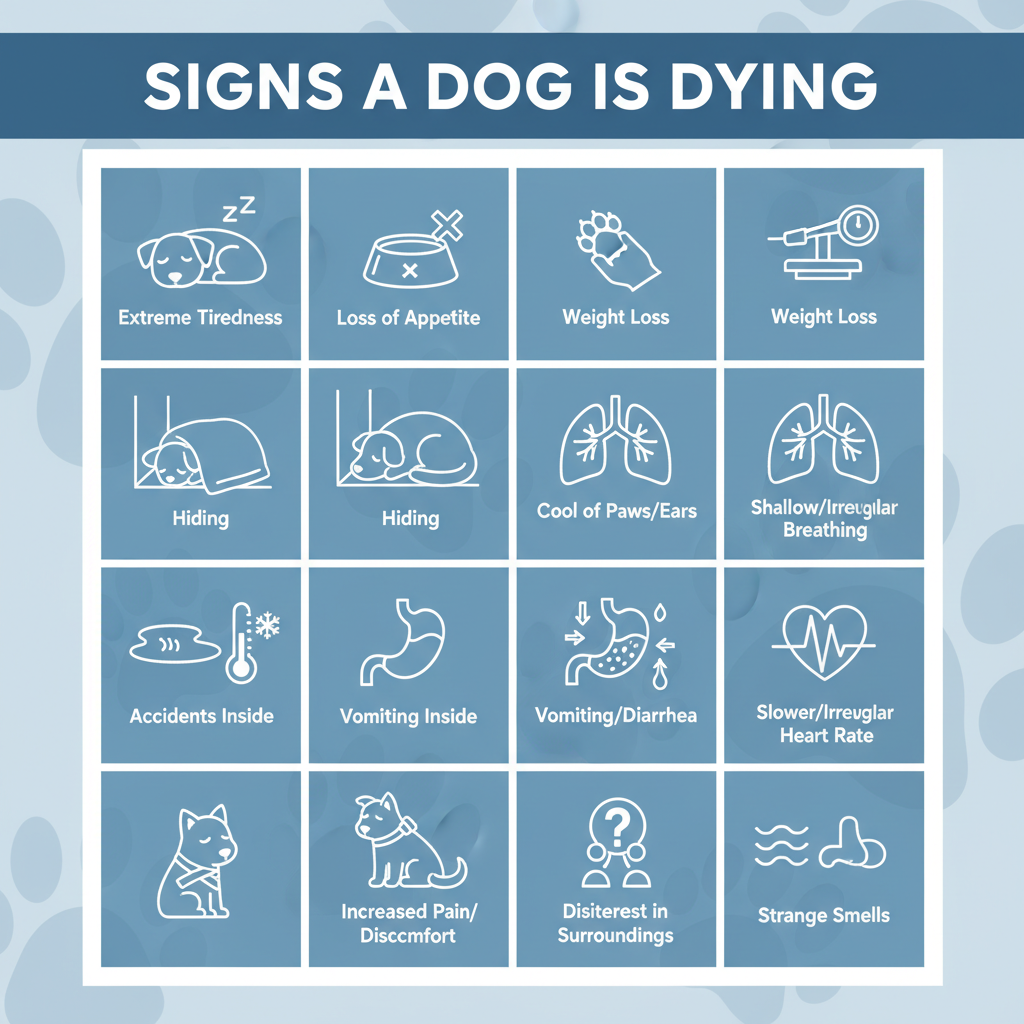
Dogs are incredibly good at hiding their pain, which means some of the earliest signs can be quite subtle. You'll want to keep an eye out for a combination of these changes rather than just one. Here are some of the most common signs a dog is dying:
- Extreme tiredness and low energy. As your dog nears the end, they'll sleep much more and show little interest in their usual joys. They might skip walks, ignore their favorite toys, or even stay put instead of jumping up to greet you. Getting up can become a slow, difficult process.
- Stumbling and loss of balance. You might notice your dog stumbling, having trouble standing, or even falling over. Their muscles weaken, and their brain changes, making coordination a real struggle.
- Won't eat or drink. Losing their appetite for food and water is a very common sign that a dog's body is shutting down. Even their most cherished treats might not tempt them anymore.
- Weight loss. With less eating and a slowing metabolism, a dog who is dying will lose weight. You might start to see their bones becoming more noticeable.
- Hiding or wanting to be alone. Dogs often follow an instinct to isolate themselves when they feel unwell or are in pain. Your pup might seek out quiet corners, avoid family time, or even get a bit grumpy if you approach them.
- Body temperature changes. A dog's body temperature can drop significantly. You might feel their paws and ears are noticeably cool to the touch.
- Breathing changes. Their breathing might become shallow, irregular, or strained. You could hear them panting heavily, or notice long, uncomfortable pauses between breaths.
- Accidents inside. As their muscles weaken, dogs can lose control of their bladder and bowels, leading to accidents around the house.
- Throwing up or diarrhea. Their digestive system can start to fail, leading to an upset tummy.
- Heart rate changes. A dog's heart might beat slower or irregularly. You could try to feel a faint pulse in their thigh.
- Increased pain or discomfort. Even though dogs try to hide pain, signs like soft whimpering, restless pacing, or a constant struggle to get comfortable can tell you they're hurting.
- No longer cares about their surroundings. They might stop responding to your voice, their toys, or other things that once made them happy. It’s like their focus has drifted away.
- Strange smells. When organs begin to fail, a dying dog can develop unusual, sometimes foul, odors from their breath or body.
The best way to figure out if your dog is truly nearing the end is to look for several of these signs together. One sign on its own might not mean much, but a cluster of them definitely warrants a call to your vet.
Remember, every dog is unique, and yours might not show all of these signs. If you notice any of these changes in your dog, it's always best to chat with your vet. They can help you understand what's happening and guide you through this difficult time.
The Final Stages of a Dog Dying
In the last hours or days, a dog who is dying will typically show a worsening of the signs listed above.
As dogs get very close to death, they usually become incredibly weak and unresponsive. Their breathing will grow very shallow and uneven, and they might stop eating and drinking completely.
Other signs in these final moments of a dog dying can include:
- Can't stand or move. They might be too weak to even lift their head or shift positions on their own.
- A deep, coma-like sleep. They may become completely unresponsive, appearing to be in a very deep sleep.
- Blank staring. Their eyes might look unfocused or glazed over.
- Muscle twitching or seizures. While not every dog experiences this, some might have involuntary muscle movements or even seizures.
- Body temperature drops even further. Their body will continue to feel cold to the touch.
- Gasping for breath. This often signals the very end, as their respiratory system gives out.
- Urination and defecation. They might involuntarily release their bladder or bowels as their body fully relaxes.
These signs can be heartbreaking to witness, but they are a natural part of the dying process.
The most important thing you can do right now is to keep your dog comfortable and peaceful in their final moments.
What to Do When Your Dog Is Dying
When your dog is dying, your main focus should be making sure they're comfortable, loved, and as free from pain as possible. Here are some steps you can take:
- Talk to your vet. Our team at Petscarelab always recommends consulting with your vet first. They can give you an accurate diagnosis, help manage pain, and offer support. They're also there to discuss options like euthanasia if your dog is in severe pain.
- Create a comfort zone. Provide a soft, warm bed in a quiet, familiar spot. Drape their favorite blankets over them and surround them with beloved toys.
- Offer food and water gently. Even if they barely eat or drink, offer small amounts of their favorite foods. You can try offering water from a syringe if they can still swallow, but never force them if they refuse.
- Keep them clean. Clean up any messes right away to keep your dog dry and comfortable. Gently brush their fur if they still enjoy it.
- Spend quality time together. Talk to them in a soft voice, pet them, and simply be present. Your calming presence can bring immense comfort to both of you.
- Manage their pain. Work closely with your vet to make sure your dog has the right pain relief. This might mean medication or other supportive care.
- Consider euthanasia. If your dog is truly suffering and their quality of life has dramatically dropped, euthanasia can be the kindest choice. Your vet can help you navigate this incredibly difficult decision.
- Allow yourself to grieve. It's okay to feel deeply sad, angry, or numb. Give yourself permission to mourn the loss and remember all the joy your dog brought into your life. Reach out to friends, family, or pet bereavement groups for support.
When to Consider Euthanasia for a Dying Dog
Deciding when to say goodbye is perhaps the hardest decision a pet parent will ever make. Euthanasia is a compassionate choice when your dog's suffering can no longer be managed, and their quality of life has significantly declined.
It's about choosing your dog's peace and comfort over your own desire to keep them by your side a little longer.
Here are some signs that might tell you it's time to consider euthanasia:
- Unbearable pain. Your dog is in constant, severe pain that medication simply can't control anymore.
- Lost all interest in life. They no longer enjoy their favorite activities, special foods, or interacting with you. Their spark is gone.
- Can't do basic things. They struggle to stand, walk, eat, drink, or relieve themselves without significant difficulty or distress.
- Constant throwing up or diarrhea. Persistent digestive problems lead to dehydration and ongoing discomfort.
- Severe breathing trouble. They're constantly struggling for air, even with medication.
- Aggression because of pain. A usually sweet dog might become irritable or even aggressive due to intense pain or fear.
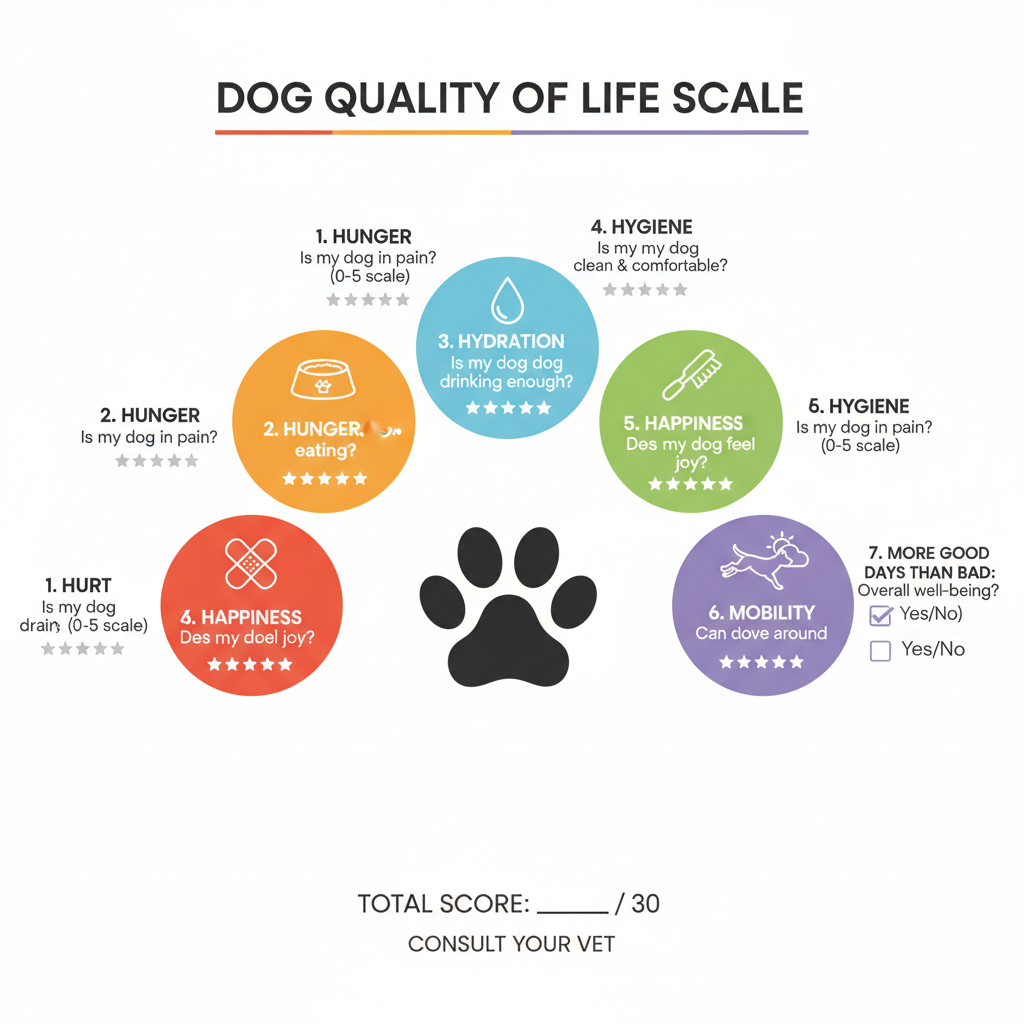
Many veterinary specialists use a "Quality of Life Scale" to help pet parents objectively assess their dog's well-being. This helpful tool looks at factors like:
- Hurt: Is their pain under control?
- Hunger: Are they eating enough?
- Hydration: Are they drinking enough?
- Hygiene: Can they be kept clean and comfortable?
- Happiness: Do they still experience moments of joy?
- Mobility: Can they move around on their own?
- More Good Days Than Bad: Do the good days still outweigh the bad ones?
Ultimately, this is a deeply personal decision, and your vet will be there to guide you.
Your vet can help you truly understand the severity of your dog's condition and discuss all the options available. They can also offer support and resources to help you cope with your grief.
What are the earliest signs a dog is dying?
The earliest signs a dog is dying can be subtle. Look for increased tiredness, less interest in things they used to love, a slight drop in appetite, and a tendency to withdraw or seek solitude. They might sleep more and just seem less enthusiastic about walks or playtime.
How do I know if my old dog is suffering?
An old dog might be suffering if they show constant signs of pain like whimpering, restlessness, inability to get comfortable, or changes in their posture. Other indicators include a major loss of appetite and weight, trouble breathing, accidents in the house, or a complete lack of interest in their usual interactions and surroundings. A noticeable decline in their overall quality of life is a strong signal.
What happens in the last 24 hours of a dog's life?
In the final 24 hours, a dog typically becomes very weak and unresponsive. Their breathing might turn very shallow, irregular, or labored, with long pauses. They'll likely stop eating and drinking completely, and their body temperature will drop, feeling cool to the touch. You might see involuntary muscle twitching or gasping. They'll probably be unable to stand or move and might enter a coma-like state.
How do dogs act right before they die?
Right before they pass, dogs often become extremely weak and unresponsive, sometimes seeming to be in a deep sleep or a coma. Their breathing will be very shallow and uneven, sometimes with gasping sounds. Their muscles will relax, which can lead to involuntary urination or defecation. They won't show any interest in food or water, and their body will feel cold. Some dogs might instinctively try to find a quiet, isolated spot.
Do dogs know they are dying?
While we can't truly know what dogs think or feel, many veterinary specialists believe dogs sense big changes in their own bodies and daily routines. They might not understand death in the human way, but they certainly experience discomfort, weakness, and a general decline in well-being. This can lead to behavioral changes like seeking comfort, pulling away, or seeming restless. Some dogs might even try to isolate themselves, which is a common instinct in many animals when they feel unwell.
,
Signs a Dog Is Dying: What Every Pet Parent Needs to Know
Watching your beloved dog grow old and face the end of their journey is one of the toughest challenges a pet parent will ever go through. Whether your furry friend is battling a serious illness or simply nearing the end of a long, happy life, knowing the signs a dog is dying can help you provide the most comfort and peace during their final days. Our team at Petscarelab understands how heartbreaking this time is, and we're here to guide you.
Common Signs Your Dog Is Dying
Dogs are incredibly good at hiding their pain, which means some of the earliest signs can be quite subtle. You'll want to keep an eye out for a combination of these changes rather than just one. Here are some of the most common signs a dog is dying:
- Extreme tiredness and low energy. As your dog nears the end, they'll sleep much more and show little interest in their usual joys. They might skip walks, ignore their favorite toys, or even stay put instead of jumping up to greet you. Getting up can become a slow, difficult process.
- Stumbling and loss of balance. You might notice your dog stumbling, having trouble standing, or even falling over. Their muscles weaken, and their brain changes, making coordination a real struggle.
- Won't eat or drink. Losing their appetite for food and water is a very common sign that a dog's body is shutting down. Even their most cherished treats might not tempt them anymore.
- Weight loss. With less eating and a slowing metabolism, a dog who is dying will lose weight. You might start to see their bones becoming more noticeable.
- Hiding or wanting to be alone. Dogs often follow an instinct to isolate themselves when they feel unwell or are in pain. Your pup might seek out quiet corners, avoid family time, or even get a bit grumpy if you approach them.
- Body temperature changes. A dog's body temperature can drop significantly. You might feel their paws and ears are noticeably cool to the touch.
- Breathing changes. Their breathing might become shallow, irregular, or strained. You could hear them panting heavily, or notice long, uncomfortable pauses between breaths.
- Accidents inside. As their muscles weaken, dogs can lose control of their bladder and bowels, leading to accidents around the house.
- Throwing up or diarrhea. Their digestive system can start to fail, leading to an upset tummy.
- Heart rate changes. A dog's heart might beat slower or irregularly. You could try to feel a faint pulse in their thigh.
- Increased pain or discomfort. Even though dogs try to hide pain, signs like soft whimpering, restless pacing, or a constant struggle to get comfortable can tell you they're hurting.
- No longer cares about their surroundings. They might stop responding to your voice, their toys, or other things that once made them happy. It’s like their focus has drifted away.
- Strange smells. When organs begin to fail, a dying dog can develop unusual, sometimes foul, odors from their breath or body.
The best way to figure out if your dog is truly nearing the end is to look for several of these signs together. One sign on its own might not mean much, but a cluster of them definitely warrants a call to your vet.
Remember, every dog is unique, and yours might not show all of these signs. If you notice any of these changes in your dog, it's always best to chat with your vet. They can help you understand what's happening and guide you through this difficult time.
The Final Stages of a Dog Dying
In the last hours or days, a dog who is dying will typically show a worsening of the signs listed above.
As dogs get very close to death, they usually become incredibly weak and unresponsive. Their breathing will grow very shallow and uneven, and they might stop eating and drinking completely.
Other signs in these final moments of a dog dying can include:
- Can't stand or move. They might be too weak to even lift their head or shift positions on their own.
- A deep, coma-like sleep. They may become completely unresponsive, appearing to be in a very deep sleep.
- Blank staring. Their eyes might look unfocused or glazed over.
- Muscle twitching or seizures. While not every dog experiences this, some might have involuntary muscle movements or even seizures.
- Body temperature drops even further. Their body will continue to feel cold to the touch.
- Gasping for breath. This often signals the very end, as their respiratory system gives out.
- Urination and defecation. They might involuntarily release their bladder or bowels as their body fully relaxes.
These signs can be heartbreaking to witness, but they are a natural part of the dying process.
The most important thing you can do right now is to keep your dog comfortable and peaceful in their final moments.
What to Do When Your Dog Is Dying
When your dog is dying, your main focus should be making sure they're comfortable, loved, and as free from pain as possible. Here are some steps you can take:
- Talk to your vet. Our team at Petscarelab always recommends consulting with your vet first. They can give you an accurate diagnosis, help manage pain, and offer support. They're also there to discuss options like euthanasia if your dog is in severe pain.
- Create a comfort zone. Provide a soft, warm bed in a quiet, familiar spot. Drape their favorite blankets over them and surround them with beloved toys.
- Offer food and water gently. Even if they barely eat or drink, offer small amounts of their favorite foods. You can try offering water from a syringe if they can still swallow, but never force them if they refuse.
- Keep them clean. Clean up any messes right away to keep your dog dry and comfortable. Gently brush their fur if they still enjoy it.
- Spend quality time together. Talk to them in a soft voice, pet them, and simply be present. Your calming presence can bring immense comfort to both of you.
- Manage their pain. Work closely with your vet to make sure your dog has the right pain relief. This might mean medication or other supportive care.
- Consider euthanasia. If your dog is truly suffering and their quality of life has dramatically dropped, euthanasia can be the kindest choice. Your vet can help you navigate this incredibly difficult decision.
- Allow yourself to grieve. It's okay to feel deeply sad, angry, or numb. Give yourself permission to mourn the loss and remember all the joy your dog brought into your life. Reach out to friends, family, or pet bereavement groups for support.
When to Consider Euthanasia for a Dying Dog
Deciding when to say goodbye is perhaps the hardest decision a pet parent will ever make. Euthanasia is a compassionate choice when your dog's suffering can no longer be managed, and their quality of life has significantly declined.
It's about choosing your dog's peace and comfort over your own desire to keep them by your side a little longer.
Here are some signs that might tell you it's time to consider euthanasia:
- Unbearable pain. Your dog is in constant, severe pain that medication simply can't control anymore.
- Lost all interest in life. They no longer enjoy their favorite activities, special foods, or interacting with you. Their spark is gone.
- Can't do basic things. They struggle to stand, walk, eat, drink, or relieve themselves without significant difficulty or distress.
- Constant throwing up or diarrhea. Persistent digestive problems lead to dehydration and ongoing discomfort.
- Severe breathing trouble. They're constantly struggling for air, even with medication.
- Aggression because of pain. A usually sweet dog might become irritable or even aggressive due to intense pain or fear.
Many veterinary specialists use a "Quality of Life Scale" to help pet parents objectively assess their dog's well-being. This helpful tool looks at factors like:
- Hurt: Is their pain under control?
- Hunger: Are they eating enough?
- Hydration: Are they drinking enough?
- Hygiene: Can they be kept clean and comfortable?
- Happiness: Do they still experience moments of joy?
- Mobility: Can they move around on their own?
- More Good Days Than Bad: Do the good days still outweigh the bad ones?
Ultimately, this is a deeply personal decision, and your vet will be there to guide you.
Your vet can help you truly understand the severity of your dog's condition and discuss all the options available. They can also offer support and resources to help you cope with your grief.
What are the earliest signs a dog is dying?
The earliest signs a dog is dying can be subtle. Look for increased tiredness, less interest in things they used to love, a slight drop in appetite, and a tendency to withdraw or seek solitude. They might sleep more and just seem less enthusiastic about walks or playtime.
How do I know if my old dog is suffering?
An old dog might be suffering if they show constant signs of pain like whimpering, restlessness, inability to get comfortable, or changes in their posture. Other indicators include a major loss of appetite and weight, trouble breathing, accidents in the house, or a complete lack of interest in their usual interactions and surroundings. A noticeable decline in their overall quality of life is a strong signal.
What happens in the last 24 hours of a dog's life?
In the final 24 hours, a dog typically becomes very weak and unresponsive. Their breathing might turn very shallow, irregular, or labored, with long pauses. They'll likely stop eating and drinking completely, and their body temperature will drop, feeling cool to the touch. You might see involuntary muscle twitching or gasping. They'll probably be unable to stand or move and might enter a coma-like state.
How do dogs act right before they die?
Right before they pass, dogs often become extremely weak and unresponsive, sometimes seeming to be in a deep sleep or a coma. Their breathing will be very shallow and uneven, sometimes with gasping sounds. Their muscles will relax, which can lead to involuntary urination or defecation. They won't show any interest in food or water, and their body will feel cold. Some dogs might instinctively try to find a quiet, isolated spot.
Do dogs know they are dying?
While we can't truly know what dogs think or feel, many veterinary specialists believe dogs sense big changes in their own bodies and daily routines. They might not understand death in the human way, but they certainly experience discomfort, weakness, and a general decline in well-being. This can lead to behavioral changes like seeking comfort, pulling away, or seeming restless. Some dogs might even try to isolate themselves, which is a common instinct in many animals when they feel unwell.