```html
What Is Shaking Puppy Syndrome?
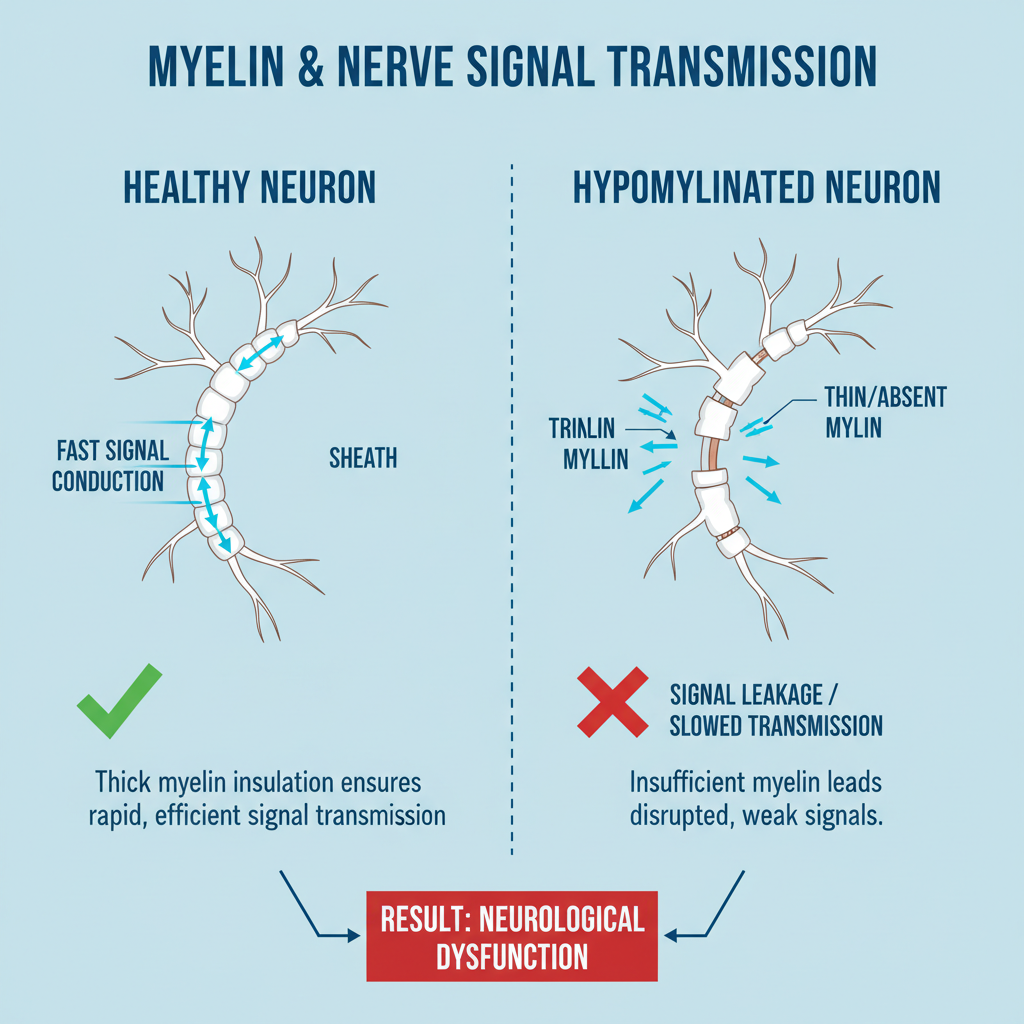
Shaking Puppy Syndrome, also known as hypomyelination, is a neurological disorder affecting a young puppy's central or peripheral nervous system, involving the entire body. Myelin, the fatty protective sheath wrapping every nerve, plays a crucial role in transmitting electrical impulses smoothly. When this sheath is thinner than normal—as happens in hypomyelination—nerve signals become disrupted, causing the nerves and the muscles they control to malfunction.
Symptoms of Shaking Puppy Syndrome
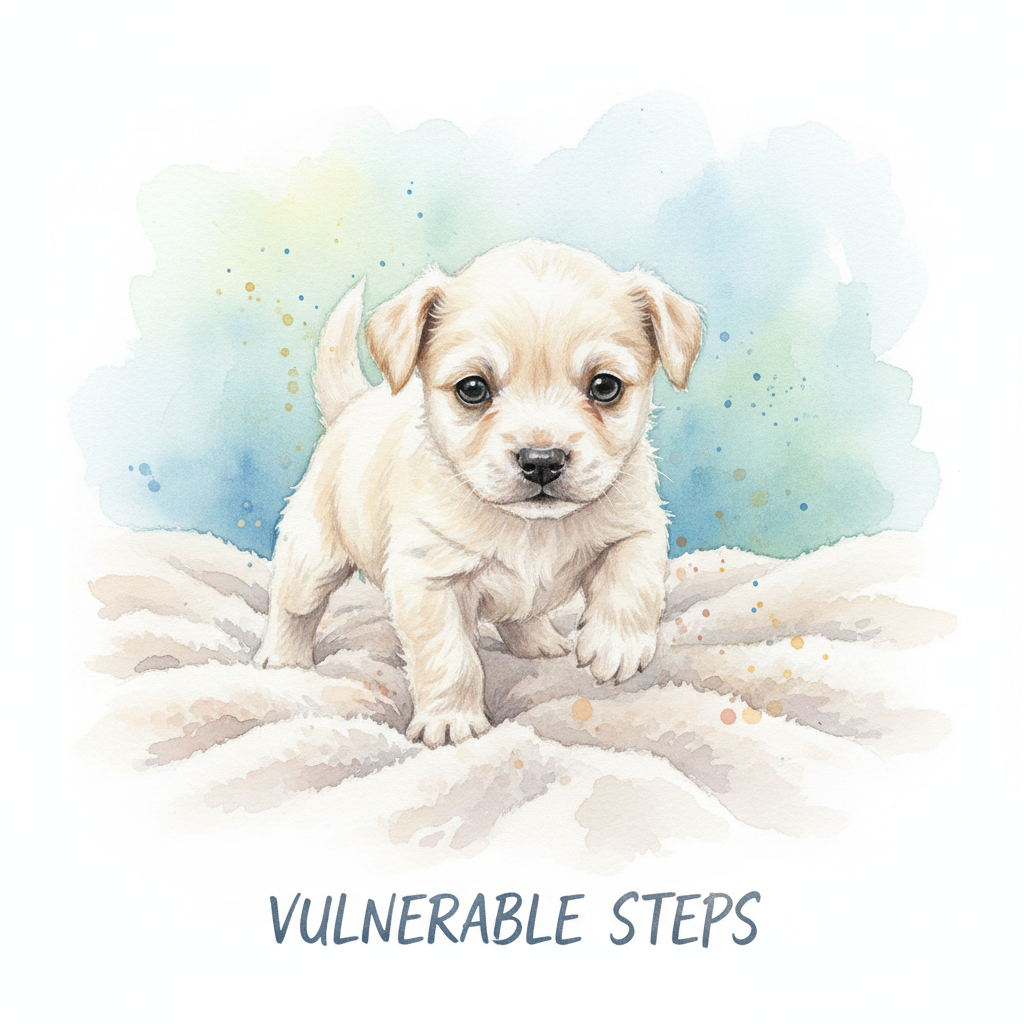
The hallmark of shaking puppy syndrome is tremors that begin just weeks after birth, sometimes as early as two weeks old. Alongside the noticeable shaking, affected puppies often struggle with walking and exhibit poor balance and coordination. You might observe their legs splayed wider than usual as they try to stabilize themselves. Excitement tends to intensify the trembling, and these puppies frequently shake more while eating, with the tremors easing during rest. Interestingly, their mental faculties generally appear unaffected.
Causes of Hypomyelination
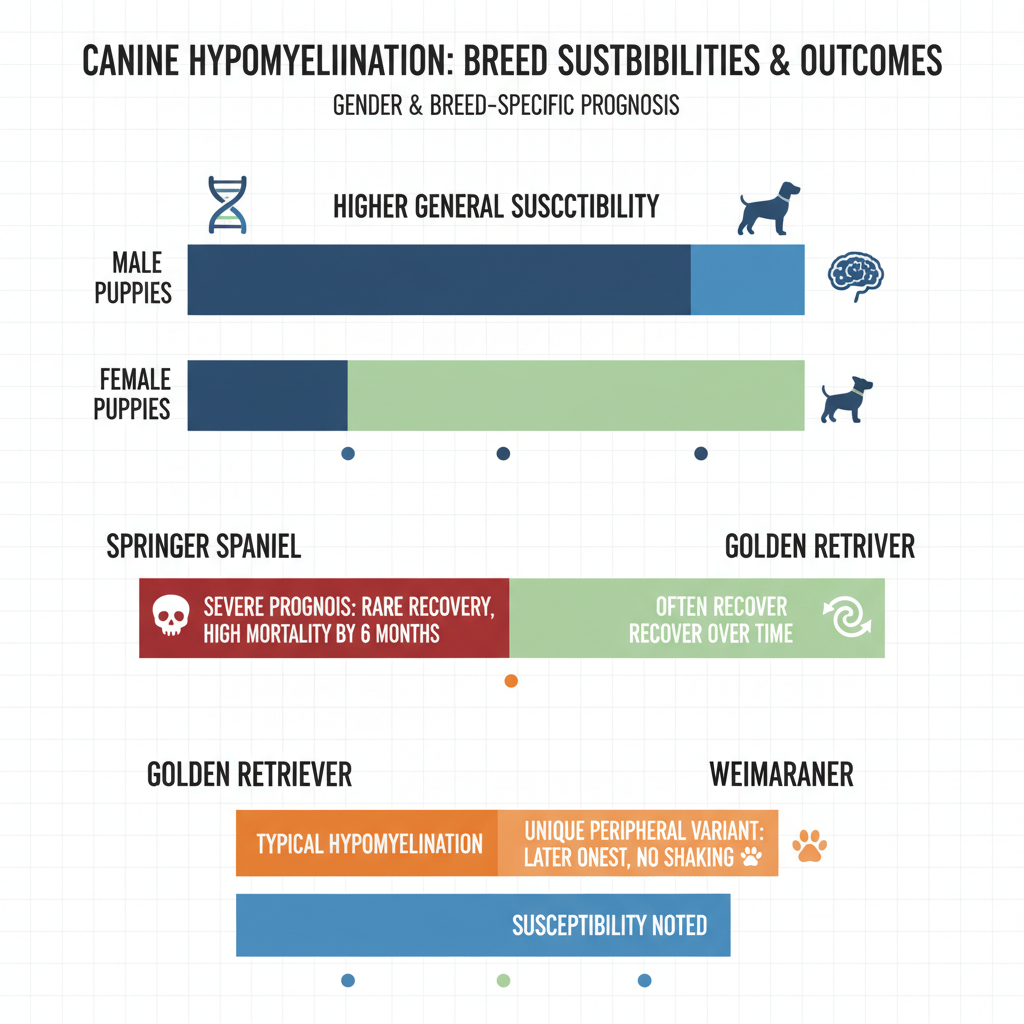
Hypomyelination is an inherited condition, with certain breeds more prone to developing it. Commonly affected breeds include Springer Spaniels, Australian Silky Terriers, Weimaraners, Golden Retrievers, Catahoulas, Dalmatians, Chow Chows, Welsh Springer Spaniels, Vizslas, Samoyeds, and Bernese Mountain Dogs. However, mixed breeds and other dogs can also be affected. Additionally, male puppies are more susceptible to shaking puppy syndrome than females.
Golden Retrievers experience a variant of the syndrome that targets the peripheral rather than the central nervous system. As a result, they display all symptoms except the characteristic shaking. In Goldens, symptoms tend to emerge a bit later—usually between five and seven weeks of age.
Male Springer Spaniels face the most severe form of hypomyelination due to unique genetic factors in this breed. Female Springers often recover over time, but males rarely do, with many succumbing to the disease by six months old. This grim outcome results either from the illness's severity or from owners opting for euthanasia when tremors become extreme.
Diagnosing Hypomyelination
Diagnosing hypomyelination primarily involves ruling out other possible diseases. Your veterinarian will start with a comprehensive physical examination and gather detailed history, including any known family history of similar symptoms. A thorough neurological exam will assess for potential spinal cord or cranial nerve damage.
Diagnostic tests may include blood chemistry panels to detect organ dysfunction or signs of toxins. X-rays of the chest and spine help identify tumors or skeletal abnormalities. Analysis of cerebrospinal fluid (the fluid surrounding the spinal cord) can provide additional insights. Genetic testing might be conducted to detect mutations linked to hypomyelination, though some dogs may carry the gene without showing symptoms.
Advanced diagnostics such as CT scans, electromyography, MRI, or myelography (a nerve conduction study) might be utilized to exclude other conditions.
Ultimately, hypomyelination is a diagnosis of exclusion, as definitive confirmation only comes from microscopic examination of spinal cord tissue after the animal has passed.
Treating Shaking Puppy Syndrome
Currently, there is no direct treatment for hypomyelination. The good news is that most puppies affected by this condition gradually improve and often return to near normal by 12 to 18 months of age. Mildly affected pups may recover appreciably sooner, around 3 to 4 months old. Despite recovery, many dogs that survive shaking puppy syndrome will continue to exhibit mild tremors in their hind limbs throughout their lives.
```