Salmonella in Dogs: What Every Pet Parent Needs to Know
Dealing with a sick pup is tough, and when it comes to nasty bacteria like Salmonella in dogs, understanding the risks is crucial. While not every stomach upset is Salmonella, this particular bug can cause a serious illness called salmonellosis. It's especially dangerous for young puppies, older dogs, or those with other health issues, so knowing what to look for and how to protect your furry friend is key.
What Exactly Is Salmonella?
Let's keep it simple: Salmonella is a type of bacteria that makes both people and pets sick. We often hear about it causing food poisoning in humans, but dogs can definitely get it too. There are thousands of different kinds of Salmonella, but only a handful commonly cause problems for our pups. These tiny invaders live mainly in the intestines of animals and get out into the world through their poop.
How Do Dogs Pick Up Salmonella?
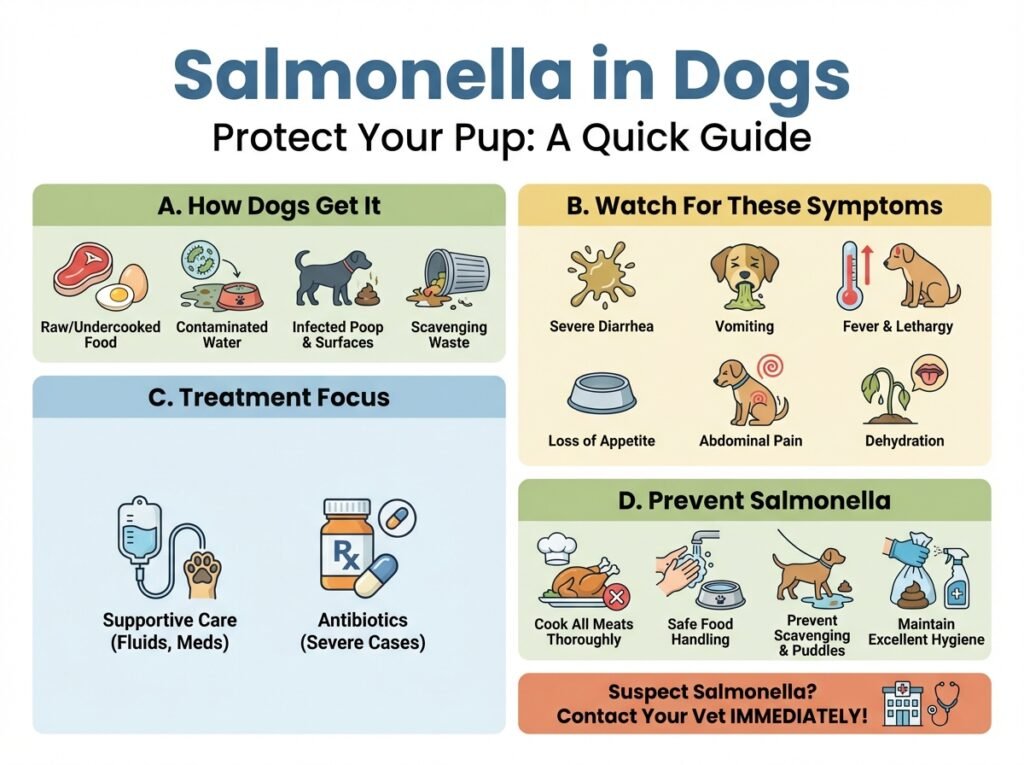
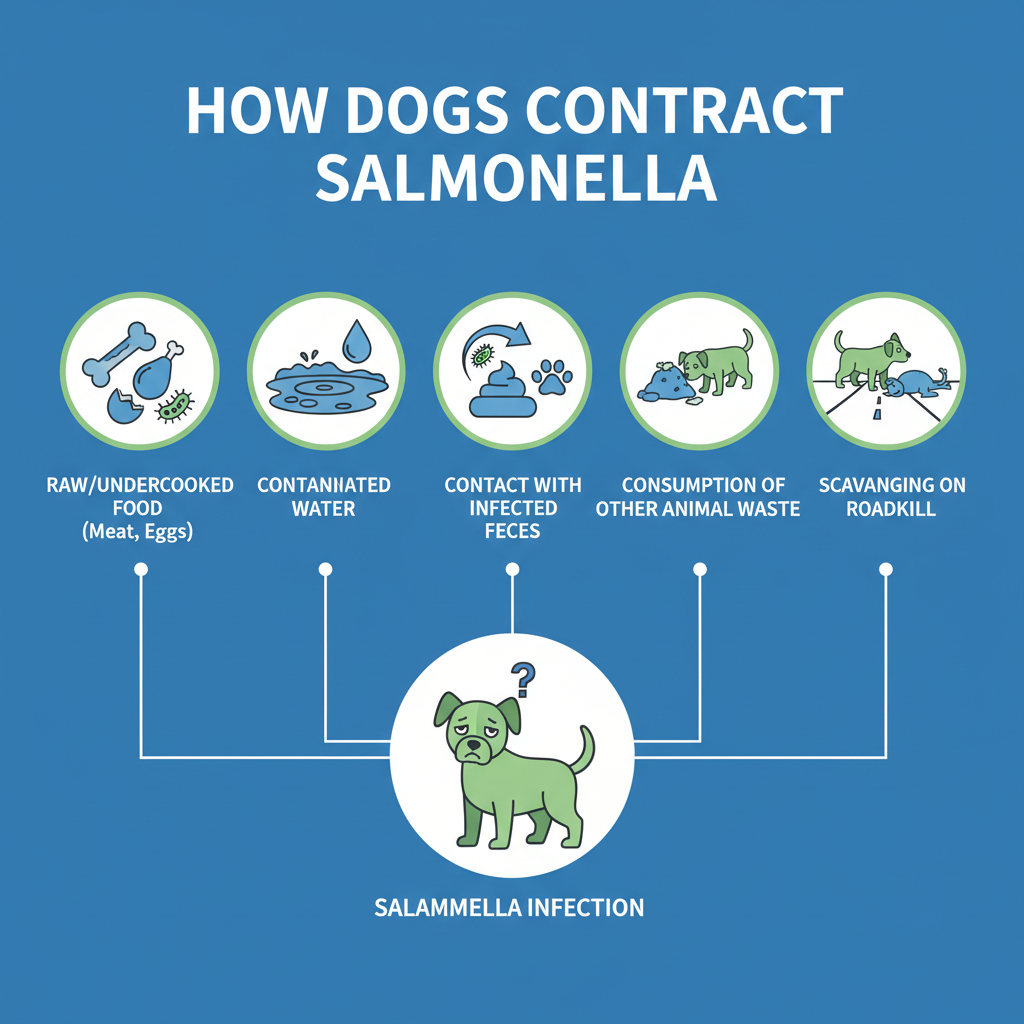
Dogs usually pick up Salmonella when they accidentally swallow the bacteria. Most often, this happens when they:
- Eat tainted food: Think raw or undercooked meats, poultry, or eggs. Even some commercial pet foods, especially raw diets, can carry the bacteria if not handled right.
- Drink bad water: A quick sip from a contaminated puddle, pond, or any water source near infected poop can do it.
- Touch infected poop or surfaces: Just sniffing or licking a spot where an infected animal has pooped, or even touching a contaminated surface, can spread the germs.
- Munch on other animals' waste: This includes poop from wildlife or farm animals that might be carrying Salmonella.
- Scavenge for snacks: Eating roadkill or other decaying animals is a big no-no, as these can be breeding grounds for all sorts of nasty bacteria, including Salmonella.
Signs Your Dog Might Have Salmonella
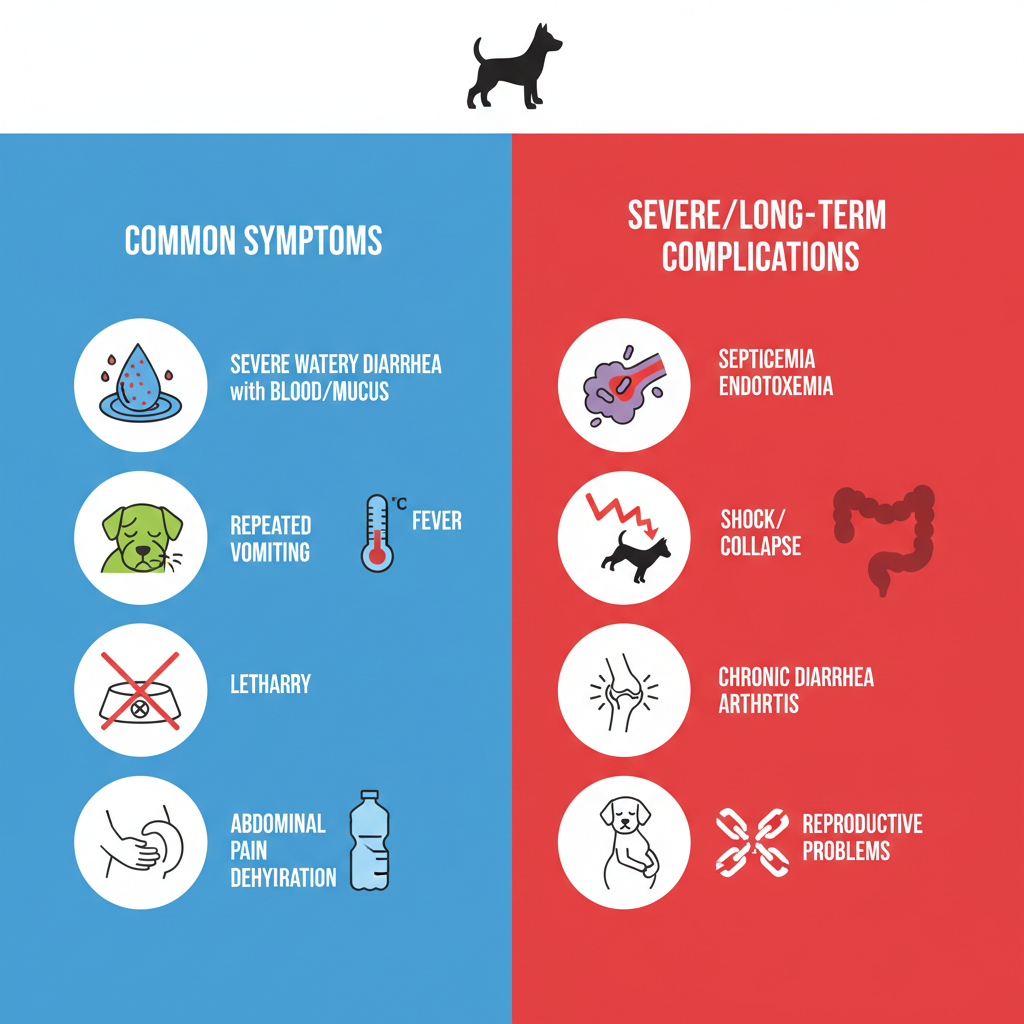
When a dog gets Salmonella, the signs can really run the gamut. A lot depends on your dog's age, overall health, and even how much of the bacteria they swallowed. Some pups might even carry and shed Salmonella without ever looking sick themselves – we call them "asymptomatic carriers."
But when symptoms do show up, they can be mild tummy troubles or something far more serious, even life-threatening. Here are the common things you might notice:
- Diarrhea: This is often severe, watery, and sometimes you'll see blood or mucus in it.
- Throwing up: Your dog might vomit repeatedly.
- Fever: Your pup could feel hot to the touch.
- Acting tired and weak: They just don't have their usual energy.
- Not wanting to eat: Even their favorite treats might not tempt them.
- Belly pain: They might whimper or guard their stomach if you touch it.
- Dehydration: They might seem overly thirsty, have dry gums, or their skin might tent when you pinch it.
In serious situations, especially for very young puppies, older dogs, or those with weakened immune systems, Salmonella can escalate quickly, leading to:
- Blood poisoning (septicaemia): The bacteria gets into the bloodstream and spreads throughout the body, causing a full-body infection.
- Toxin-induced shock (endotoxemia): Toxins from the bacteria can overwhelm their system and lead to shock.
- Shock and collapse: Your dog could suddenly become very weak and unable to stand.
- Tragically, death.
While less common, some dogs might deal with long-term issues like:
- Ongoing diarrhea
- Swollen, painful joints (arthritis)
- Problems with breeding
Getting a Diagnosis for Salmonella in Dogs
If your dog is showing concerning symptoms, your vet will piece together clues from your pup's signs, a thorough physical exam, and specific tests to figure out if it's Salmonella in dogs.
- Your Dog's Story and Symptoms: Your vet will chat with you about what's been happening – your dog's symptoms, what they've been eating, and if they've had any run-ins with raw meat or other risky situations.
- A Good Once-Over: During the exam, your vet will check your dog's overall health, how hydrated they are, and look for signs like a fever, belly pain, or that tired, sluggish feeling.
- Poop Sample (Fecal Culture): This is often the best way to get a definite answer. The lab will take a sample of your dog's poop and try to grow and identify the Salmonella bacteria. Just a heads up, this test can take a few days.
- Faster DNA Test (PCR): PCR tests can find Salmonella DNA in poop samples, giving results much quicker than a culture in some cases.
- Blood Work: A blood test can reveal if your dog's body is fighting an infection (showing a high white blood cell count) or if they're anemic. Another blood panel can check how their organs are doing and if their electrolytes are off, especially if they's dehydrated.
- Imaging (Ultrasound or X-rays): Sometimes, your vet might want to do an abdominal ultrasound or X-rays. These help rule out other stomach issues or see how much the intestines are inflamed.
Treating Salmonella in Dogs
When it comes to treating Salmonella in dogs, the main focus is usually on helping your dog feel better and supporting their body as it fights off the infection. Sometimes, antibiotics are also part of the plan.
Supportive Care is Key
This kind of care is absolutely crucial, especially if your dog is really sick.
- Fluid IVs: If your dog's throwing up and has diarrhea, they can get dehydrated fast. Your vet will often give them fluids directly into a vein (IV fluids) to rehydrate them and balance out their electrolytes.
- Nutritional Help: If your pup isn't eating, they might need something to kick-start their appetite or even a temporary feeding tube to make sure they get the nutrients they need to heal.
- Stopping the Vomiting: Medications can help control the nausea and vomiting, making your dog much more comfortable.
- Good Gut Bacteria: Probiotics can be really helpful after an infection. They work to bring back the good bacteria in your dog's gut, which often gets knocked out of balance.
When to Use Antibiotics (and When Not To)
Using antibiotics for Salmonella can be a bit tricky, and our team at Petscarelab generally reserves them for specific situations.
- When They're Needed: Vets typically prescribe antibiotics only for dogs with severe, widespread infections (like blood poisoning) or for those who are at high risk, such as puppies or dogs with compromised immune systems.
- When to Hold Off: For milder cases of Salmonella that aren't causing major issues, antibiotics are often not the best choice. Why? Because they can sometimes make your dog shed the bacteria for longer, mess up the healthy gut bacteria, and even contribute to antibiotic resistance – something we want to avoid.
- Targeted Treatment: If antibiotics are necessary, your vet will ideally run a special test (called a culture and sensitivity) to make sure they choose an antibiotic that specifically works against the Salmonella strain your dog has.
Recovery and Long-Term Care for Dogs with Salmonella
How quickly your dog bounces back from Salmonella depends a lot on how sick they were and their general health. A mild case might clear up in a few days to a week with good supportive care. But for severe infections that spread throughout the body, recovery can take weeks and sometimes means a longer stay at the animal hospital.
During Recovery
- Plenty of Rest: Make sure your dog has a quiet, cozy spot where they can truly relax and heal.
- Gentle Diet: Your vet will likely suggest feeding your dog a bland, easy-to-digest diet for a while, like plain boiled chicken and rice. As they get better, you'll gradually reintroduce their regular food.
- Keep an Eye Out: Keep a close watch for any signs that symptoms are coming back or getting worse.
- Stay Hygienic: Even after your dog feels better, they might still be shedding the bacteria. So, keep up those strict hygiene habits (we'll talk more about prevention next) to keep everyone safe.
What's the Outlook?
For dogs with mild to moderate Salmonella infections, the outlook is generally good, especially with quick and proper treatment. However, if a dog has a severe blood infection, is a very young puppy, or has a compromised immune system, the prognosis can be more uncertain.
Preventing Salmonella in Dogs
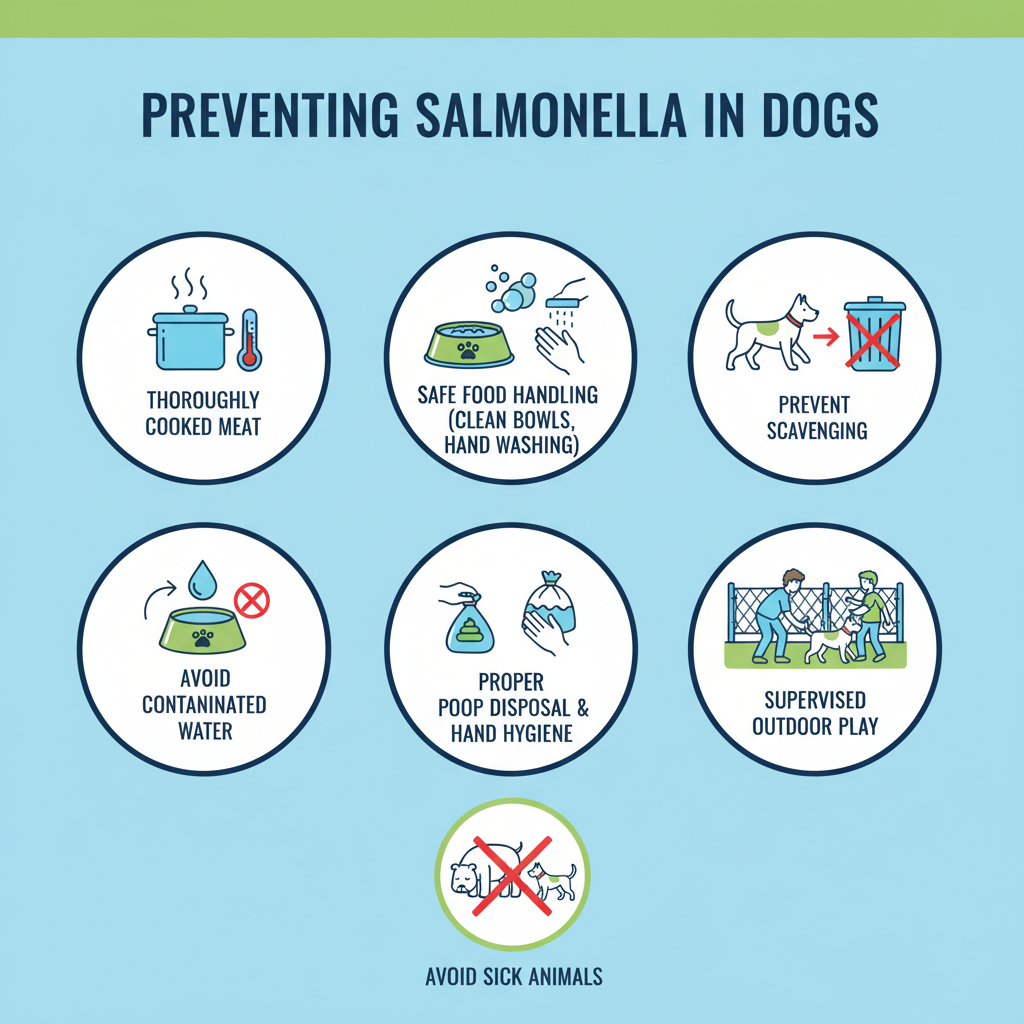
The best defense against Salmonella in dogs is preventing it from happening in the first place! Here's how you can protect your pup:
- Skip the Raw Food: Raw meats, poultry, and eggs are major carriers of Salmonella. Our team strongly recommends cooking all meats thoroughly to kill off these bacteria. If you do choose a raw diet, you absolutely must be extra careful with handling and storage to minimize risks.
- Handle Food Safely:
- Always wash your hands really well after touching raw pet food.
- Keep food bowls and any surfaces that touch your dog's meals sparkling clean with hot, soapy water.
- Don't leave wet pet food sitting out for hours – put it away or toss it.
- Always follow the storage directions on your pet food packaging.
- Stop Scavenging: Never let your dog gobble up roadkill, rummage through garbage, or eat poop from other animals.
- Keep Puddles Off-Limits: Prevent your dog from lapping up water from puddles, ponds, or any still water source that could be tainted.
- Practice Good Hygiene:
- Pick up your dog's poop right away and dispose of it properly.
- Wash your hands thoroughly after handling any dog waste, especially if your pup is sick.
- Clean and disinfect any spots where a sick dog has pooped.
- Watch Them Outside: Keep a close eye on your dog when you're on walks or at the dog park. Don't let them sneak a bite of anything suspicious.
- Steer Clear of Sick Animals: If you know an animal has Salmonella, keep your dog away from it and its waste to prevent transmission.
If you ever suspect your dog has Salmonella, don't hesitate! Contact your trusted vet right away so they can get the right diagnosis and start treatment.