
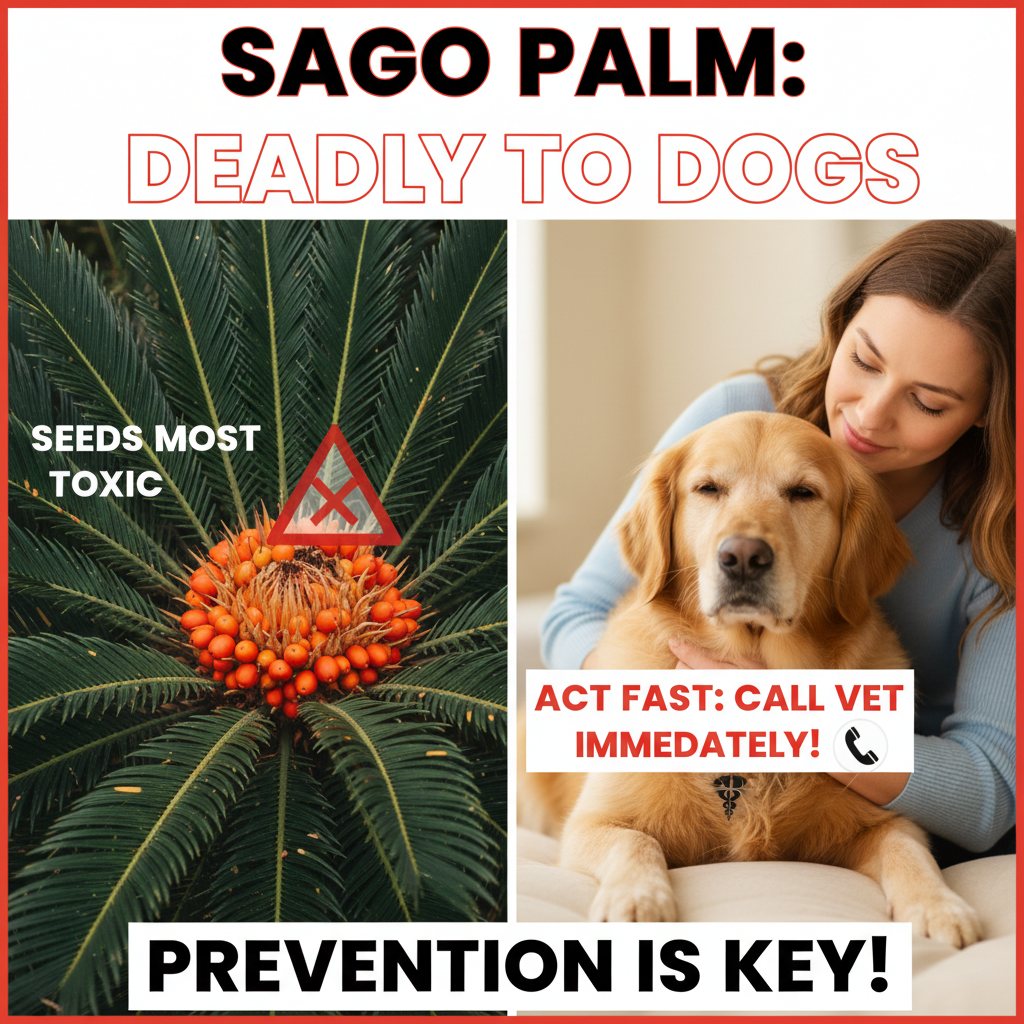
Sago Palm Poisoning in Dogs: What Every Pet Parent Needs to Know
Sago palms (scientifically known as Cycas revoluta) are pretty common plants you might see gracing gardens in warm climates or even inside your house if you live somewhere chilly. They look a lot like miniature palm trees, but don't let that fool you – they're actually ancient plants called cycads. As a pet parent, understanding the severe danger of sago palm poisoning in dogs is absolutely critical.
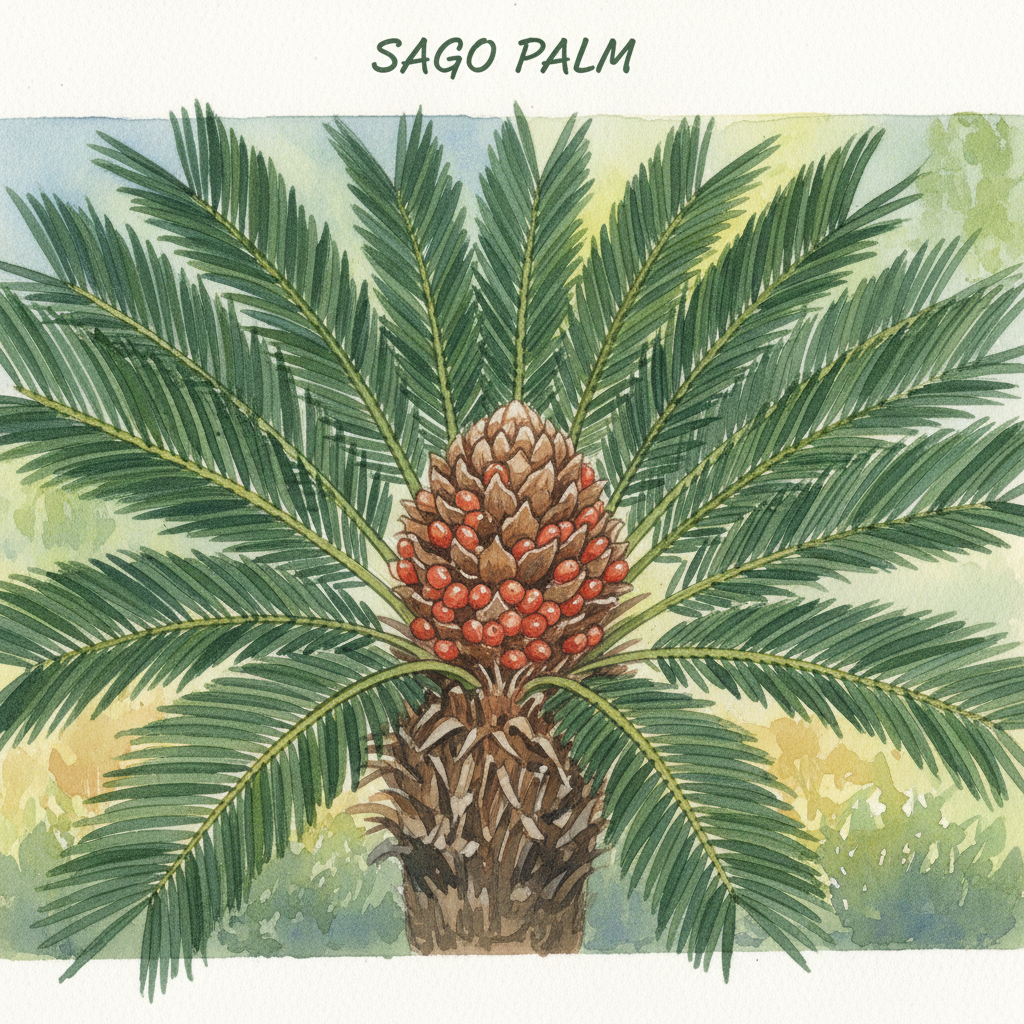
Sadly, several other types of cycads are also highly toxic to our furry friends, including:
- Coontie palm (Zamia pumila)
- Cardboard palm (Zamia furfuracea)
- Giant sago palm (Cycas circinalis)
Is Sago Palm Poisonous to Dogs?
Let's be absolutely clear: sago palms are incredibly dangerous for dogs. Yes, when it comes to sago palm poisoning in dogs, the answer is a resounding "yes," this plant is highly toxic. Every single part of this plant can harm your pup, but watch out especially for the seeds (or nuts). They pack the highest punch of a nasty toxin called cycasin. Sadly, pups often find these seeds tempting – they look like easy-to-chew snacks – which makes them a frequent cause of sago palm poisoning.
Sago Palm Toxicity: What Happens When a Dog Eats Sago Palm?
The real culprit behind sago palm poisoning is a powerful toxin called cycasin. Once ingested, it launches a direct attack on your dog's liver, causing severe damage that can quickly spiral into liver failure. But cycasin doesn't stop there; it also messes with their nervous system and irritates their stomach and intestines.
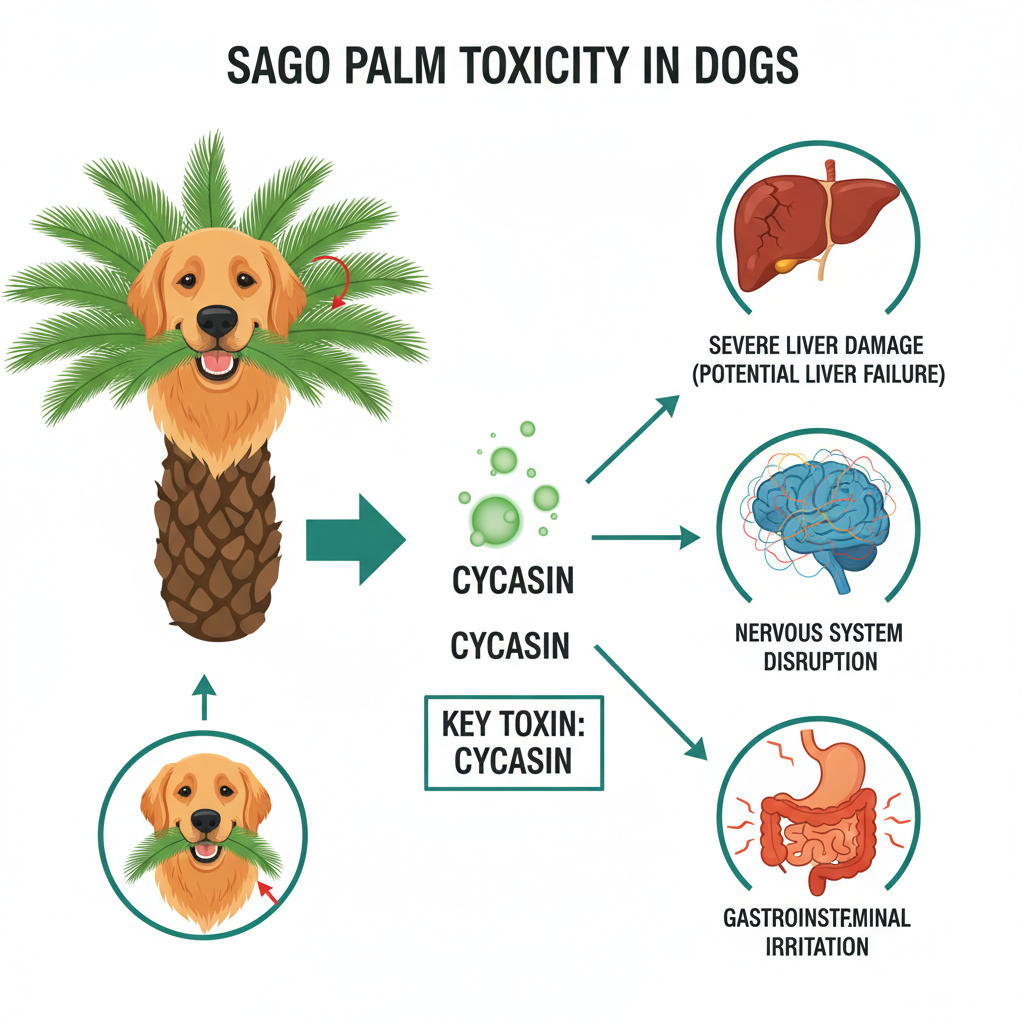
Signs of sago palm poisoning can pop up anywhere from a mere 15 minutes after your dog nibbles on it, to several days later. Getting your dog to the vet right away is absolutely crucial. Without immediate help, sago palm poisoning can be deadly. Even with fast, intensive care, our research shows that sadly, only about half of dogs who eat sago palm manage to pull through.

Clinical Signs of Sago Palm Poisoning in Dogs
The signs that your dog has suffered sago palm poisoning can look different depending on how much they ate and which part of the plant they got into. Here's what to look out for:
- Vomiting
- Diarrhea
- Drooling
- Abdominal pain
- Lethargy (your dog seems unusually tired or sluggish)
- Lack of appetite
- Jaundice (a yellowing of the skin, gums, or whites of the eyes)
- Increased thirst
- Increased urination
- Dark urine
- Bruising or spontaneous bleeding
- Weakness
- Tremors
- Seizures
- Coma
- Death
If you ever see your dog munching on any part of a sago palm, or if you spot any of these worrying signs and know these plants are around, call your vet right away. Don't wait.
What to Do if Your Dog Eats Sago Palm
Time is absolutely critical if your dog has eaten a sago palm. If you catch them in the act, quickly grab a sample of the plant – it helps your vet confirm exactly what your pup got into. Then, get your dog to the vet immediately. Don't sit around waiting for symptoms to show up; every minute counts. The faster they get help, the better their chances.
Didn't see them eat it, but you have a sneaking suspicion? Call your vet, or reach out to a pet poison control center right away. Our team at Petscarelab recommends contacting either the Pet Poison Helpline (855-764-7661) or the ASPCA Animal Poison Control Center (888-426-4435). Be ready to describe your dog's symptoms, how much of the plant you think they might have eaten, and which part it could have been.
While you're rushing to the vet, try to stay calm yourself, and do your best to keep your dog relaxed. While vomiting is a symptom of sago palm poisoning, never try to make your dog throw up on your own. Your vet needs to decide if that's safe or even helpful for your pup.
Diagnosis of Sago Palm Poisoning in Dogs
When you arrive, your vet will look at your dog's symptoms and listen carefully to your account of what might have happened to diagnose sago palm poisoning.
They might also suggest some diagnostic tests, such as:
- A complete blood count (CBC) to see if your dog is anemic, has low platelets, or an elevated white blood cell count – all signs of inflammation or infection.
- A serum biochemistry panel to evaluate liver and kidney function, blood glucose levels, and electrolytes.
- A urinalysis to check for protein in the urine, abnormal urine color, or crystals.
- Coagulation profiles to check your dog's blood clotting ability.
- Abdominal X-rays to check for intestinal obstruction or other abdominal abnormalities.
- An abdominal ultrasound to get a close look at the liver and other organs in their belly.
Treatment of Sago Palm Poisoning in Dogs
Unfortunately, there's no magic antidote for sago palm poisoning. Treatment focuses on getting the toxins out and providing strong supportive care to help your dog's body recover.
Treatment may include:
- Inducing vomiting, but only if your dog ate the plant very recently and isn't showing severe symptoms yet.
- Giving activated charcoal to help absorb any remaining toxins and stop them from entering the bloodstream.
- Hospitalization, often for several days, for constant monitoring and aggressive treatment.
- IV fluids to keep your dog hydrated, support kidney health, and help flush toxins from their system.
- Anti-nausea medications to stop the vomiting.
- Medications to protect their stomach and intestines.
- Liver protectant medications (like S-adenosylmethionine [SAMe], silymarin, or N-acetylcysteine [NAC]) to try and minimize liver damage.
- Pain relief.
- Blood transfusions or plasma transfusions if your dog becomes anemic or has trouble clotting their blood.
- Medications to control seizures, if they occur.
- Continuous monitoring of their liver function, blood clotting, and overall health.
Even with the quickest and most aggressive treatment, sago palm poisoning can still tragically be fatal.
Prevention of Sago Palm Poisoning in Dogs
The absolute best way to protect your dog from sago palm poisoning is simple: get rid of any sago palms from your home and yard entirely. If you just can't part with your sago palms, then you must install sturdy fencing around them to make sure your dog can't get anywhere near them. When your pup is in a yard with these plants, keep them on a leash and steer clear of the danger zone.
If you're ever unsure whether a plant is a sago palm, don't guess. Ask a landscaping expert or your local nursery. Our team at Petscarelab also suggests checking reliable resources for lists of toxic plants.
What part of the sago palm is poisonous to dogs?
Every single part of the sago palm is dangerous for dogs, but the seeds – those tempting little nuts – hold the highest concentration of the harmful toxin, cycasin.
How much sago palm is toxic to dogs?
Even a tiny bit of sago palm can be incredibly toxic for your dog. Eating just one or two seeds can sadly be fatal.
How long does it take for a dog to show symptoms of sago palm poisoning?
Signs of sago palm poisoning in dogs can surface quickly, sometimes within just 15 minutes, or they might take several days to appear.
Can dogs recover from sago palm poisoning?
Some dogs can recover from sago palm poisoning with immediate and aggressive veterinary care. However, the survival rate, even with the best efforts, is only about 50%. Your dog's chances really depend on how much they ate, which part of the plant it was, and how fast they received treatment.