
How to Remove a Tick From Your Pet
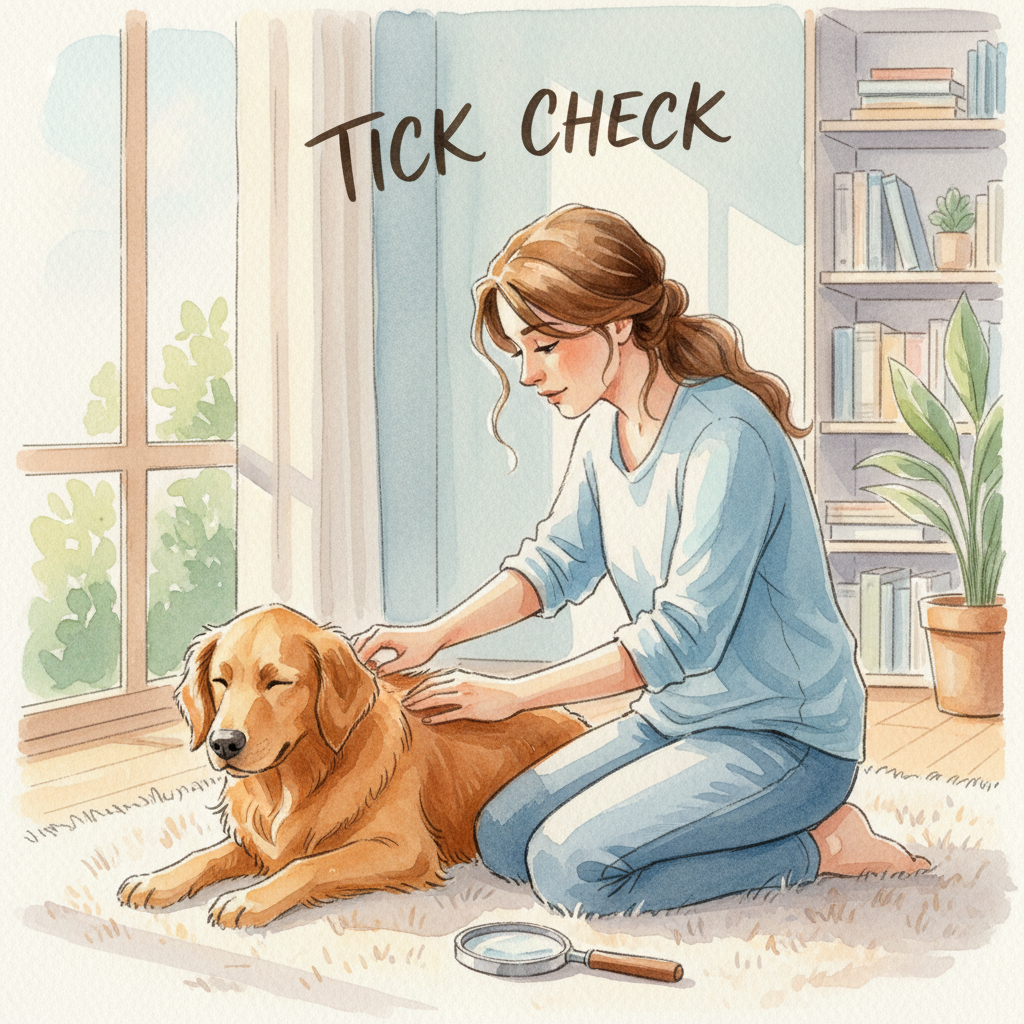
Finding a tick on your furry friend can be unsettling, but knowing how to remove a tick from a pet quickly and safely is one of the best ways to protect them from disease. Ticks are nasty little parasites that can carry illnesses harmful to both pets and people. So, if you spot one, staying calm and acting fast is crucial for your pet's health.
What You'll Need to Get Started
Before you tackle that tick, gather these simple supplies. Having everything ready makes the process smoother for both you and your pet:
- Fine-tipped tweezers or a tick removal tool: These are designed to grab the tick right at the skin without squishing its body. You can usually find these at pet stores or pharmacies.
- Gloves: Protect your hands from potential germs.
- Antiseptic wipes or rubbing alcohol: You'll use this to clean the bite area afterward.
- A small container with a lid: Perfect for holding the tick if you need to show it to your vet later. A little rubbing alcohol inside will kill the tick.
- Pet-safe antiseptic or antibiotic ointment (optional): A dab of this can help soothe the spot once the tick is gone.
Steps for Removing a Tick From Your Pet
Ready? Here’s how our team at Petscarelab recommends you safely remove that unwelcome guest:
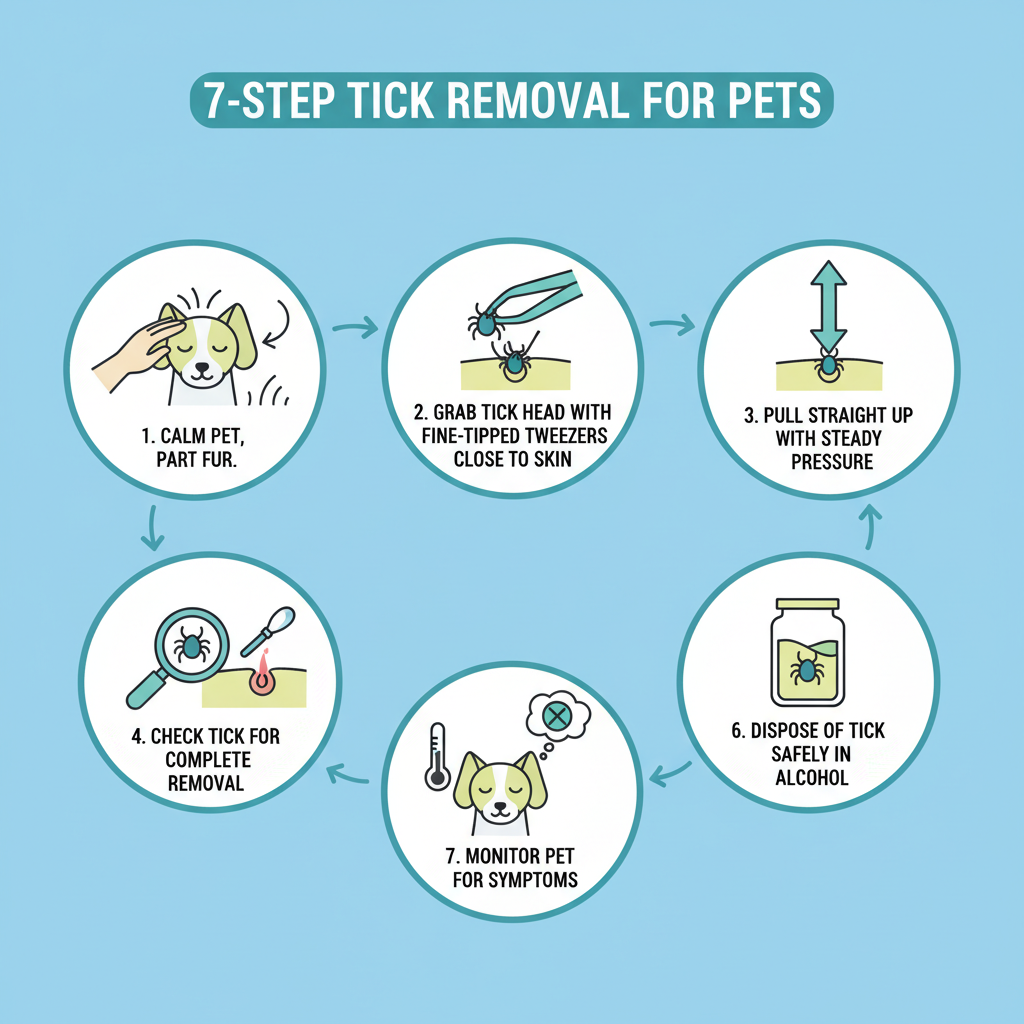
1. Get Your Pet Ready
Imagine your pet is getting ready for a spa day, not a tick removal. Make sure they're calm and comfortable. You might need an extra set of hands to gently hold your pet still, especially if they're a bit squirmy. Offer plenty of treats and soft praise to make it a positive experience. If your pet has long hair, gently part it around the tick so you can see exactly where it's attached.
2. Grab the Tick Firmly
Using your fine-tipped tweezers or tick removal tool, grasp the tick as close to your pet's skin as possible. Be super careful not to pinch your pet's skin. You want to get a firm grip on the tick’s head or mouthparts, not its body. Squeezing the tick’s body can actually push harmful bacteria deeper into your pet, so avoid that at all costs.
3. Pull Straight Up and Steady
Now, with a steady hand, pull the tick straight upward with slow, even pressure. Don't twist or jerk it; that can make the mouthparts break off and stay stuck in the skin. Just keep pulling steadily until the tick lets go. It might feel like forever, but a few seconds of continuous pressure usually does the trick.
4. Check the Tick
Once it’s out, take a moment to inspect the tick. Make sure the whole thing is there, especially its head and mouthparts. If you see any tiny bits left behind in your pet's skin, try to remove them with your tweezers if they're visible and easy to get to. If you can’t get them out, don’t stress too much; your pet's skin will usually heal around them, or they'll eventually fall out on their own. Just keep an eye on the area for any signs of irritation.
5. Clean Up the Bite Spot
Clean the spot where the tick bit your pet using an antiseptic wipe or some rubbing alcohol. You can also put a small amount of pet-safe antiseptic or antibiotic ointment on the area. This helps prevent infection and can make the area feel a bit better for your furry friend.
6. Get Rid of the Tick Safely
Pop the removed tick into that small container with a lid. Adding rubbing alcohol will kill it. Keeping the tick lets you show it to your vet if your pet starts showing symptoms of a tick-borne illness later on. It also helps your vet figure out what kind of tick it was, which can be useful information. Never crush the tick with your fingers, as you could expose yourself to potential pathogens.
7. Watch Your Pet Closely
For the next few days, keep a close watch on the bite area. Look for any redness, swelling, pus, or if your pet keeps scratching it. Also, monitor your pet for any signs of tick-borne diseases, such as:
- Feeling tired or sluggish (lethargy)
- Not wanting to eat
- Limping or sore joints
- Fever
- Swollen glands
If you notice any of these worrying symptoms, contact your vet right away.
When Should You Call the Vet?
While you can often handle tick removal at home, sometimes it's best to call in the professionals. Reach out to your vet if:
- You feel uncomfortable or just can't get the tick off yourself.
- The tick's mouthparts are stuck in your pet's skin and you can't remove them.
- The bite site looks infected, with excessive swelling, redness, or discharge.
- Your pet shows any symptoms of a tick-borne illness after being bitten.
- You suspect your pet has been swarmed by lots of ticks.
Prevention Is Always Best
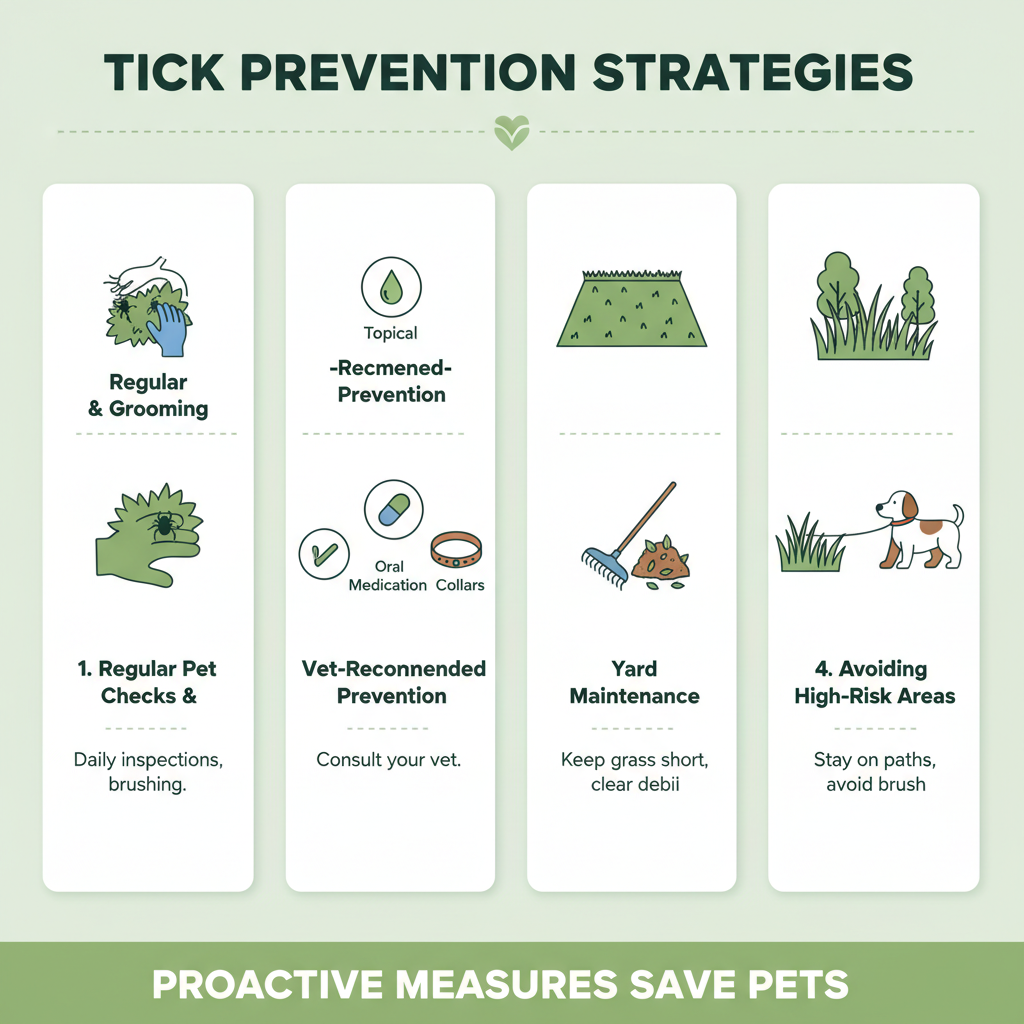
The very best way to protect your pet from tick-borne diseases is to prevent those tiny pests from biting in the first place. Chat with your vet about the best tick prevention products for your dog or cat. These might include:
- Topical spot-on treatments
- Oral medications
- Tick collars
- Special shampoos or dips
Make it a habit to regularly check your pet for ticks, especially after they've been romping around in wooded or grassy areas. Grooming your pet daily also helps you spot and flick off ticks before they have a chance to transmit diseases. And don't forget your yard! Keeping your lawn mowed and free of leaf litter makes it less appealing for ticks to set up shop.
 ,
,
How to Remove a Tick From Your Pet
Finding a tick on your furry friend can be unsettling, but knowing how to remove a tick from a pet quickly and safely is one of the best ways to protect them from disease. Ticks are nasty little parasites that can carry illnesses harmful to both pets and people. So, if you spot one, staying calm and acting fast is crucial for your pet's health.
What You'll Need to Get Started
Before you tackle that tick, gather these simple supplies. Having everything ready makes the process smoother for both you and your pet:
- Fine-tipped tweezers or a tick removal tool: These are designed to grab the tick right at the skin without squishing its body. You can usually find these at pet stores or pharmacies.
- Gloves: Protect your hands from potential germs.
- Antiseptic wipes or rubbing alcohol: You'll use this to clean the bite area afterward.
- A small container with a lid: Perfect for holding the tick if you need to show it to your vet later. A little rubbing alcohol inside will kill the tick.
- Pet-safe antiseptic or antibiotic ointment (optional): A dab of this can help soothe the spot once the tick is gone.
Steps for Removing a Tick From Your Pet
Ready? Here’s how our team at Petscarelab recommends you safely remove that unwelcome guest:
1. Get Your Pet Ready
Imagine your pet is getting ready for a spa day, not a tick removal. Make sure they're calm and comfortable. You might need an extra set of hands to gently hold your pet still, especially if they're a bit squirmy. Offer plenty of treats and soft praise to make it a positive experience. If your pet has long hair, gently part it around the tick so you can see exactly where it's attached.
2. Grab the Tick Firmly
Using your fine-tipped tweezers or tick removal tool, grasp the tick as close to your pet's skin as possible. Be super careful not to pinch your pet's skin. You want to get a firm grip on the tick’s head or mouthparts, not its body. Squeezing the tick’s body can actually push harmful bacteria deeper into your pet, so avoid that at all costs.
3. Pull Straight Up and Steady
Now, with a steady hand, pull the tick straight upward with slow, even pressure. Don't twist or jerk it; that can make the mouthparts break off and stay stuck in the skin. Just keep pulling steadily until the tick lets go. It might feel like forever, but a few seconds of continuous pressure usually does the trick.
4. Check the Tick
Once it’s out, take a moment to inspect the tick. Make sure the whole thing is there, especially its head and mouthparts. If you see any tiny bits left behind in your pet's skin, try to remove them with your tweezers if they're visible and easy to get to. If you can’t get them out, don’t stress too much; your pet's skin will usually heal around them, or they'll eventually fall out on their own. Just keep an eye on the area for any signs of irritation.
5. Clean Up the Bite Spot
Clean the spot where the tick bit your pet using an antiseptic wipe or some rubbing alcohol. You can also put a small amount of pet-safe antiseptic or antibiotic ointment on the area. This helps prevent infection and can make the area feel a bit better for your furry friend.
6. Get Rid of the Tick Safely
Pop the removed tick into that small container with a lid. Adding rubbing alcohol will kill it. Keeping the tick lets you show it to your vet if your pet starts showing symptoms of a tick-borne illness later on. It also helps your vet figure out what kind of tick it was, which can be useful information. Never crush the tick with your fingers, as you could expose yourself to potential pathogens.
7. Watch Your Pet Closely
For the next few days, keep a close watch on the bite area. Look for any redness, swelling, pus, or if your pet keeps scratching it. Also, monitor your pet for any signs of tick-borne diseases, such as:
- Feeling tired or sluggish (lethargy)
- Not wanting to eat
- Limping or sore joints
- Fever
- Swollen glands
If you notice any of these worrying symptoms, contact your vet right away.
When Should You Call the Vet?
While you can often handle tick removal at home, sometimes it's best to call in the professionals. Reach out to your vet if:
- You feel uncomfortable or just can't get the tick off yourself.
- The tick's mouthparts are stuck in your pet's skin and you can't remove them.
- The bite site looks infected, with excessive swelling, redness, or discharge.
- Your pet shows any symptoms of a tick-borne illness after being bitten.
- You suspect your pet has been swarmed by lots of ticks.
Prevention Is Always Best
The very best way to protect your pet from tick-borne diseases is to prevent those tiny pests from biting in the first place. Chat with your vet about the best tick prevention products for your dog or cat. These might include:
- Topical spot-on treatments
- Oral medications
- Tick collars
- Special shampoos or dips
Make it a habit to regularly check your pet for ticks, especially after they've been romping around in wooded or grassy areas. Grooming your pet daily also helps you spot and flick off ticks before they have a chance to transmit diseases. And don't forget your yard! Keeping your lawn mowed and free of leaf litter makes it less appealing for ticks to set up shop.