
Why Your Dog Has a Runny Nose: When to Worry and What to Do
Seeing your beloved dog with a runny nose can be worrying. Is it just a harmless sniffle, or something more serious? A runny nose in dogs can signal anything from a simple allergy to a more significant health issue. Knowing what to look for can help you decide if it's time for a vet visit or if you can manage it at home. Our team at Petscarelab is here to guide you.
Common Reasons for Your Dog's Runny Nose
When your dog's nose starts dripping, it's often their body's way of battling an infection or reacting to something irritating in the air. But sometimes, that runny nose can be a red flag for a bigger problem, especially if you see blood or other troubling symptoms. Let's look at the most common culprits behind a runny nose in dogs.
Allergies
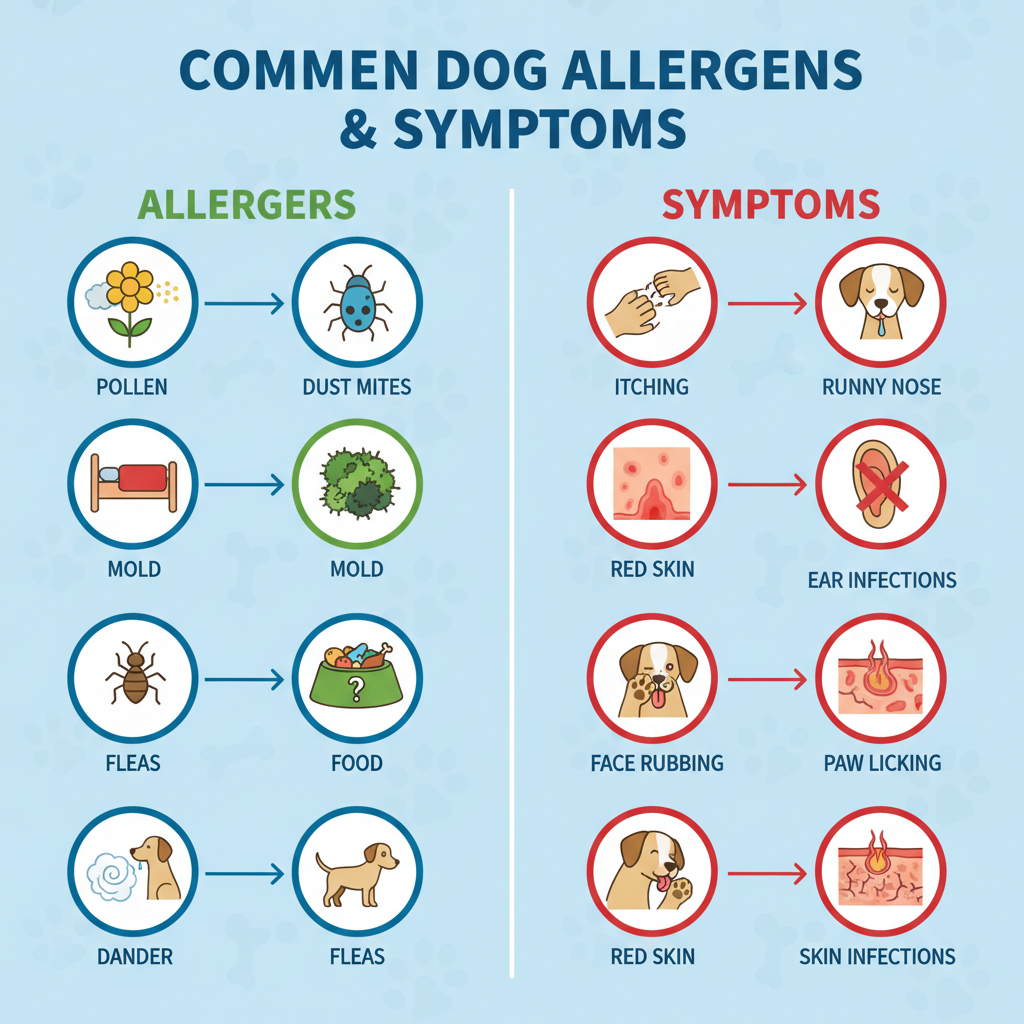
Just like us, dogs can suffer from allergies. Imagine constant itching or a stuffy nose! For many pups, a runny nose in dogs often comes from airborne irritants like pollen, mold, or dust mites. But food, fleas, and even dander can also set them off. If your dog's allergies are flaring, you might also notice:
- Itching and scratching
- Red, inflamed skin
- Ear infections
- Face rubbing
- Paw licking
- Skin infections
Foreign Objects
Does your dog love to explore, nose-first, in tall grass or leaf piles? It's easy for little invaders to get stuck in their nasal passages. Think about tiny grass blades, stubborn foxtails, small sticks, or even just dirt. If a foreign object is the culprit, you'll probably see discharge from just one nostril. Your pup might also be pawing at their nose, rubbing their face on the carpet, or sneezing like crazy.
Dental Disease
It might surprise you, but dental problems can actually cause a runny nose! Some of your dog's upper teeth have roots that sit right next to their nasal passages. If one of those roots gets infected and abscesses, it can lead to a runny nose and other issues like:
- Bad breath
- Pawing at the mouth
- Drooling
- Pain when chewing
- Swelling on one side of the face
Viral Infections
Viruses are common culprits behind a runny nose in dogs. These infections can spread quickly and make your pup feel pretty crummy. Watch out for these common ones:
- Dog distemper: A nasty and often serious illness that hits their breathing, tummy, and nervous system.
- Dog influenza: Also known as dog flu, it's a respiratory infection that can leave them feeling miserable.
- Kennel cough: A super contagious cough that often spreads in places where lots of dogs hang out, like boarding facilities or dog parks.
Other signs of viral infections in your dog can include:
- Coughing
- Sneezing
- Fever
- Lethargy
- Loss of appetite
Fungal Infections
Sometimes, a fungus lurking in the environment can cause a stubborn infection in your dog's nose, called fungal rhinitis. This is often due to a fungus called Aspergillus fumigatus. While any dog can get it, we see it more often in pups with longer noses, like Collies, German Shepherds, and Greyhounds. If a fungal infection is the problem, you might see a long-term runny nose in dogs, along with:
- Sneezing
- Nose bleeding
- Pain around the nose
- Swelling around the nose
- Loss of appetite
- Lethargy
- Pawing at the nose
Tumors
As dogs get older, typically over eight years old, tumors in the nasal passages can become a concern. These can be cancerous or non-cancerous, but they often lead to a persistent runny nose and other signs like:
- Nosebleeds
- Sneezing
- Noisy breathing
- Facial deformity
- Weight loss
- Lethargy
Environmental Irritants
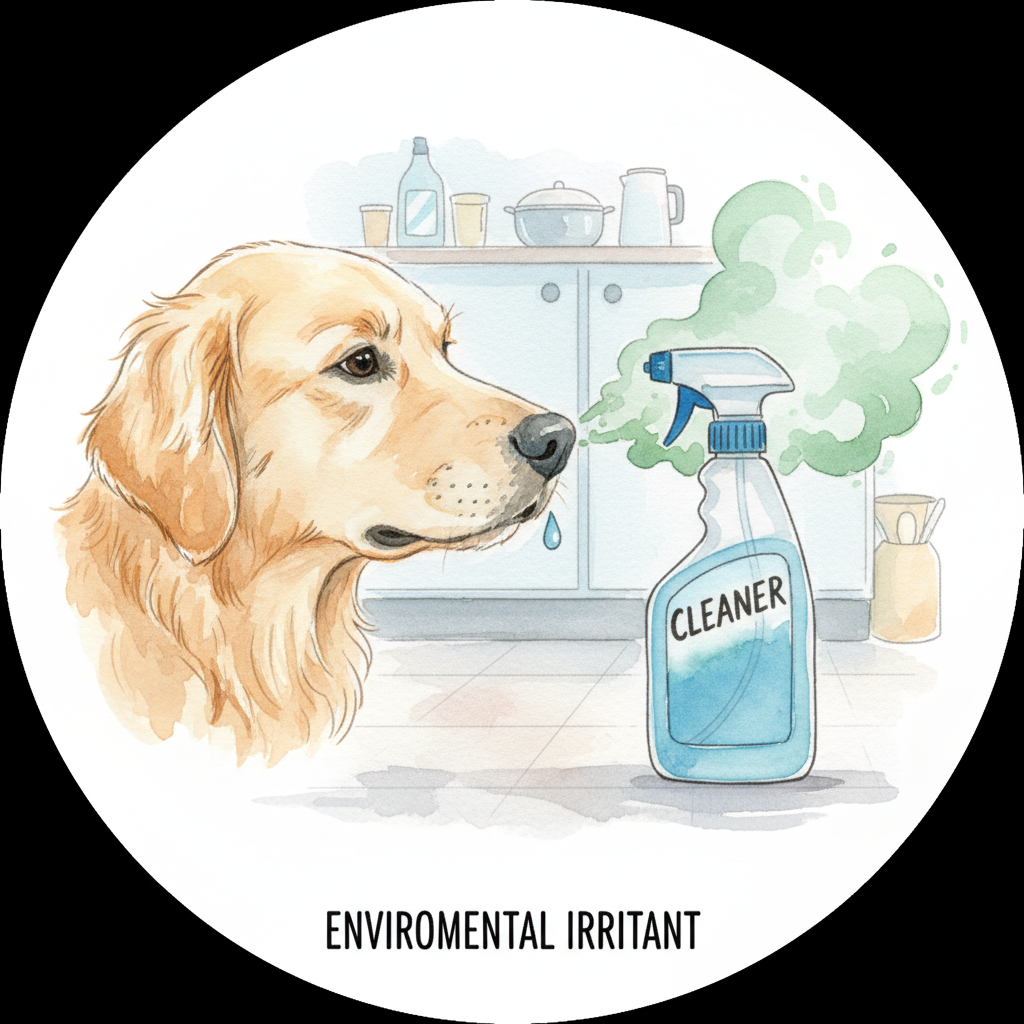
Think about how your nose might run if you smell something strong – dogs are the same! Everyday irritants around your home can easily trigger a runny nose. These can include:
- Perfumes
- Cigarette smoke
- Cleaning products
- Dust
- Vaping smoke
- Aerosol sprays
- Scented candles
- Air fresheners
Usually, once you remove the irritating culprit, your dog's nose will clear right up.
Other Causes
While less common, these issues can also lead to a runny nose in dogs:
- Coagulopathy: A bleeding disorder where your dog's blood doesn't clot properly.
- Rocky Mountain spotted fever: A bacterial infection spread by ticks.
- Systemic lupus erythematosus: An autoimmune disease.
When to See a Vet for a Runny Nose
When a runny nose in dogs is just a clear, occasional drip, you might not need to worry. But some symptoms are serious signals that your dog needs professional help right away. If you notice any of these alongside your dog's runny nose, pick up the phone and call your vet:
- A runny nose that lasts for more than a few days
- Thick, yellow, green, or bloody nasal discharge
- Lethargy
- Loss of appetite
- Coughing
- Sneezing
- Wheezing
- Difficulty breathing
- Swelling around the face or nose
- Pain when touching the nose or face
- Pawing at the nose
- Vomiting
- Diarrhea
You should also contact your vet if your dog’s runny nose is only on one side.
Diagnosing a Runny Nose in Dogs
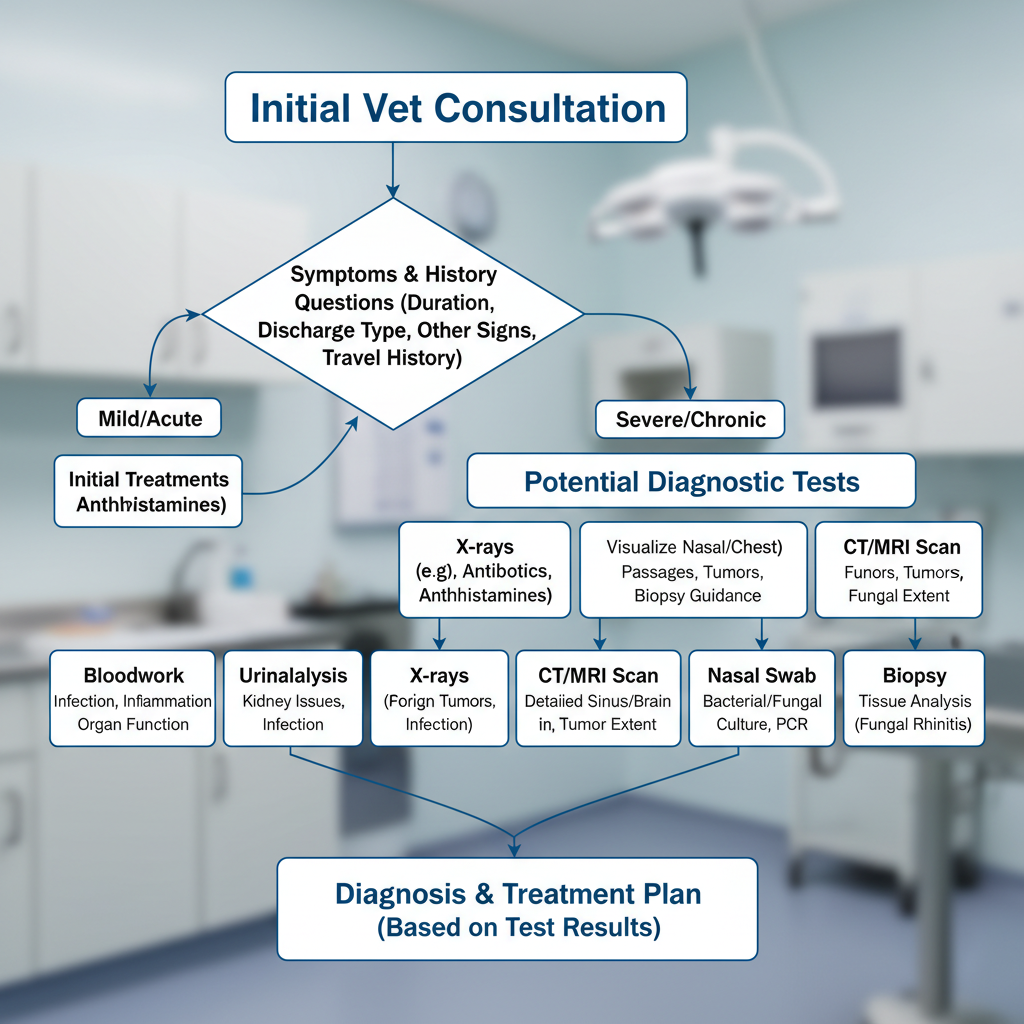
When you visit your vet about your dog's runny nose, they'll start with a thorough physical exam and ask you plenty of questions. To help them pinpoint the problem faster, be ready to share details about your pup's symptoms and history, like:
- When did you first notice your dog’s runny nose?
- Is the discharge clear, thick, bloody, green, or yellow?
- Is the runny nose on one side or both sides?
- Have you noticed any other symptoms?
- Has your dog been around other dogs recently?
- Is your dog up-to-date on all vaccines?
- Has your dog recently been in a wooded area or tall grass?
- Have you noticed your dog pawing at their nose?
- Is your dog eating and drinking normally?
- Is your dog less active than usual?
- Do you use any new cleaning products or air fresheners in your home?
Based on what your vet finds and the other symptoms your dog has, they might recommend some tests to get a clearer picture:
- Bloodwork: To check for infection, inflammation, or other underlying health problems.
- Urinalysis: To check for infection or other underlying health problems.
- X-rays: To look for dental disease, foreign objects, or tumors.
- Rhinoscopy: A procedure where a small camera goes into your dog’s nasal passages to look for foreign objects, tumors, or other abnormalities.
- CT scan or MRI: Advanced imaging tests that give detailed pictures of the nasal passages and surrounding structures.
- Nasal swab: A sample of nasal discharge is collected and sent to a lab to test for viral, bacterial, or fungal infections.
- Biopsy: A small tissue sample is collected from the nasal passages and sent to a lab to check for tumors or other abnormalities.
Runny Nose in Dogs Treatment
Treating a runny nose in dogs always depends on what's causing it. Once your vet figures out the root of the problem, they'll recommend the best course of action. Here are some typical treatments:
- Allergies: Your vet might prescribe antihistamines, steroids, or allergy shots.
- Foreign objects: Your vet will remove the object, often using a rhinoscope.
- Dental disease: An abscessed tooth will need to be extracted, and your dog will need antibiotics.
- Viral infections: Treatment supports your dog's immune system and may include fluids, anti-nausea medication, and rest.
- Fungal infections: Treatment involves antifungal medications, which might be given by mouth or put directly into the nasal passages.
- Tumors: Treatment may involve surgery, radiation therapy, or chemotherapy.
- Environmental irritants: Simply avoid exposure to the irritant.
Home Care for Dogs With a Runny Nose
If your dog has a clear, watery drip from their nose and seems otherwise happy and healthy, you can often try some simple home care for a day or two. But always keep a close eye on them! If things worsen, or if that runny nose doesn't clear up, don't hesitate to call your vet. Here’s what you can do at home to help your pup feel better:
- Keep their nose clean: Use a warm, damp cloth to gently wipe away any discharge. Imagine trying to breathe through a sticky nose – your dog will appreciate a clean snout!
- Use a humidifier: A humidifier can help to moisten the air, which can soothe your dog’s nasal passages.
- Avoid irritants: Keep your dog away from perfumes, cigarette smoke, cleaning products, and other environmental irritants.
- Monitor your dog closely: Watch for any changes in your dog’s symptoms, like thick or bloody discharge, lethargy, or loss of appetite.
- Offer plenty of fresh water: Always make sure your dog has access to fresh, clean water. Staying hydrated helps keep their mucous membranes moist and can thin out any discharge.