Rare Dog Breeds
The dog world is huge and full of surprises, with hundreds of unique breeds known around the globe. While we all know the friendly Golden Retrievers, the smart German Shepherds, and the fancy Poodles, there's a whole other group of pups that are incredibly special: rare dog breeds. These unique dogs often come with fascinating histories, one-of-a-kind looks, and distinct personalities, making them treasures for enthusiasts.
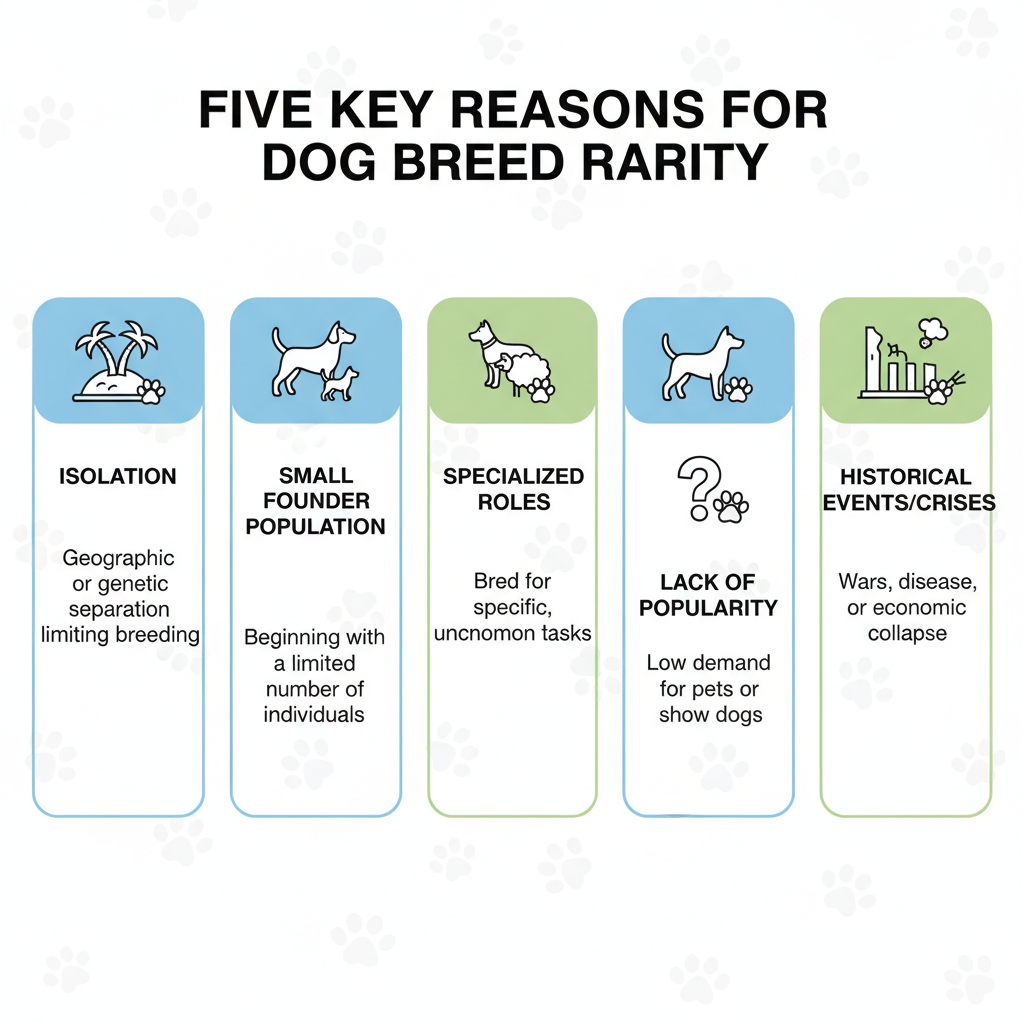
So, why do some dog breeds end up being so rare? It often boils down to a few key reasons:
- Living in isolation: Some breeds have historically stayed within a particular region or country, which kept them from spreading.
- Tiny beginnings: A breed might have started with only a very small group of original dogs.
- Super specialized jobs: Dogs developed for really specific tasks might not have been needed in huge numbers.
- Staying out of the spotlight: They simply haven't caught on with the wider public, remaining known only to a dedicated group of breeders and fans.
- Tough times: Things like wars, economic struggles, or changes in how people live can drastically shrink a breed's population.
For many of these uncommon breeds, dedicated people and special breed clubs work tirelessly to keep them going, making sure they don't disappear forever.
Let's meet some of the most captivating rare dog breeds out there.
What's the Rarest Dog Breed of Them All?
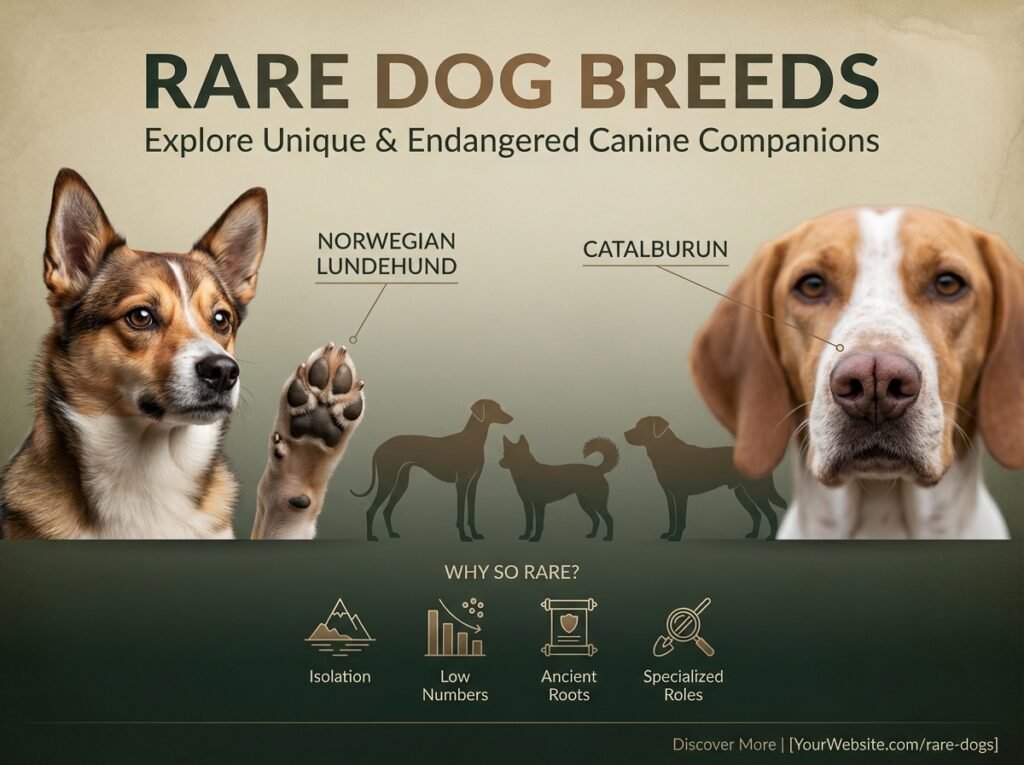
Pinpointing the single rarest dog breed can be tricky. Population numbers can change, and global data isn't always easy to get. However, one breed consistently comes up when we talk about extreme rarity: the Norwegian Lundehund.
Norwegian Lundehund
Meet the Norwegian Lundehund, often called the "Puffin Dog." This truly unique pup, a small, agile dog with a pointy snout, hails from Norway. What sets the Lundehund apart are its incredible physical traits, which developed over centuries to help it hunt puffins on treacherous coastal cliffs:
- Six toes on each foot: Unlike most dogs with four toes, the Lundehund has extra, fully functional toes. These give it amazing grip on slippery rocks and uneven ground.
- A super flexible neck: It can tilt its head so far back that it touches its spine! This trick helps the dog navigate tight, winding spaces in puffin nests.
- Ears that fold: These dogs can actually fold their ear flaps forward or backward, protecting them from water and dirt while hunting.
- Shoulders that really stretch: Their shoulder joints are so flexible that their legs can extend straight out to the sides. Imagine the maneuverability this gives them in narrow tunnels!
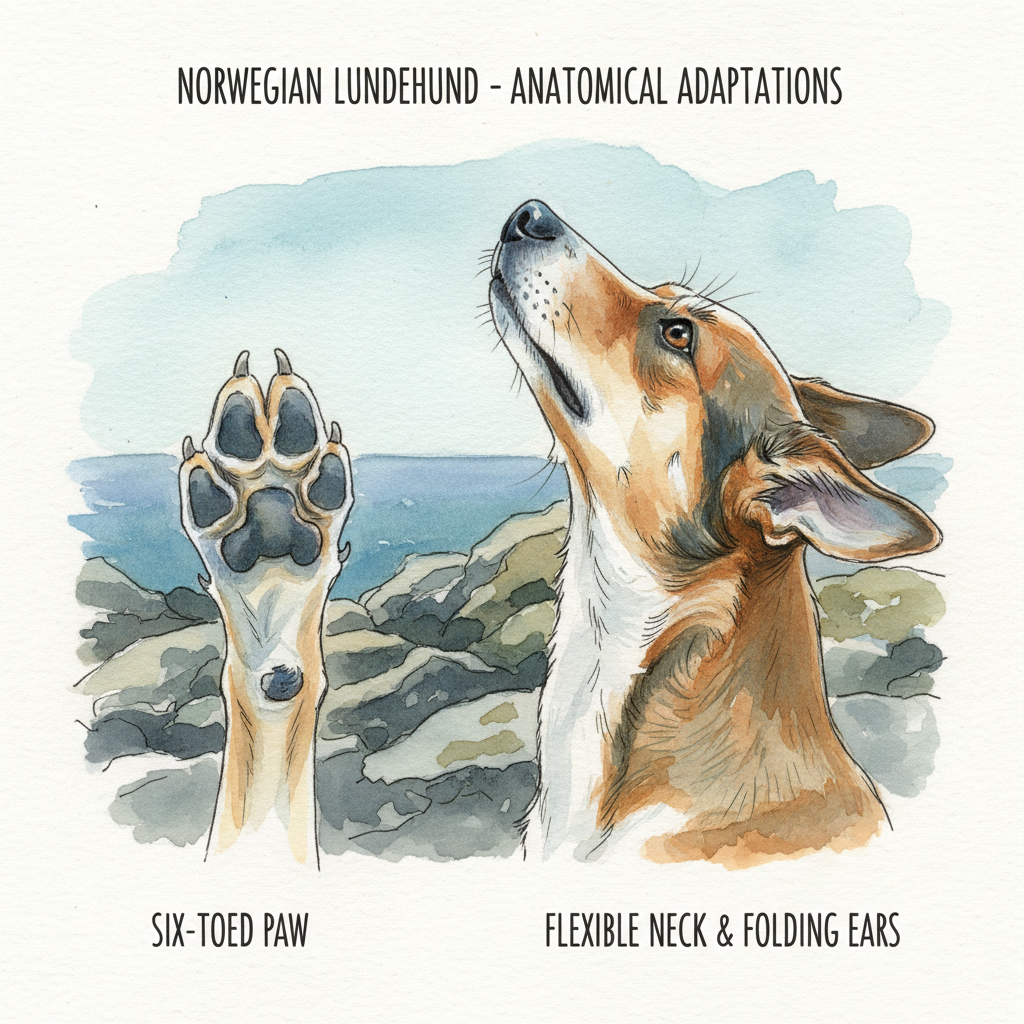
These remarkable adaptations make the Lundehund one of the most anatomically distinct rare dog breeds you'll ever find. They're small, quick, and known for their lively, loving personalities. Unfortunately, a canine distemper outbreak in the mid-1900s, coupled with the end of puffin hunting, pushed this breed to the brink. Today, it remains critically endangered, with only a few thousand estimated worldwide.
Other Rare Dog Breeds You'll Love
While the Norwegian Lundehund might be the poster child for rarity, many other breeds are incredibly scarce and absolutely deserve our attention.
Azawakh
The Azawakh is a stunning sighthound straight from Africa's Sahel region, often found with nomadic tribes in Mali and Niger. This is an ancient breed, historically used to hunt gazelles and guard livestock.
- Appearance: These dogs are famously slender, almost unbelievably thin, with short, fine coats that come in fawn, red, brindle, or sand colors, sometimes with white markings. Their elegant, regal look gives them a silhouette unlike any other dog.
- Temperament: Azawakhs are known for being sensitive, independent, and sharp. They form deep bonds with their human families but can be quite reserved around strangers. They need plenty of exercise and brain games to keep them happy.
Even though major kennel clubs recognized them relatively recently, Azawakhs are still very uncommon outside their homeland.
Chinook
The Chinook is a true American original, first bred in New Hampshire in the early 20th century by Arthur Treadwell Walden. This special breed was specifically developed for sled dog racing and expeditions, blending the power of a Mastiff, the steady personality of a German Shepherd, and the sledding talent of a Greenland Husky.
- Appearance: They're medium-sized dogs with strong builds, thick double coats, and a characteristic fawn or tawny color, often with dark markings on their ears and muzzle.
- Temperament: Chinooks are famous for their calm nature, intelligence, and eagerness to please. They make wonderful family dogs, are great with kids, and train up beautifully. These pups absolutely thrive when they're active and have plenty of companionship.
Despite all their amazing qualities, the Chinook population has always been small. Our research shows it was once even listed as the rarest dog breed. Dedicated breeders are now working hard to keep this special American treasure alive and thriving.
Catalburun
The Catalburun, whose name means "fork-nose" in Turkish, is an exceptionally rare pointing dog from Turkey's Mersin province. Its most defining feature, and the reason for its name, is its one-of-a-kind split nose.
- Appearance: Beyond that iconic nose, Catalburuns are medium-sized, muscular dogs with short coats, usually white with big patches of brown, black, or tan.
- Temperament: These dogs are super smart, driven, and have an unbelievable sense of smell, making them outstanding hunting partners. They're loyal and protective of their families but need experienced owners and lots of exercise due to their strong prey drive and boundless energy.
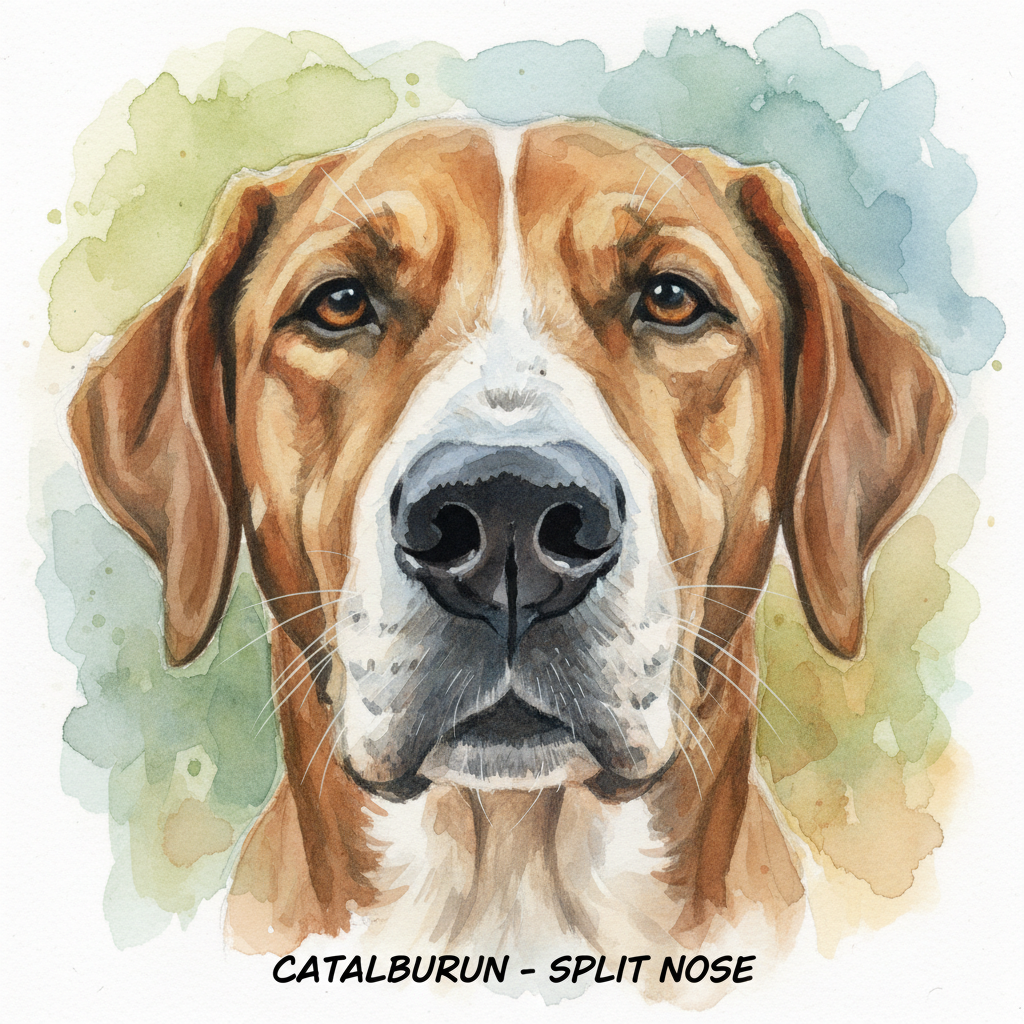
The Catalburun is practically unknown outside of Turkey; even there, it's rare. That split nose trait is something you simply won't see in any other dog breed.
Stabyhoun
The Stabyhoun is a beloved—yet rare—sporting dog from the Netherlands' Friesland province. Its name roughly translates to "stand by me dog," a perfect reflection of its loyal and loving nature.
- Appearance: These are medium-sized, elegant dogs with sleek, water-repellent coats, typically black and white or brown and white, often with speckles. Their soft, intelligent expression is a hallmark of the breed.
- Temperament: Stabyhouns are versatile and intelligent pups, known for being excellent hunters, retrievers, and watchdogs, but also gentle and patient family companions. They're eager to please and highly trainable. However, like all sporting breeds, they need regular exercise and mental stimulation.
Despite their wonderful traits, strict breeding standards and careful management by breed clubs have kept their numbers low, making them a well-kept secret outside of the Netherlands.
New Guinea Singing Dog
The New Guinea Singing Dog is a wild dog from the highlands of New Guinea, famous for its unique voice. Its "singing" is a complex mix of howls, yodels, and trills, completely different from a domestic dog's bark.
- Appearance: They're medium-sized, with a fox-like appearance, typically reddish-brown or black-and-tan coats, and a bushy tail. Their ears stand up, and their eyes often have an almond shape.
- Temperament: As a wild dog, they aren't fully domesticated like our common family pets. They're shy, intelligent, and very independent. While some are kept as exotic pets, they require extensive socialization and a deep understanding of their unique behaviors and needs.
This breed is extremely rare in the wild, with only a few hundred individuals existing in conservation programs globally. That makes them one of the rarest and most mysterious wild dogs around.
Telomian
The Telomian is another incredibly rare and ancient breed, native to Malaysia's remote Telom River region. The Orang Asli (indigenous people) originally bred them as village protectors and skilled hunters.
- Appearance: These are medium-sized dogs with short, smooth coats, typically sable, red, or light brown, sometimes with white markings. They have distinctive blue-black tongues (just like Chow Chows and Shar-Peis), pointy ears, and a curled tail.
- Temperament: Telomians are known for their sharp intelligence, agility, and impressive climbing abilities—they can even climb ladders! They're alert and protective, forming strong bonds with their families, but might be wary of strangers.
Only a handful of Telomians live outside of Malaysia, making them one of the rarest breeds globally and offering a fascinating peek into ancient dog lines.
How Can I Find a Rare Dog Breed?
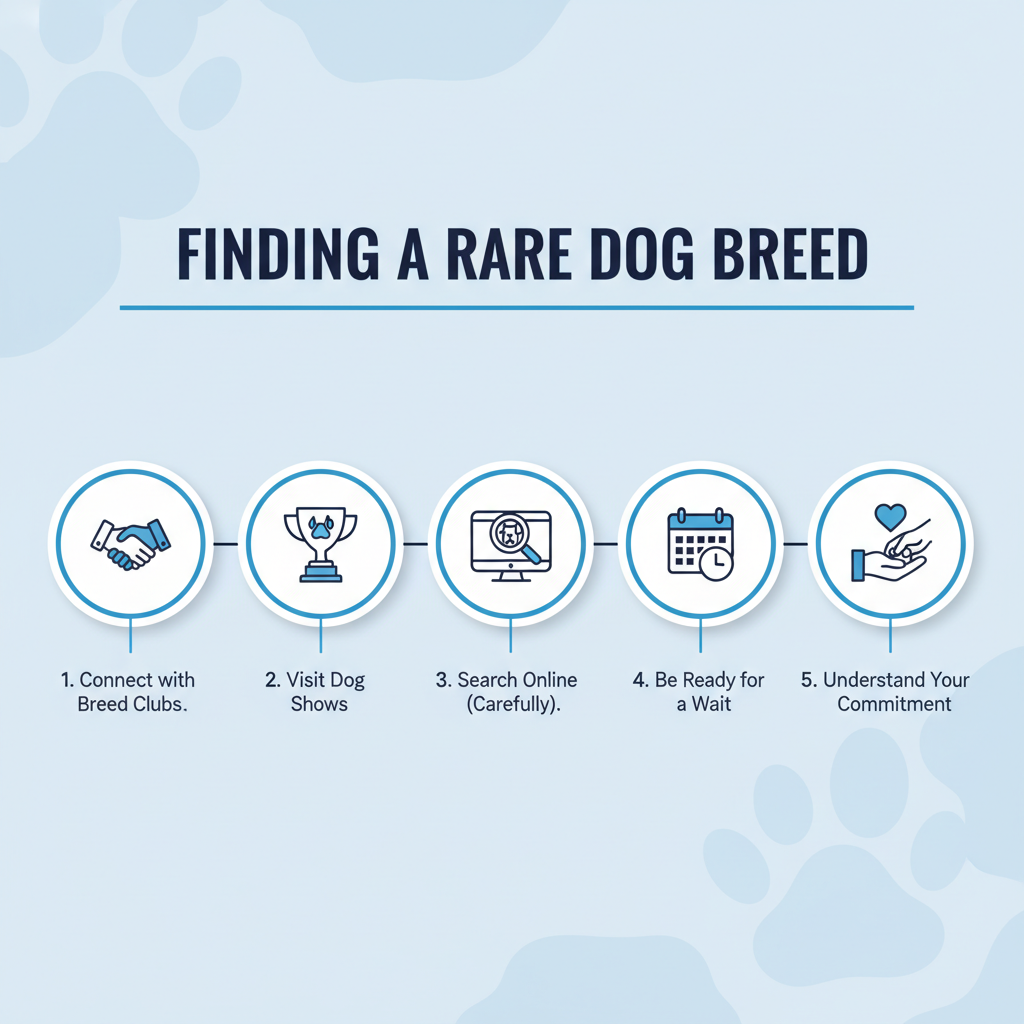
Finding a truly rare dog breed takes dedication, patience, and careful searching. Here's how our team at Petscarelab suggests you go about it:
- Connect with Breed Clubs: The most reliable way to find information and reputable breeders is through specific breed organizations. These clubs keep lists of trusted breeders and often have waiting lists for puppies.
- Visit Dog Shows: Big dog shows are fantastic places to see rare breeds in person and meet their owners and breeders. You can ask questions and make connections there.
- Search Online (Carefully!): Use specific breed names in your searches. Just be extra cautious and double-check all information, as rare breeds can sometimes attract scammers.
- Be Ready for a Wait: Because there's limited breeding stock and breeders choose pairings very carefully, waiting lists for rare breed puppies can be quite long—sometimes even years.
- Understand Your Commitment: Owning a rare breed often means you become a sort of ambassador for that dog. You might be asked to help with health studies or contribute to breed preservation efforts.
Remember, responsible breeding of rare dogs is absolutely vital for their health and genetic diversity. Always choose a breeder who puts the welfare of their pups first, does thorough health testing, and offers ongoing support throughout your dog's life.