
Puppy Growth Stages: From Tiny Furball to Full-Grown Friend
Watching your new puppy grow is one of the most exciting parts of being a pet parent. It's a whirlwind of tiny paws, sharp teeth, and big changes! Understanding the different puppy growth stages helps you know exactly what to expect as your little fluffball transforms into a loyal companion. While most dogs hit their full height by their first birthday, they often continue filling out until they're 18 to 24 months old.
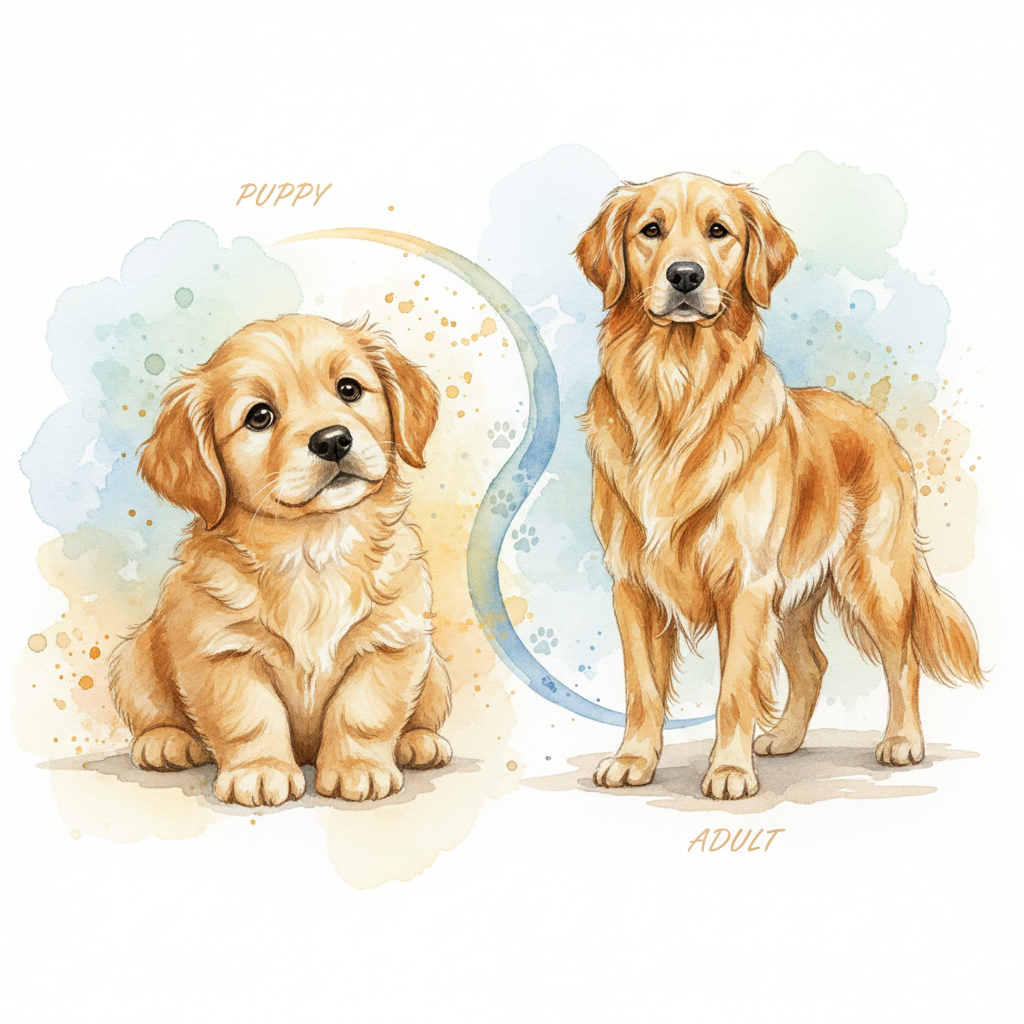
How Fast Do Puppies Actually Grow?
Puppies grow incredibly fast, but their pace depends almost entirely on their breed. Genetics are the blueprint for your pup's final size. A tiny Toy Poodle will be fully grown much, much faster than a lanky Great Dane.
Think of it this way: smaller breeds sprint to the finish line, while giant breeds take a slow and steady marathon to reach their full majestic size.
The Puppy Growth Timeline Explained
Every puppy’s journey is a little different, but they all go through the same key developmental milestones. Here’s a general look at the stages your new friend will go through.
The Neonatal Stage (0-2 Weeks)
For the first two weeks, a puppy is a tiny, helpless bundle. Born with their eyes and ears sealed shut, their whole world is their mom. They spend their days nursing and sleeping, and they'll usually double their birth weight in the first week alone.
The Transitional Stage (2-4 Weeks)
Get ready for some action! Around the two-week mark, your puppy's eyes and ears pop open, and their world expands. You'll see them take their first wobbly steps, and their tiny needle-like teeth will start to push through. This is also when they start to notice their littermates and begin clumsy attempts at play.
The Socialization Stage (4-12 Weeks)
This is a make-or-break period for your puppy’s development. From learning not to bite too hard during play to figuring out how to interact with the world, these weeks are critical. It's the perfect time to safely introduce your pup to new sights, gentle people, and other vaccinated dogs. This positive exposure helps build a confident, well-adjusted adult dog. Most puppies are also weaned and head off to their forever homes during this stage.
The Juvenile Stage (3-6 Months)
Get ready for a growth spurt! Your pup will be growing like a weed, losing their baby teeth, and getting their adult set. Training is super important now, as they're little sponges soaking up everything from potty training to basic commands. Their energy levels are off the charts, so be prepared for lots of playtime.
The Adolescent Stage (6 Months - 1 Year)
Welcome to the teenage years! Your pup will keep growing and might start looking more like an adult with their new coat. This is also when puberty hits. Females may have their first heat cycle, and males might start marking their territory. Just like human teenagers, they might test boundaries, so consistent and patient training is your best friend.
Adulthood (1-2 Years and Beyond)
Most small and medium dogs are considered fully grown in both size and mindset by their first birthday. Larger breeds, however, can take up to 18-24 months to finish filling out their frame. And don't be surprised if their emotional maturity continues to develop even after they've stopped growing.
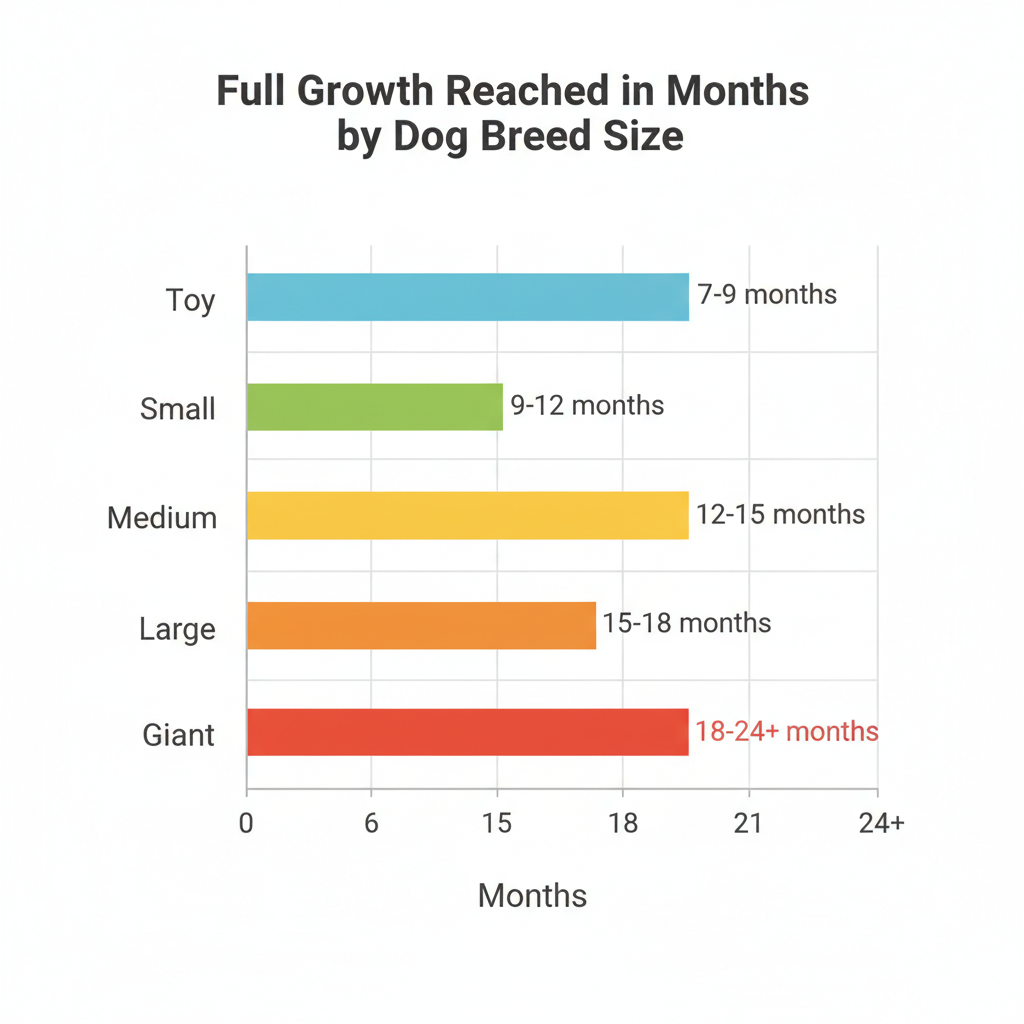
Puppy Growth Chart by Breed Size
While every pup is an individual, this chart from our team at Petscarelab gives you a solid idea of when you can expect different-sized breeds to stop growing.
| Breed Size | Examples | Full Growth Reached (Months) |
|---|---|---|
| Toy | Chihuahua, Toy Poodle, Pomeranian | 7-9 months |
| Small | Beagle, Dachshund, French Bulldog | 9-12 months |
| Medium | Bulldog, Australian Shepherd, Border Collie | 12-15 months |
| Large | Labrador Retriever, Golden Retriever, German Shepherd | 15-18 months |
| Giant | Great Dane, Mastiff, Saint Bernard | 18-24 months (or sometimes longer) |
Remember, these are just averages. Your dog might grow a little faster or slower.
How to Estimate Your Pup's Adult Size
It's natural to wonder just how big that little ball of fur is going to get! If you have a mixed-breed dog, playing detective can be part of the fun.
Here are a few tricks of the trade:
- Paw Size: People often say big paws mean a big dog. While it can be a clue, it's not a guarantee. Some breeds just have large paws, and some puppies are just a bit clumsy and out of proportion for a while!
- Genetic Background: If you know the parents or the breed mix, you're in luck. Looking up the average size for those breeds is the most reliable way to guess your pup's final size.
- Breed Growth Charts: For purebreds, your breeder or breed-specific resources online can provide charts that show average weight gain over time.
- The 16-Week Rule: This is a popular shortcut. Take your puppy's weight at 16 weeks (4 months) and double it. This trick tends to work best for small- to medium-sized dogs. For toy breeds, it might overestimate, and for giant breeds, it will likely underestimate their final weight.
A Quick Puppy Weight Calculation
Want to get a bit more specific? Veterinary specialists and breeders sometimes use a simple formula to estimate adult weight.
- For puppies under 4 months old:
- Adult Weight = (Current Weight / Age in Weeks) * 52
- For puppies 4 months and older:
- The same formula can be used, but it gets less accurate as they get older.
For example: If your 8-week-old puppy weighs 5 pounds:
(5 lbs / 8 weeks) * 52 = 32.5 pounds (estimated adult weight)
Just remember, this is an educated guess. Your dog's diet, metabolism, and unique genes will have the final say.
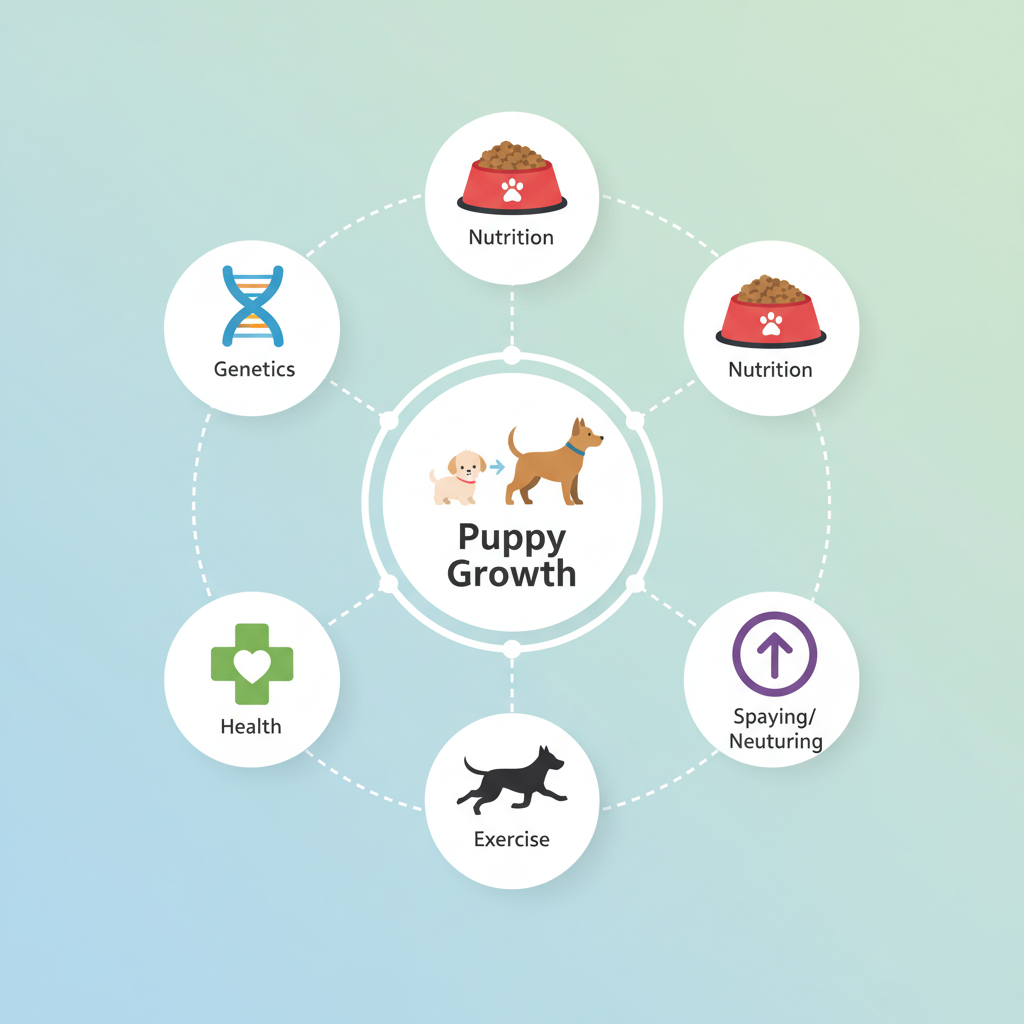
What Shapes Your Puppy's Growth?
Several things play a role in how your puppy grows into a healthy adult:
- Genetics: This is the number one factor. Your pup's DNA is the master plan that determines their potential size and growth rate.
- Nutrition: A high-quality puppy food is a must. It’s packed with the right balance of nutrients and calories for healthy development. Overfeeding or underfeeding can cause serious health issues down the road. Stick with puppy-specific food until they're fully grown.
- Health: Sickness, parasites, or other health conditions can unfortunately slow down or stunt a puppy's growth.
- Spaying/Neutering: Some research suggests that spaying or neutering a dog very early can affect how their bone growth plates close, sometimes resulting in a slightly taller dog. It's a complex topic best discussed with your vet.
- Exercise: The right amount of exercise helps build strong muscles and bones. But be careful—over-exercising a growing pup, especially a large breed, can put too much stress on their developing joints.
When to Switch From Puppy Food to Adult Food
Making the switch from calorie-dense puppy food to adult dog food is a big step. The timing all comes down to your dog's size.
- Toy and Small Breeds: Usually ready around 9-12 months old.
- Medium Breeds: Plan to switch around 12-15 months old.
- Large and Giant Breeds: They need puppy food longer, often until they're 18-24 months old.
Your vet is the best person to give you the final green light. They can check your pup's growth and make sure they're ready for the change.
When to Call the Vet
Regular check-ups are key to making sure your puppy is growing properly. You'll be visiting for vaccines and deworming anyway, so it's a great time to ask questions.
You should give your vet a call right away if you notice any of these signs:
- Stunted growth: Your puppy seems much smaller than other pups of the same age and breed.
- Limping or trouble walking: This could signal a problem with their bones or joints.
- Low energy or no appetite: These are often the first signs that something is wrong.
- Vomiting or diarrhea: This can quickly lead to dehydration and prevent them from getting the nutrients they need to grow.
- Anything else that just seems off. You know your puppy best.