```html
PetsCareLab
When your puppy reaches the age of 6 to 12 months, they enter their exciting “teenage” phase. This period is packed with new adventures and discoveries, and by now, your puppy should be fully vaccinated and ready to explore the world with enthusiasm. Training efforts might need to be refreshed and strengthened as your puppy matures.
Development
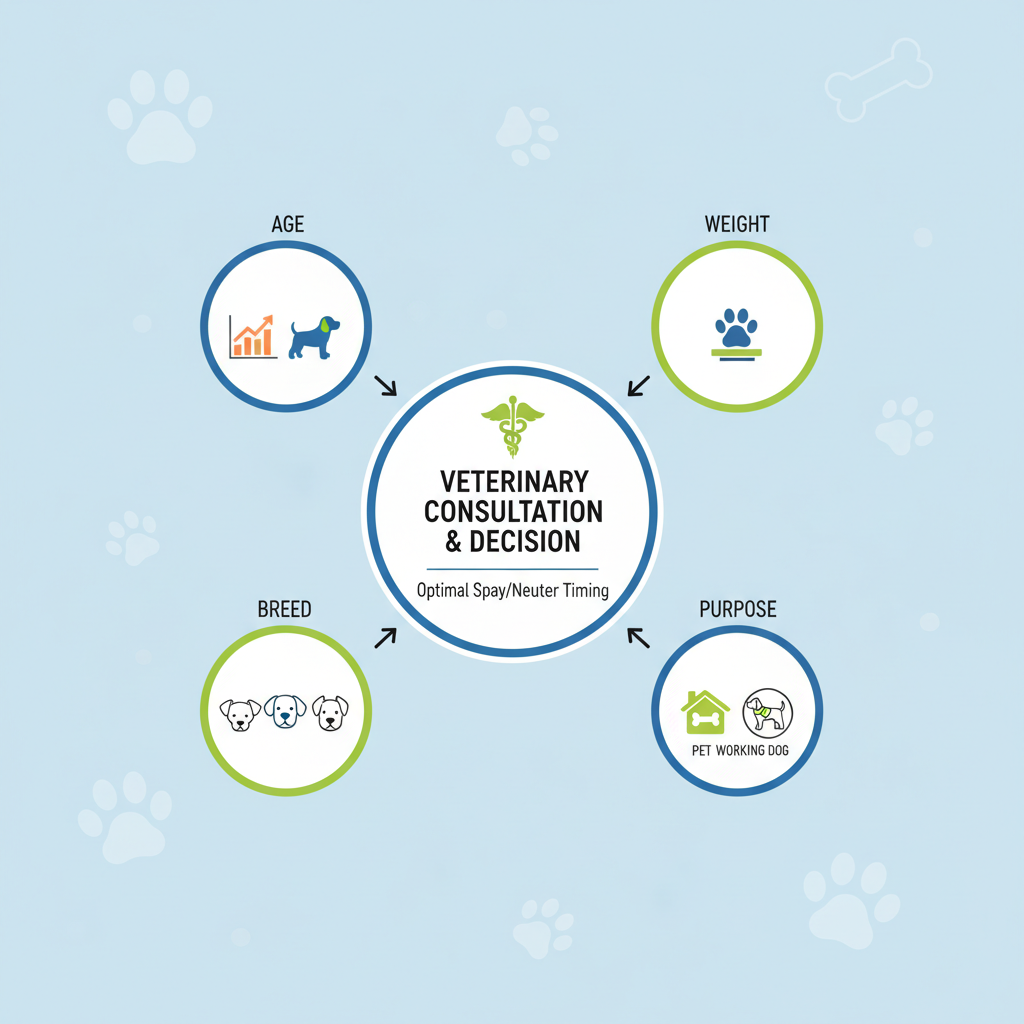
Throughout this stage, your puppy is steadily gaining weight and approaching their adult size. By around 6 to 7 months, all their adult teeth should have emerged. Starting at approximately 8 months, you may notice behaviors like mounting, marking territory, and for unspayed females, the onset of their first heat cycle. Depending on where you acquired your puppy, they might already be spayed or neutered. If not, it’s a good time to consult with your veterinarian about the best timing for this procedure. Research indicates that factors such as age, weight, breed, and purpose influence the optimal period for sterilization.
Behavior
By this stage, your puppy has likely mastered some basic commands and undergone initial training. If concerning behaviors arise, consider consulting a veterinary behaviorist or certified trainer for guidance.
Signs of concerning behavior may include:
- Avoiding people, other animals, or objects
- Lunging accompanied by raised hair along the neck and back
- Excessive mouthing during handling
- Anxiety manifesting as difficulty concentrating in certain settings
- Frequent vocalization, particularly when crated or left alone at home
Nutrition
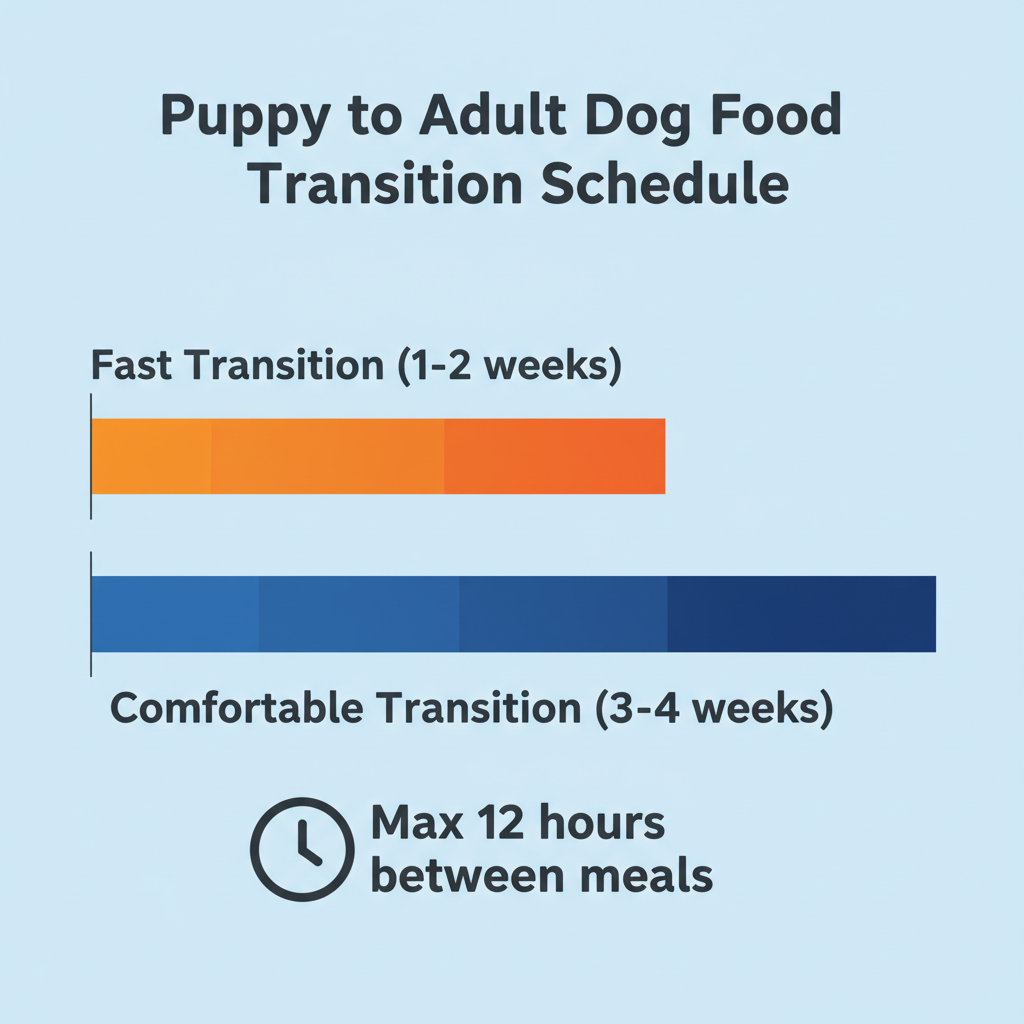
Your puppy should still be on a nutritious puppy-specific diet approved by the Association of American Feed Control Officials (AAFCO). As your puppy nears 10 to 12 months, start discussing with your veterinarian the transition to adult dog food. This dietary switch typically takes one to two weeks, but spreading it over three to four weeks can help your puppy adjust more comfortably.
Work with your vet to establish a feeding schedule that may reduce meals to two or three times daily. It’s crucial that no more than 12 hours pass between meals to prevent bilious vomiting—a condition where green or bright yellow bile is vomited due to excessive bile accumulation in the stomach, potentially irritating the stomach lining. If feeding schedules change or if your puppy vomits before breakfast, a small snack before bedtime might help, but veterinary evaluation is recommended to rule out underlying health issues.
Training
This phase is perfect for reinforcing previously learned commands and introducing more complex training exercises. Use positive reinforcement to motivate your puppy to maintain good behavior. Commands that have not been practiced recently may be forgotten, so consistent practice is key.
Health Conditions
At this age, your puppy no longer has maternal immune protection. If unvaccinated, they are vulnerable to diseases such as kennel cough, distemper, parvovirus, leptospirosis, and influenza. Ensuring your puppy is fully vaccinated is critical to preventing these illnesses.
As your puppy explores and socializes with both animals and people, they may occasionally test boundaries and get into things around the house. Be vigilant about securing:
- Small items that can be swallowed or chewed
- Trash bins
- Cleaning products
- Medications
If your puppy ingests something potentially toxic or that could cause a blockage, contact an emergency veterinarian immediately.
Rapid growth continues during these months, so schedule vet visits at 6 months and 1 year to monitor their development. If your puppy experiences issues like urine leakage or excessive water intake, consult your veterinarian to determine if it’s a medical concern or a training challenge.
Professional help may be needed if your puppy exhibits:
- Persistent anxiety and difficulty focusing on tasks
- Hyperactivity or stubbornness
- Excessive vocalization when crated or alone
- Destructive behavior when crated or unsupervised
Seek one-on-one support from a certified dog trainer or a board-certified veterinary behaviorist if these issues arise.
Vaccinations
At this age, your puppy might require a booster for the Bordetella vaccine. Make sure your puppy has completed all recommended vaccinations by discussing with your veterinarian. Since some vaccines may be new or boosters delayed, your vet might administer multiple vaccines to ensure robust protection against prevalent diseases.
References
- Petscarelab Veterinary Network. Understanding the “Normal” Newborn Puppy and Kitten. 2010.
- Petscarelab Clinician’s Brief. Developmental Stages of Puppies. July 2020.
- Petscarelab Humane Society. Puppy Developmental Stages and Behavior.
- Petscarelab Veterinary Network. The Basics of Puppy Behavior and Problem Prevention. 2011.
- Petscarelab Veterinary Network. Puppy Behavior Lab: Starting Puppies Off “On the Right Paw!” 2014.
- American Animal Hospital Association. 2022 AAHA Canine Vaccination Guidelines. 2022.
```