
Pulmonary Hypertension in Dogs: What Every Pet Parent Needs to Know
Hearing that your dog might have high blood pressure in their lungs, a condition called Pulmonary Hypertension in Dogs, can be scary. This isn't your everyday high blood pressure; it's specifically about the arteries carrying blood from your dog's heart to their lungs.
While it's a rare issue, it almost always pops up because of another underlying problem with their heart or lungs. When those arteries get too much pressure, it can mess with blood flow to the lungs and strain the heart, sometimes even leading to a serious condition called right-sided heart failure.

What Does Pulmonary Hypertension Look Like in Dogs?
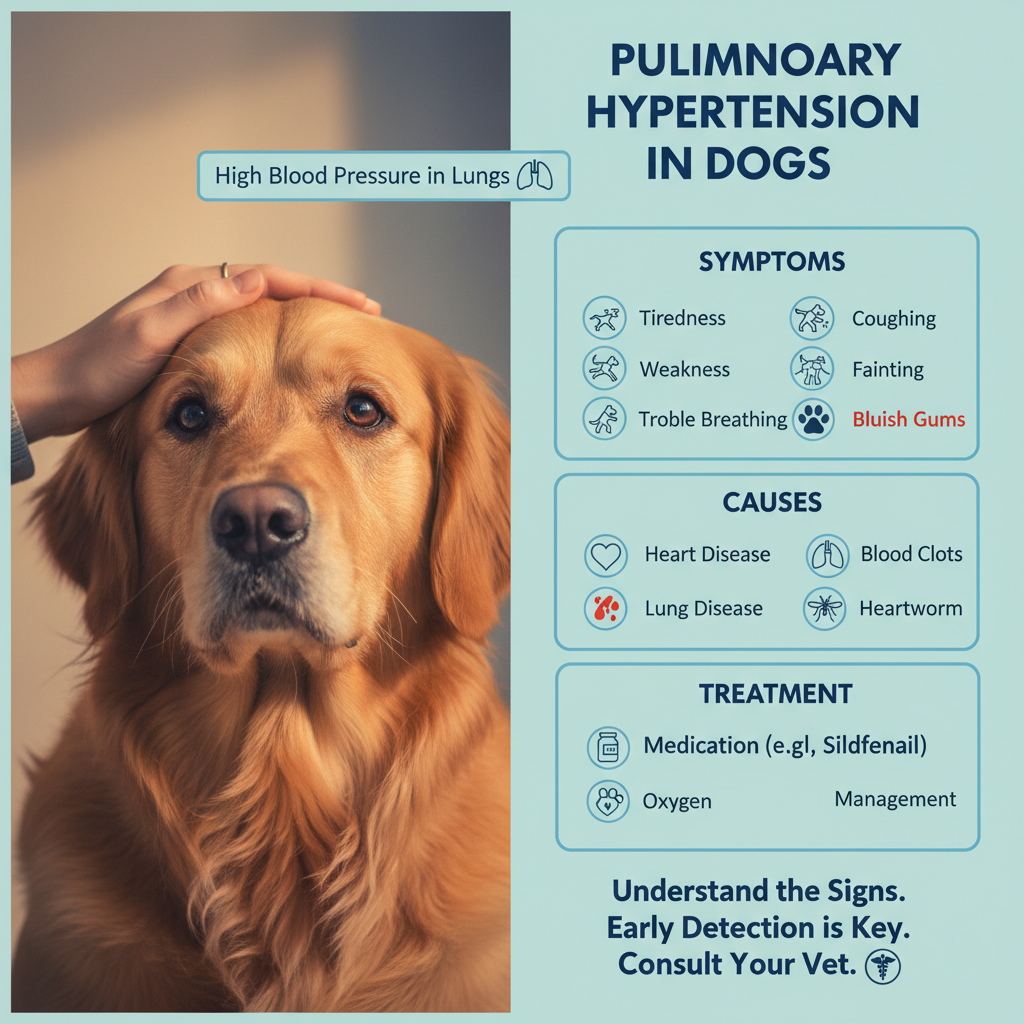
It can be tough to spot the signs of pulmonary hypertension in dogs because they're often subtle and can vary a lot depending on how severe the condition is and what's causing it. You might notice some of these changes in your pup:
- Tiredness: Your dog seems unusually sleepy or reluctant to play.
- Weakness: They might stumble or struggle with everyday movements.
- Doesn't want to exercise: They give up on walks sooner or avoid activities they once loved.
- Fainting spells: Your dog might suddenly collapse or pass out.
- Trouble breathing: You notice them panting heavily, struggling for air, or their breathing sounds labored.
- Coughing: A persistent cough that doesn't seem to go away.
- Strange heart sounds: Your vet might hear murmurs or other unusual sounds during a check-up.
- Swollen belly: Fluid can build up, making their abdomen look bloated.
- Bluish gums or tongue: This is a serious sign that your dog isn't getting enough oxygen.
What Causes High Lung Pressure in Dogs?
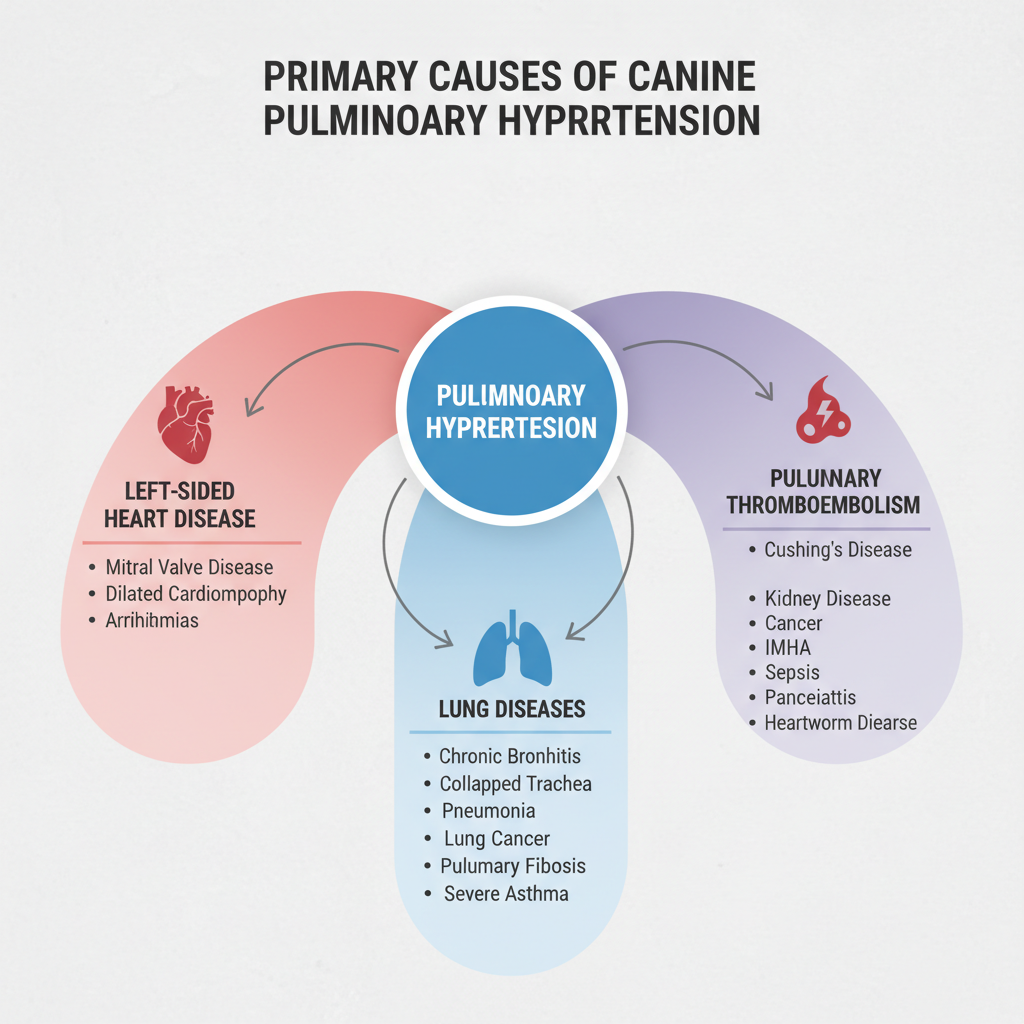
Pulmonary hypertension in dogs isn't usually a standalone problem; it's a complication of another health issue impacting their heart or lungs. These underlying conditions generally fall into three categories:
- Issues with the heart's left side: These are the most common culprits. They include:
- Mitral valve disease
- Dilated cardiomyopathy
- Irregular heartbeats (arrhythmias)
- Lung diseases: Problems directly affecting your dog's lungs can also lead to this condition. Some examples are:
- Chronic bronchitis
- Collapsed trachea
- Pneumonia
- Lung cancer
- Allergies affecting the lungs
- Pulmonary fibrosis (scarring of the lungs)
- Severe asthma
- Blood clots in the lungs (pulmonary thromboembolism): These dangerous clots can form due to various other health problems, like:
- Cushing’s disease
- Kidney disease (specifically protein-losing nephropathy)
- Certain types of cancer
- Immune-mediated hemolytic anemia (IMHA)
- Sepsis
- Pancreatitis
- Heartworm disease
Getting a Diagnosis for Pulmonary Hypertension in Dogs
When you bring your dog to the vet with symptoms that might point to high lung pressure, our veterinary specialists will start with a thorough physical exam and gather your dog's complete medical history. Make sure to share every symptom you've noticed, even if it seems minor.
To get a clear picture, your vet might recommend several diagnostic tests:
- Bloodwork (a complete blood count and serum biochemistry panel)
- Urinalysis
- Blood pressure check
- Chest X-rays (thoracic radiographs): These help us look at your dog's heart and lungs, checking their size, shape, and for any signs of lung disease.
- Electrocardiogram (ECG): This measures the electrical activity of the heart to catch any arrhythmias.
- Echocardiogram (cardiac ultrasound): This is the single most important test for diagnosing pulmonary hypertension in dogs. It lets us actually see your dog's heart in action and measure the pressure in those pulmonary arteries. It's also key for ruling out other heart problems or birth defects.
- Heartworm test: Essential, especially if heartworm disease could be a factor.
How We Treat Pulmonary Hypertension in Dogs
Right now, there isn't a cure for pulmonary hypertension itself. Instead, treatment focuses on managing the underlying cause and boosting blood flow to your dog's lungs. By tackling the root problem and addressing the symptoms, we can significantly improve your dog's quality of life.
Your vet might prescribe one or more medications:
- Sildenafil (often known as Viagra): This drug is a game-changer. It's a vasodilator, meaning it helps widen blood vessels, especially in the lungs. This lowers the pressure in the pulmonary arteries and improves blood flow. Our veterinary specialists often consider sildenafil the top choice for treating pulmonary hypertension in dogs.
- Pimobendan: This medication helps your dog's heart pump more efficiently and also widens blood vessels.
- Diuretics: If your dog has fluid buildup in their belly or lungs, these medications help get rid of that excess fluid.
- Oxygen therapy: For severe breathing difficulties, oxygen can be crucial to get blood oxygen levels back up.
- Bronchodilators: These help open up the airways in the lungs, making it easier for your dog to breathe.
- Anticoagulants: If blood clots are suspected, these medications help prevent new ones from forming.
- Heartworm treatment: If heartworms are the cause, your vet will start specific treatment to clear them.
Living with Pulmonary Hypertension: Recovery and Management
The future for dogs with pulmonary hypertension varies quite a bit. It depends on what caused it, how severe it is, and how well your dog responds to treatment. Sadly, the outlook can sometimes be challenging, as the disease can get worse over time and may lead to right-sided heart failure.
Regular vet visits are a must to keep an eye on your dog's condition and adjust their treatment as needed. Expect repeated echocardiograms to check how well the medications are working and if the disease is progressing.
You'll need to watch your dog closely for any changes in their symptoms and tell your vet right away if you notice anything new. We might also recommend limiting your dog's exercise, especially if they're prone to fainting or breathing trouble.

Can We Prevent Pulmonary Hypertension in Dogs?
Since pulmonary hypertension usually comes from another underlying illness, there's no specific way to prevent it directly. However, catching and managing those root conditions early can definitely help reduce the risk.
Things like regular vet check-ups, staying up-to-date on vaccinations, and year-round heartworm prevention are all vital steps. They keep your dog healthy overall and lower their chances of developing the kinds of heart or lung problems that could lead to pulmonary hypertension.