Pulmonary Contusion in Dogs: A Guide for Pet Parents
A pulmonary contusion in dogs simply means your furry friend has a bruised lung. This painful injury often happens after a sudden, forceful impact – like getting hit by a car, taking a serious fall, or even a hard kick to the chest.
While trauma is the usual culprit, a bruised lung can also pop up if your dog already has a lung condition like pneumonia, pulmonary fibrosis, or asthma. These underlying issues make their lungs extra vulnerable, meaning even a small bump could lead to a serious bruise. Whether it's a minor bruise or a severe one depends on how much damage the lung tissue takes.
What Is Pulmonary Contusion?
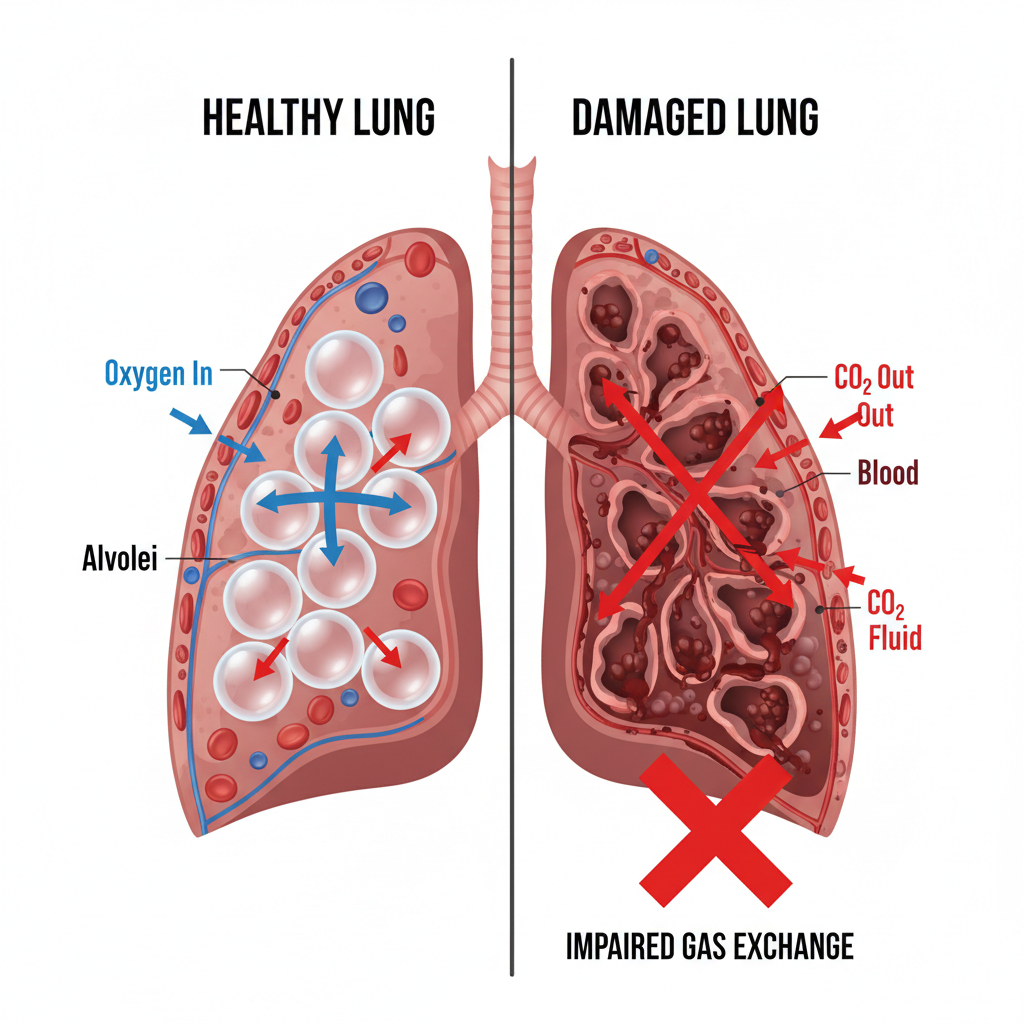
A pulmonary contusion happens when your dog's lung tissue gets bruised and damaged. When trauma hits, blood and fluid seep into the delicate air sacs (called alveoli) and the surrounding lung tissues. This leakage messes with the lung's crucial job of swapping oxygen for carbon dioxide, making it really tough for your dog to breathe.
These bruises can be mild, causing only a little breathing trouble, or they can be severe, leading to serious respiratory distress and even life-threatening problems. Any dog, no matter their age or breed, can get a lung contusion. But we tend to see them more often in playful young pups, very active dogs, or those who already have a breathing problem.
Symptoms of Pulmonary Contusion in Dogs
The signs of a pulmonary contusion in dogs can vary a lot, depending on how badly their lung is bruised. Sometimes, you won't see symptoms right after an injury. That's why it's so important to watch your dog like a hawk for any unusual changes.
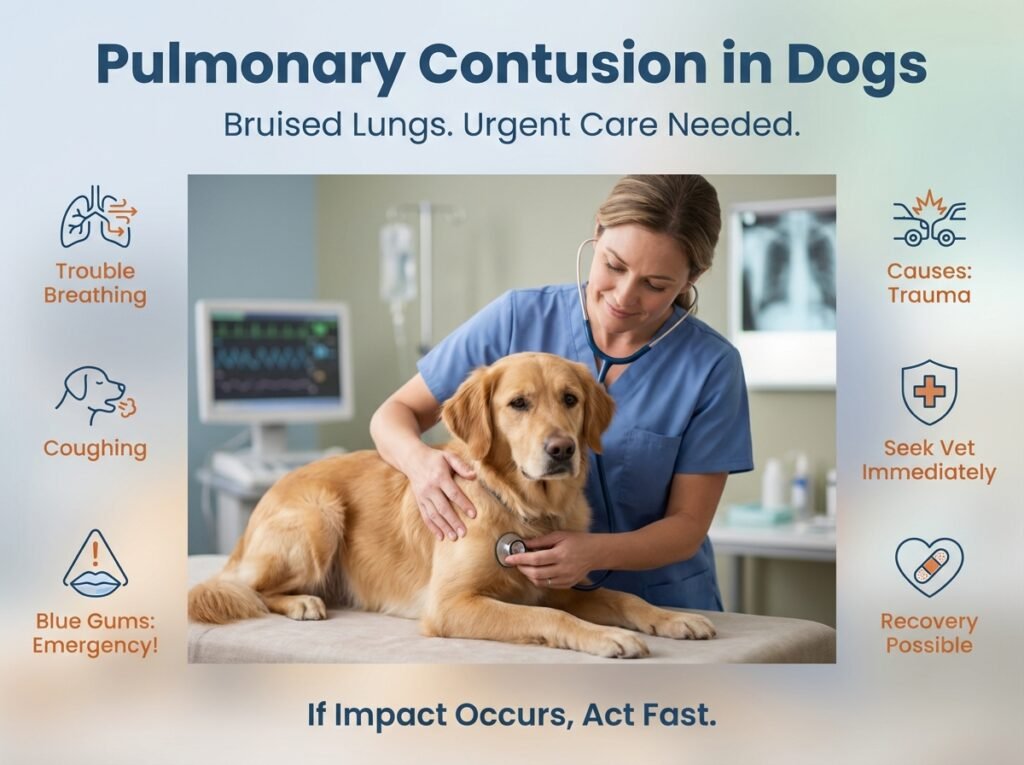
- Trouble breathing (you might hear this called dyspnea)
- Fast, shallow breaths (also known as tachypnea)
- Shallow, labored breathing
- Coughing (it could be a dry hack or bring up fluid)
- Foamy discharge from their mouth or nose, sometimes with a hint of blood
- Pain when they breathe or if you gently touch their chest
- Not wanting to lie down, or struggling to get comfortable
- Gums or tongue that look bluish (cyanosis) – this is a critical sign of low oxygen and needs immediate vet care!
- Weakness or extreme tiredness
- Restlessness or looking anxious
Causes of Pulmonary Contusion in Dogs
Most often, a pulmonary contusion in dogs comes from a direct, blunt impact to their chest. This kind of trauma can happen during a number of incidents, such as:
- Getting hit by a car: This is one of the top causes, often leading to severe chest injuries.
- Falling from a height: A tumble from a balcony, out a window, or down a flight of stairs can really hurt their chest.
- Kicks or hard blows to the chest: Whether accidental or not, a strong hit can bruise their lungs.
- Being stepped on or crushed: If a larger animal or heavy object compresses their chest, the damage can be severe.
- Dog fights: While less frequent than other blunt trauma, the force or bite wounds during a fight can injure their chest.
- Car accidents: Just like getting hit by a car, being a passenger in an accident can cause these injuries.
And remember, if your dog has an existing lung problem, even a minor bump can cause a contusion because their lungs are already weaker.
Diagnosing Pulmonary Contusion in Dogs
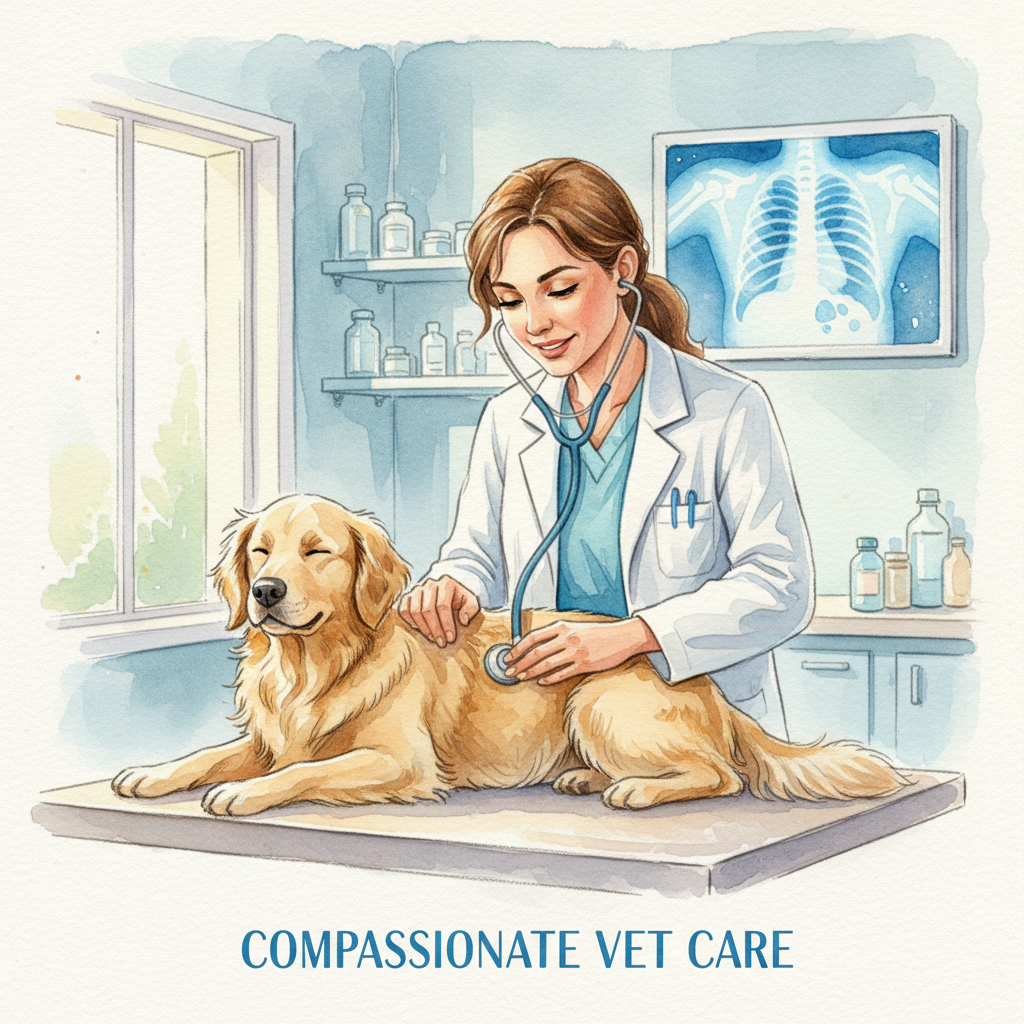
If your dog has been through any kind of trauma and you're seeing signs of a pulmonary contusion, get them to the vet immediately. Our veterinary specialists will do a thorough physical exam, checking for any trauma, signs of breathing trouble, and listening closely for unusual lung sounds.
Diagnostic tests may include:
- Chest X-rays (radiographs): These are often the first and best way to spot lung contusions. They reveal where fluid has built up or infiltrated the lung tissue. Your vet might take repeat X-rays to see how the bruise is healing.
- Chest ultrasound: This gives a clearer picture of the lung tissue, helping our team find any fluid around the lungs (pleural effusion) or bleeding inside the chest (hemothorax).
- Blood tests: A complete blood count (CBC) and biochemistry panel help us check your dog's general health, look for internal bleeding, and keep an eye on organ function.
- Pulse oximetry: This quick, non-invasive test measures the oxygen levels in your dog's blood, giving an instant read on how well they're getting enough oxygen.
- Arterial blood gas analysis: For a more precise look, this test measures oxygen and carbon dioxide directly from the blood, giving us detailed information about how well your dog's lungs are working.
- CT scan: Sometimes, especially if we suspect other severe injuries, a CT scan offers a detailed 3D view of the chest and lung damage.
Treatment for Pulmonary Contusion in Dogs
Treating a pulmonary contusion in dogs depends entirely on how bad the bruise is and if your pup has any other injuries. Most dogs will need to stay in the hospital for intensive care. Our main goals are always to stabilize your dog, help them breathe, and keep them comfortable by managing their pain.
Treatment options include:
- Oxygen therapy: If your dog is struggling to breathe, we'll provide extra oxygen using methods like nasal prongs, an oxygen cage, or a face mask to boost their oxygen levels.
- Pain management: Keeping your dog comfortable is key, and good pain relief helps them breathe easier. Our vets might use medications like opioids (fentanyl, morphine, buprenorphine) or non-steroidal anti-inflammatory drugs (NSAIDs).
- Fluid therapy: We might give intravenous (IV) fluids carefully to keep your dog hydrated and support their blood pressure. However, we must be super careful not to give too much, as this can make lung swelling worse.
- Constant monitoring: We'll continuously watch your dog's vital signs – their heart rate, breathing rate, blood pressure, and oxygen levels – around the clock.
- Strict rest: Letting the lungs heal properly means keeping your dog absolutely still. We'll limit all activity until our vet says it's safe.
- Bronchodilators: Drugs like albuterol can help open up their airways, making it easier to breathe.
- Diuretics: Sometimes, medications like furosemide might be used to reduce fluid buildup in the lungs, but our vets use them very cautiously to avoid dehydration.
- Antibiotics: If we suspect a bacterial infection, like pneumonia, we'll prescribe antibiotics.
- Chest tube placement: If there's a lot of fluid (pleural effusion) or air (pneumothorax) surrounding the lungs, we might place a chest tube to drain it and relieve pressure, allowing the lungs to expand.
- Mechanical ventilation: For severe, life-threatening cases where a dog simply can't breathe on their own, a ventilator might be necessary. This is a very specialized and costly treatment.
Recovery and Management of Pulmonary Contusion in Dogs
How fast your dog recovers from a pulmonary contusion really depends on how severe the injury is. A mild bruise might heal up in a few days to a week, but severe cases can take several weeks or even months.
During this recovery time, it's absolutely crucial you follow your vet's instructions to the letter.
- Strict activity restriction: Your dog needs absolute rest and very limited activity until our vet gives the green light. This often means crate rest or only short, leash-supervised potty breaks.
- Watch their breathing: Keep a close eye on any changes in how your dog breathes, if they're coughing more, or seem unusually tired. Call your vet right away if you have any concerns.
- Give all medications: Make sure you give all prescribed medications exactly as directed, especially those important pain relievers.
- Follow-up appointments: Don't miss any scheduled follow-up visits or X-rays. They're vital for monitoring healing.
- Steer clear of irritants: Keep your dog away from smoke, heavy dust, and anything else that could irritate their lungs.
With the right veterinary care and your diligent management at home, most dogs with a bruised lung can make a full recovery and get back to their normal selves. However, some pups might face long-term issues like a chronic cough or become more prone to respiratory infections.
How long does it take for a pulmonary contusion in dogs to heal?
The healing time for a bruised lung in dogs really depends on how severe it is. Mild cases often get better within a few days to a week, but severe ones can take several weeks or even months for a full recovery. Regular vet check-ups and follow-up X-rays are crucial to track their progress.
What causes pulmonary contusions in dogs?
Most often, a pulmonary contusion in dogs is caused by a strong, blunt impact to their chest. This could be from getting hit by a car, falling from a height, kicks or blows, being stepped on, or even getting into a serious dog fight or car accident.
What's the survival rate for a pulmonary contusion in dogs?
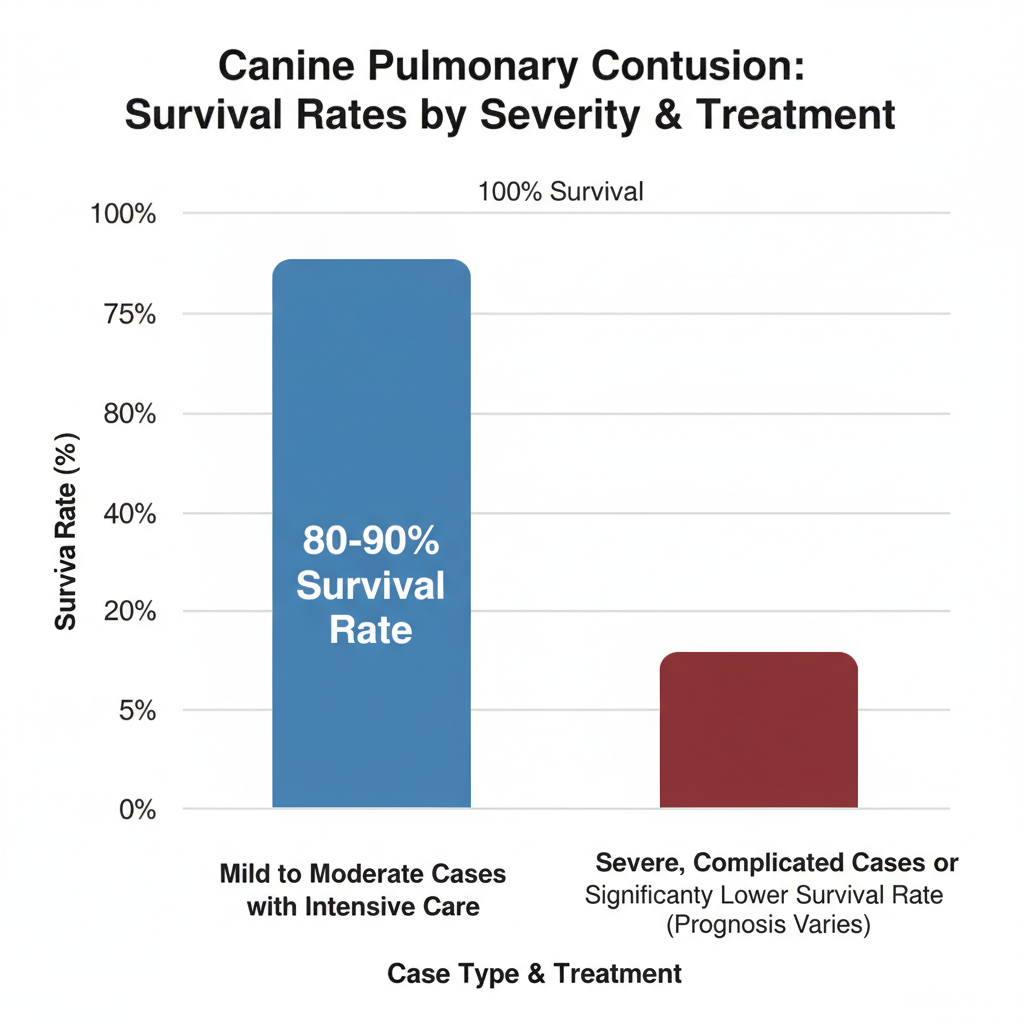
The good news is that for mild to moderate cases of bruised lungs in dogs, the survival rate is generally very good, especially with fast and proper veterinary care. However, the outlook gets tougher with more severe contusions, extreme breathing distress, or if your pup has other life-threatening injuries. Our research suggests a survival rate of about 80-90% for traumatic lung injuries when dogs receive intensive care. But this can drop quite a bit in very severe, complicated situations or if treatment isn't immediate.