Probiotics for Dogs: Does Your Dog Need Them?
The journey to understanding the profound impact of probiotics for dogs on their overall health and well-being is continuously evolving. While the full scope of their benefits is still being unveiled, and veterinary research, though growing, can sometimes present diverse findings, the potential for these beneficial microorganisms is increasingly clear.
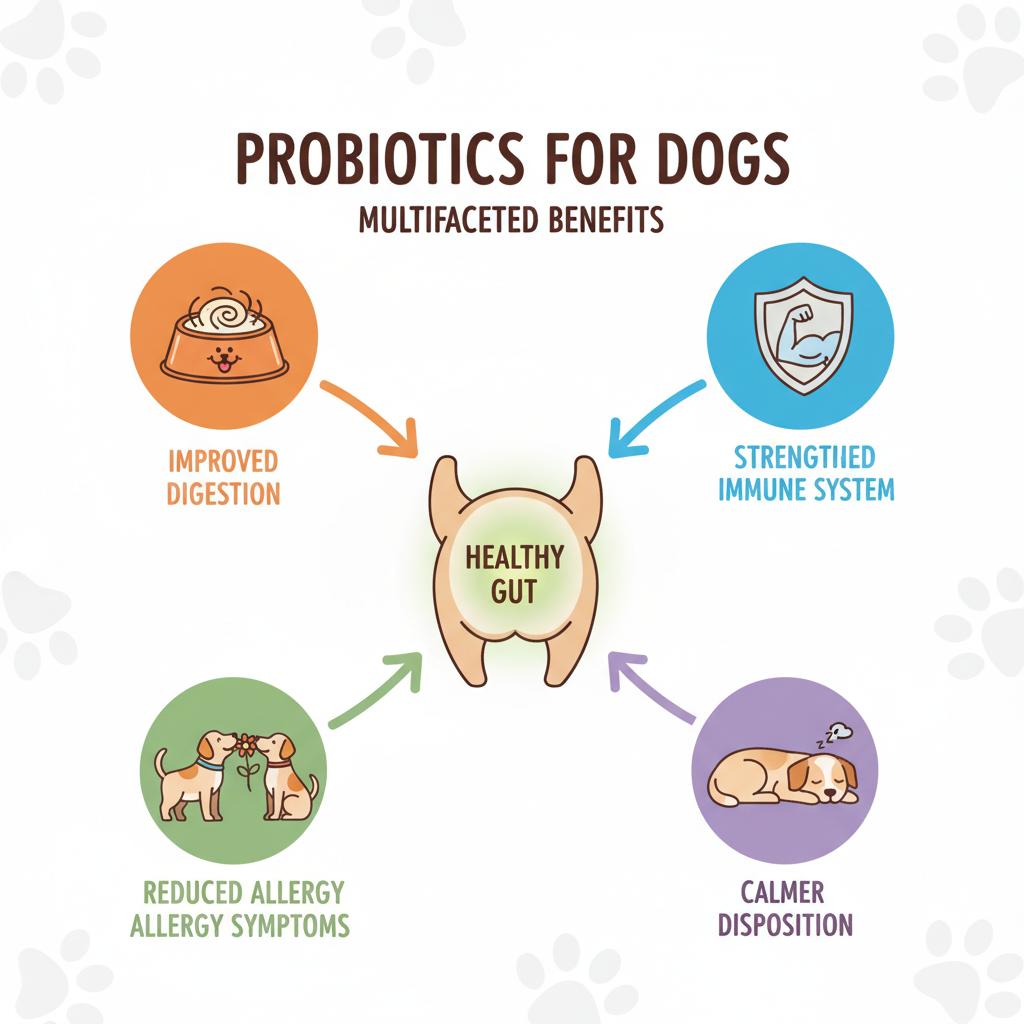
At Petscarelab, our expert team and leading industry research suggest that under various circumstances, incorporating probiotics for dogs can offer remarkable support, including:
- Significantly aiding digestive processes.
- Skillfully modulating and bolstering the immune system.
- Providing vital intestinal benefits by fostering the production of short-chain fatty acids, which actively combat harmful bacteria.
- Improving the uncomfortable symptoms of diarrhea, irritable bowels, and intestinal inflammation.
- Helping to reduce the frequency of challenging urinary tract infections.
- Alleviating allergic reactions, offering a sense of relief to sensitive pups.
- Contributing to a more serene disposition, helping dogs remain calm and centered.
Here, we delve into the world of probiotics for dogs—exploring what they are, the different types available, their extensive benefits, and when they might be most effectively used to support your beloved companion.
Key Takeaways
- Probiotics are nature’s tiny powerhouses: beneficial microorganisms that are fundamental in supporting your dog’s digestion, immune health, and overarching well-being.
- Dogs can greatly benefit from the thoughtful addition of probiotics, especially during moments of stress, periods of illness, dietary transitions, or following a course of antibiotics.
- Beyond digestion, probiotics offer multifaceted support, helping to manage diarrhea, reduce allergic responses, and even foster mental calmness in our canine friends.
- For optimal efficacy, dog-specific probiotics are generally preferable to human formulations, as they are meticulously crafted to align with the unique digestive systems of canines.
What Are Probiotics for Dogs?
Probiotics for dogs are essentially beneficial microorganisms that thrive within their digestive tract. This vibrant ecosystem, teeming with billions of these bacteria (and some yeast), resides within the gastrointestinal system of many animals, including our cherished dogs. These healthy gut microbes act as diligent guardians, balancing the internal environment to actively prevent disease and vigorously promote holistic health.
These indispensable gastrointestinal microorganisms perform a myriad of vital tasks, such as:
- Assisting in the intricate process of breaking down food, ensuring nutrient absorption.
- Synthesizing essential nutrients and vitamins crucial for bodily functions.
- Standing as a formidable defense, fighting off potential pathogens that threaten health.
- Profoundly strengthening immunity, creating a robust shield against illness.
- Engaging in a complex interplay with the “gut-brain axis,” a critical connection that significantly influences mood and behavior.
What’s the Difference Between Prebiotics and Probiotics for Dogs?
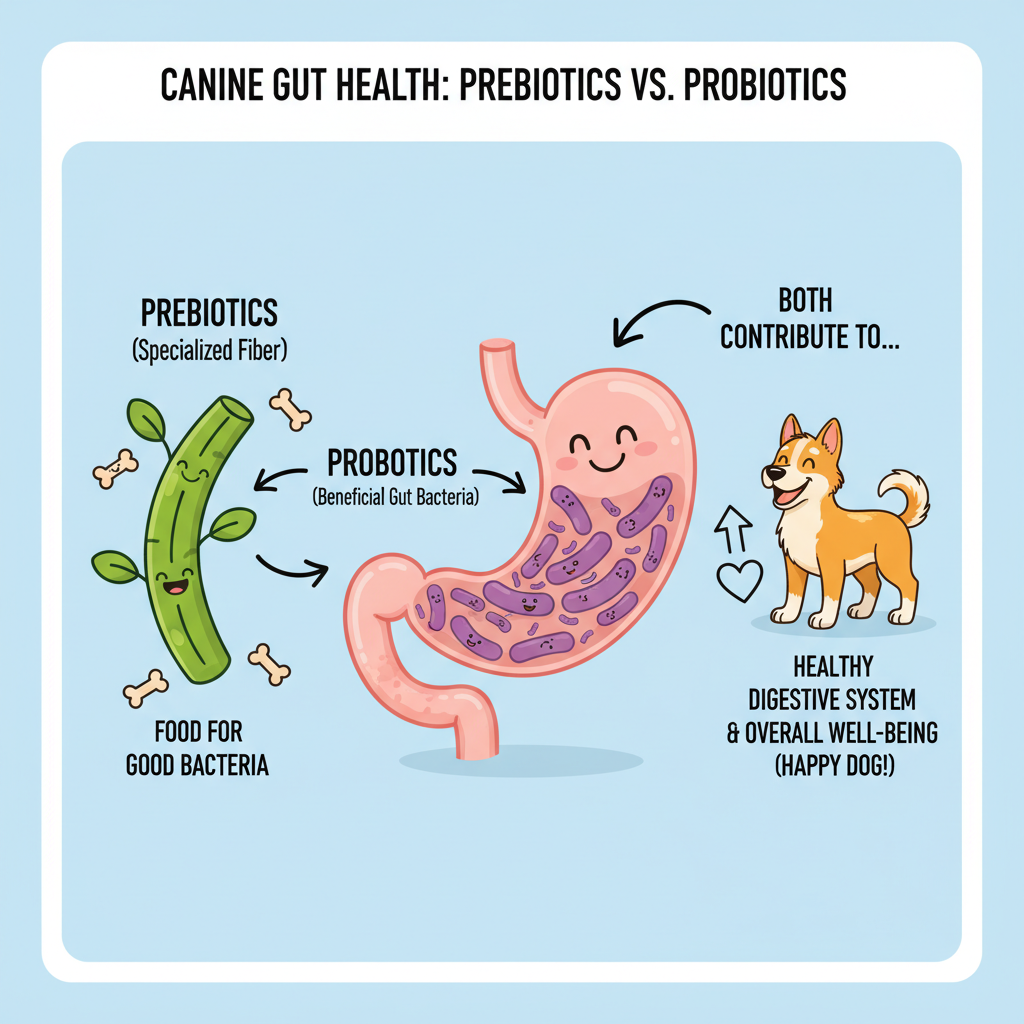
As you explore digestive health, you may have also encountered the term “prebiotics.” It’s natural to wonder about the distinction between these two vital components. Prebiotics are specialized types of fiber that serve a crucial role: they nourish and actively promote the growth of the beneficial bacteria (our probiotics!) that already reside within the colon. In essence, prebiotics feed probiotics, helping them flourish and perform their vital work.
These important prebiotics are most commonly found in high-fiber foods. Some premium pet foods are thoughtfully formulated to include prebiotics, featuring special blends designed to support healthy digestion and a thriving gut microbiome.
Benefits of Probiotics for Dogs
Probiotics for dogs are often recommended for their pivotal role in maintaining a desirable intestinal microbial balance—which, at its core, is about keeping a dog’s gut health in harmonious equilibrium.
While a generally healthy dog typically possesses the innate ability to maintain this balance of digestive microbes naturally, certain periods can disrupt this delicate harmony. During times of stress, illness, or even dietary inconsistencies, an imbalance can occur, leading to various health challenges.
Fortunately, many dogs demonstrate a positive response to probiotic supplements when their gut microbes have become disrupted, helping to restore order and well-being.
Extensive research, including studies conducted by veterinary professionals, has illuminated that specific species and strains of probiotics may offer distinct and targeted benefits for dogs. For instance, certain strains of Lactobacillus and Bifidobacterium are known to:
- Effectively manage yeast overgrowth and robustly support the immune system.
- Offer a natural approach to preventing anxiety, fostering emotional well-being.
- Significantly reduce stress responses, promoting a calmer state.
- Provide welcome relief from uncomfortable diarrhea and bothersome food allergies.
Furthermore, some Bacillus species can notably support the immune response, while Enterococcus faecium has been specifically shown to shorten the duration and severity of diarrhea in dogs, offering quick relief.
Can Probiotics Help Dogs with Diarrhea?
Yes, absolutely. Probiotics for dogs can be a highly effective intervention to improve instances of canine diarrhea, particularly when it’s triggered by common stressors and changes such as:
- Stress arising from boarding, a house move, or any significant disruption in your dog’s established routine.
- Sudden alterations to your dog’s diet, like the introduction of a new or unusual food that upsets their system.
- A bacterial imbalance within the gut, often a consequence of long-term antibiotic use that can deplete beneficial bacteria.
Diarrhea stemming from infections that lead to an overgrowth of harmful bacteria within the gut may also see significant improvement with consistent probiotic use, as these beneficial microbes help re-establish a healthy internal environment.
Can Probiotics Help Dogs with Allergies?
Indeed, the role of probiotics extends beyond direct digestion to the complex realm of immunity. Certain probiotic strains have been scientifically demonstrated to modulate the immune system and regulate inflammatory molecules, such as IgE antibodies, which are key players in triggering allergic reactions.
A recent study revealed a compelling connection: dogs grappling with allergic skin disease, specifically canine atopic dermatitis (CAD), exhibited less diversity in their gut microorganism populations compared to their healthy counterparts.
This significant finding strongly suggests that an intestinal imbalance is intimately correlated with CAD. Consequently, probiotic supplementation holds great promise in alleviating the severity of allergy symptoms by diligently rebalancing the healthy gut bacteria, fostering a more resilient immune response from within.
Signs Your Dog Needs Probiotics
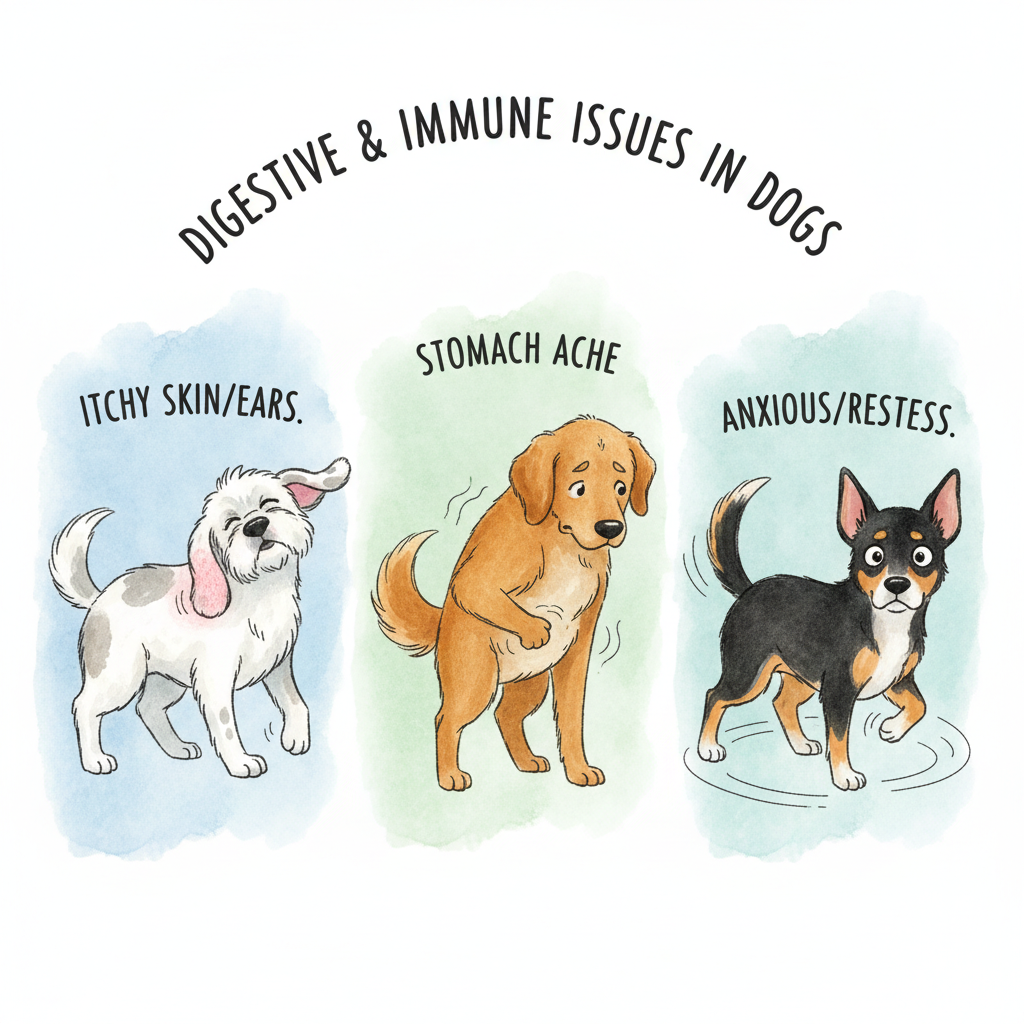
Your beloved canine companion may significantly benefit from the thoughtful addition of a probiotic supplement if they frequently contend with any of the following health indicators:
- Persistent loose stool or recurrent bouts of diarrhea.
- Episodes of constipation, signaling digestive sluggishness.
- Chronic skin inflammation, often manifesting as itching, redness, or discomfort.
- Frequent urinary tract infections, indicating a potential weakness in immune defenses.
- Observable signs of anxiety, which might include excessive barking, persistent whining, restless jumping, or repetitive pacing.
Types of Probiotics for Dogs
Probiotics for dogs are available in several convenient and effective forms, catering to various preferences and needs. While some expertly formulated dog foods incorporate probiotics directly into their ingredients, you’ll typically find the specific type of bacteria listed in the guaranteed analysis section of the package.
However, for a more targeted and potent approach, our experts at Petscarelab generally recommend utilizing a dedicated dog probiotic supplement. These often come in user-friendly formats such as powders, capsules, or delicious chews.
These specialized probiotic products are meticulously designed to deliver a significantly higher concentration of beneficial live microorganisms, ensuring your dog receives a therapeutic dose. Each product will be clearly labeled with precise recommendations regarding dosage and frequency of use, allowing for easy and accurate administration.
Can Dogs Take Human Probiotics?
While dogs can technically consume human probiotics without immediate harm, and they are not inherently toxic to pets, they may not offer the same targeted benefits as a species-specific supplement. The reason lies in the fundamental differences between canine and human gut microbiomes—each is uniquely adapted to its host.
Probiotics for dogs are specifically formulated with the canine digestive system in mind, containing strains of bacteria that are most effective for their unique physiological needs. Furthermore, dog-specific products provide appropriate dosing instructions meticulously calibrated for canine consumption, ensuring efficacy and safety.
Side Effects of Probiotics for Dogs
When introducing any new supplement, including probiotics for dogs, it’s wise to be aware of potential initial adjustments. Some dogs, particularly when starting at higher doses, may experience mild and often temporary side effects. These can include:
- Minor digestive discomfort, a transient feeling of unease.
- Temporary changes in stool consistency, such as mild diarrhea.
- A sensation of bloating, indicating initial gut adjustment.
- Increased gas, as the gut microbiome rebalances.
- Brief periods of constipation, as the system adapts.
It’s important to note that a pre-existing digestive symptom may sometimes appear to worsen temporarily before significant improvement is observed—this can be part of the gut’s healing process. Any noticeable changes in appetite could also be an early indicator of an adverse reaction.
If your dog does not respond well to probiotics, or if you have any lingering concerns about their digestive health, it is always best to consult with your primary veterinarian. They can provide personalized advice and guidance.
Can puppies take probiotics?
Yes, absolutely, puppies can safely take dog-specific probiotics. Introducing probiotics early may significantly aid in the development of a balanced intestinal bacterial environment, which is crucial for supporting a healthy immune system and can help reduce the incidence of common puppy woes like diarrhea, constipation, and various infections of the digestive tract.
Can dogs eat yogurt and other foods with probiotics?
Some human foods, such as plain yogurt, kefir, and certain fermented vegetables like sauerkraut, do contain live cultures that can offer probiotic benefits to some dogs. However, our experts at Petscarelab advise caution: introducing new human foods to a dog’s diet can sometimes lead to digestive upset, including diarrhea and other health issues. For consistent and safe probiotic support, using a dedicated probiotic supplement formulated for dogs is often the more reliable and safer approach.
Should you choose to offer human foods, it is imperative to read labels meticulously to select only plain, unsweetened varieties. Crucially, ensure they do not contain artificial sweeteners, especially xylitol, which is highly toxic and extremely dangerous for dogs.
Do dogs need probiotics?
While many dogs can benefit from probiotic supplementation, it’s not a universal necessity for all canines. For instance, probiotics are generally not recommended for severely immunocompromised dogs, as their delicate systems may react differently. It is always of paramount importance to consult with your primary veterinarian. They are best equipped to assess your dog’s unique health profile and determine if introducing a probiotic is the most beneficial course of action for their individual needs.
How long do probiotics take to work in dogs?
The timeline for observing the positive effects of probiotics can vary. Manufacturers of canine probiotic products have reported notable improvements in both digestive and immune health within approximately four weeks of consistent use. For behavioral benefits, such as a reduction in anxious behaviors, a more extended period of around six weeks may be needed for the full effects to manifest. Patience and consistency are key when supporting your dog’s gut health.