Pollen Allergies in Dogs
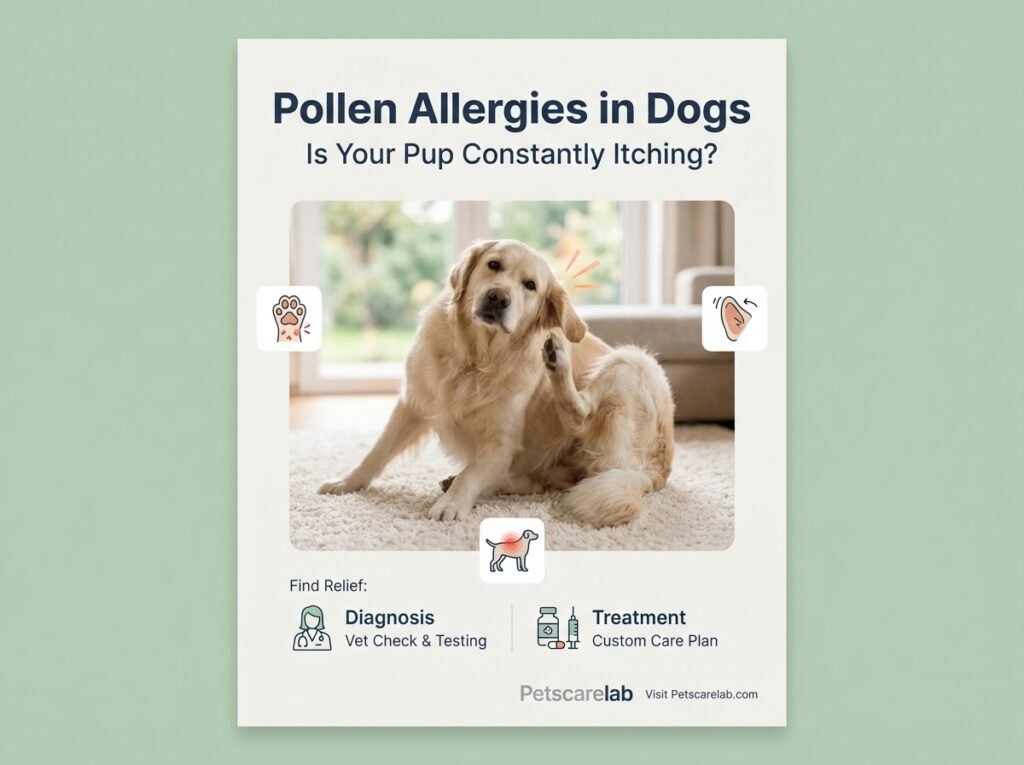
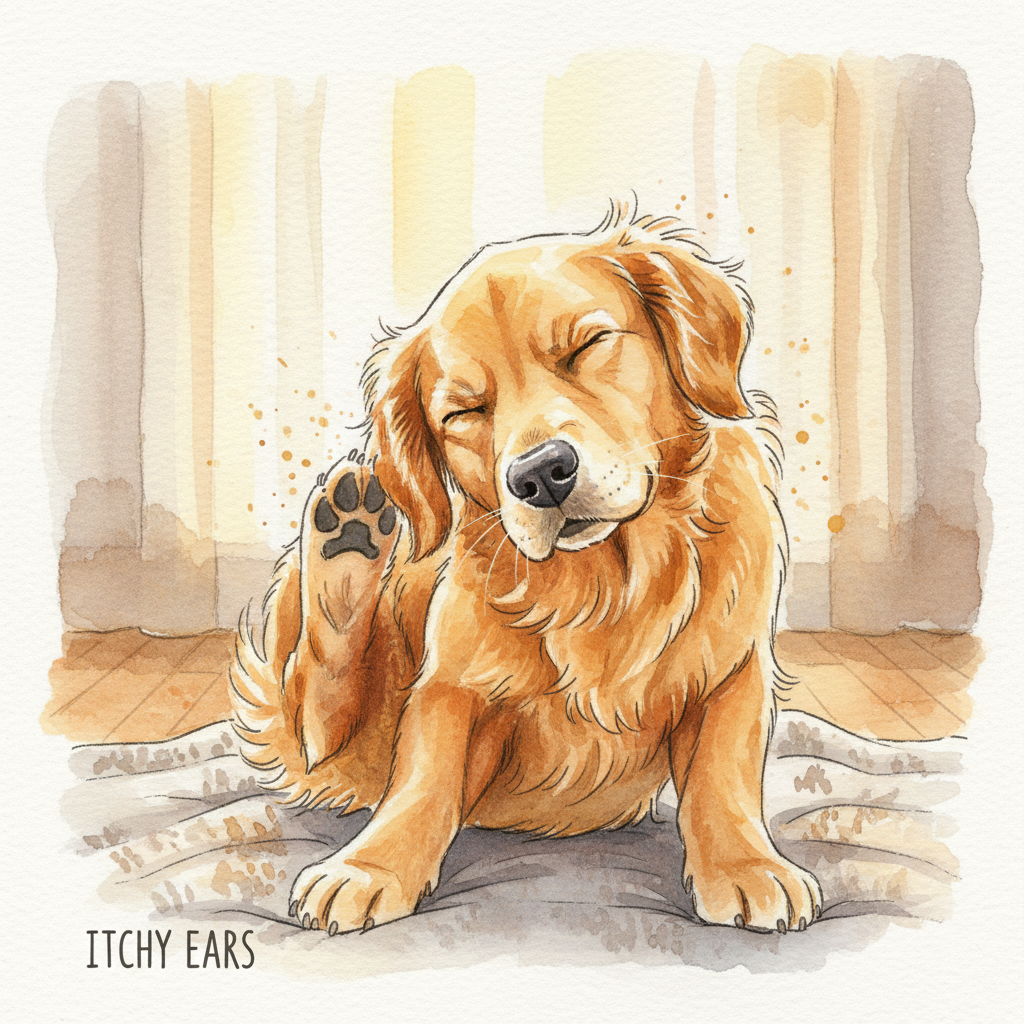
If your furry friend is constantly scratching, licking their paws, or shaking their head, you might be dealing with pollen allergies in dogs. These pesky seasonal irritants aren't just a human problem; dogs get them too, though their symptoms usually show up as miserable itchy skin rather than sneezing fits. Our team at Petscarelab is here to help you understand why your pup is so itchy and what you can do about it.
What Are Pollen Allergies?
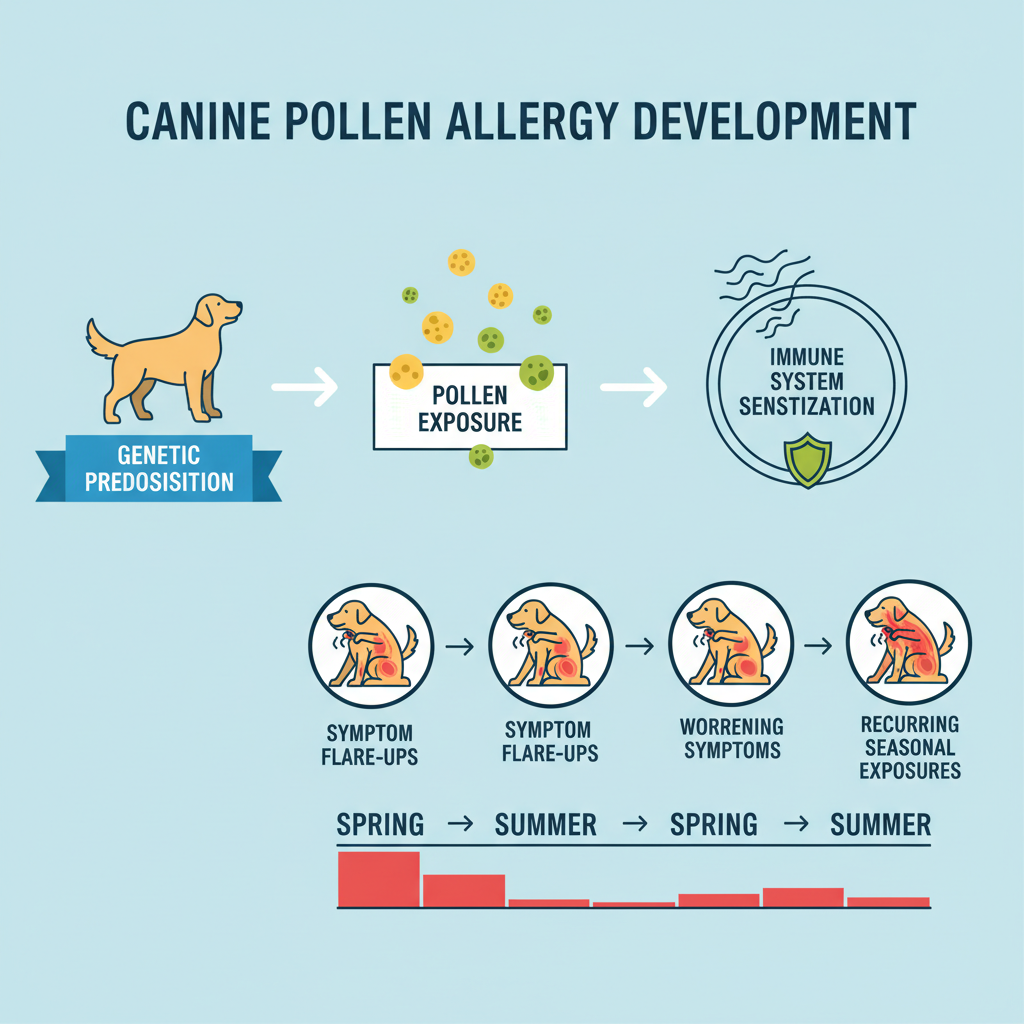
Think of pollen allergies as an environmental allergy. They pop up when your dog's body overreacts to something natural in their surroundings – specifically, tiny pollen particles floating in the air. Just like us, pups can be sensitive to all sorts of pollen, whether it's from trees, grasses, weeds, or even flowers.
We often call these "seasonal allergies" because their symptoms usually flare up at certain times of the year. If your dog is battling tree pollen, you'll probably see them itchier in the spring. But if ragweed is the culprit, prepare for those itchy episodes to get worse in the fall.
How Does a Dog Get Pollen Allergies?
It turns out, pollen allergies in dogs are mostly genetic. Pups can inherit a tendency to develop them from their parents. That's why certain breeds seem to get them more often than others, including:
- Bulldogs
- Terriers
- Retrievers
- Setters
- Pug
- Shar-Pei
- Shih Tzu
Before your dog can develop an allergy, their immune system first needs to meet the pollen. So, don't expect symptoms to appear until your pup is usually between one and three years old. And often, these allergy symptoms tend to get worse with every passing season.
How Common Are Pollen Allergies in Dogs?
Pollen allergies in dogs are incredibly common. In fact, they're one of the top reasons pups end up with persistent itchy skin. Our research and many veterinary specialists estimate that roughly 10-15% of all dogs experience some form of environmental allergy.
Symptoms of Pollen Allergies in Dogs
The most obvious sign your dog has pollen allergies? Relentless, miserable itchy skin. This itch can range from a mild annoyance to an intense, all-consuming discomfort, sometimes focused on one spot, other times affecting their whole body. You'll often notice it in places like their paws, ears, groin, and armpits.
Beyond just scratching, watch out for these other symptoms of pollen allergies in dogs:
- Licking or chewing at the paws
- Shaking the head
- Chronic ear infections
- Rubbing their face on the carpet or furniture
- Red, inflamed skin
- Oily or greasy skin
- Hair loss
- Rashes
- Skin infections
- Hot spots
- Watery eyes
- Runny nose
- Sneezing (less common)
Diagnosing Pollen Allergies in Dogs
If you're seeing signs that make you think your pup has pollen allergies in dogs, don't wait. Make an appointment with your veterinarian. They'll start by asking about your dog's history and doing a thorough physical exam.
So many things can make a dog's skin itch! To figure out if pollen is truly the problem, your vet needs to rule out other common culprits first. They might suggest tests for:
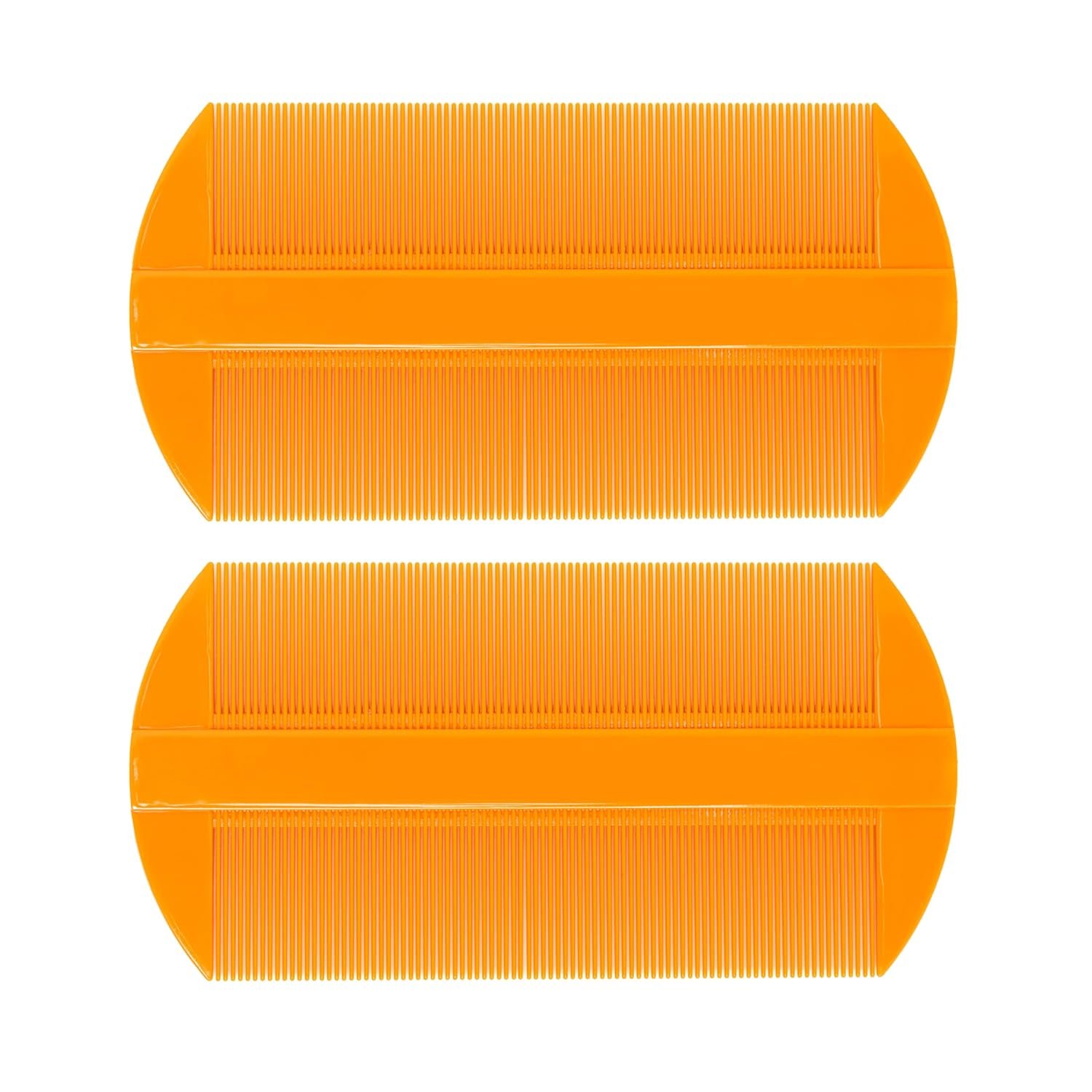
- Fleas and other parasites (e.g., skin scraping, flea comb)
- Skin infections (e.g., cytology, skin culture)
- Food allergies (e.g., food elimination trial)
After ruling out those other issues, your vet will probably recommend allergy testing. There are two primary types:
- Serum IgE testing (blood test)
- Intradermal allergy testing (skin test)
Serum IgE tests are blood tests that measure antibody levels (IgE) against various allergens. Your regular vet can usually perform these.
Intradermal allergy tests involve injecting tiny amounts of allergens directly into the skin, then watching for a reaction. Veterinary dermatologists typically perform these specialized tests.
Both tests are super helpful because they pinpoint the exact allergens your dog reacts to – like specific tree pollens or ragweed. This information lets your vet create a targeted treatment plan.
Treatment for Pollen Allergies in Dogs
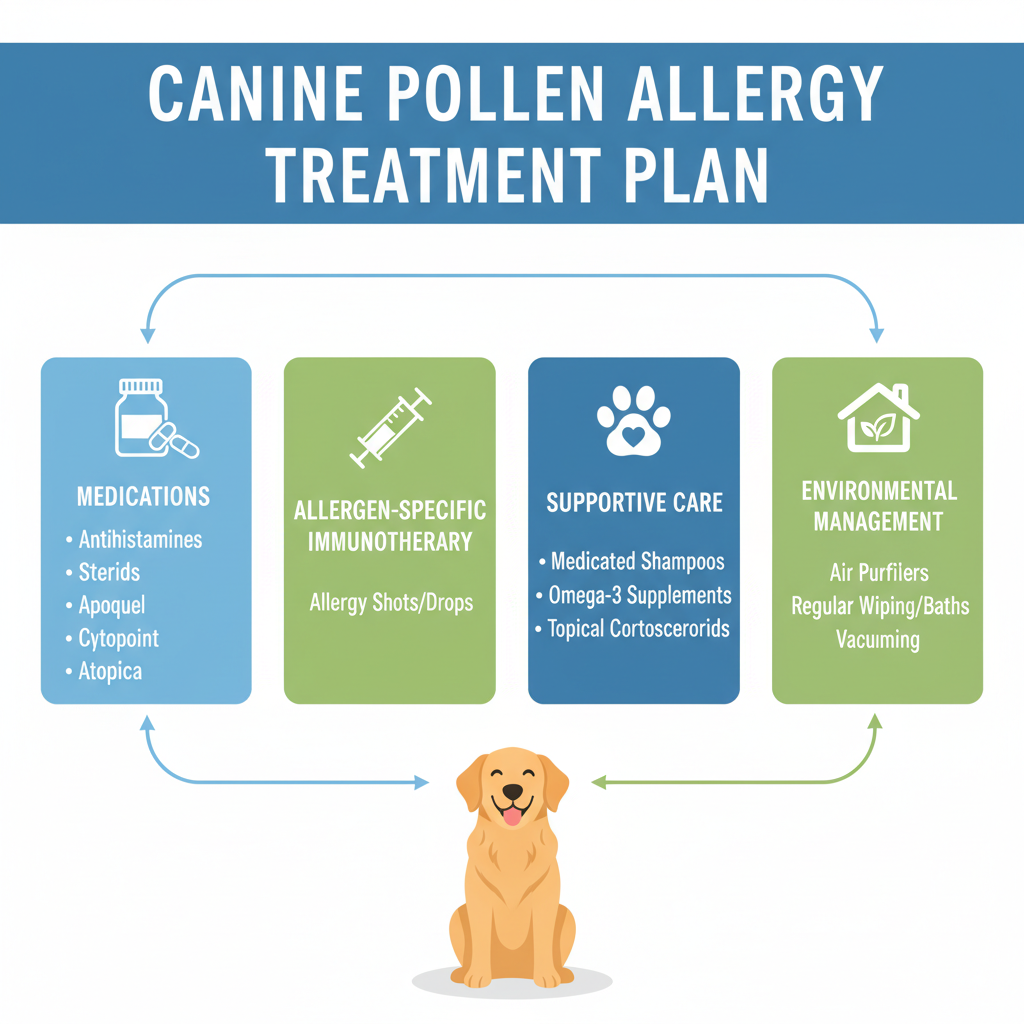
How we treat pollen allergies in dogs really depends on how severe your pup's symptoms are.
Medications
Your vet might prescribe or recommend these medications to help manage your dog's seasonal sniffles and scratches:
- Antihistamines: For mild allergies, medications like Benadryl (diphenhydramine) or Zyrtec (cetirizine) can sometimes offer relief. Always check with your vet before giving any over-the-counter drugs to your dog.
- Steroids: If the itching and inflammation are severe, your vet might prescribe steroids like prednisone. Just know that long-term use can come with significant side effects.
- Apoquel (oclacitinib): This prescription medication specifically targets the itch in dogs, often bringing fast and effective relief.
- Cytopoint (lokivetmab): An injectable antibody therapy, Cytopoint zeroes in on the protein that causes the itch sensation. One shot can provide relief for 4-8 weeks.
- Atopica (cyclosporine): This immunosuppressant medication is another option for long-term allergy management.
Allergen-Specific Immunotherapy (Allergy Shots)
Allergen-specific immunotherapy, often called allergy shots or allergy drops, offers a long-term solution. It works by desensitizing your dog to the specific allergens that bother them. This treatment is totally customized for your pup, based on their individual allergy test results.
With allergy shots, you give your dog increasing doses of the allergens they're sensitive to over time. This helps their immune system gradually build tolerance. While it doesn't work for every dog and can take anywhere from 6 to 12 months to show results, it's incredibly effective for many.
Supportive Care
Besides medication, your vet might suggest other treatments to soothe your dog's symptoms and boost their skin health:
- Medicated shampoos, conditioners, and wipes: These can really help calm angry skin, wash away pollen, and tackle any secondary infections.
- Omega-3 fatty acid supplements: Adding these to your dog's diet can improve their skin's protective barrier and reduce inflammation.
- Topical corticosteroids: For those particularly itchy spots, creams or sprays with corticosteroids can offer targeted relief.
- Ear cleaners and medications: Since allergies often lead to chronic ear infections, regular cleaning and specific medications are often crucial.
Environmental Management
While you can't completely avoid pollen, there's definitely a lot you can do to lower your dog's exposure:
- Keep your windows shut tight when pollen counts are soaring.
- Bring out the air purifiers with HEPA filters inside your home.
- After outdoor adventures, gently wipe your dog's paws and coat with a damp cloth or pet wipe to remove hitchhiking pollen.
- Give your dog regular baths using a gentle, hypoallergenic shampoo. This helps wash off pollen clinging to their fur.
- Vacuum often, using a cleaner with a HEPA filter to trap allergens.
- Make sure to wash your dog's bedding frequently.
- Try to limit their time outdoors during peak pollen hours, which are often in the mornings and early evenings.
Recovery and Management of Pollen Allergies in Dogs
It's important to understand that pollen allergies in dogs are a lifelong condition. We can't cure them, but we can absolutely manage them. Most dogs with these allergies will need continuous treatment and care to keep their symptoms from flaring up.
This might involve:
- Regular vet visits to monitor symptoms and adjust treatment plans.
- Consistent use of prescribed medications.
- Adherence to environmental management strategies.
- Managing secondary infections (skin or ear) as they arise.
With the right diagnosis and a personalized treatment plan from your vet, most pups with pollen allergies can enjoy comfortable, much less itchy lives.