
Understanding Pet Medication Side Effects
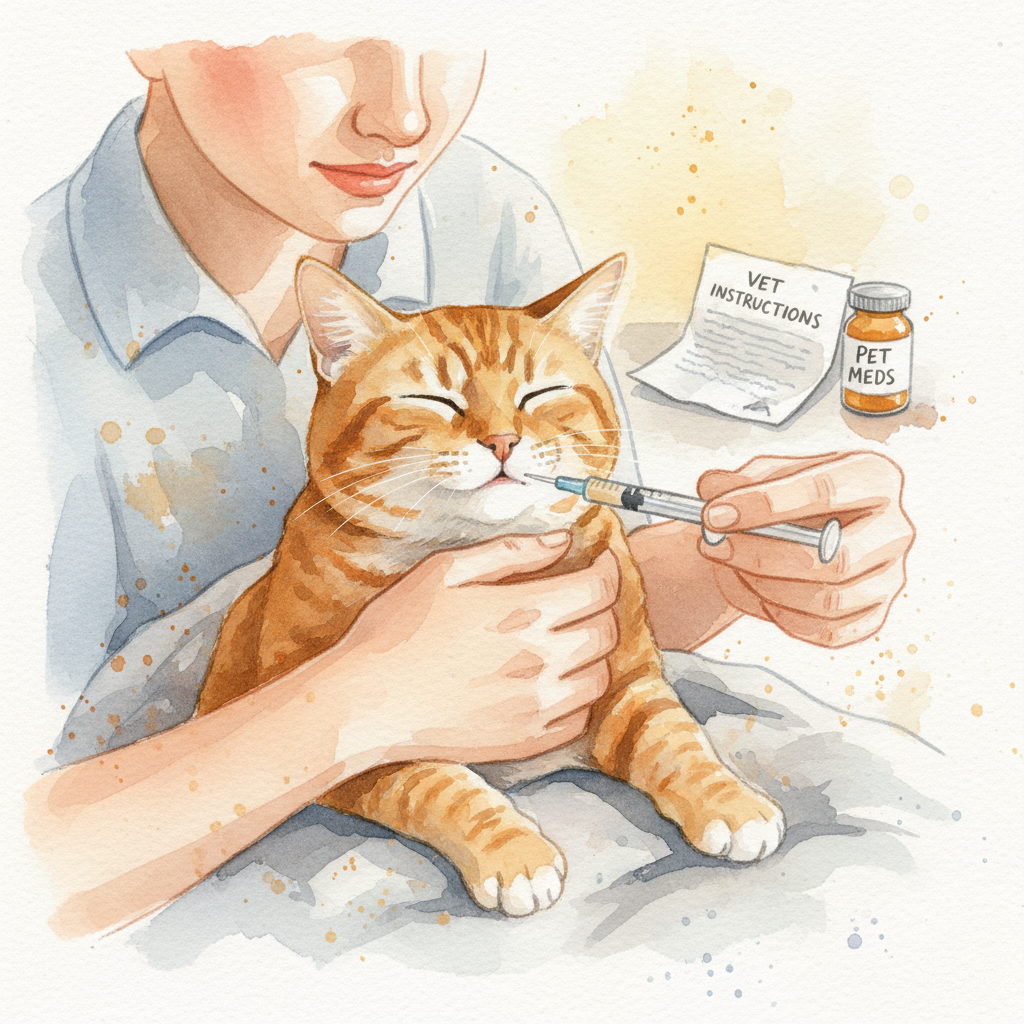
Ensuring our beloved companions lead healthy, vibrant lives often involves the judicious use of medications. These vital treatments tackle everything from stubborn infections and painful inflammation to managing chronic conditions and preventing bothersome parasites. However, just like any powerful intervention, understanding potential pet medication side effects is crucial for every conscientious pet owner. Recognizing these reactions can empower you to provide the best possible care for your furry family member.
Common Pet Medication Side Effects to Watch For
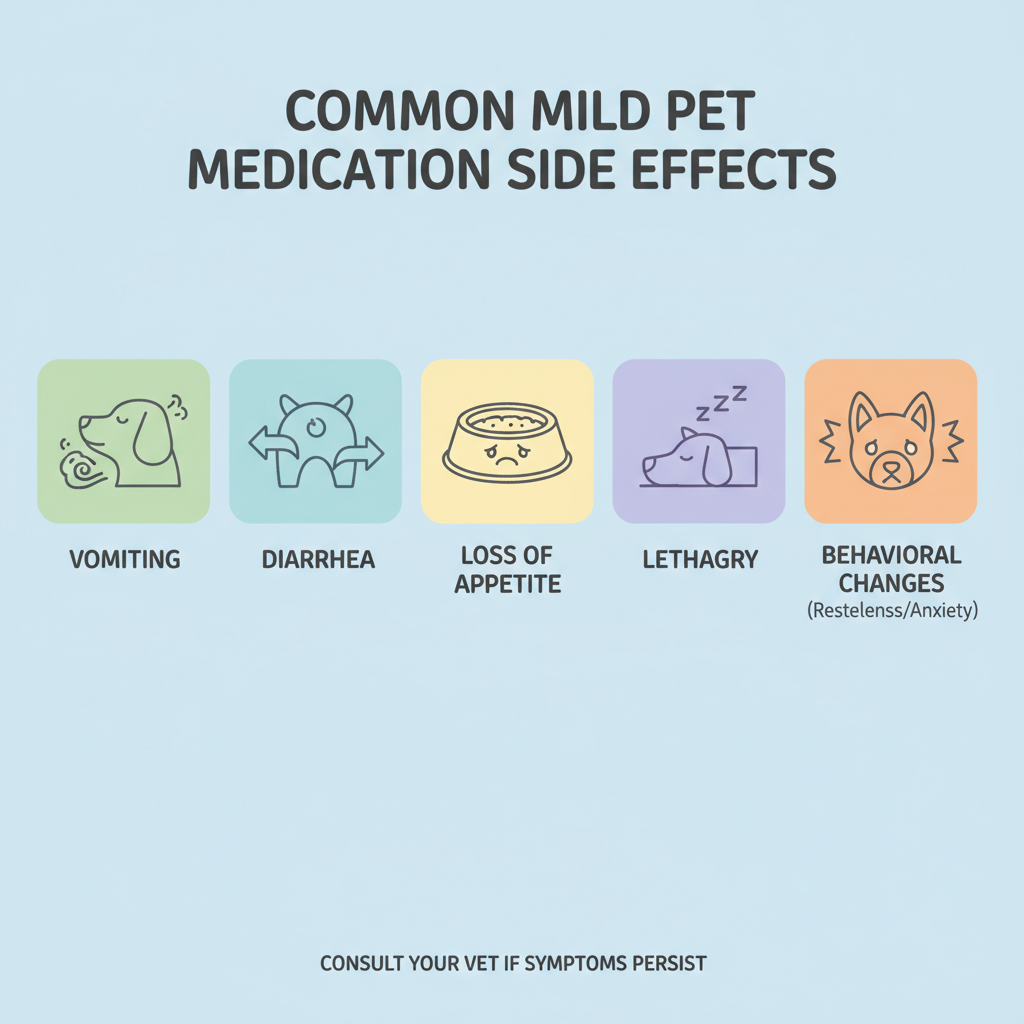
While most pets tolerate their prescribed treatments well, certain common pet medication side effects are frequently observed. These often manifest as gastrointestinal upsets, which can be unsettling for both pet and owner:
- Vomiting: A common reaction, sometimes mild and transient.
- Diarrhea: Ranging from loose stools to more persistent issues.
- Loss of Appetite (Anorexia): Your pet may show disinterest in food or refuse meals entirely.
Beyond digestive concerns, some medications might also lead to:
- Lethargy: A noticeable decrease in energy, enthusiasm, or general activity levels.
- Behavioral Changes: Such as unusual anxiety, restlessness, uncharacteristic hyperactivity, or increased vocalization.
While these are frequently encountered, it's important to remember that more severe adverse reactions, though less common, can occur with certain veterinary pharmaceuticals.
Navigating Pet Medication Side Effects: Essential Information
Every medication comes with crucial details. Always take the time to thoroughly review the product label or accompanying information sheet provided with your pet’s prescriptions. This vital document outlines all potential pet medication side effects, proper storage guidelines, and other essential administration instructions.
Should any questions or concerns arise regarding a specific pet medication, do not hesitate to reach out to your trusted veterinary professional. Our expert team at Petscarelab emphasizes that they are your primary resource for understanding expected outcomes, precise administration techniques, and appropriate steps to take if adverse reactions manifest.
If your cherished companion begins to exhibit any adverse reactions, no matter how minor they seem, it is imperative to contact your veterinarian immediately. A crucial warning: never discontinue medication without explicit veterinary guidance. Abruptly stopping certain treatments can pose serious health risks to your pet.
To help mitigate or manage pet medication side effects, your veterinarian may recommend several strategies:
- Dosage Adjustment: Finely tuning the amount of medication given.
- Administration with Food: Suggesting the medication be given with meals to reduce stomach upset.
- Alternative Medication: Exploring a different pharmaceutical option better suited for your pet.
- Supportive Care: Providing additional treatments, such as anti-nausea medications, to ease discomfort and aid your pet's recovery.
When Pet Medication Side Effects Demand Emergency Attention
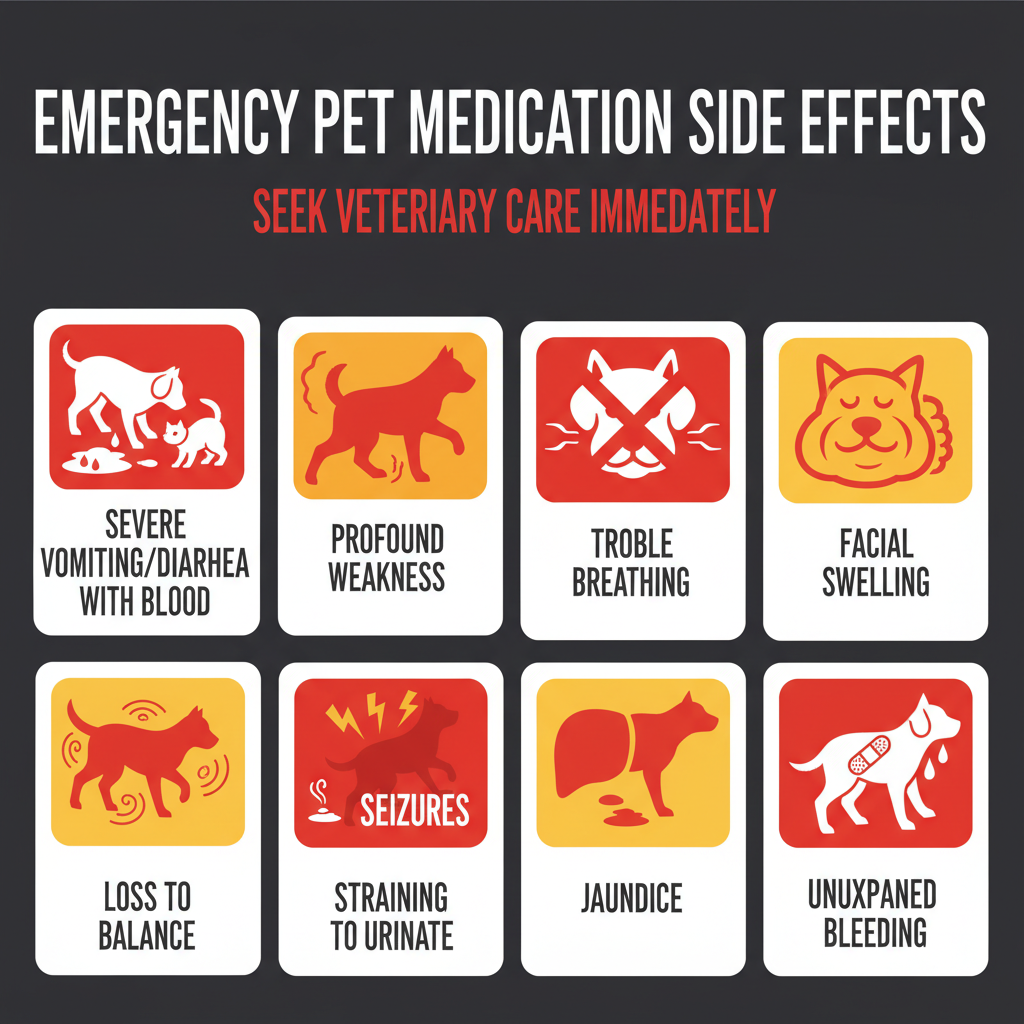
While many pet medication side effects are manageable, some signs signal a critical need for immediate veterinary intervention. If you observe any of the following symptoms, contact your veterinarian without delay or proceed to the nearest emergency veterinary clinic:
- Severe or Persistent Vomiting/Diarrhea: Especially if accompanied by blood or signs of severe dehydration.
- Profound Lethargy or Weakness: An inability to stand, extreme disorientation, or unresponsiveness.
- Trouble Breathing (Dyspnea): Labored breathing, gasping, or bluish gums.
- Swelling: Noticeable swelling of the face, muzzle, or paws, which could indicate a severe allergic reaction.
- Hives or Intense Itching: Raised welts on the skin or incessant scratching, often indicative of an allergic response.
- Loss of Balance or Coordination (Ataxia): Stumbling, head tilting, or difficulty walking steadily.
- Seizures: Uncontrolled body tremors or convulsions.
- Urinary Changes: Straining to urinate, frequent small urinations, painful urination, or a significant decrease in urine production.
- Sudden Changes in Thirst: Excessive thirst or a complete refusal to drink.
- Jaundice: A distinct yellowing of the skin, gums, or the whites of the eyes, often pointing to liver issues.
- Abnormal Urine or Gums: Dark-colored urine or unusually pale gums.
- Unexplained Bleeding: Such as nosebleeds, visible blood in stool or urine, or excessive bruising without trauma.
This list provides critical examples, but it is not exhaustive. If you have any apprehension whatsoever about your pet’s response to a medication, always prioritize their safety: err on the side of caution and seek professional veterinary evaluation immediately.
Reporting Pet Medication Side Effects to Safeguard Others
Every observed adverse reaction contributes to a larger understanding of veterinary medicine. Both veterinary professionals and conscientious pet owners have the vital ability to report suspected pet medication side effects, known as Adverse Drug Events (ADEs), to official regulatory bodies like the U.S. Food and Drug Administration (FDA) Center for Veterinary Medicine (CVM) via their dedicated reporting programs.
This collective effort in reporting these events is indispensable. It empowers regulatory agencies to meticulously monitor the safety profiles and overall effectiveness of veterinary pharmaceuticals, enabling them to implement crucial actions when necessary to protect animal health nationwide.
Essential Practices for Safe Pet Medication Administration
Beyond understanding pet medication side effects, adherence to general best practices for medication administration is paramount for your pet's well-being:
- Strict Adherence to Instructions: Always administer medications precisely as directed by your veterinarian. This includes carefully following dosage amounts, treatment frequency, and the full prescribed duration, even if your pet seems to improve earlier.
- Human Medications are Not for Pets: Under no circumstances should you ever administer medications prescribed for humans to your pet without explicit instruction from your veterinarian. Many common human drugs are profoundly toxic and potentially fatal for animals.
- Secure Storage: Always store all medications – whether for pets or humans – in secure locations, completely out of reach of curious pets and children. Accidental ingestion of even pet-specific medications in large quantities can lead to severe health crises.
- Monitor Expiration Dates: Regularly check the expiration dates on all pet medications. Expired drugs can lose their therapeutic potency and, in some instances, may even become harmful.
- Your Veterinarian: Your Primary Resource: If you ever have any questions or lingering concerns regarding your pet’s medications, always engage with your veterinarian. They remain your most invaluable partner in guaranteeing your beloved companion receives safe, appropriate, and effective therapeutic care.