
Navigating Perianal Fistulas in Dogs: A Compassionate Guide for Pet Parents
Spotting a perianal fistula dog can be heartbreaking. This chronic and painful condition creates deep, draining tunnels or "fistulas" in the sensitive tissues around your dog's anus. These lesions often get infected, causing a lot of discomfort, making it tough for your dog to poop, and often leading to a bloody, foul-smelling discharge. It’s a serious issue that demands your attention and care.
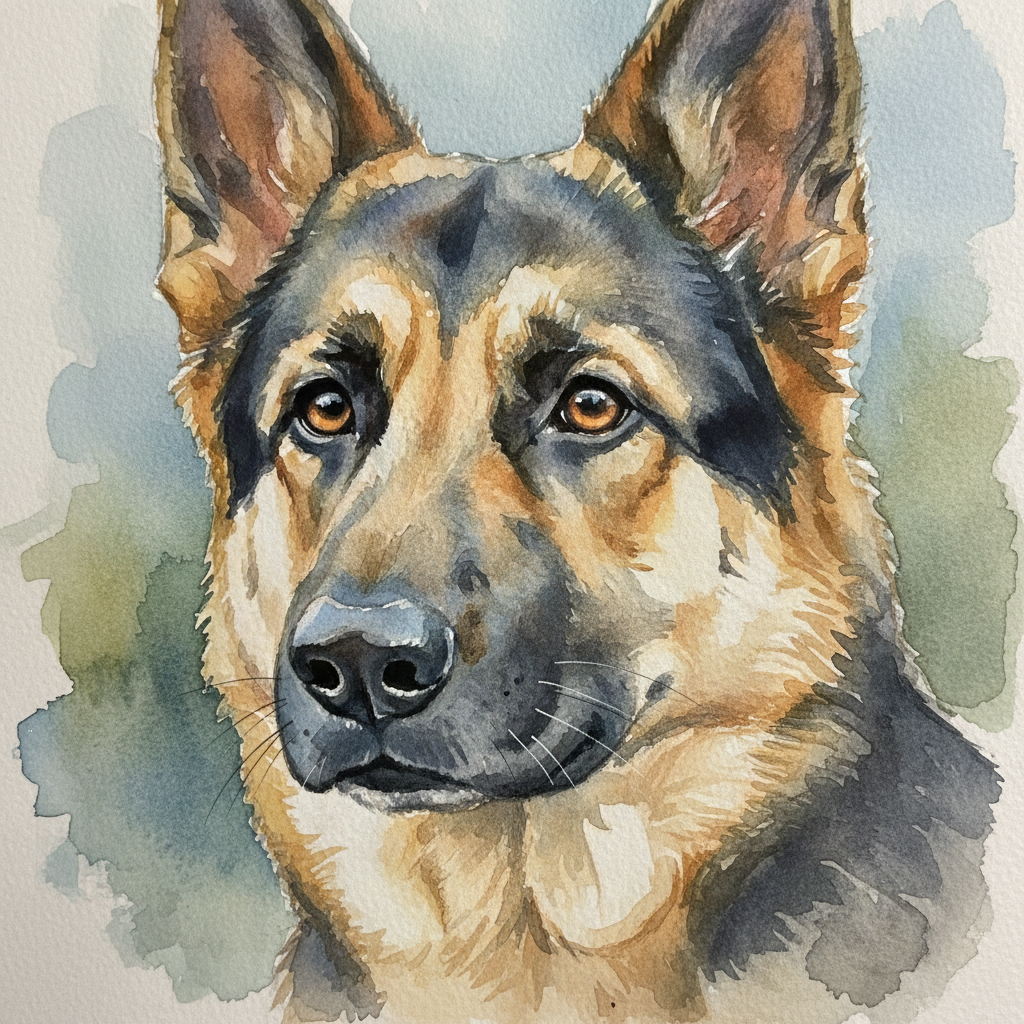
While any pup can develop this problem, German Shepherds are highly susceptible, accounting for a huge majority (80-90%) of cases. Other breeds like Irish Setters, Labrador Retrievers, and Old English Sheepdogs also face a higher risk. This condition typically shows up in middle-aged and older dogs, often around 5 years old.
We don't know the exact root cause of perianal fistulas. However, veterinary specialists believe it's an immune-mediated disease. This means your dog's own immune system mistakenly attacks healthy tissues, sparking inflammation and causing tissue damage.
Signs Your Dog Might Have a Perianal Fistula
Perianal fistulas are incredibly painful, so dogs usually show clear signs of distress, especially when they're trying to relieve themselves. Keep an eye out for any of these symptoms:
- Whining or yelping when pooping
- Straining hard to defecate
- Obsessively licking, chewing, or biting at their backside
- A persistent, unpleasant odor coming from their rear
- Bloody or pus-filled discharge around the anus
- Trouble going to the bathroom, leading to constipation
- Unexpected bouts of diarrhea
- Scooting their bottom along the floor or ground
- Acting tired or less playful than usual
- Losing interest in food
- Dropping weight without any other explanation
What Causes Perianal Fistulas in Dogs?
As our team at Petscarelab mentioned, the precise cause of perianal fistulas isn't fully clear. Still, we largely consider it an immune-mediated disease. Several factors can increase a dog's risk:
- Breed Matters: German Shepherds, Irish Setters, Labrador Retrievers, and Old English Sheepdogs simply have a genetic predisposition.
- Tail & Anatomy: German Shepherds, with their broad tail bases and low-set tails, often have a moist, poorly ventilated area around their anus. This moist environment can trap moisture and fecal matter, creating a perfect breeding ground for bacteria, leading to skin irritation and inflammation that contributes to the problem.
- Inflammatory Bowel Disease (IBD): It's common to see perianal fistulas alongside IBD, which suggests a broader immune system imbalance.
- Hypothyroidism: Some observations suggest a connection between an underactive thyroid and perianal fistulas, though we're still learning about that link.

How Vets Diagnose Perianal Fistulas
Diagnosing perianal fistulas typically involves a thorough check-up by your vet, sometimes followed by additional tests.
Your vet will start with a physical exam, which includes a visual inspection of the area around your dog's anus and a digital rectal examination. This hands-on exam is vital for feeling how deep and widespread the fistulas are, and for checking for any other issues like anal gland problems or growths. Since this condition is so painful, your dog will often need a little sedation to ensure they stay comfortable and relaxed during the full examination.
Your vet might also suggest other diagnostic tests:
- Blood work: A complete blood count (CBC) and biochemistry profile can give a snapshot of your dog's overall health and rule out other widespread illnesses.
- Urinalysis: This checks for urinary tract infections.
- Fecal examination: To rule out any intestinal parasites.
- Biopsy: In some cases, taking a tiny tissue sample from the affected area can confirm the diagnosis and rule out other serious conditions like anal gland cancer.
- Imaging: X-rays or ultrasound can help vets understand the full extent of the disease and see if deeper structures are involved.
Treatment Options for Your Dog's Perianal Fistula
Treating perianal fistulas requires a multi-pronged approach. The main goals are to calm the inflammation, manage your dog's pain, and kickstart healing. Since this is often a chronic condition, the aim is to get your dog into remission and keep the problem from coming back.
Medical Management
Most of the time, the first line of defense against perianal fistulas is medical management, often using a combination of medications:
- Immunosuppressants:
- Cyclosporine: This is often the superstar drug, working by gently dialing down the immune system to reduce inflammation. You usually give it by mouth, and the dose gradually tapers down once your dog starts feeling better. It can take weeks or even months to see big improvements.
- Tacrolimus: This is a topical ointment you apply directly to the affected area. Vets often use it with oral cyclosporine or by itself for milder cases.
- Corticosteroids: Medications like Prednisone can offer quick relief, especially in severe cases, by rapidly reducing inflammation and pain. Vets usually taper them off once other immunosuppressants start doing their job.
- Antibiotics: Secondary bacterial infections are super common, so vets often prescribe antibiotics to clear up any active infections.
- Pain Management: Your vet will make sure your dog stays comfortable with non-steroidal anti-inflammatory drugs (NSAIDs) or other pain relievers.
- Dietary Changes: If your vet suspects Inflammatory Bowel Disease (IBD) is also in the picture, a hypoallergenic or novel protein diet might be a game-changer for gut health.
Surgical Management
Surgery is typically a last resort, reserved for dogs who don't respond well to medication, or for those with very severe or extensive lesions. Surgical options include:
- Cryosurgery: Freezing the affected tissue.
- Electrocautery: Using heat to destroy abnormal tissue.
- Fistulectomy: Surgically removing the entire fistula tracts.
- Tail Amputation: In severe cases, particularly for German Shepherds with those low-set tails that trap moisture, removing part of the tail might be considered. This helps improve air circulation and hygiene, which can prevent future problems.
What's the Prognosis for a Dog with Perianal Fistulas?
Perianal fistulas are a chronic condition, meaning they often need long-term care. The good news? With consistent and proper treatment, many dogs can achieve remission and lead happy, comfortable lives.
- Getting Better: Medical therapy, especially with cyclosporine, boasts a high success rate in getting dogs into remission (around 70-90%).
- Coming Back: Recurrence is common if medication stops too soon or if the underlying immune problem isn't managed well. Your dog might need lifelong maintenance therapy with lower doses of immunosuppressants to keep the condition in check.
- Potential Complications: Some dogs might develop a narrowing of the anus (stricture), have trouble holding their poop (fecal incontinence), or experience ongoing pain.
Regular follow-up visits with your vet are crucial. They'll monitor your dog's progress, tweak medication dosages, and handle any potential flare-ups or complications.
The Cost of Treating Perianal Fistulas in Dogs
Understanding the potential costs is a big part of dealing with perianal fistula dog issues. The price tag can really swing depending on how severe the condition is, the treatment plan chosen, and even where you live.
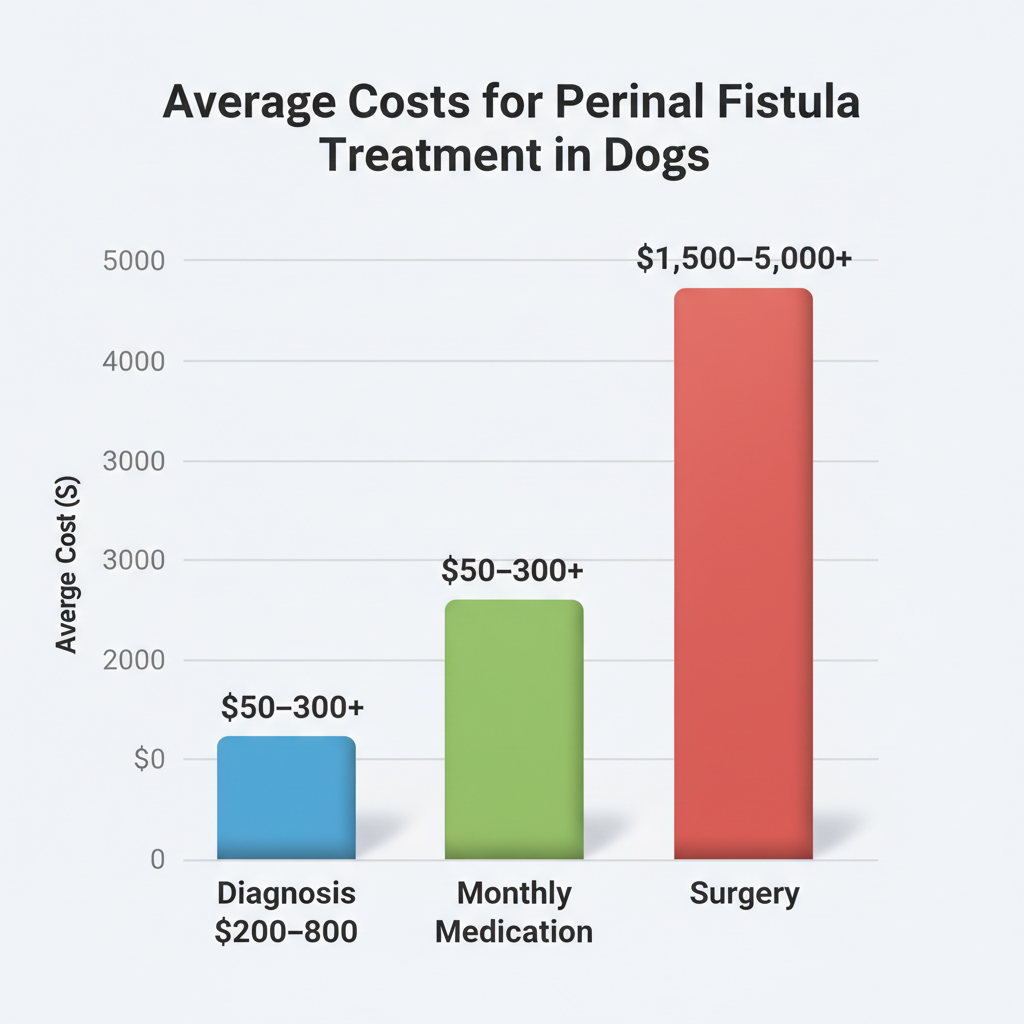
- Diagnosis: Initial vet exams, blood tests, and sedation for a thorough check can run anywhere from $200 to $800. If your dog needs a biopsy or fancy imaging, those costs will climb higher.
- Medication: Cyclosporine often makes up the biggest ongoing expense. Monthly medication bills can range from $50 to $300 or even more, depending on your dog's size and dosage. Add in antibiotics, steroids, and pain relief, and those numbers will grow.
- Surgery: If surgery becomes necessary, it can be quite expensive, typically ranging from $1,500 to $5,000 or more. This depends on how complex the procedure is and what kind of post-op care your dog needs.
- Long-Term Management: Remember, perianal fistulas are often chronic. This means ongoing medication, regular vet check-ups, and possible treatments for relapses, all of which add up over your dog's lifetime.
Preventing Perianal Fistulas in Dogs
Since we don't fully understand the exact cause of perianal fistulas, there's no guaranteed way to prevent them, especially in breeds that are prone to the condition.
However, taking some proactive steps can help manage risk factors and support your dog's overall health:
- Top-Notch Grooming & Hygiene: Regularly cleaning and keeping the perianal area dry, especially for breeds with broad tail bases, can prevent moisture buildup and skin irritation. Think of it as keeping things fresh and aired out.
- Catch it Early: Be super vigilant for the first signs of perianal fistulas, particularly if you have an at-risk breed. Early diagnosis and treatment often lead to much better outcomes.
- Smart Dietary Choices: If your dog also struggles with IBD, a high-quality, easily digestible, or hypoallergenic food might significantly improve their gut health and potentially reduce inflammation throughout their body.
- Healthy Weight Management: Keeping your dog at a healthy weight not only boosts their overall well-being but also reduces any unnecessary strain on the perianal area.