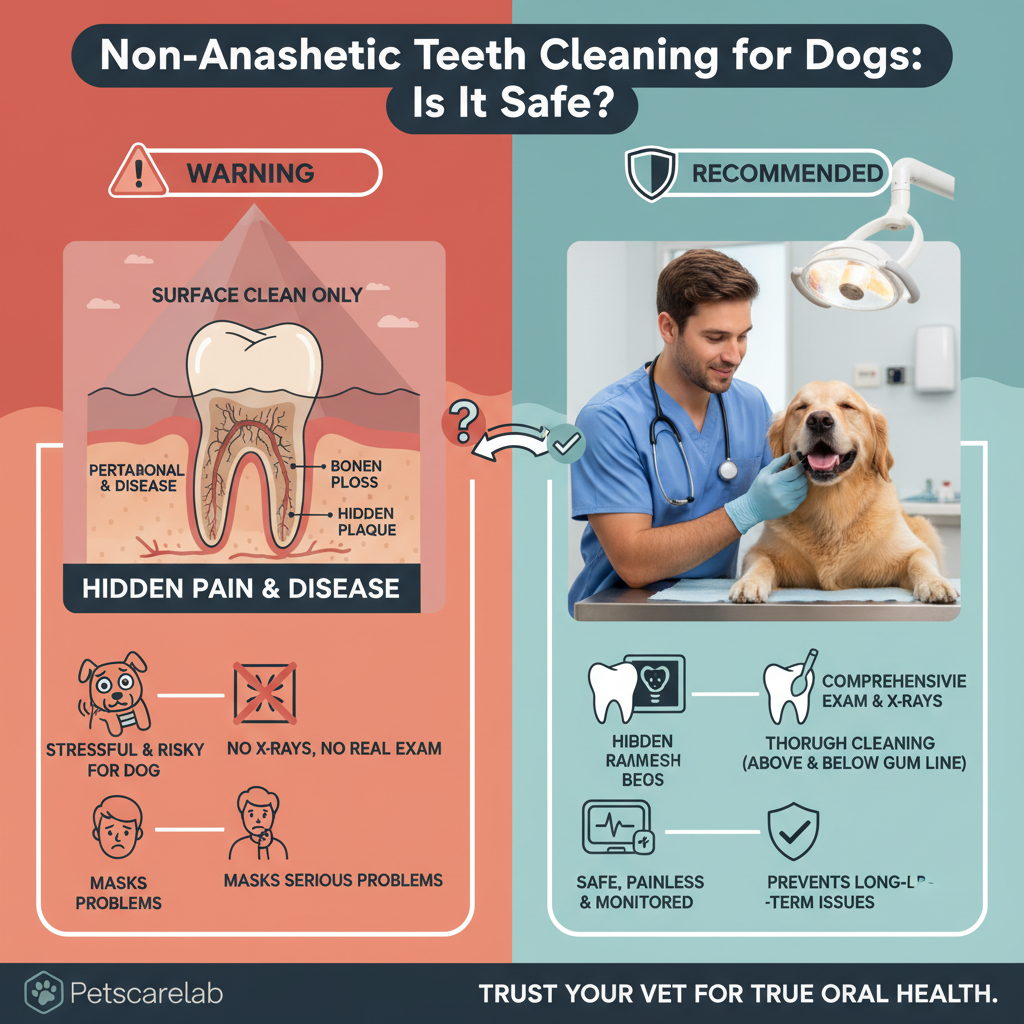
Is Non-Anesthetic Teeth Cleaning Really Safe for Your Dog?
Many pet parents look for the safest, easiest way to keep their furry friend's smile bright. You might have heard about non-anesthetic teeth cleaning for dogs, marketed as a quick fix without the need for general anesthesia. It sounds appealing, right? No sedation, less fuss.
But here at Petscarelab, our team wants you to know that while the idea is tempting, this approach sparks serious debate among veterinary specialists. The truth is, most vets strongly advise against non-anesthetic dental procedures, primarily due to big concerns about your pup's safety, how thoroughly the cleaning actually gets done, and the risk of missing serious dental problems hiding out of sight.
How Does Non-Anesthetic Teeth Cleaning Work?
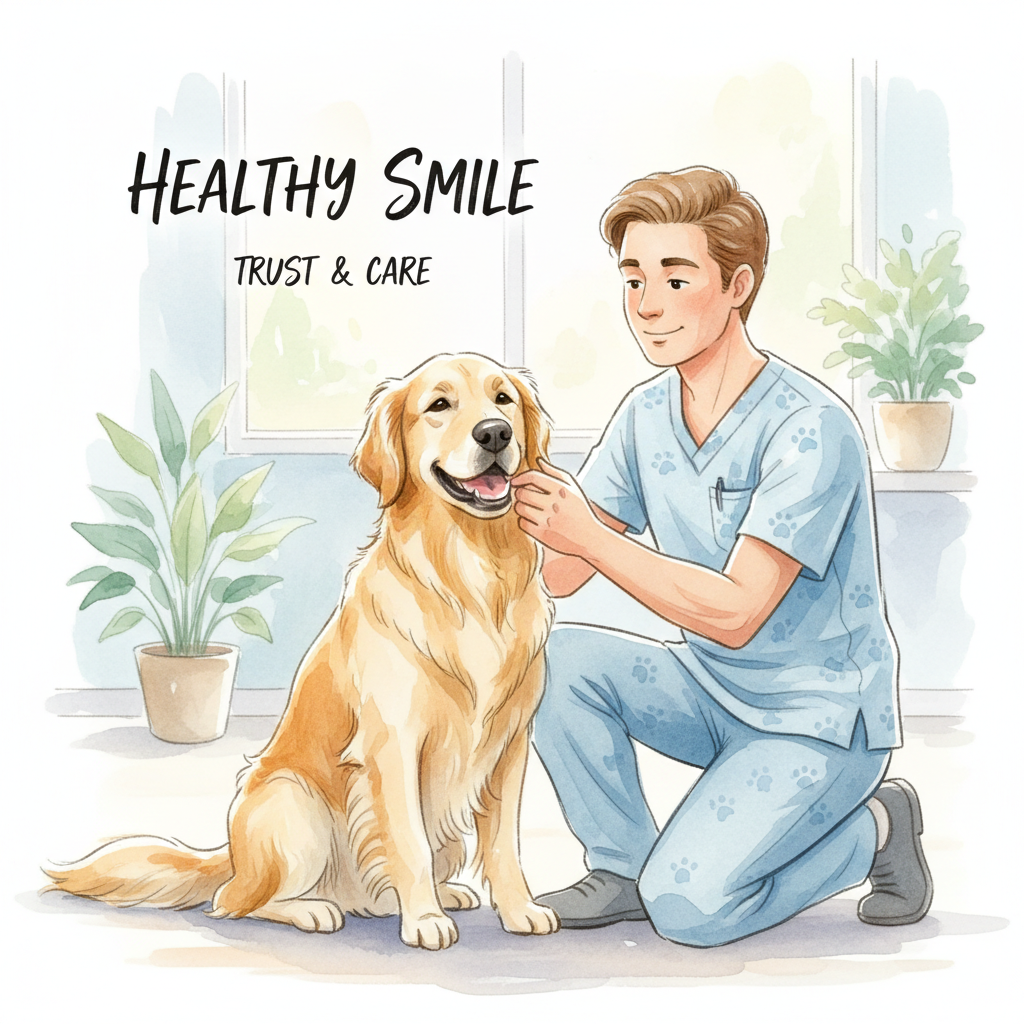
During a non-anesthetic dental cleaning, a technician gently restrains your dog while using a scaler and other handheld tools to scrape off plaque and tartar from the visible surfaces of their teeth. Sometimes, they might even polish the teeth.
The key difference? Your dog is wide awake, without any sedatives or general anesthesia to help them relax or stay still.
Why Many Vets Say "No Thanks" to Non-Anesthetic Cleanings
It's natural to want to avoid anesthesia, but when it comes to your dog's oral health, there are some really important reasons why many veterinary professionals don't recommend cleaning teeth without it:
- You Only See Half the Problem: The biggest catch is that this method can only clean the parts of the tooth you can actually see above the gum line. Think of an iceberg: the real danger, the majority of the plaque, tartar, and serious dental disease, hides under the gum line. Without anesthesia, it's impossible to properly clean these crucial subgingival areas, which is exactly where painful periodontal disease takes root and grows.
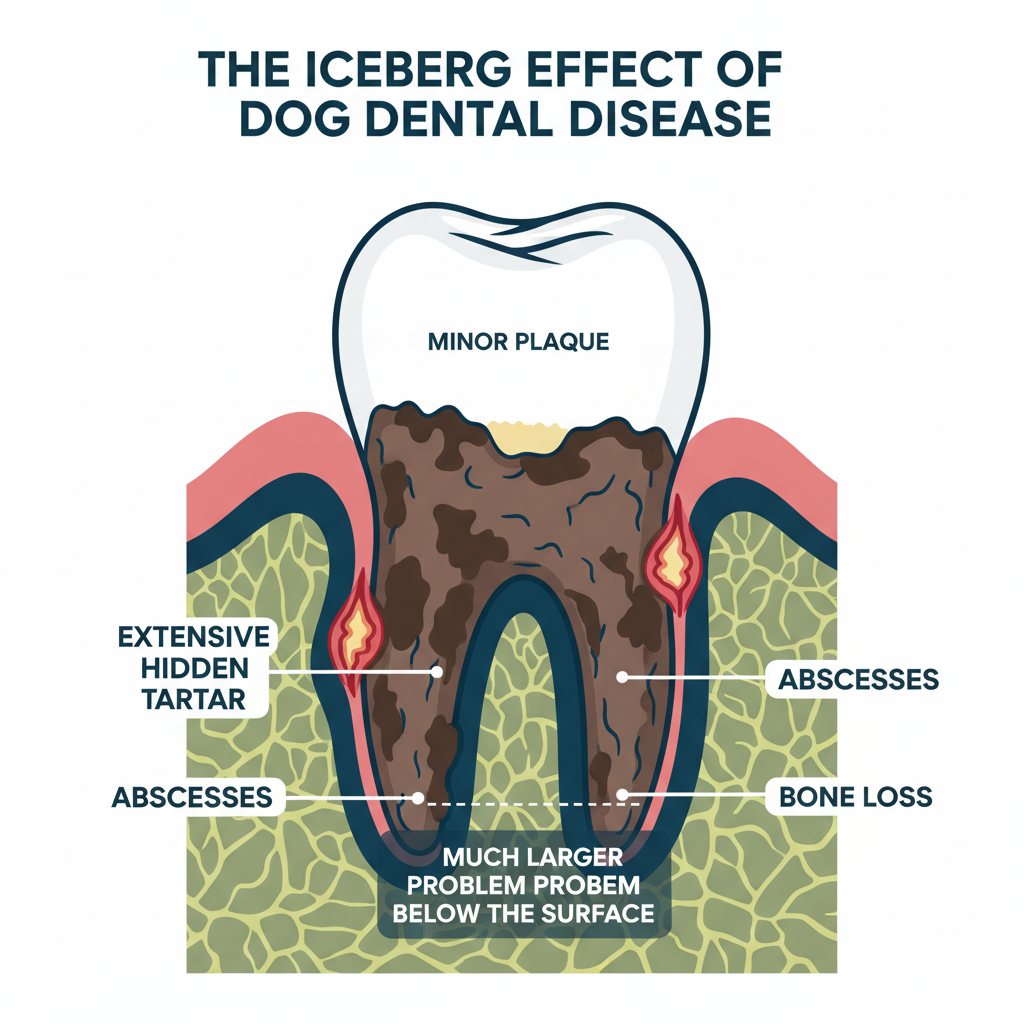
- No Real Oral Exam: Imagine trying to get your dog to sit perfectly still while someone pokes and prods every single tooth, checks under the gums, and takes X-rays. It's just not going to happen. A proper dental exam needs more than a quick peek. It requires detailed probing of the gum line, examining every surface of every tooth (even the ones you can't see), and taking dental X-rays. These X-rays are vital to check the health of the tooth roots and jawbone, areas completely hidden from view.
- Risk of Injury to Your Dog: Scraping a dog's teeth with sharp dental instruments while they're awake, possibly squirming, anxious, or even scared, is a recipe for trouble. We're talking about a real risk of accidentally cutting your dog's gums, tongue, or other soft tissues in their mouth. Plus, the whole experience can be incredibly stressful and even aggressive for your pup.
- Risk to the Person Cleaning: When a dog is awake and stressed, there's always a chance they might snap or bite. This puts the person performing the cleaning at risk of injury.
- Painful and Frightening: Despite what some might claim, being held still with sharp tools in their mouth can be incredibly painful and terrifying for many dogs. This isn't just uncomfortable; it can create a lasting negative association with future visits to the vet, making everything harder down the road.
- Hiding Serious Problems: When you only clean what's visible, you can get a false sense of security about your dog's dental health. While the visible plaque is gone, serious and painful issues like tooth resorption (when the tooth essentially eats itself), abscesses, severe gum disease, or even broken teeth could be quietly worsening below the surface. These problems cause a lot of pain and can lead to more serious health issues if they go unnoticed.
- No Pain Relief: If a painful area is discovered during the cleaning – and believe us, many dogs have them – an awake dog can't get any kind of pain relief or local anesthetic. This just piles on more stress and discomfort for them.
Why General Anesthesia is a Must for Real Dental Care
For a truly safe, thorough, and effective dental cleaning and check-up, general anesthesia isn't just an option; it's absolutely essential. It allows our veterinary team to provide the gold standard of care for your dog by:
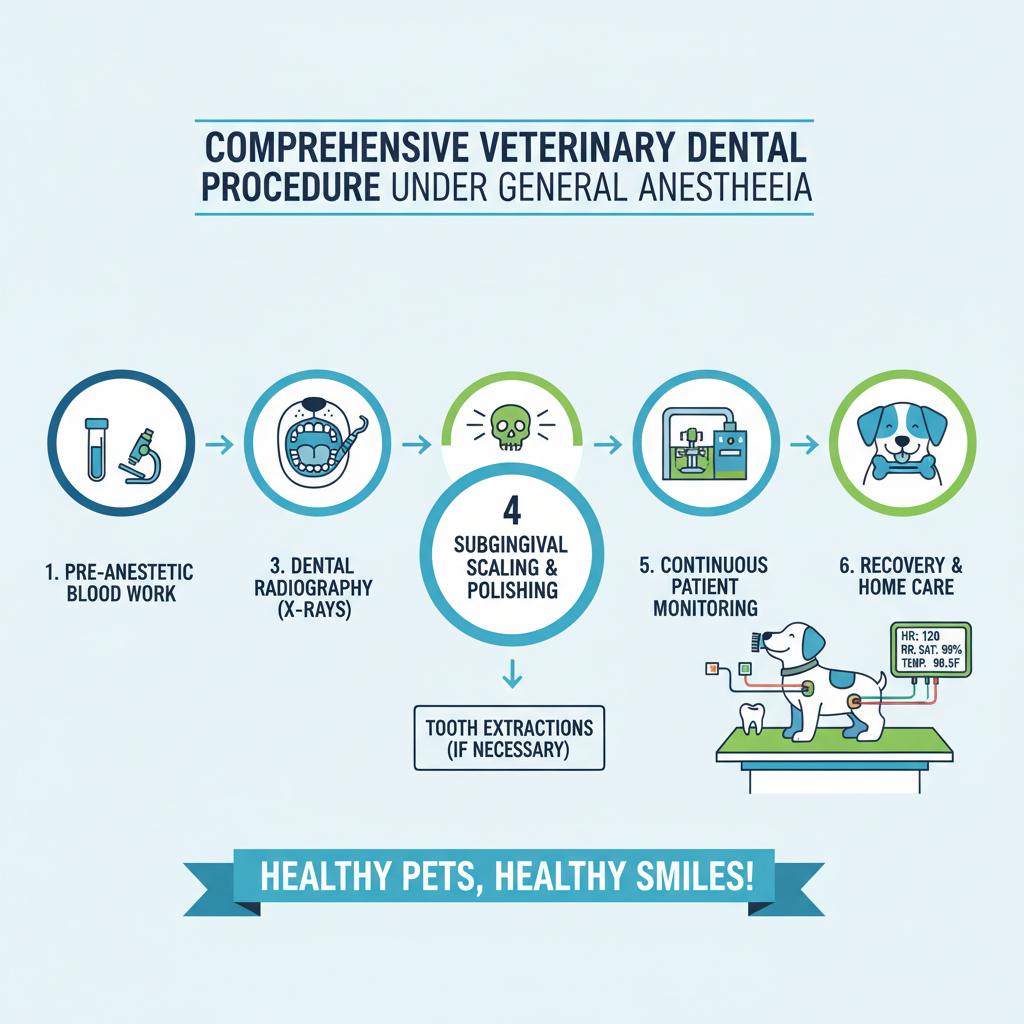
- Getting a Full Picture: We can perform a complete oral exam, carefully probing and charting every single tooth.
- Looking Deeper with X-rays: Taking vital dental X-rays shows us what's happening beneath the gum line, revealing any hidden problems with tooth roots or jawbone.
- Cleaning Where it Counts: We can meticulously clean below the gum line, which is the most critical step in preventing and treating painful periodontal disease.
- Gentle Extractions: If a tooth is too diseased to save, we can gently and painlessly extract it.
- Polishing to Protect: Polishing your pup's teeth smooths their surfaces, making it harder for new plaque to stick.
- Keeping Them Safe: Your dog's heart rate, breathing, oxygen levels, and temperature are continuously monitored by a dedicated team member throughout the entire procedure.
- Managing Pain: We can give appropriate pain relief before, during, and after the cleaning, ensuring your dog is comfortable.
- Protecting Their Lungs: An endotracheal tube keeps their airway safe, preventing any water, bacteria, or debris from getting into their lungs.
The Truth About Non-Anesthetic Teeth Cleaning
While the idea of skipping anesthesia for a dental cleaning might sound like a dream – perhaps you're worried about risks or cost – our team at Petscarelab, along with most veterinary professionals, agrees: non-anesthetic teeth cleaning is generally not a safe or effective way to provide comprehensive dental care for your dog.
For your pup's long-term health and comfort, a professional veterinary dental procedure under general anesthesia remains the safest, most thorough way to clean teeth, examine their mouth, and treat any dental disease. If you have any worries about anesthesia, please talk them over with your vet. Modern anesthetic protocols are incredibly safe and always tailored specifically to your dog's individual needs. They'll walk you through everything, ensuring you feel confident in your pet's care.