Melatonin for Dogs: Your Complete Guide to Safe Use and Benefits
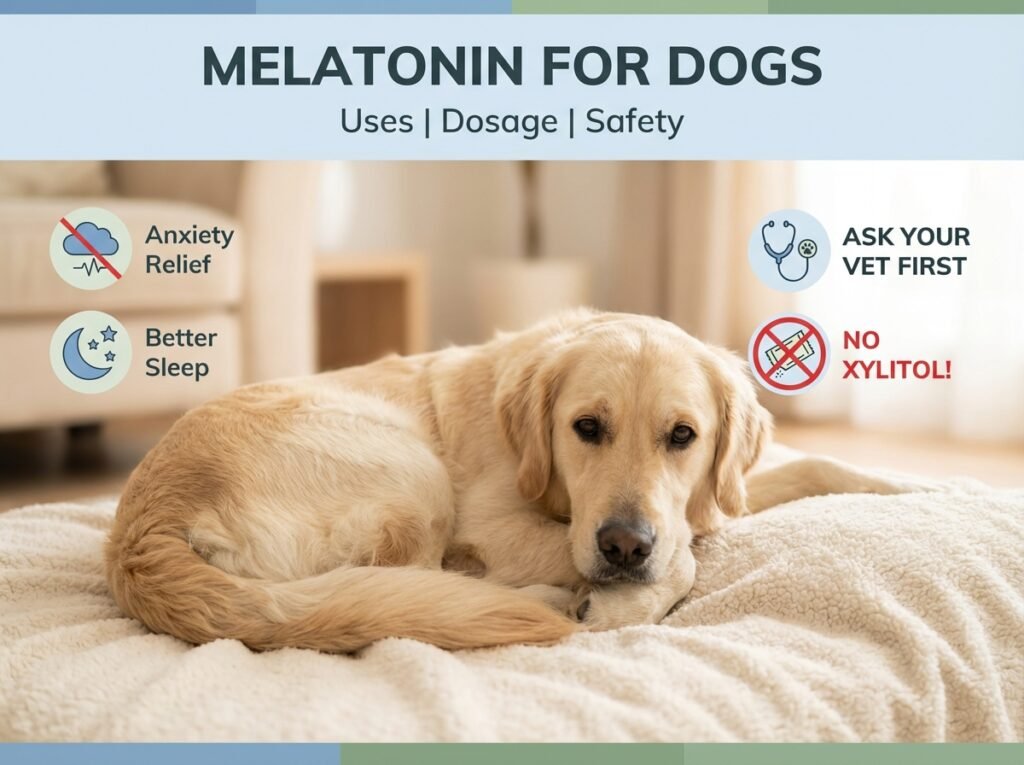
Many of us look for natural ways to help our furry friends with everything from anxiety to sleep troubles. That's where melatonin for dogs often comes up. This naturally occurring hormone helps regulate sleep, and while it's a common supplement for humans, pet parents are increasingly curious about its uses for their pups.
Even though melatonin isn't officially regulated by the FDA for pets, many veterinary specialists find it helpful for specific situations. But before you grab that bottle, it's super important to chat with your own vet. They can help you figure out if it’s the right choice for your dog and how to use it safely.
What Exactly Is Melatonin?
Melatonin is a hormone your dog's body makes naturally in a tiny gland in the brain. Think of it as the conductor of their internal clock, helping to manage their natural sleep-wake cycle over 24 hours. Typically, melatonin levels go up as evening falls, signaling "time to sleep," and drop in the morning, signaling "time to wake up."
Besides its role in sleep, melatonin also acts like an antioxidant, protecting cells, and it plays a part in your dog's immune system. You can easily find it as an over-the-counter supplement for people, and it’s popping up in more pet supplements too.

How Can Melatonin Help Your Dog?
While most people think of melatonin as a sleep aid, it can actually help dogs with a few different issues.
Easing Anxiety and Stress
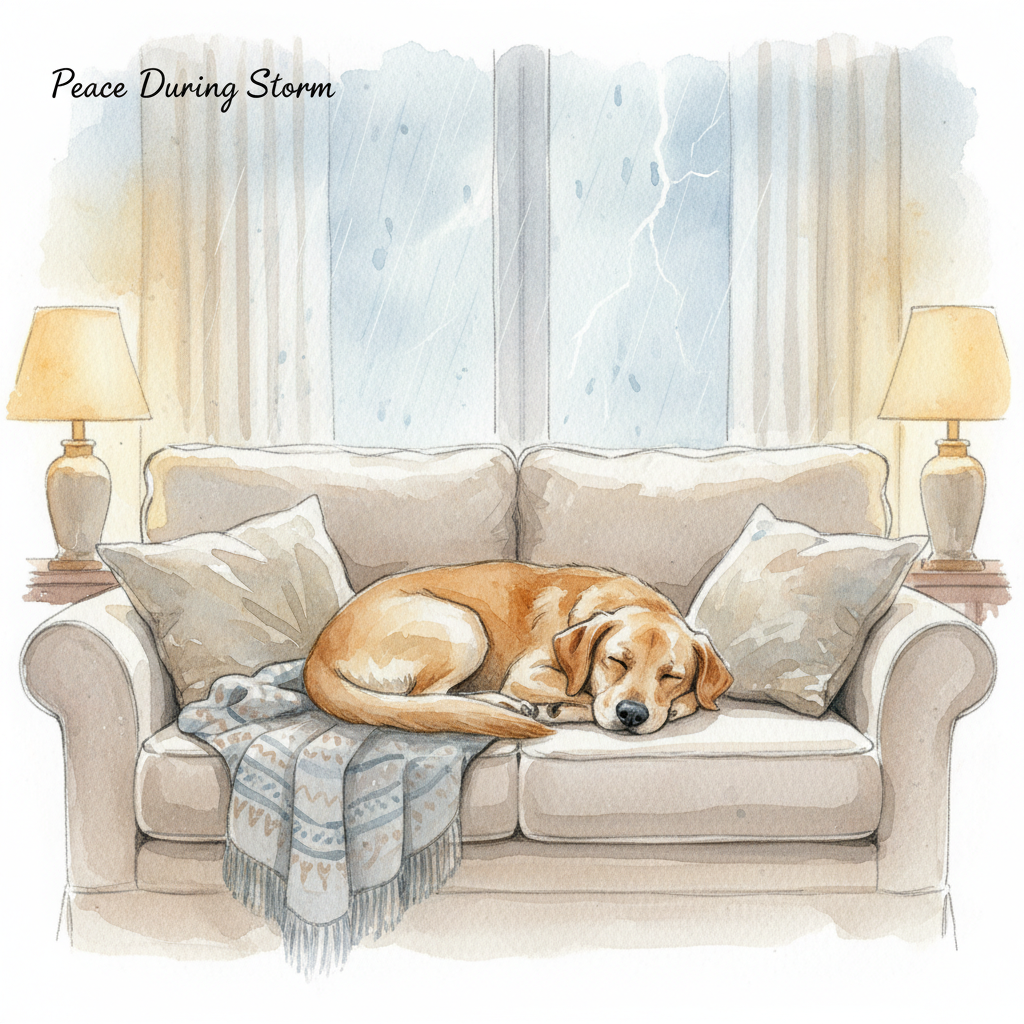
Many veterinary specialists suggest melatonin to help dogs handle anxiety, especially when it’s tied to specific events. This includes stressful times like:
- Loud thunderstorms
- Booming fireworks
- Long car rides or air travel
- Scary vet visits
- Unfamiliar grooming appointments
- Dealing with separation from you
For dogs with separation anxiety, we often see melatonin used alongside training, behavioral changes, and sometimes other medications to offer the best support.
Fixing Sleep Troubles
Just like it does for us, melatonin can help get your dog's sleep-wake cycle back on track. This can be a real lifesaver if your dog:
- Tosses and turns at night
- Seems restless or agitated
- Is adjusting to a new schedule or environment
- Is an older pup experiencing changes in their sleep patterns
Supporting Dogs with Canine Cognitive Dysfunction (CCD)
CCD is a condition similar to Alzheimer's in people, usually affecting older dogs. It can make them disoriented, mess with their sleep, and increase their anxiety. Melatonin might help improve sleep quality and reduce some of those confusing behavioral symptoms that come with CCD.
Addressing Hair Loss (Alopecia)
Some studies suggest that melatonin might even help with certain types of hair loss in dogs, especially seasonal flank alopecia or pattern baldness. While we don't fully understand why, it seems melatonin could influence how hair follicles grow.
Giving Your Dog Melatonin: What About Dosage?
Since melatonin for dogs isn't regulated by the FDA, there aren't any official dosing guidelines. This is why talking to your vet is absolutely crucial for precise instructions. Seriously, never give your dog melatonin without your vet's guidance.
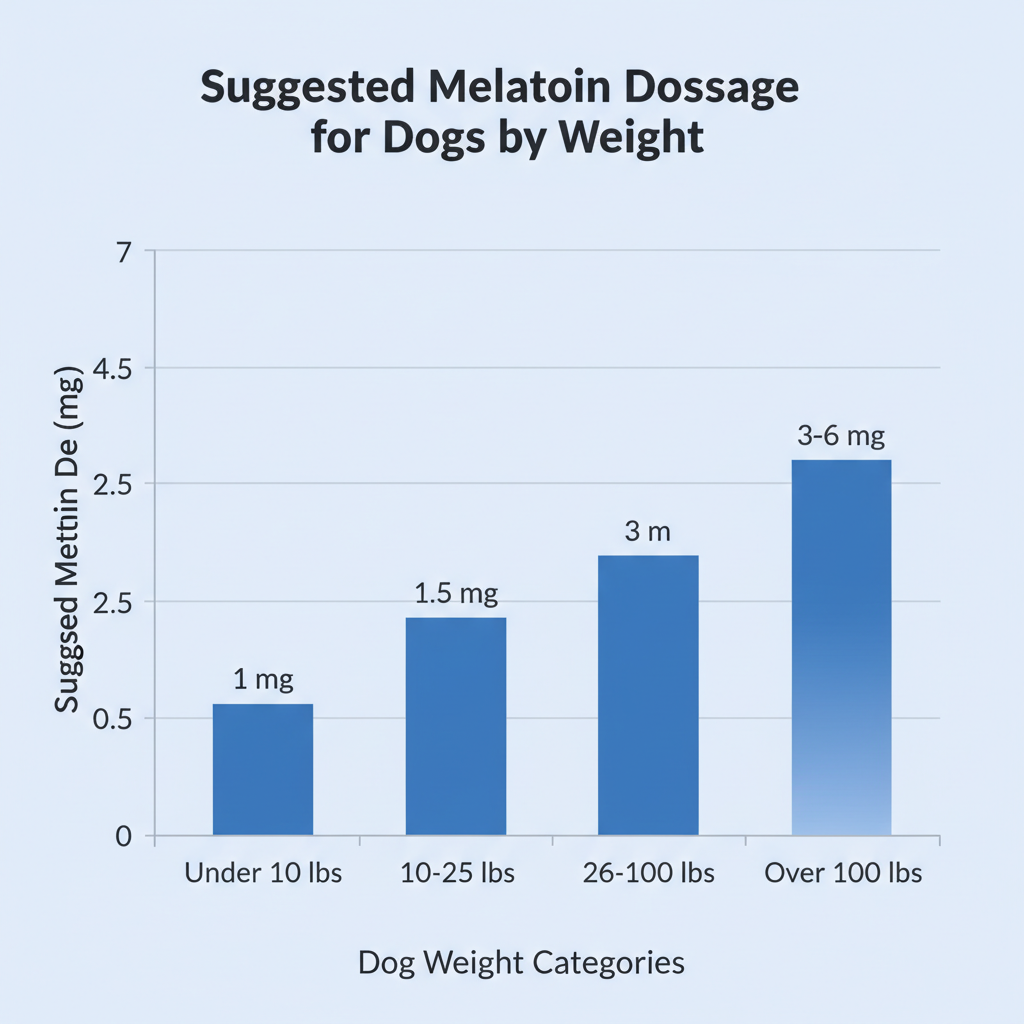
The amount of melatonin your dog needs usually depends on their weight, how strong the product is, and what condition you're trying to treat. Here are some general ranges we often hear about, but remember, these are not official recommendations:
| Dog Weight | Suggested Melatonin Dose Range |
|---|---|
| Under 10 lbs | 1 mg |
| 10-25 lbs | 1.5 mg |
| 26-100 lbs | 3 mg |
| Over 100 lbs | 3-6 mg |
You can often give melatonin two or three times a day, depending on what your dog needs. Your vet will advise you on the best schedule. If you’re using it for situational anxiety, it’s usually best to give it about 30 minutes to an hour before the stressful event.
Always, always check the label of any melatonin product to make sure it doesn’t contain xylitol or other ingredients that are harmful to dogs. Xylitol is a big no-no!
What Side Effects Can Melatonin Have on Dogs?
Generally, melatonin is pretty safe for dogs. But just like with any supplement, your pup might experience some mild side effects. These usually include:
- Drowsiness or Lethargy: This is the most common side effect since melatonin's job is to make them sleepy!
- Upset Stomach: Some dogs might have a little vomiting or diarrhea.
- Faster Heart Rate: This is rare, but a temporary increase in heart rate can happen.
- Itchiness: Very occasionally, a dog might get itchy or have some skin irritation.
- Behavioral Changes: In some cases, especially if the dose is too high, dogs might act a little unusual or even become more agitated.
If you notice anything worrying after giving your dog melatonin, call your vet right away.
Important Warnings When Giving Melatonin to Your Dog
While generally safe, there are a few key things to keep in mind when giving your dog melatonin.
Drug Interactions
Melatonin can sometimes react with other medications your dog takes. Watch out for interactions with:
- Steroid medications
- Blood thinners
- Immunosuppressants
- Other sedatives or anxiety medications
Always tell your vet about all the medications and supplements your dog is currently taking. This helps them avoid any bad interactions.
Existing Health Issues
Dogs with certain health conditions might not be good candidates for melatonin. This includes pups with:
- Diabetes: Melatonin could affect blood sugar levels, so use it carefully if your dog is diabetic.
- Liver Disease: If your dog's liver isn't working perfectly, their body might process melatonin differently, potentially leading to higher levels in their system.
- Kidney Disease: Similar to liver issues, kidney problems can change how your dog's body handles melatonin.
- Breeding Animals: Melatonin might interfere with reproductive hormones, so we generally don’t recommend it for dogs used for breeding.
- Pregnant or Nursing Dogs: We don't have much research on how melatonin affects pregnant or nursing dogs and their puppies, so it's best to avoid it.
Supplement Quality and Purity
The supplement industry isn't super regulated, which means the quality and purity of melatonin products can vary a lot. Always pick a trusted brand that shares results from third-party testing. This ensures the product actually contains what it claims and is free of harmful contaminants like xylitol. If you can, look for a product with the National Animal Supplement Council (NASC) seal of approval.
What If Your Dog Gets Too Much Melatonin?
If your dog accidentally eats too much melatonin, the good news is that it's generally very safe, even in larger amounts. Symptoms of an overdose are usually just an exaggerated version of the common side effects, such as:
- Extreme drowsiness or lethargy
- Vomiting
- Diarrhea
- Feeling disoriented
- Tremors (this is quite rare)
If you think your dog has overdosed on melatonin, call your veterinarian or an animal poison control center immediately. They can tell you whether you just need to keep an eye on your pup at home or if they need veterinary care.
Melatonin Comes in Different Forms for Dogs
Melatonin supplements come in a variety of forms, making it easier to give to your dog:
- Tablets or Pills: These are the most common and come in different strengths.
- Chews: Many brands offer tasty chews that dogs gobble up easily, sometimes mixed with other calming ingredients like L-tryptophan or chamomile.
- Liquids: You can easily mix liquid forms into your dog's food or give them directly.
Your vet can help you choose the best form and dose for your dog's specific needs and what they're most likely to take.
When Should You Call Your Vet?
It’s always a good idea to chat with your veterinarian before starting any new supplement, and that includes melatonin, for your dog. Your vet can:
- Confirm a diagnosis: They'll make sure your dog's symptoms aren't actually pointing to a more serious underlying health issue.
- Decide if melatonin is right: They'll check your dog’s overall health, current medications, and any possible interactions.
- Give you accurate dosing instructions: They’ll provide a safe and effective dose specifically for your dog’s weight and condition.
- Help you watch for side effects: They’ll tell you what to look out for and when to get more veterinary care.
If your dog has severe side effects, their symptoms don't get better, or they seem to get worse after starting melatonin, contact your vet immediately.