
When Your Dog Has Lung Cancer: A Guide for Pet Parents
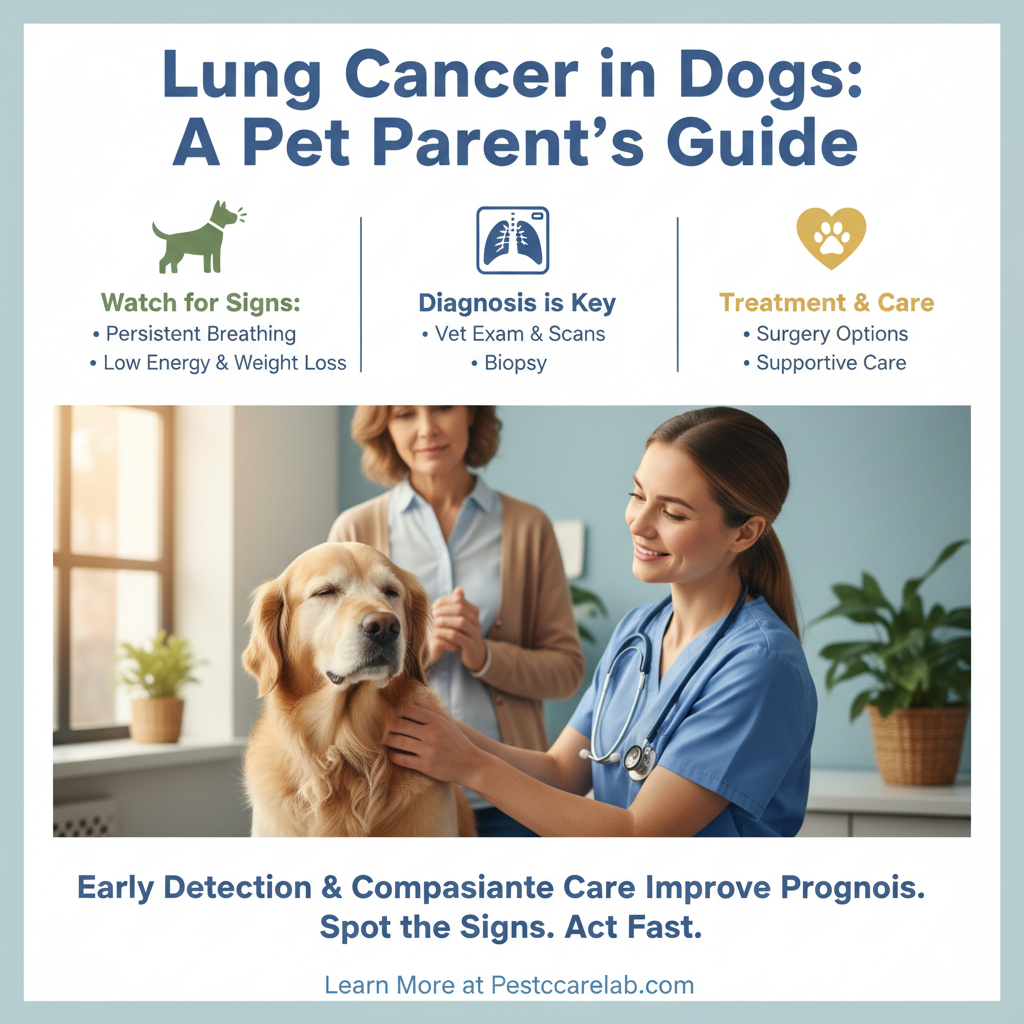
Discovering your dog has lung cancer in dogs can feel like a punch to the gut. This serious illness, sometimes called pulmonary neoplasia, isn't as common as other cancers in our furry friends. But when it happens, it's vital to understand what you're up against. Lung cancer can start in your dog's lungs (primary tumors) or spread there from cancer in another part of their body (metastatic tumors). Sadly, most lung cancers we see in dogs are the metastatic kind.
Primary lung tumors often show up as a single mass and might or might not have spread to other areas, like the lymph nodes or other organs. No matter the type, lung cancer is a life-threatening condition. While treatments can help manage the disease and boost your dog's quality of life, the outlook can be tough, especially if the cancer has spread. That's why catching it early and acting fast gives your dog the best shot.
Types of Lung Cancer Your Dog Might Face
The most common primary lung tumor we see in dogs is adenocarcinoma, which starts in the lungs' glandular cells. But there are other, less common types too:
- Squamous cell carcinoma: This develops from the flat cells lining the airways.
- Bronchioloalveolar carcinoma: This affects your dog's tiny airways and air sacs.
- Undifferentiated carcinoma: This is a very aggressive type where the cancer cells don't look like normal lung cells at all.
Metastatic lung tumors can come from all sorts of primary cancers, including bone cancer (osteosarcoma), blood vessel cancer (hemangiosarcoma), mammary gland tumors, and other types of sarcomas and carcinomas.
Signs and Symptoms of Lung Cancer in Dogs
In the beginning, your dog might not show any signs of lung cancer. As the disease grows, however, you'll likely notice symptoms becoming clearer. Keep an eye out for:
- A cough that won't quit: This is one of the most common signs. It could be dry or wet, even with phlegm or blood.
- Trouble breathing (dyspnea): You might see fast, shallow, or labored breathing, especially when your dog exerts themselves.
- Low energy and weakness: Your dog might seem generally tired or lose their stamina.
- Weight loss: Unexplained or significant weight loss, even if they're eating normally.
- Poor appetite (anorexia): Your dog might not want to eat, or stop eating entirely.
- Fever: A fever that keeps coming back or just won't go away.
- Limping or joint pain: This could happen if the cancer has spread to their bones or joints.
- Can't handle exercise: Your dog might get tired super easily during physical activity.
- Bluish gums or tongue (cyanosis): This means they're not getting enough oxygen.
- Vomiting/diarrhea: While less common, this can occur if the cancer has spread to their digestive system.
- Swollen lymph nodes: If the cancer has spread to the nearby lymph nodes.
- Fluid around the lungs (pleural effusion): This can make breathing even harder.
- Sudden collapse: In very advanced stages or during a medical crisis.
It's worth noting that many of these symptoms can also point to other breathing problems or general health issues. That's why a vet visit and proper diagnostic tests are the only way to get a clear answer.

What Causes Lung Cancer in Dogs?
We don't fully understand exactly what causes primary lung cancer in dogs, but our team at Petscarelab knows several factors can raise the risk:
- Environmental triggers: Things like secondhand smoke, asbestos, and other environmental carcinogens could play a role.
- Genetic links: Some dog breeds seem more prone to developing lung cancer. For instance, Boxers, Doberman Pinschers, and Australian Shepherds are sometimes more susceptible to primary lung tumors.
- Age: Lung cancer tends to show up more often in older dogs, usually those over 10 years old.
- Ongoing lung inflammation: Some research suggests that chronic lung inflammation or infections might increase the risk.
For metastatic lung tumors, the cause is always the primary cancer that started somewhere else in the body.
Diagnosing Lung Cancer in Dogs
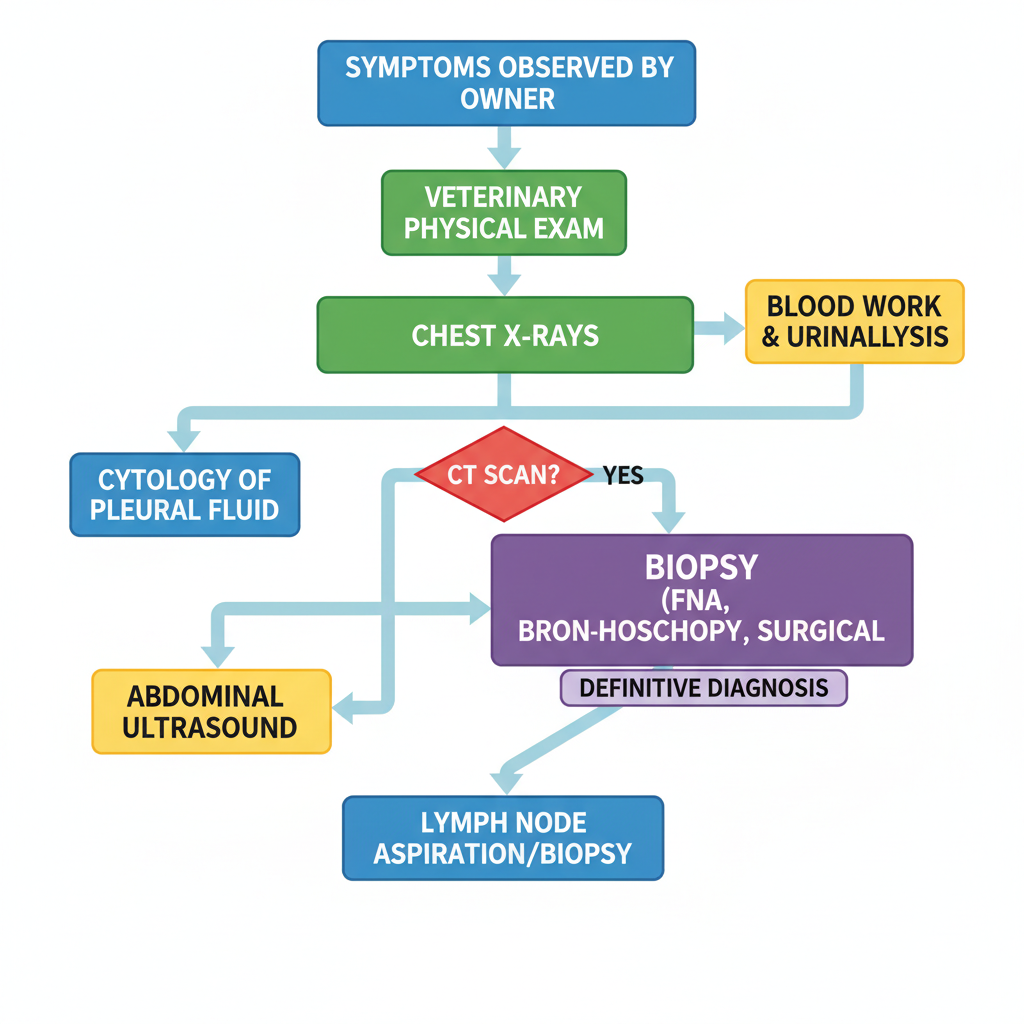
Diagnosing lung cancer in your dog involves a series of tests:
- Physical Exam: Your vet will listen to your dog’s lungs for any unusual sounds and check their overall health. They’ll also feel your dog's belly and lymph nodes for anything out of the ordinary.
- Blood Work and Urinalysis: These tests give a snapshot of your dog's general health and can help rule out other conditions. They can also hint if other organs are affected.
- Chest X-rays (Radiographs): X-rays are usually the first imaging step. They can show masses, nodules, or fluid in your dog's lungs and chest. But keep in mind, very tiny tumors might not show up.
- CT Scan (Computed Tomography): A CT scan offers much more detailed images of the lungs and chest than X-rays. This helps vets see tumors more clearly, figure out their size and exact spot, and check for any spread to lymph nodes or other structures. This step is super important if surgery is planned.
- Biopsy: To get a definitive diagnosis of lung cancer, your vet needs a biopsy. This means collecting a tissue sample from the tumor for a veterinary pathologist to examine. This can be done in a few ways:
- Fine Needle Aspirate (FNA): A tiny needle collects cells. It's less invasive, but sometimes doesn't get enough material for a full diagnosis.
- Bronchoscopy: A thin, flexible tube with a camera goes into the airways to see the tumor and grab samples.
- Surgical Biopsy (Thoracotomy): The chest cavity is opened surgically to get a bigger tissue sample. This is the most invasive option but often gives the most accurate diagnosis and allows for complete tumor removal if possible.
- Image-guided Biopsy: A needle biopsy can be done with ultrasound or CT guidance.
- Cytology of Pleural Fluid: If fluid builds up around the lungs, your vet can take a sample and look for cancer cells.
- Abdominal Ultrasound: This might be done to check for any signs that the cancer has spread to organs in the belly.
- Lymph Node Aspiration/Biopsy: If your dog's lymph nodes seem enlarged or suspicious, samples might be taken to check for metastasis.
Treating Lung Cancer in Your Dog
The treatment plan for your dog's lung cancer depends on a few things: the tumor type (primary versus metastatic), its size and location, whether it has spread, and your dog’s overall health.
1. Surgery:
- Lobectomy: If your dog has a single primary lung tumor that hasn't spread, surgically removing the affected lung lobe (a lobectomy) is often the best choice. This gives them the best chance for long-term survival.
- What to Expect After Surgery: The outlook is best if the tumor is completely removed and there's no sign of spread to lymph nodes or other organs. Even after a successful surgery, it's crucial to keep a close eye on your pup.
2. Chemotherapy:
- After Surgery: Vets often recommend chemotherapy after surgery, especially if there's a risk of the cancer spreading or if the tumor wasn't completely removed.
- For Spread Cancer: If your dog has metastatic lung tumors or primary tumors that can't be removed, chemotherapy can help slow the disease and manage symptoms. However, it usually won't cure advanced lung cancer.
- Comfort Care: In some cases, chemotherapy aims to improve quality of life rather than find a cure.
3. Radiation Therapy:
- Focused Treatment: Radiation therapy uses powerful rays to destroy cancer cells. It can be a primary treatment for tumors that can't be surgically removed or an add-on after surgery.
- Relief Radiation: It can also be used to ease pain and boost quality of life in advanced cases.
4. Comfort Care and Supportive Therapy:
- Managing Symptoms: For dogs with advanced or widespread lung cancer where a cure isn't possible, comfort care focuses on managing symptoms and keeping them comfortable.
- Medication: This might include pain meds, cough suppressants, bronchodilators (to help open airways), and anti-inflammatory drugs.
- Oxygen: Dogs with severe breathing issues might need oxygen therapy.
- Nutrition: Making sure your dog gets enough good nutrition is key to keeping their strength up.
Life After a Lung Cancer Diagnosis: Recovery and Management
Recovery and management for dogs with lung cancer vary a lot depending on their individual situation:
- After Surgery: If your dog has surgery, they’ll need to stay at the clinic for a bit, get pain relief, and limit their activity while they recover. You’ll have follow-up appointments to check on healing and make sure the cancer hasn't come back.
- Chemotherapy/Radiation: Dogs undergoing these treatments will have regular appointments to see how they're responding and to manage any side effects.
- Ongoing Monitoring: Regular follow-up chest X-rays or CT scans are super important to catch any new tumor growth or spread early.
- Quality of Life: The main goal when managing lung cancer is to keep your dog's quality of life as good as possible for as long as you can. This means careful symptom management and staying in close touch with your veterinary team.
- Outlook: The prognosis for dogs with lung cancer can differ widely.
- Dogs with a single, small primary tumor that’s completely removed and hasn't spread generally have the best outlook, sometimes living more than a year.
- Dogs with larger tumors, incomplete removal, or signs of metastasis face a tougher prognosis, often with survival times measured in months.
- For metastatic lung cancer, the outlook is generally poor because it means the disease has spread throughout the body.
Preventing Lung Cancer in Your Dog
While there’s no foolproof way to prevent lung cancer, some steps might help lower the risk:
- Say no to secondhand smoke: Keep your dog away from tobacco smoke and other airborne irritants.
- Regular vet check-ups: Catching any health problems early can always lead to better outcomes.
- A healthy lifestyle: A balanced diet and regular exercise support overall health and a strong immune system for your pup.
If you notice any worrisome symptoms in your dog, especially a cough that just won't quit or trouble breathing, get them to the vet right away. Early diagnosis and quick action can make a huge difference in how we manage and impact the outcome of lung cancer.