
How to Find a Lost Dog
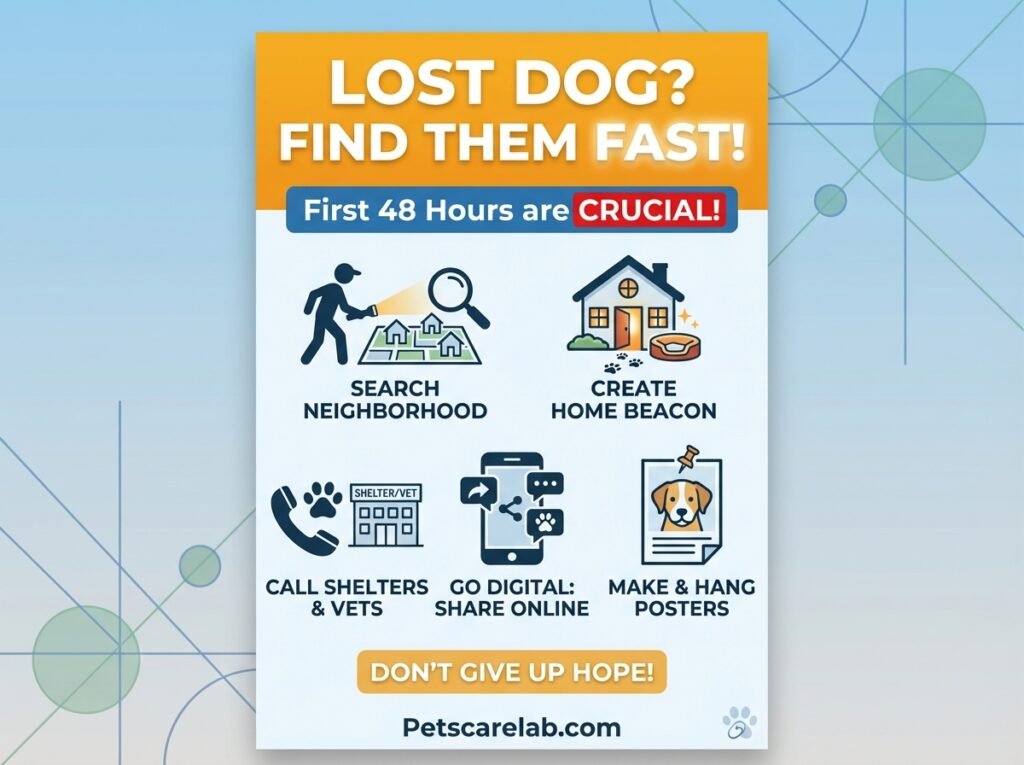
Losing your dog can make your stomach drop. That sudden panic, the pit in your gut – it's one of the worst feelings a pet parent can experience. When your furry friend goes missing, it's easy to jump to the worst conclusions, but the most important thing you can do is breathe, then act. Our research at Petscarelab shows that the first 48 hours are crucial for how to find a lost dog, so staying calm and moving quickly and methodically is your best bet.
Fan Out Through Your Neighborhood
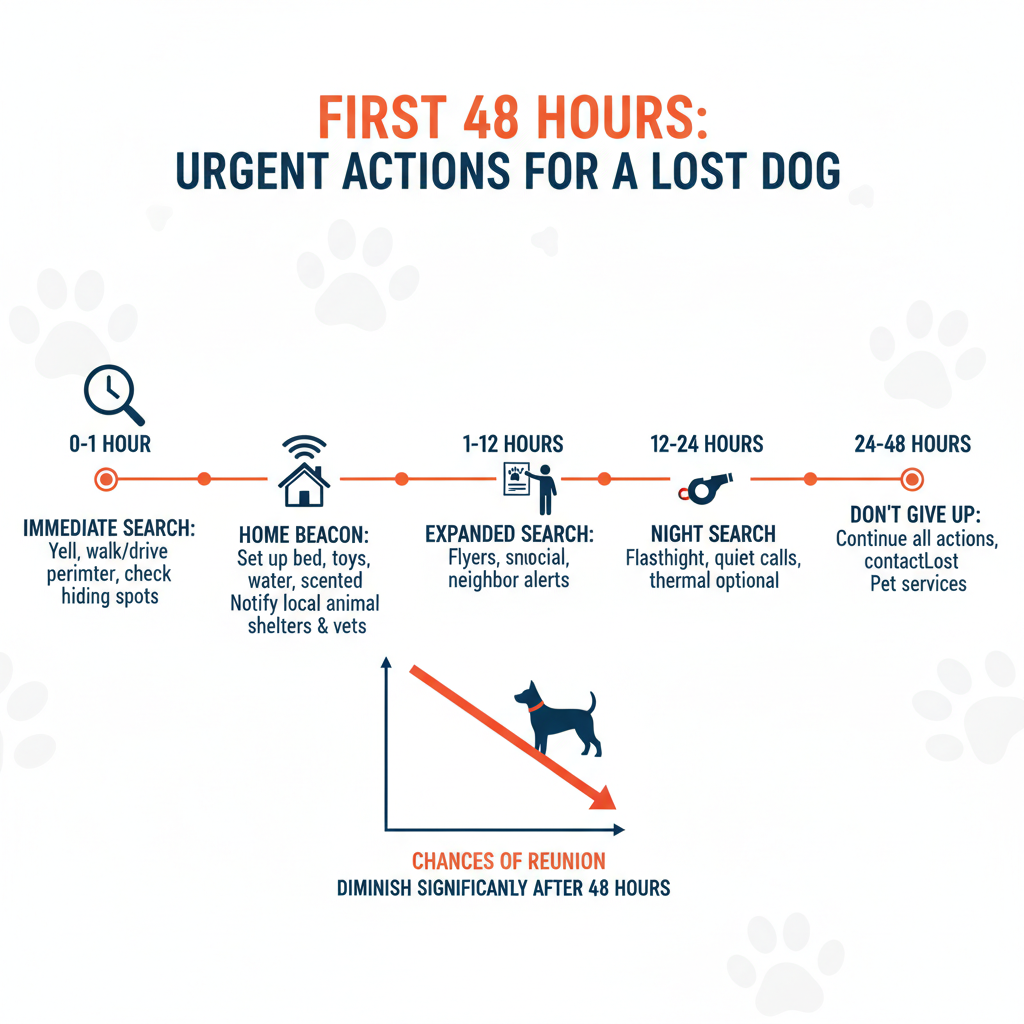
Your missing pup is likely close by, especially in those first hours. Think of yourself as a detective. Start by combing your immediate area, hitting every street and green space your dog might know.
- Knock on every door, even if you know your neighbors don't have pets.
- Describe your dog and have a clear, recent photo ready to show them.
- Give them your phone number and ask them to check their sheds, garages, and any other nooks or crannies where a scared dog might huddle up.
Turn Your Home Into a Safe Haven
A scared, lost dog often tries to find their way back to the most comforting place they know: home. Help them out by turning your house into an irresistible beacon of familiar scents and safety.
- Lay out a well-loved blanket or dog bed right by your front door or in the yard. That familiar smell can be a powerful magnet.
- Scatter some of your dog's favorite toys outside. They're not just scent markers; they're tiny comfort signals.
- Set out a bowl of fresh water and a bit of food. Your pup is probably thirsty and hungry after their adventure. Just remember, this might attract other critters, so only do it if you can keep an eye on things.
- If it's safe, keep a gate or even a door ajar. Imagine your dog just walking right back into their own cozy spot – that's the dream!
Ring Up Local Shelters and Rescues
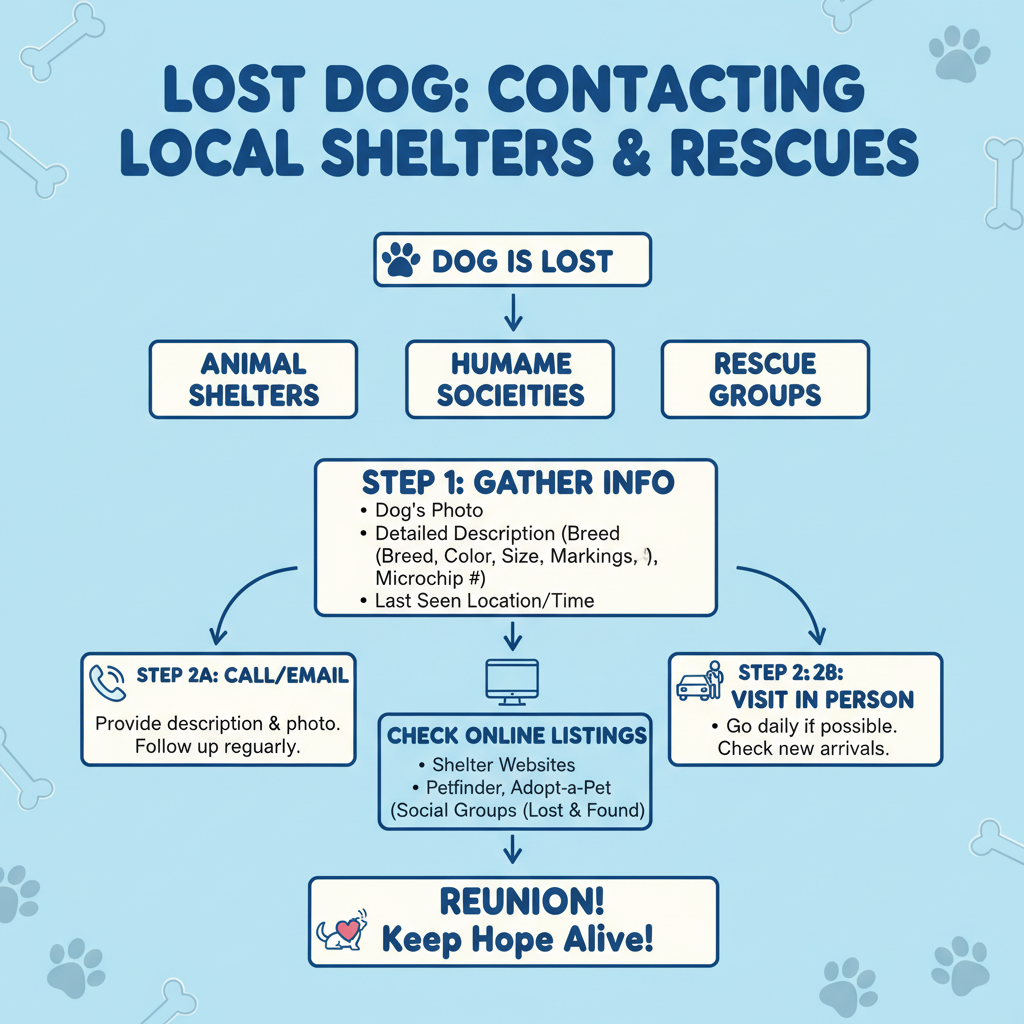
Don't wait! As soon as you realize your dog is missing, start calling every animal shelter, humane society, and rescue group within driving distance. Many lost pups end up here.
- Give them a detailed rundown of your dog: breed, size, color, age, any special markings, and their microchip number if they have one.
- Email them a clear, recent photo.
- Go visit the shelters in person. Seriously, make this a daily trip if you can. A scared or dirty dog can look completely different in a shelter photo, and sometimes descriptions just aren't enough. No one will recognize your dog better than you will.
- Scan their online "lost and found" listings. Most places post pictures of the animals they've brought in.
Tap Into the Power of the Internet
The web can be your biggest ally when searching for a missing dog. It's an incredible way to spread the word fast!
- Blast it out on your personal social media (think Facebook, Instagram, X/Twitter). Post several clear, recent photos of your dog, their name, where you last saw them, and your phone number. Beg friends and family to share, share, share!
- Dive into local lost and found pet groups on Facebook. Almost every community has these, and they're packed with people ready to help.
- Download apps like PawBoost, Nextdoor, and Petco Love Lost. These platforms let you create an instant "lost pet" alert that goes out to local users, shelters, and rescues.
- Don't forget Craigslist. Check both the "Pets" and "Lost & Found" sections for any "lost" posts that match your dog or "found" posts that might be yours.
Get the Word Out with "Lost Dog" Posters
Sometimes, old-school methods work best! Posters are still incredibly effective for how to find a lost dog.
- Make your posters bright and unmissable. Use huge, bold letters that scream "LOST DOG!" right at the top, along with your dog's name.
- Put a big, clear, recent photo of your pup smack in the middle.
- Add the must-know details: their breed, size, color, any unique spots or quirks, where they were last seen, and your phone number.
- Think about offering a reward. This can motivate people to really keep an eye out, but always be smart about potential scams.
- Protect your posters! Laminate them or slide them into clear sheet protectors so rain and wind don't ruin your efforts.
- Hang your posters everywhere people will see them:
- Busy intersections
- Pet stores and vet clinics
- Grocery stores and coffee shops
- Community bulletin boards
- Near dog parks
- On mailboxes and telephone poles (just double-check local rules first!)
Call Every Vet and Emergency Clinic
Make a list and start dialing! Call every vet's office and emergency animal hospital in your region. If your dog got hurt or someone found them and knew they needed medical help, this is where they might be. Make sure to give them your pup's description and a photo.
Keep the Hope Alive – Don't Give Up!
Finding a lost dog can feel like a marathon, not a sprint. It takes grit and patience. We've heard amazing stories at Petscarelab about dogs reunited with their families weeks, months, or even years after disappearing.
- Keep checking those shelters.
- Refresh your online alerts and social media posts often.
- Swap out any posters that are torn or faded by the weather.
- Keep exploring your neighborhood and beyond. Every day is a new chance to find them.
How to Keep Your Dog From Getting Lost (The Best Strategy)
While knowing how to find a lost dog is essential, the absolute best thing you can do is prevent them from going missing at all!
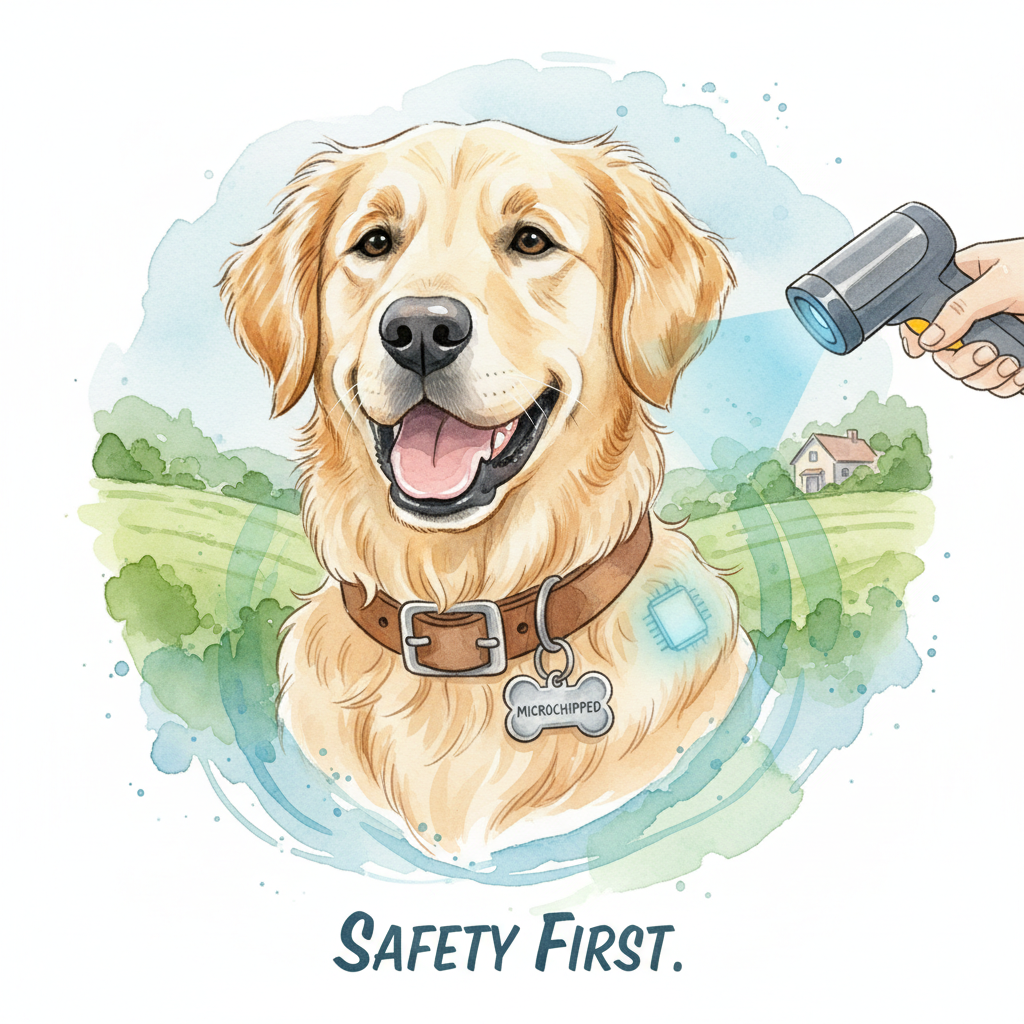
- Microchip your dog. This tiny chip is a lifesaver if their collar comes off. Just make sure your contact info is always, always up to date with the microchip company.
- Collar and tags are a must. Your dog needs a sturdy collar with tags showing your current phone number and address.
- Teach a solid recall command. Imagine if they slipped out the gate – a reliable "come!" could bring them right back to safety.
- Inspect your yard regularly. Walk your fence line. Any loose boards, digging spots, or sneaky gaps? Fix them!
- Always use a leash. Especially in new places or if your dog is known for a sudden burst of speed, keep them safely on a leash.
Follow these steps with dedication and hope. The day your dog bounds back into your arms will be one of the best days ever.