
K9warehouse Pig Ears for Dogs: A Deep Dive into These Crunchy, High-Protein Chews
PetsCareLab’s conclusion: A single-ingredient, high-protein pork treat that serves as a safer, more digestible alternative to rawhide for dogs of all breeds and life stages.
Single-Source Pork: Label and Traceability Analysis
When our team at Petscarelab looks at a treat, we want to see a label that doesn't require a chemistry degree to read. These pig ears for dogs are as simple as it gets: 100% real pork. K9warehouse sources these ears and packs them right here in the USA, which gives us a much higher level of confidence in the supply chain. Unlike "mystery meat" treats, these are single-source, meaning you know exactly what’s going into your dog's mouth. The processing avoids high-heat stripping, opting instead for a method that keeps the pork flavorful without needing artificial boosters.
Safety and Purity Standards
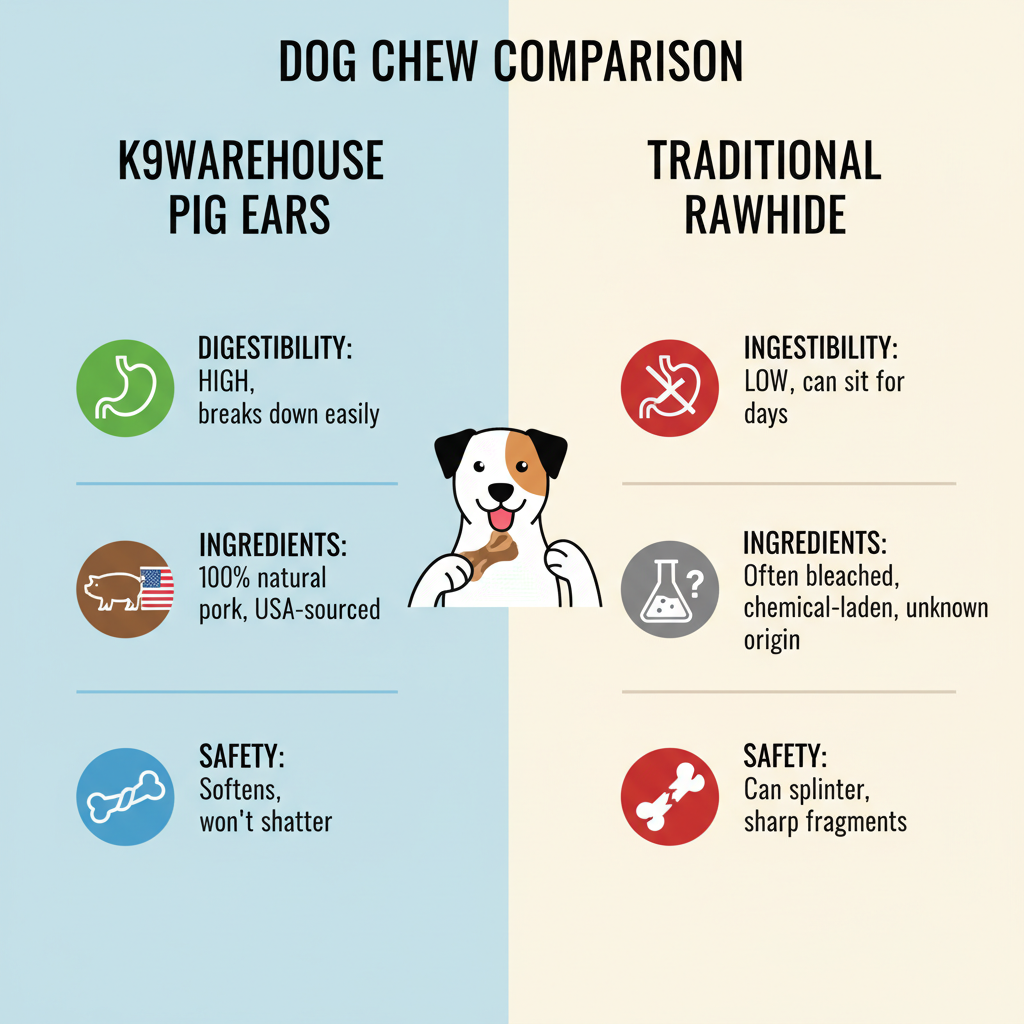
We’ve all seen those unnaturally white, bleached rawhide rolls at the grocery store. You won't find that here. These pig ear strips are free from chemical bleaching agents and synthetic preservatives. Our research shows that many pet parents worry about "sharp fragments" common in brittle treats. These strips are thick-cut, which allows them to soften slightly as your dog chews rather than shattering into dangerous shards. Since they are hormone-free and all-natural, you’re avoiding the hidden "nasties" that often lead to skin allergies or mysterious itchy paws.
Sensory Appeal: The "Sniff Test"
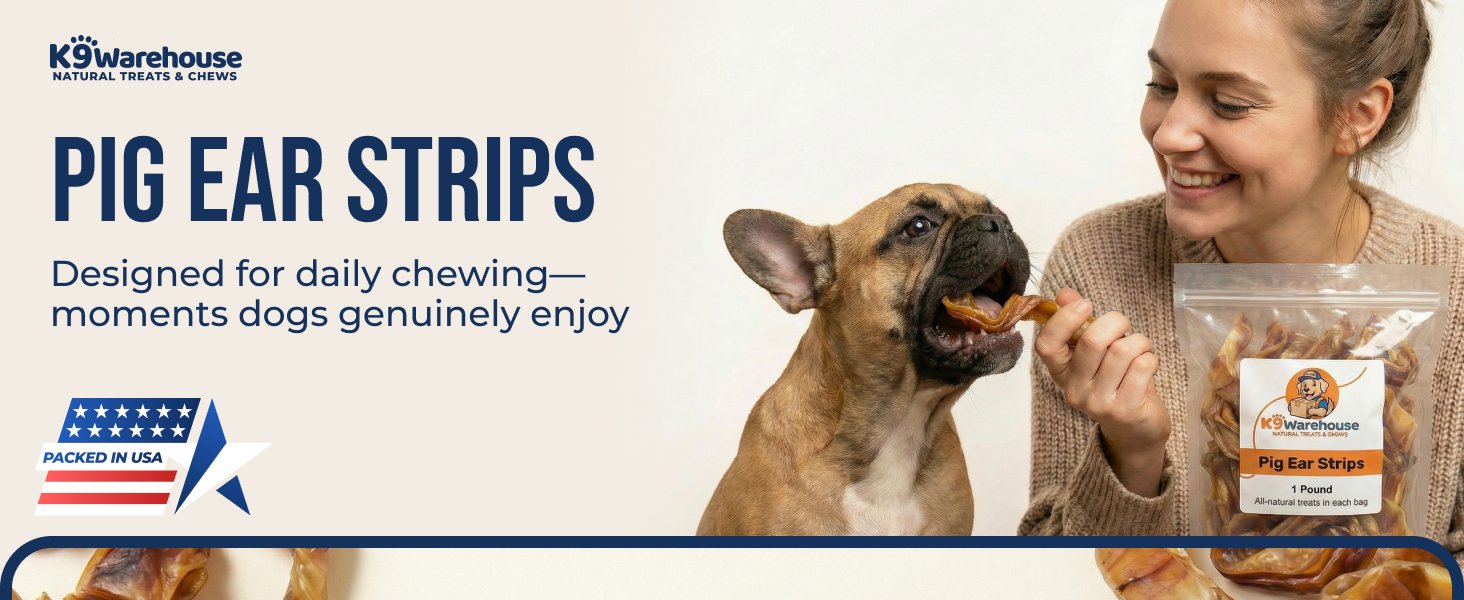
The moment you pull the seal on this 16oz bag, you’ll notice a rich, roasted aroma. It’s definitely a "dog smell," but it’s the kind of natural scent that signals real meat to your pup. While some owners find the smell of pork treats a bit punchy, it isn't the chemically "off" odor found in low-quality imports. In our trials, even the pickiest eaters were immediately interested. Your dog’s nose doesn't lie; the natural oils preserved in these strips make them incredibly palatable.
Chewing Durability and Dental Hygiene
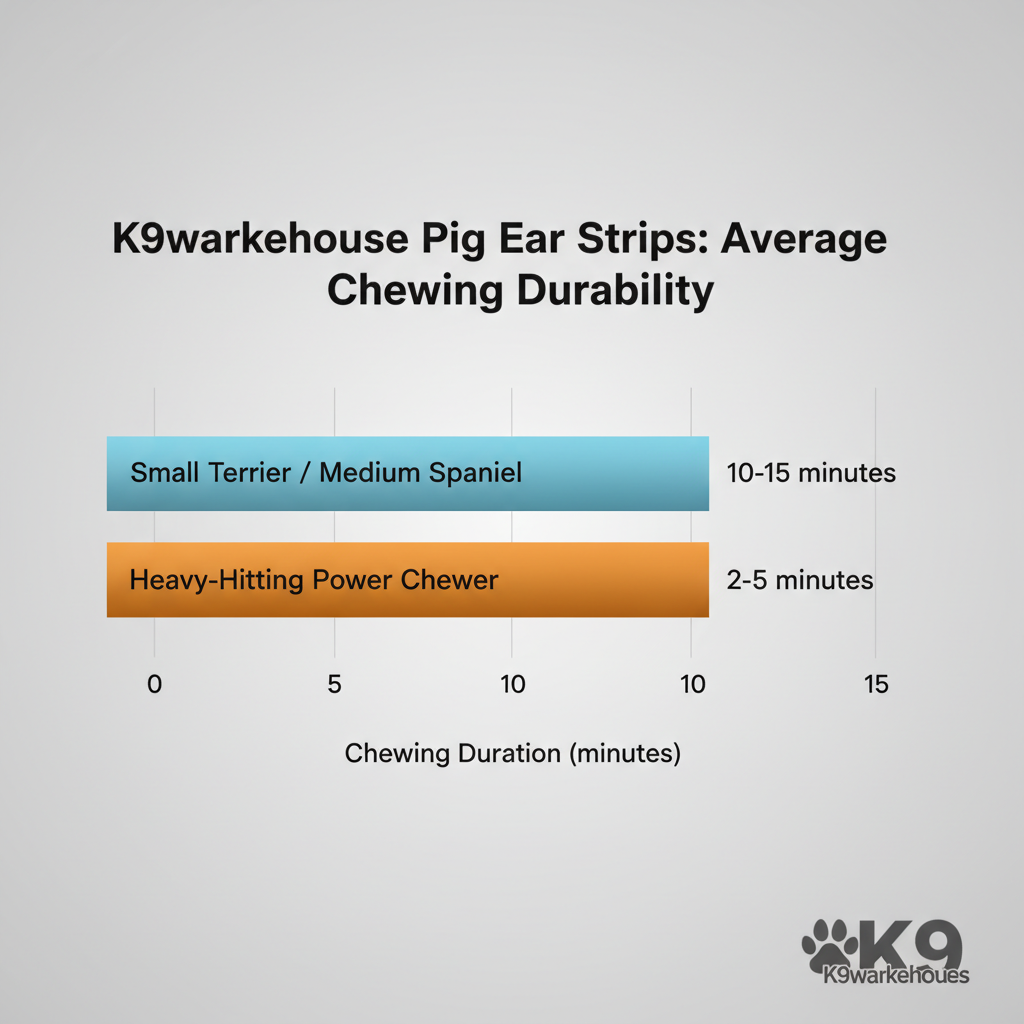
Because these are strips rather than the full ear, the chewing time varies based on who’s doing the work. For a small terrier or a medium-sized spaniel, one strip offers about 10 to 15 minutes of solid "me time." For a heavy-hitting power chewer like a Lab, it’s more of a "crunch and go" snack that lasts a few minutes.
Functionally, these strips act like a natural toothbrush. As your dog works the tough, fibrous pork, the texture helps scrape away plaque and tartar buildup from the gum line. It’s a great way to keep their breath a little fresher while satisfying that primal urge to chew.
Nutritional Value and Tummy Tolerance
Pig ears are naturally high in protein, which is great for muscle maintenance. However, they do have a higher fat content than something like a bully stick. If your dog is on a strict low-fat diet for pancreatitis or weight management, you'll want to hand these out sparingly. On the plus side, these are far more digestible than rawhide. While rawhide can sit in the stomach for days, these pork strips break down easily. We’ve found that even dogs with slightly sensitive stomachs tend to handle these well, provided you don't overfeed them.
Pros and Cons Analysis
PetsCareLab’s Final Rating
Ingredient Purity: 9.5/10 ★★★★★
Palatability (Taste): 9.8/10 ★★★★★
Digestibility: 9.0/10 ★★★★☆
Durability: 7.5/10 ★★★☆☆
Value for Money: 8.5/10 ★★★★☆
Overall PetsCareLab Rating: 4.5 / 5 Stars ★★★★★