
Is Your Dog an Introvert? How to Spot the Signs and Help Your Quiet Pup Thrive
Think of introverted dogs like people who love their quiet time. While it might seem odd to describe a pup as an introvert, some dogs genuinely prefer cozy nights in and calm walks to bustling dog parks or big parties. If your furry friend seems happiest snuggled up at home, tends to shy away from new faces or other animals, or just thrives in a peaceful existence, you might have an introverted dog on your hands. Every dog needs social interaction and enriching activities, but introverted pups have their own special needs and likes. We'll show you how to spot an introverted dog and help them live their happiest, most fulfilling life.
Signs Your Dog Might Be an Introvert
So, how can you tell if your dog is an introvert? Look for these common signs:
They Stick to Their Inner Circle
Introverted dogs often aren't interested in making new human friends. They prefer to hang out with their trusted family members. If you host a party, your introverted pup will probably sneak off to a quiet room instead of wagging their tail at every guest. They might offer a quick, polite sniff to a newcomer, but then they'll likely retreat to their favorite comfy spot. This isn't about being antisocial or aggressive. It simply means your dog finds comfort and energy in a few deep bonds, not a crowd.
They Give Other Dogs a Wide Berth
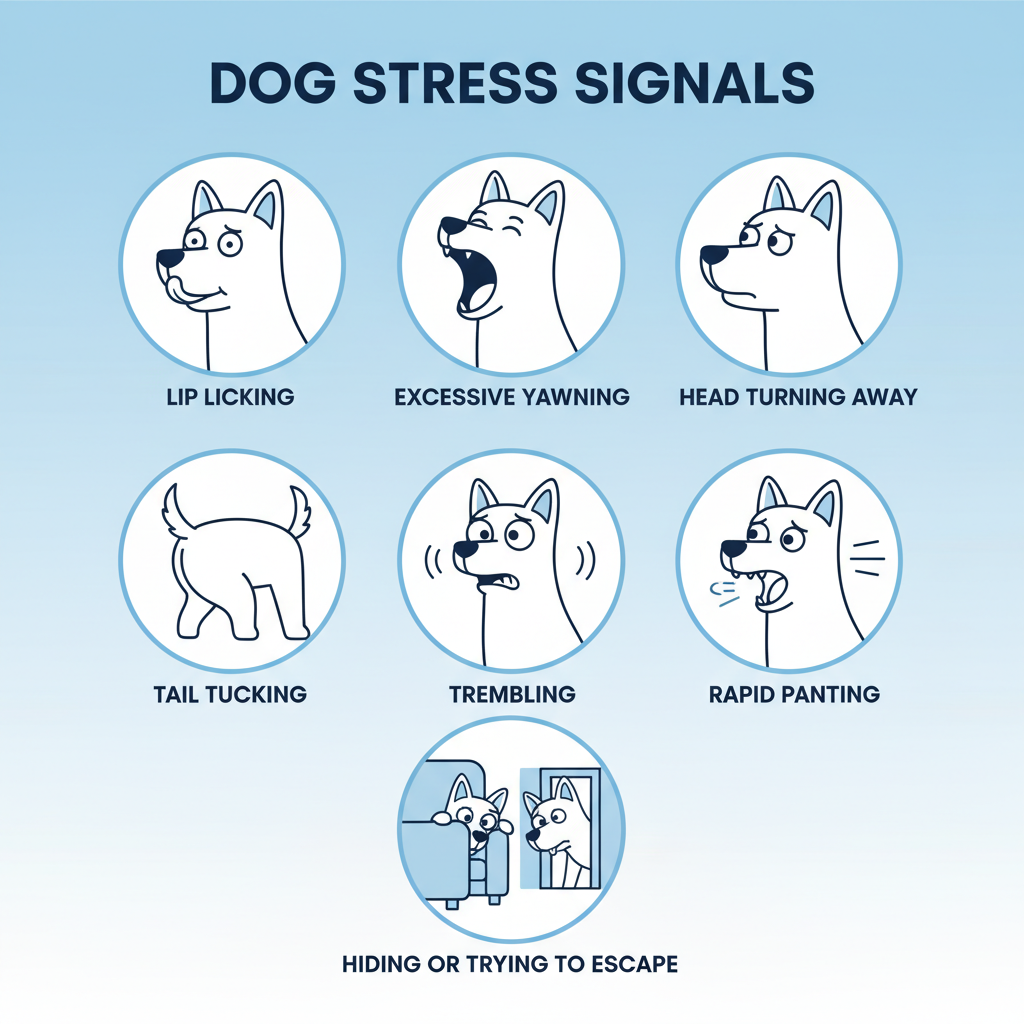
Some dogs live for the thrill of the dog park, but an introverted dog would much rather enjoy a peaceful stroll around the block. They'll often ignore other pups, give them a wide berth, or even try to pull you in the opposite direction to dodge an encounter. If they find themselves stuck in a busy social scene with other dogs, you might notice them showing signs of stress. This can look like:
- Too much yawning
- Lip licking
- Turning their head away
- Trying to escape the group
They might also look totally overwhelmed in a crowded dog park, preferring to just sit quietly by your side.
They Love Their Alone Time
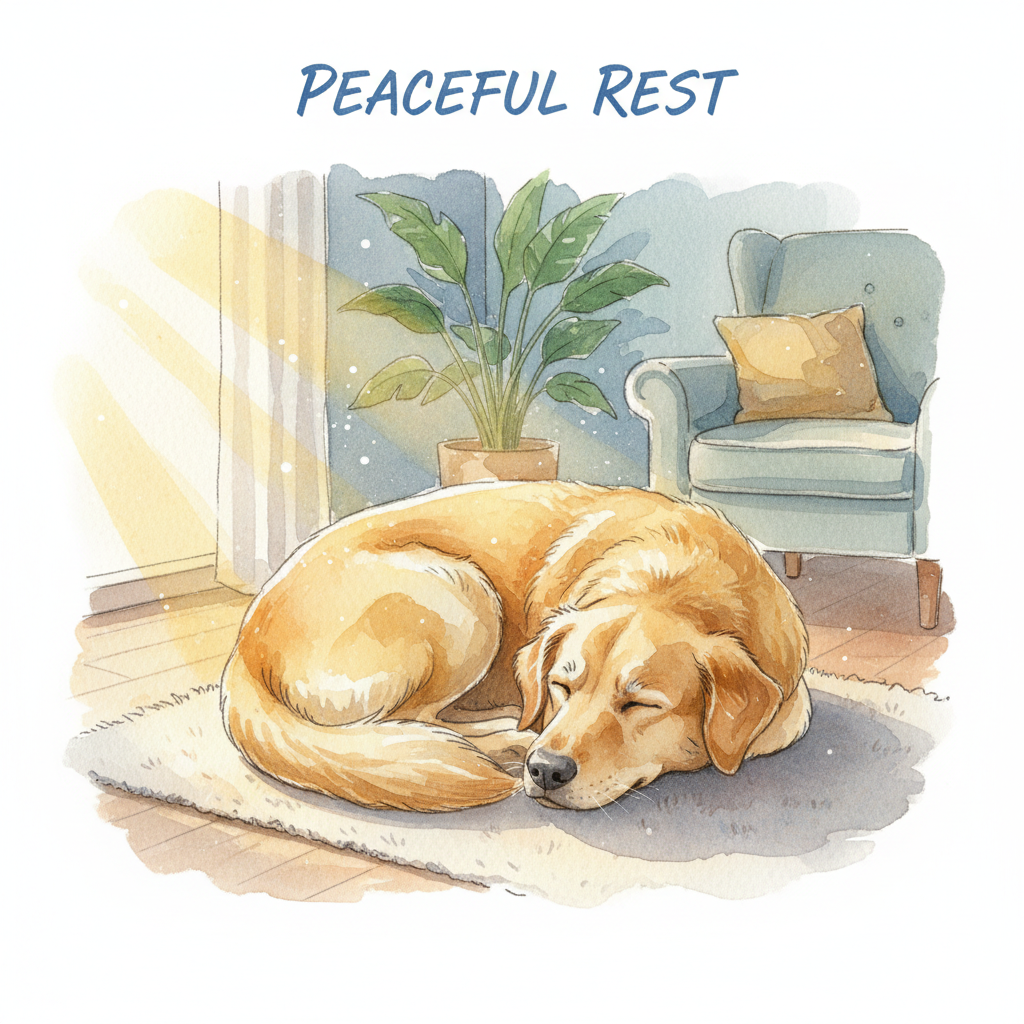
While some dogs crave constant company, introverted dogs are often perfectly happy chilling out on their own. They truly enjoy their quiet moments – maybe napping in a warm sunbeam, happily gnawing on a favorite toy, or just watching the world go by from a cozy perch. This isn't a sign they don't adore you or your company. It just means they don't need constant fuss or play to feel secure and content.
Busy Places Stress Them Out
New, noisy, or overwhelming places can be a lot for an introverted dog. Imagine taking your pup to a buzzing farmers’ market, a loud outdoor concert, or even a super-crowded pet store – it can quickly send their stress levels soaring. You might notice your introverted dog showing signs they're overwhelmed:
- Panting heavily
- Drooling more than usual
- Trembling
- Tucking their tail tight between their legs
- Trying to hide or run away
- Clinging close to you
They much prefer calm, predictable spots where they can truly unwind and feel safe.
They Need Time to Adjust to New Things
When faced with new situations, objects, or routines, introverted dogs are naturally cautious. They won't leap into a new experience. Instead, they’ll take their sweet time, watching, thinking, and approaching only when they feel ready. Say you bring home a new toy; your pup might watch it from afar for ages before sniffing it out. Or if you try a new walking path, they might move slower, sniffing every new sight and smell before they relax into it. This careful approach isn't fear; it's just how they like to take everything in before joining in. Patience and lots of positive encouragement are your best tools when you introduce anything new to your introverted dog.
How to Help Your Introverted Dog Thrive
Caring for an introverted dog truly means understanding and respecting their unique personality. Here's how you can help your reserved pup live their best life:
Create a Quiet Retreat
Give your introverted dog a quiet, private spot in your home. This is their safe haven, a place where they can retreat when things get too much or when they simply need some alone time. Think a comfy crate, a cozy bed tucked away in a low-traffic room, or even a designated corner under a desk. Make sure no one bothers them there.
Respect Their Limits
If your dog isn't keen on greeting a new person or another dog, don't ever force it. Pushing them into uncomfortable situations just ramps up their stress and can even spark fearful reactions. Let them approach and interact only when they feel ready.
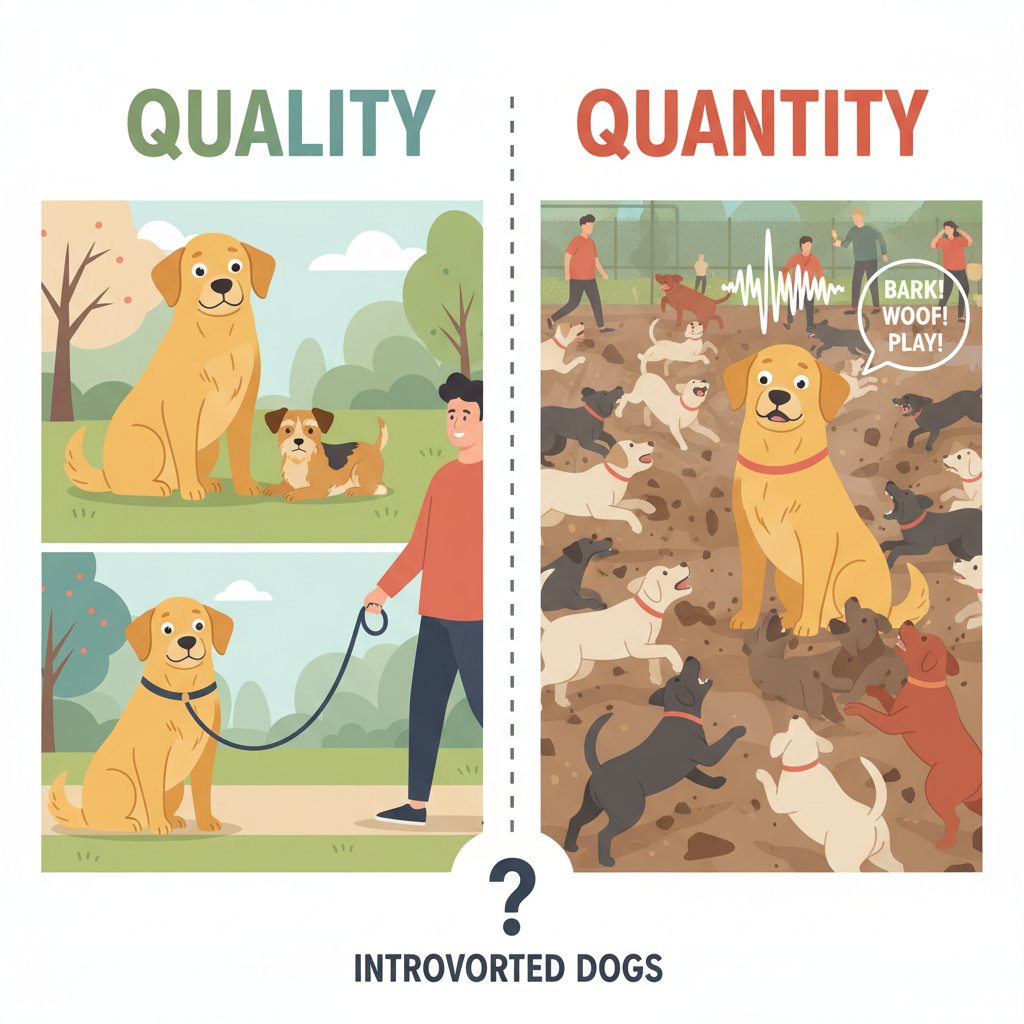
Choose Quality Over Quantity for Social Time
Forget frequent trips to chaotic dog parks or huge social gatherings. Instead, focus on calm, positive interactions. This could look like:
- One-on-one playdates: Set up a playdate with one calm, friendly dog in a place your pup knows well.
- Quiet walks: Explore less crowded trails or parks when fewer people are around.
- Small, familiar groups: If your dog enjoys a few trusted human friends, invite them over for a mellow visit instead of throwing a big bash.
Offer Brain Games
Introverted dogs often love quiet activities that really get their brains working. Think puzzle toys, snuffle mats, or even short training sessions. These are fantastic ways to keep their minds sharp without needing intense social interaction. Plus, they're great for building confidence and giving your pup a sense of achievement.
Exercise in Peaceful Places
Pick exercise routines that fit your dog's love for quiet. Solo walks, nature hikes, or playtime in your own backyard are usually much better choices than noisy dog parks or bustling city streets. Try to go out during off-peak hours to guarantee a truly peaceful experience for your pup.
Be Patient with New Experiences
When you introduce anything new – a new toy, a new place, or a new person – do it slowly and with lots of positive reinforcement. Let your dog watch from a distance, offer them treats and praise for staying calm, and allow them to approach only when they feel truly ready. Never, ever force an interaction.
Get Expert Help if You Need It
If your dog’s introverted behavior seems to come from fear or anxiety, or if they show signs of aggression when overwhelmed, reach out to a certified professional dog trainer or veterinary behaviorist. Our team at Petscarelab always recommends seeking help from these experts. They can help you understand your dog’s unique needs and create a plan to build their confidence and handle any deeper issues.
Understanding and embracing your introverted dog's unique personality isn't just about making them happy; it's about building an even stronger, more trusting bond between you two. With a little care and respect for their quiet nature, you'll ensure your reserved pup lives a truly happy and fulfilling life, exactly on their own terms.