Insulinoma in Dogs: A Guide for Pet Parents
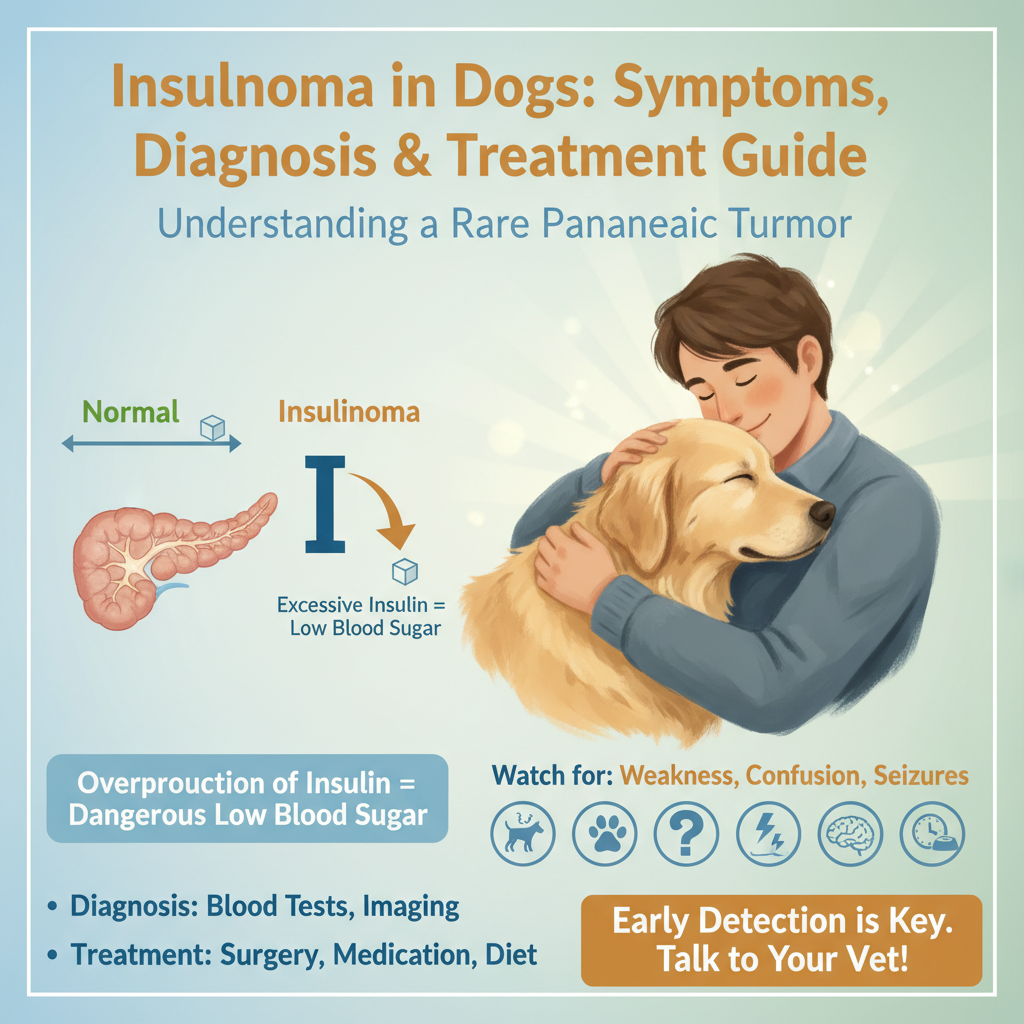
Finding out your furry best friend has a rare illness like insulinoma in dogs can be heartbreaking. This serious type of tumor grows in the pancreas, specifically in the cells that make insulin. Insulin is a powerful hormone that helps control blood sugar. When an insulinoma takes hold, these cells go haywire, pumping out insulin uncontrollably. This floods your dog's system, causing their blood sugar to crash dangerously low—a condition called hypoglycemia. You might see your pup acting wobbly, confused, or even having seizures. These tumors are almost always cancerous and often spread to other parts of the body, like the liver or lymph nodes.
What Exactly Is Insulinoma in Dogs?
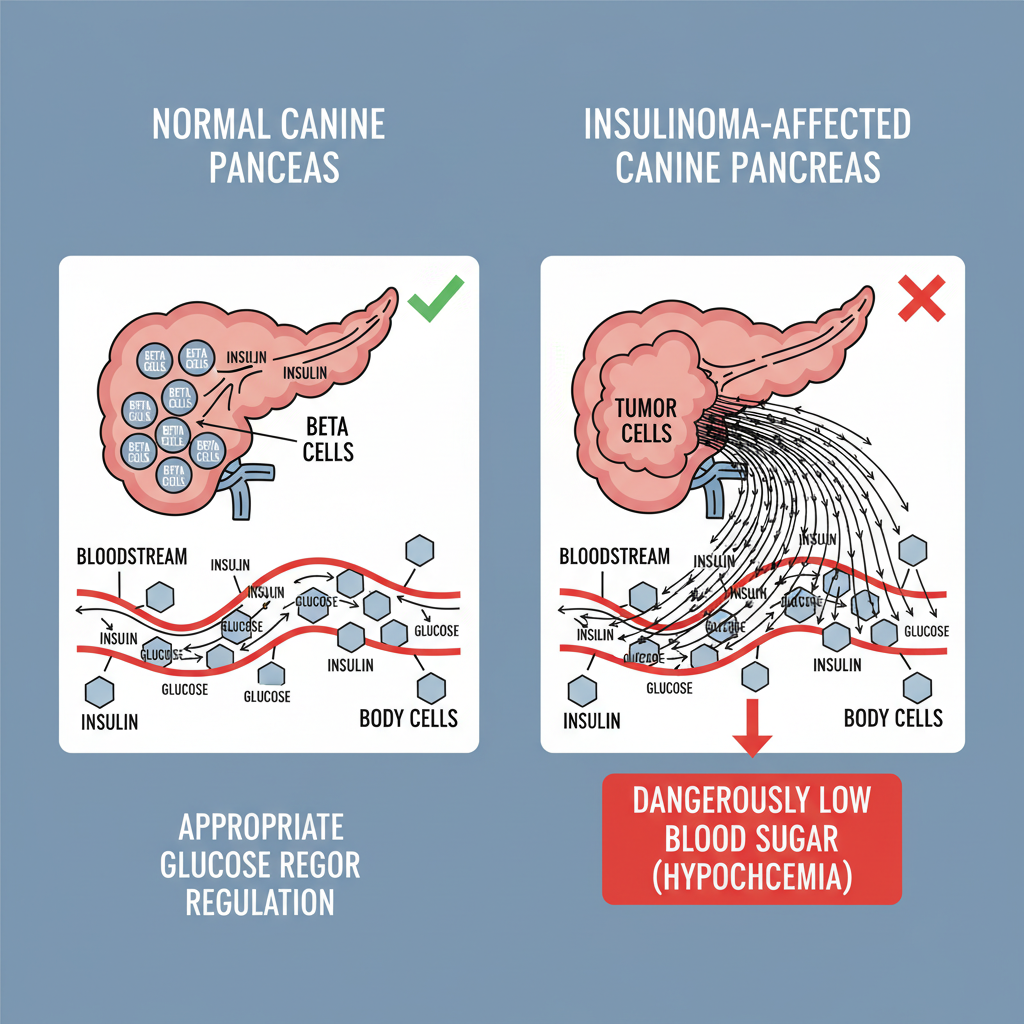
Insulinoma is a sneaky, rare tumor that targets the beta cells in your dog's pancreas. Think of these cells as tiny factories churning out insulin. Insulin's job is to unlock your dog's body cells, letting glucose (sugar) from the blood rush in to be used as fuel. But when an insulinoma is present, these tumor cells just keep producing excessive amounts of insulin, no matter what your dog's body needs. This means too much sugar gets sucked out of the bloodstream, leading to dangerously low blood sugar levels.
When blood sugar drops too low, it can trigger some scary symptoms like weakness, unsteadiness, collapsing, and even seizures. While these tumors aren't common, they're typically very aggressive and almost always malignant. They often spread their tentacles to other organs, especially the liver and lymph nodes. That's why catching and treating them early is so important for giving your dog the best chance.
Symptoms of Insulinoma in Dogs
The signs of insulinoma in dogs usually come from that pesky low blood sugar, and they can range from mild to severe. Your dog might show just a few of these, or many, and they can pop up now and then or get steadily worse.
Here are some common things to watch for:
- Acting weak or tired
- Stumbling or looking uncoordinated
- Shaking or muscle twitching
- Seeming confused or disoriented
- Changes in vision or apparent blindness
- Suddenly collapsing
- Having seizures
- Vomiting
- Unexplained weight loss
- Eating a lot more (their body trying to make up for the low sugar)
If you notice any of these symptoms, particularly if they're getting worse or happening more often, reach out to your veterinarian right away. These signs can point to other serious health issues, so getting a quick diagnosis is key.

What Causes Insulinoma in Dogs?
Honestly, no one knows the exact cause of insulinoma in dogs. Our team hasn't found any links to diet, environmental factors, or toxins. It just seems to be one of those unfortunate things that happens spontaneously.
While any dog can develop an insulinoma, some breeds seem a bit more prone to it. These include:
- Boxers
- German Shepherds
- Standard Poodles
- Fox Terriers
- Irish Setters
Most often, we see insulinoma diagnosed in middle-aged to older dogs, typically when they're between 8 and 12 years old. Sadly, there's no known way to prevent it.
Diagnosing Insulinoma in Your Dog
Pinpointing an insulinoma can be tricky because its symptoms can easily be mistaken for other conditions. Your vet will start with a thorough physical exam, dig into your dog's medical history, and chat with you about the symptoms you've noticed.
To get to the bottom of it, diagnostic tests usually include:
- Blood tests:
- A Complete Blood Count (CBC) and Biochemistry Panel: These give a big picture of your dog's overall health, how their organs are working, and help rule out other illnesses.
- Glucose and Insulin Levels: This is the definitive test. Your vet will measure both blood glucose and insulin levels at the same time, especially when your dog is showing symptoms or has low blood sugar. If it's an insulinoma, your dog's glucose will be abnormally low, while their insulin will be too high (or even just in the "normal" range, which is still inappropriate when glucose is so low). We often look at something called the "glucose-to-insulin ratio."
- Imaging:
- Abdominal Ultrasound: This helps us try to spot the tumor in the pancreas and see if it's spread to the liver or lymph nodes. Keep in mind, though, insulinomas can be tiny and hard to find with an ultrasound.
- CT Scan (Computed Tomography): More sensitive than an ultrasound, CT scans are better at finding small tumors and checking for spread, especially before surgery.
- MRI (Magnetic Resonance Imaging): Another powerful tool that can help detect the tumor and see if it's spread.
- Chest X-rays: We'll use these to check for any spread to the lungs.
- Exploratory Laparotomy: In some cases, if imaging isn't clear but we strongly suspect an insulinoma based on blood tests, a surgeon might go in to visually locate and biopsy the tumor.
Treating Insulinoma in Dogs
Treating insulinoma usually involves a mix of surgery and medication. The best approach depends on how far the disease has progressed and your dog's overall health.
Emergency Treatment for Low Blood Sugar
If your dog is in a crisis from low blood sugar—like collapsing or having seizures—they need immediate help:
- Vets will give intravenous dextrose (a sugar solution) to quickly boost blood glucose.
- If your dog is awake and can't eat, you can rub an oral sugar source, like corn syrup or honey, on their gums at home.
Surgical Removal (Pancreatectomy)
- Surgery is often the top choice if the tumor is contained and hasn't spread too far.
- The goal is to remove the tumor (or as much of it as possible) along with any visible spread, like in lymph nodes.
- The good news: Surgery can bring immediate relief from low blood sugar and extend your dog's life.
- The challenges: Sometimes, the tumor is too small to find, or it might have already spread. There's also a chance the tumor could come back or new ones could form.
Medical Management
We often use medical management alongside surgery, or as the main treatment if surgery isn't an option (due to the tumor spreading, advanced disease, or other health concerns). The main goal is to control blood sugar levels and manage symptoms.
Medications might include:
- Prednisone (a type of steroid): This helps raise blood glucose by encouraging the liver to produce more sugar and reducing how much sugar cells take in.
- Diazoxide: This drug slows down insulin release from the tumor cells and also stimulates glucose production.
- Octreotide: A synthetic hormone that can sometimes block insulin release, though it's often less effective in dogs than in humans.
- Chemotherapy (like Streptozotocin): This can be used for advanced or widespread disease, but it comes with significant side effects and doesn't always work.
Dietary Management
- Small, frequent meals: Feeding your dog often in smaller portions helps keep their blood sugar stable, preventing dramatic dips.
- A diet high in protein and fat, with complex carbohydrates: Steer clear of simple sugars, which can cause blood glucose to spike and then crash.
- A consistent feeding schedule: Sticking to a routine is incredibly important for managing low blood sugar.
Recovery and Living with Insulinoma in Dogs
Recovery and long-term care depend a lot on the treatment approach and how far the disease has progressed.
- After Surgery: Dogs need close monitoring of their blood glucose and might temporarily need insulin or glucose infusions. There's also a risk of pancreatitis after surgery.
- Lifelong Monitoring: Even with successful surgery, you'll need regular follow-up appointments, blood tests (to check glucose and insulin), and imaging (to watch for the tumor coming back or spreading). This is essential.
- Sticking to Medication: If your dog is on medication, it's vital to give it exactly as prescribed and watch for any side effects.
- Dietary Changes: A strict feeding schedule and the right diet are cornerstones of managing this condition.
- Prognosis:
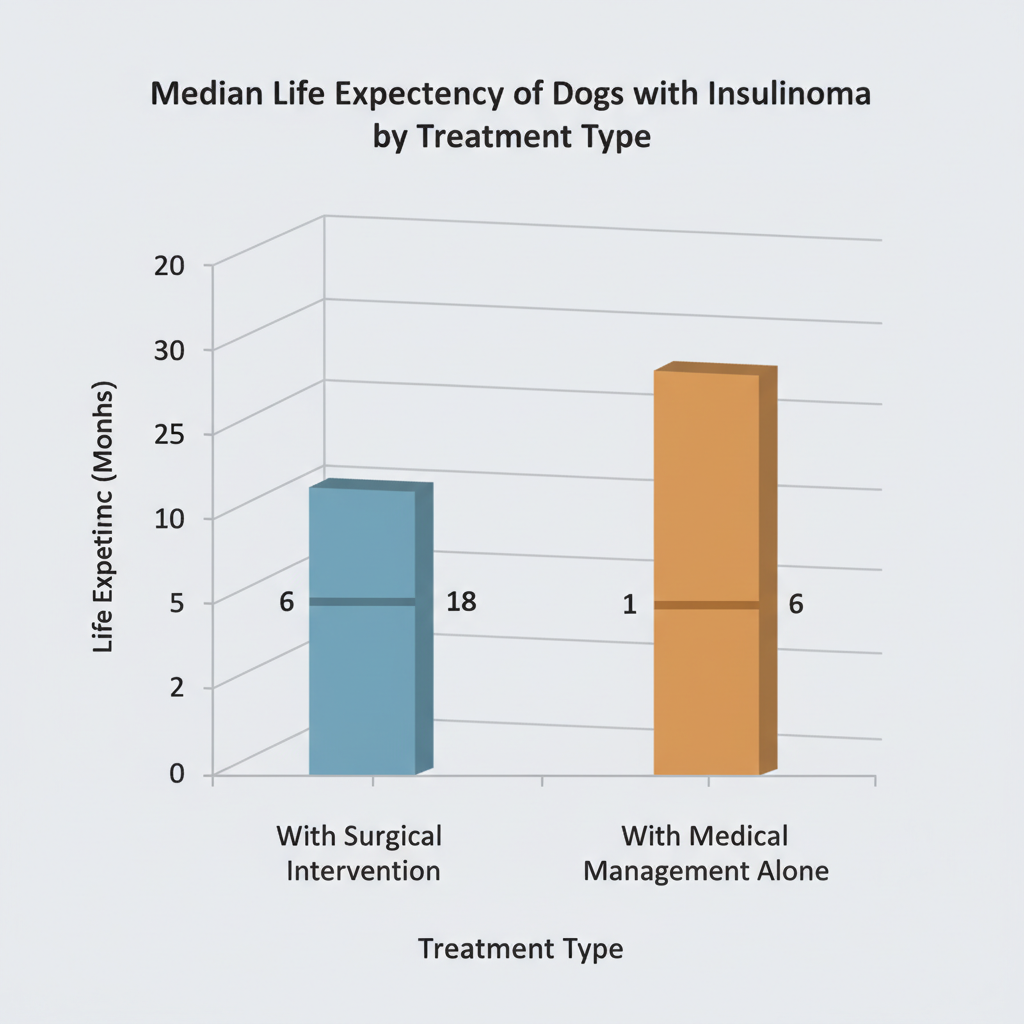
- With surgery, dogs typically live for about 6 to 18 months, though some can live longer.
- With medical management alone, the outlook is generally shorter, usually 1 to 6 months.
- This disease is progressive, meaning it usually gets worse over time. Most dogs eventually pass away from the effects of the tumor or its spread.
Preventing Insulinoma in Dogs
Since we don't know the exact cause of insulinoma, there aren't any specific ways to prevent it. Your best bet is always early detection through regular vet check-ups and paying close attention to any concerning symptoms your dog might show.
What's the typical life expectancy for a dog with insulinoma?
The life expectancy for a dog with insulinoma varies. If the tumor is successfully removed with surgery, dogs typically live for about 6 to 18 months. If the tumor has already spread or if medical management is the only choice, the life expectancy is generally shorter, usually ranging from 1 to 6 months. This disease usually gets worse over time, and the prognosis ultimately depends on how aggressive the tumor is and how well your dog responds to treatment.
Can insulinoma be cured in dogs?
Sadly, insulinoma in dogs is almost always cancerous and tends to spread, so a complete cure is very rare. While surgery can remove the main tumor and offer significant relief from symptoms, it doesn't stop the tumor from coming back or new ones from developing. Our focus in treatment is on managing symptoms, controlling blood sugar, and giving your dog the best possible quality of life.
What kind of food should dogs with insulinoma eat?
Dogs with insulinoma should eat frequent, small meals that are high in protein, moderate in fat, and contain complex carbohydrates. You'll want to avoid foods with simple sugars or a high glycemic index, as these can cause fast ups and downs in blood sugar. A consistent feeding schedule is absolutely crucial. Your veterinarian can help you create a specific diet plan that's just right for your dog.
How much pain does insulinoma cause in dogs?
The insulinoma tumor itself might not be directly painful, but the low blood sugar it causes can lead to significant discomfort and distress. Symptoms like weakness, disorientation, trembling, and seizures are very upsetting for a dog. If the tumor spreads to other organs, those secondary tumors could cause pain. For dogs with insulinoma, the main source of suffering usually comes from the neurological and systemic effects of critically low blood sugar.