
Finally Stop Your Dog From Chewing and Scratching Everything
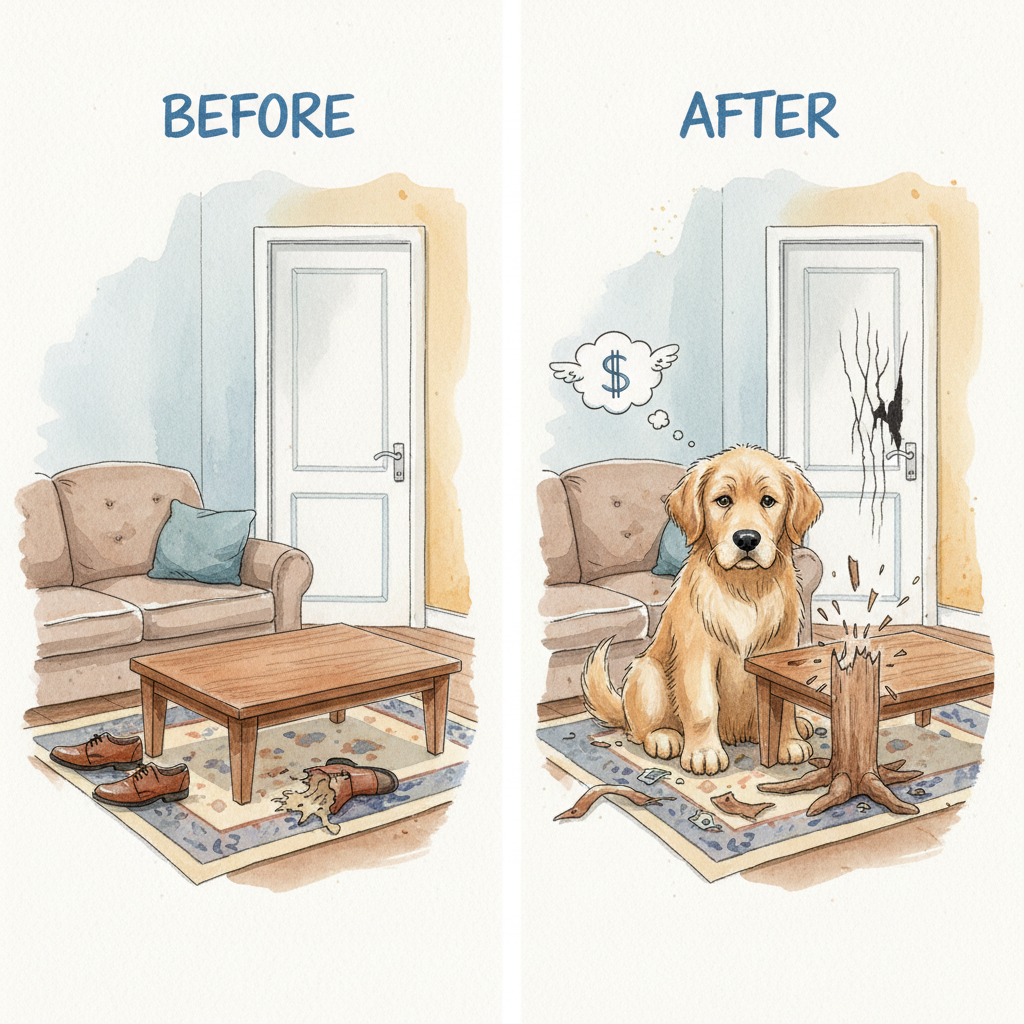
Few things are as frustrating for pet parents as coming home to chewed-up shoes, gnawed-on furniture, or scratched doors and floors. This destructive chewing and scratching isn't just annoying; it can be dangerous for your pup and costly for you. But don't worry – you can stop dog chewing scratching behaviors with the right approach and a bit of patience.
Let's dive into why dogs resort to these habits and the best ways to guide them toward more appropriate behaviors.
Why Do Dogs Chew and Scratch So Much?
Dogs chew and scratch for many reasons. Pinpointing the root cause of the behavior is the first step to finding a lasting solution.

Puppy Antics
Chewing and scratching are completely normal for puppies. Think of their mouths as their hands – they explore the world by tasting and mouthing everything. Chewing also helps them soothe those achy gums during teething. Plus, it's a fun way for puppies to play and burn off some energy.
Plain Old Boredom
Dogs need stimulation, both physical and mental. If your pup isn't getting enough exercise or exciting things to do, boredom can quickly set in. A bored dog will often invent their own entertainment, which frequently involves destructive chewing and scratching. This is especially true for high-energy breeds that thrive on activity.
Separation Anxiety
A dog struggling with separation anxiety might chew or scratch excessively when left alone. This isn't just naughty behavior; it's often a sign of deep distress. You might notice other signs too, like pacing, whining, barking, accidents inside, or drooling. These destructive habits can be a desperate attempt to relieve stress or even an effort to escape the feeling of being abandoned.
Stress and Fear
Just like us, dogs can get stressed or scared. Loud noises like fireworks or thunderstorms, changes to their daily routine, or a new environment can make a dog anxious. They might cope by chewing or scratching as a way to self-soothe. Fear can also trigger these behaviors, especially if your dog feels trapped or very anxious.
"Look at Me!" Behavior
Some dogs figure out that chewing or scratching inappropriate items instantly gets your attention – even if it's negative attention. If you rush over to scold your dog every time they mouth a forbidden object, they might learn that this is a reliable way to get you to interact with them.
Hunger or Missing Nutrients
While not as common, some dogs might chew or scratch because they're hungry or not getting all the nutrients they need. If their diet isn't quite right, they might try to "supplement" it by chewing on things that aren't food. If you suspect this, talk to your vet before making any big changes to your dog's diet.
A Hidden Medical Problem
Sometimes, excessive chewing or scratching signals an underlying medical condition. Dental pain, tummy troubles, or even neurological issues can cause discomfort or changes in behavior that lead to destructive habits. If you have any concerns that a medical issue is at play, it's crucial to consult your vet.
How to Stop Your Dog's Destructive Chewing and Scratching
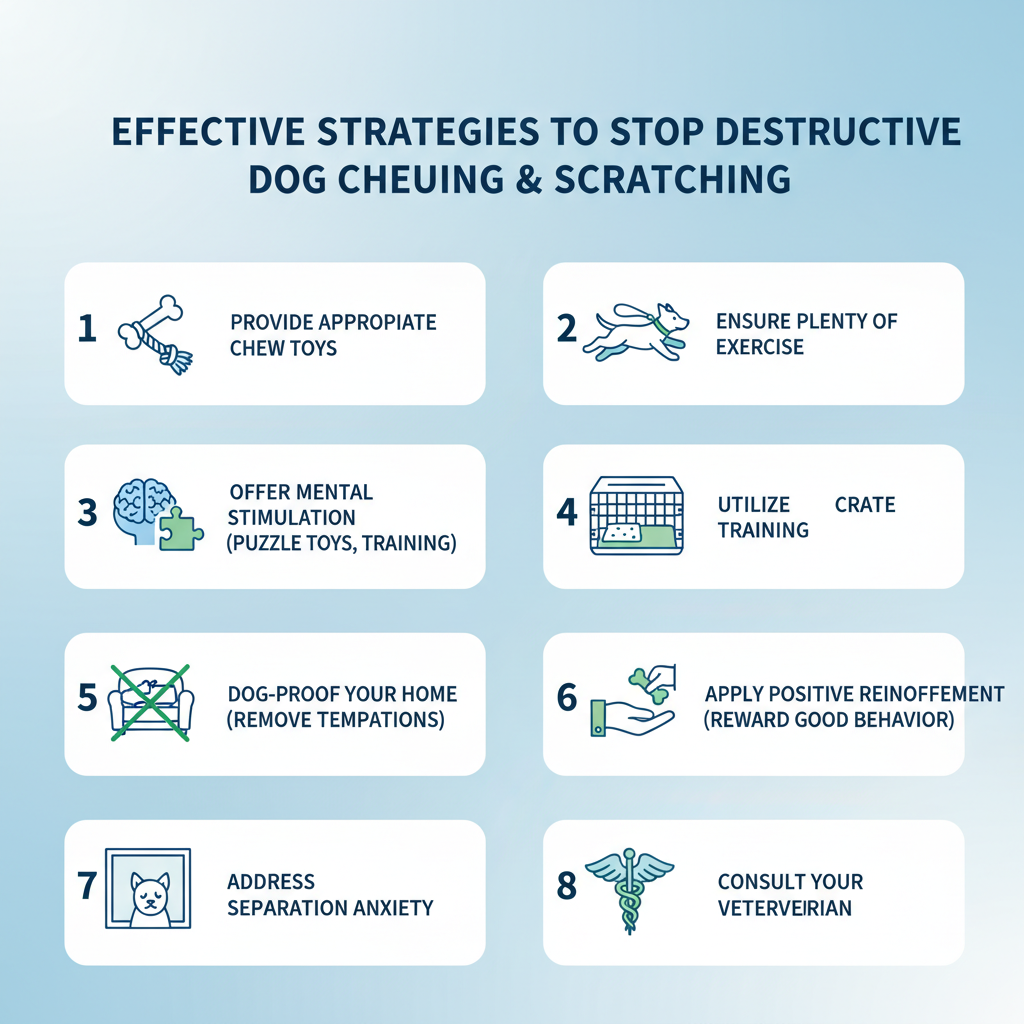
Putting a stop to destructive chewing and scratching calls for a mix of management, smart training, and getting to the bottom of why your dog is doing it. Here are some of our team's most effective strategies.
Stock Up on Awesome Chew Toys
Always make sure your dog has a fantastic array of appropriate chew toys. Offer different textures and types to keep them guessing and engaged. Variety is the spice of life, even for dog toys!
Great choices include:
- Tough rubber toys (like a classic Kong)
- Durable nylon chews
- Sturdy rope toys
- Mind-bending puzzle toys
- Tasty dental chews
Swap out toys regularly to keep things fresh and prevent boredom. Always pick toys that are the right size and strength for your dog's chewing style to prevent any choking hazards.
Give Your Dog Plenty of Exercise
A tired dog is a happy dog, and usually, a well-behaved one! Make sure your dog gets enough physical exercise every single day. The right amount depends on their breed, age, and natural energy level.
This could mean:
- Daily brisk walks
- Energetic runs
- Fun playtime in the yard
- Exciting visits to a dog park
If you have a high-energy breed, they might need more intense activities like fetch, agility training, or a good swim.
Boost Their Brainpower with Mental Stimulation
Physical exercise is great, but it's often not enough on its own. Dogs also need mental challenges to ward off boredom.
Ways to mentally stimulate your dog:
- Puzzle toys: These ingenious toys dispense treats as your dog figures them out, giving their brain a workout.
- Training sessions: Even quick, daily training sessions are fantastic mental exercise. Try teaching new tricks or refining old ones.
- Scent games: Hide tasty treats around the house and let your dog use their incredible nose to sniff them out.
- New experiences: Introduce your dog to new places, sights, and smells on walks to keep things interesting.
Try Crate Training
Crate training can be a lifesaver for managing destructive chewing and scratching, especially for puppies or dogs with separation anxiety. A crate offers a safe, cozy den where your dog can relax without getting into trouble when you can't supervise them.
Make sure the crate is:
- Just the right size: Your dog should be able to stand up, turn around, and lie down comfortably.
- Cozy: Fill it with soft bedding and a favorite toy.
- A positive space: Never, ever use the crate as a punishment. It should be their happy place.
Help your dog get used to the crate slowly, always using positive reinforcement like treats and praise.
Dog-Proof Your Home Like a Pro
While you're working on training, it's absolutely vital to dog-proof your home. This prevents accidents and helps stop dog chewing scratching behaviors before they start.
Here’s what to do:
- Stash tempting items: Put shoes, clothes, books, and remote controls far out of reach.
- Secure cabinets: Use childproof latches on any cabinets holding cleaning supplies or other dangerous items.
- Cover electrical cords: Use cord protectors or tuck cords away so they're not a chew hazard.
- Move plants: Keep houseplants up high or in rooms your dog can't access, as many can be toxic.
- Use deterrents: Apply bitter-tasting sprays (like Grannick's Bitter Apple) to furniture or other items your dog loves to chew. Always do a tiny spot test first to make sure it won’t damage the surface.
Harness the Power of Positive Reinforcement
Positive reinforcement is your secret weapon for teaching your dog what you *do* want them to do.
- Reward good behavior: When your dog happily chews on an appropriate toy, praise them enthusiastically and give them a small treat. They'll quickly connect the dots.
- Redirect, don't just punish: If you catch your dog chewing something they shouldn't, calmly interrupt them and gently redirect them to an approved chew toy. The moment they take the toy, praise them!
- Forget after-the-fact punishment: Punishing your dog minutes or hours after they've chewed something just doesn't work. Dogs don't connect the punishment to an action they performed earlier, and it can actually create fear or anxiety, making things worse.
Tackle Separation Anxiety Head-On
If separation anxiety is fueling your dog's destructive habits, you'll need a comprehensive approach:
- Gradual goodbyes: Start by leaving your dog alone for super short periods, then slowly increase the time.
- Create a zen zone: Leave a radio or TV on, or try calming pheromone diffusers to help them feel more relaxed.
- Offer engaging distractions: Give them a stuffed Kong or a puzzle toy to keep them happily occupied while you're out.
- Get professional help: For severe cases, a certified professional dog trainer or a veterinary behaviorist can create a tailored plan. They can also discuss medication options if necessary.
Talk to Your Veterinarian
If you've tried all these strategies and your dog's destructive chewing or scratching just won't let up, or if you suspect a medical problem, it's time to talk to your veterinarian.
Your vet can:
- Rule out medical issues: They can do a thorough physical exam and recommend tests to check for dental problems, nutritional deficiencies, or other health concerns.
- Offer expert guidance: They can give you specific advice on behavior modification techniques or refer you to a veterinary behaviorist or certified professional dog trainer.
- Discuss medication: In some situations, medication might be an option to help manage anxiety or other behavioral issues, always used in conjunction with behavior modification.
When to Make That Vet Appointment
It's always a smart move to consult your vet if your dog suddenly starts destructive chewing or scratching, especially if it's new behavior or comes with other worrying symptoms.
Head to the vet right away if:
- Your dog seems to be in pain.
- The chewing or scratching is accompanied by lethargy, loss of appetite, vomiting, or diarrhea.
- You think your dog might have swallowed something that could cause a blockage or be toxic.
- The destructive behavior is severe or causing harm to your dog or your home.
By truly understanding why your dog chews and scratches and consistently using these training and management strategies, you can help them develop more appropriate behaviors. This means a happier, safer life for your furry friend and a much less chewed-up home for you!