
How to Stop Your Dog's Barking
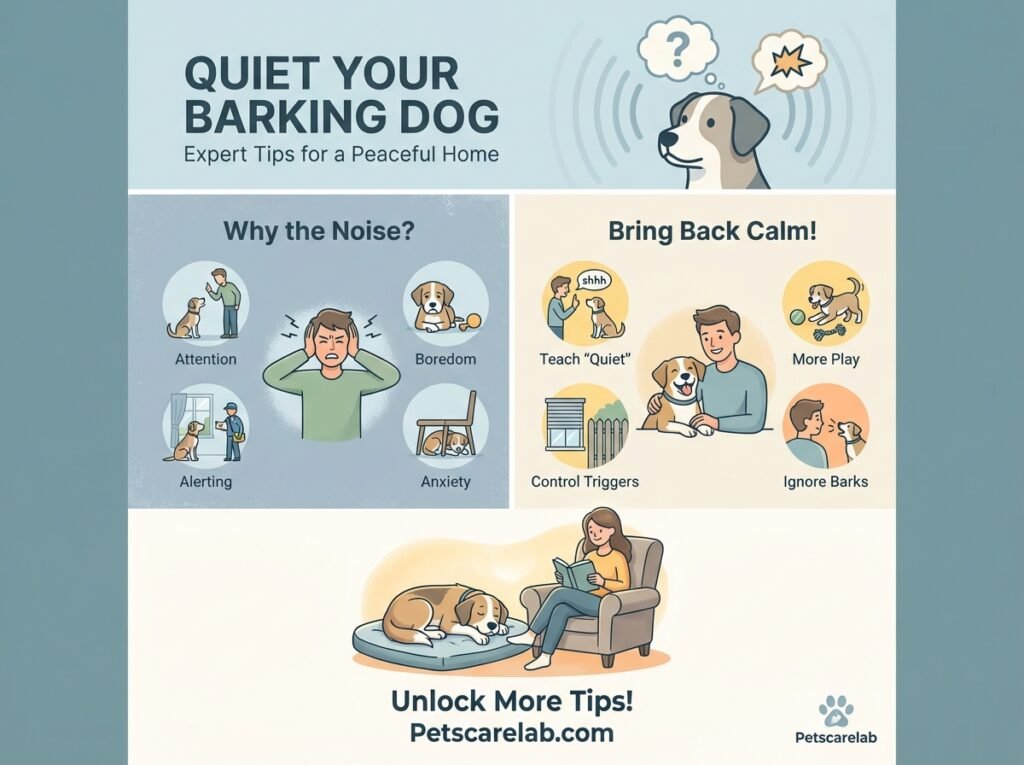
Let's face it: while barking is just part of being a dog, a pup who barks all the time can turn your peaceful home into a noisy headache. It's frustrating, disruptive, and can even strain relationships with neighbors. But don't worry—you absolutely can learn how to stop dog barking that's gone overboard. We're here to help you bring peace back to your home, one quiet command at a time.
What's Behind All That Barking?
Every dog barks; it's how they "talk" to us and the world around them. Your pup might be saying hello, warning you about the squirrel on the fence, or simply bubbling over with excitement. Some breeds, like those energetic working dogs or tiny lap companions, are naturally more vocal than others.
But when the barking becomes constant, it usually signals something deeper. Your furry friend might be telling you they're bored, feeling lonely, or even anxious. Sometimes, they're just trying to get your attention for a treat, a walk, or a good game of fetch.
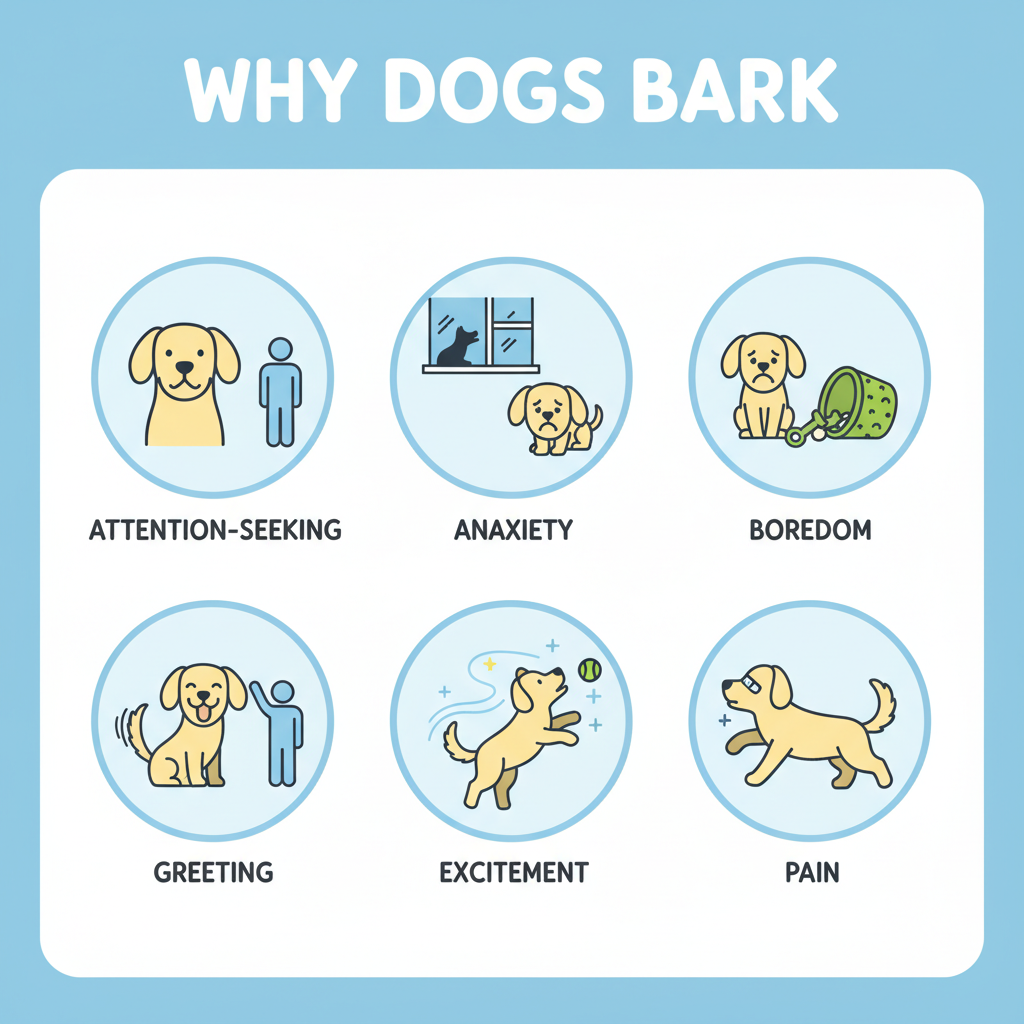
Common Reasons for Dog Barking:
Here are the common messages your dog might be trying to send with their barks:
- "Hey, look at me!" (Seeking attention)
- "Danger! Or maybe just the mail carrier!" (Alerting you)
- "I'm feeling stressed or worried." (Anxiety)
- "I've got nothing to do!" (Boredom)
- "Hi there!" (Greeting)
- "Woohoo!" (Excitement)
- "Ouch, something hurts." (Pain or injury)
How to Stop Dog Barking: Our Best Tips
Remember, barking is natural for dogs, so you won't silence them completely. But with a little patience and consistency, you can definitely train your dog to bark less.
Here are a few tips our team at Petscarelab recommends to help quiet your noisy companion:
1. Remove What's Making Them Bark
Before you can quiet your dog, you need to understand why they're barking. For example, if your dog barks furiously at the mail carrier, their goal might be to "chase" them away. Since the mail carrier leaves every day, your dog learns that their barking works!
To break this pattern, try to block their view of the trigger. You could put up a privacy screen on your window or bring your dog inside when the mail carrier comes. Interrupting that "reward" cycle is key.
2. Ignore Barks for Attention
If your dog barks just to get your attention, you've got to ignore them completely. Even yelling at them or pushing them away can reinforce the behavior because they're still getting a reaction from you.
The best approach for attention-seeking barks is to become a statue. Completely ignore your dog until they stop barking. The moment they're quiet, even for a second, reward them with a treat, some praise, or a loving pat. Over time, your dog will connect being quiet with getting what they want.
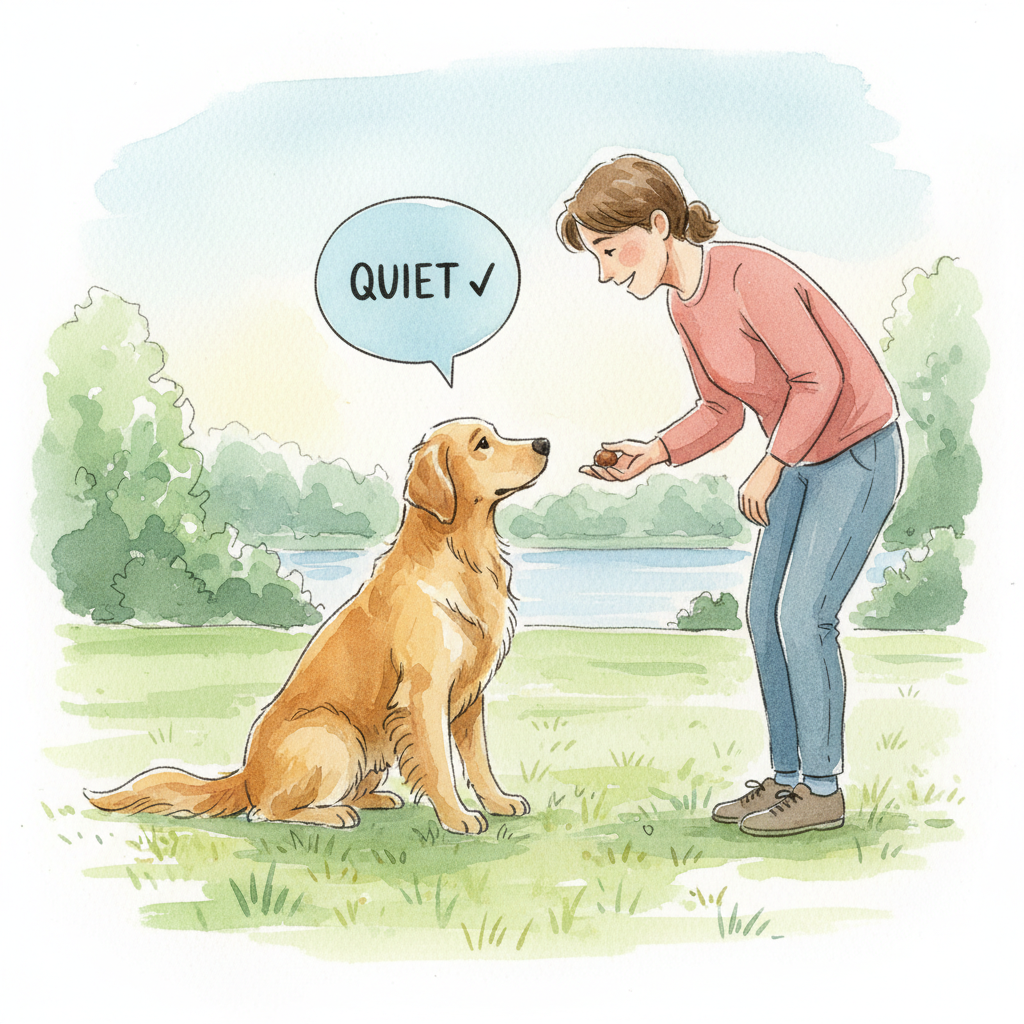
3. Teach the "Quiet" Command
The "quiet" command is a fantastic tool to get your dog to stop barking on cue. Here's how to teach it:
- When your dog starts barking, say "quiet" in a calm, firm voice.
- Wait for them to stop. The instant they're silent, even for a moment, reward them with a treat and praise.
- Keep repeating this. Your dog will soon learn that "quiet" means "stop barking now."
Start practicing in a peaceful spot, then slowly introduce more distractions. With consistent practice, your dog will learn to quiet down on command, no matter the situation.
4. Provide Plenty of Playtime and Brain Games
Boredom is a huge reason dogs bark. If your pup doesn't have enough to do, they might bark out of sheer frustration or a need for stimulation.
To prevent boredom barking, make sure your dog gets plenty of physical exercise and mental challenges. This could include:
- Daily walks, runs, or trips to the dog park
- Energetic games like fetch or tug-of-war
- Puzzle feeders or interactive toys that make them "work" for treats
- Regular training sessions that get their brains thinking
- Social time at doggy daycare
- Long-lasting chew toys to keep them occupied
5. Control Their Environment
If your dog barks at things outside your home, try to limit their exposure to those triggers. You can:
- Close blinds or curtains on tempting windows.
- Install a privacy screen on your fence to block views of passersby.
- Move your dog to a different room if you know a trigger is about to appear.
You can also use a white noise machine or turn on the radio to help muffle distracting outside noises.
6. Consider Anti-Barking Devices (With Caution)
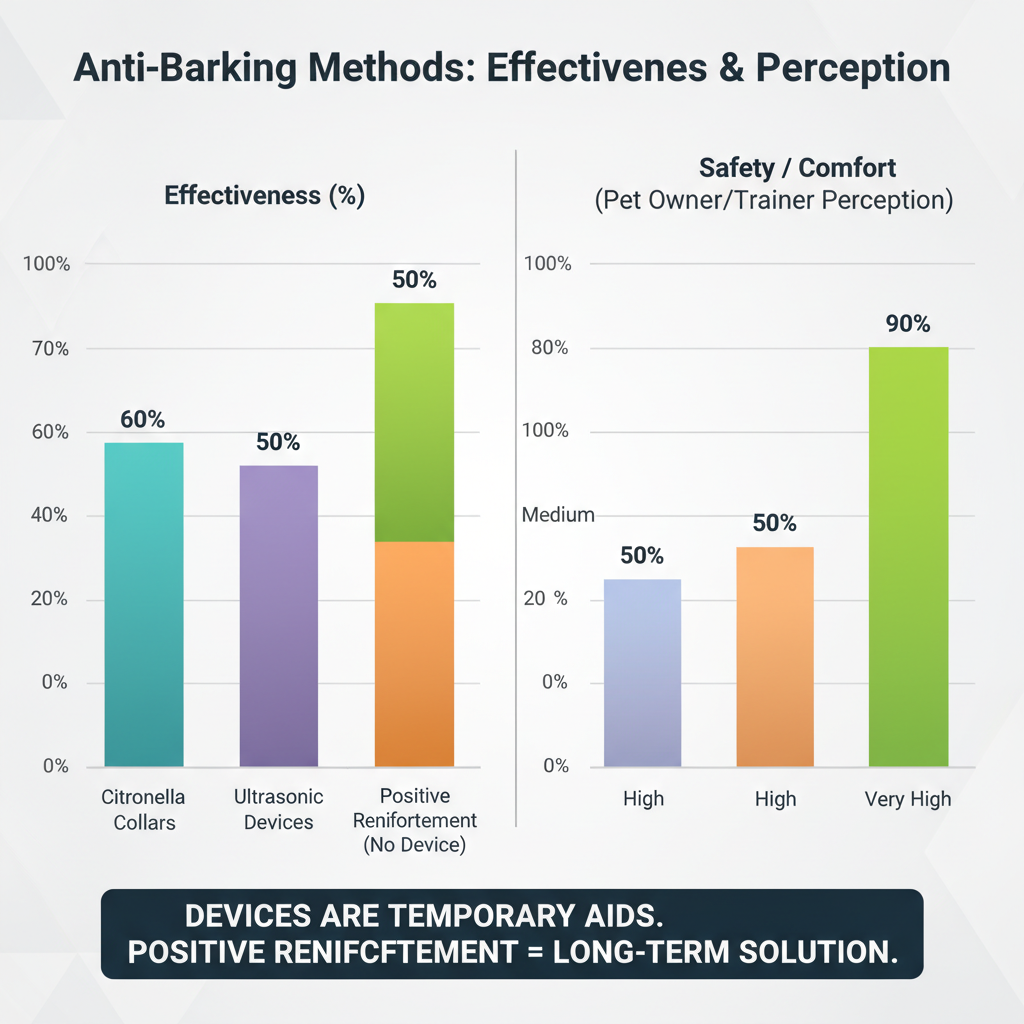
While training is always the best solution, some anti-barking devices can offer temporary help in curbing excessive barking. A few options include:
- Citronella collars: These collars release a puff of citronella when your dog barks. The scent is unpleasant to dogs but completely harmless.
- Ultrasonic devices: These gadgets emit a high-pitched sound only dogs can hear. It's startling but not painful.
- Vibration collars: These collars deliver a gentle vibration when your dog barks.
Remember, these devices aren't a shortcut for training. They should only be used as a short-term aid to help you manage your dog's barking while you focus on long-term training methods.
If you're unsure which device is right for your dog, or if their barking is severe, it's always best to chat with our team at Petscarelab or a veterinary specialist. They can help you figure out the best approach for your unique situation.
When to Call Your Vet About Barking
If your dog's barking starts suddenly, becomes excessive, or comes with other changes in their behavior, it's a good idea to talk to your vet.
Your vet can check for any hidden medical issues that might be causing the barking, such as pain, anxiety, or age-related cognitive changes. They can also point you toward a professional dog trainer or a veterinary behaviorist who can help you tackle the problem effectively.