
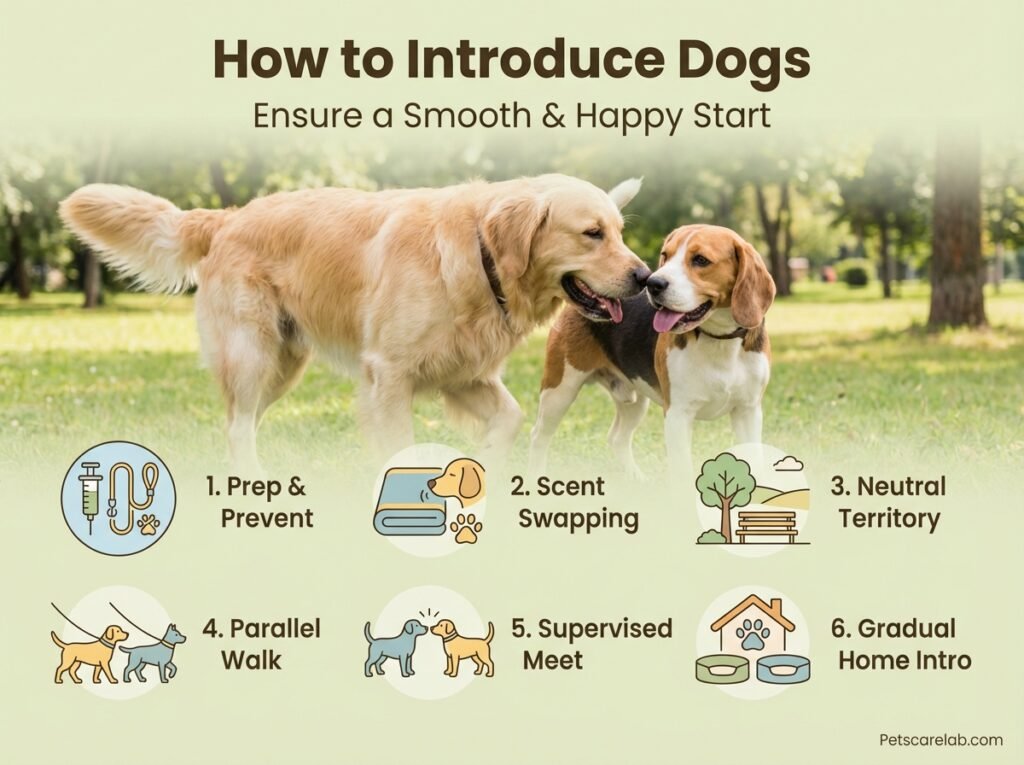
How to Introduce Dogs
Bringing a new dog into your home? It’s incredibly exciting! But if you’ve already got a furry friend, knowing how to introduce dogs properly is key to a happy home. A little planning now can save a lot of headaches – and heartaches – later, setting everyone up for a smooth, harmonious life together.
Meeting Dogs for the First Time
Whether you’re bringing home a new rescue, fostering a temporary guest, or just setting up a playdate, the first meeting between two dogs needs a gentle, controlled approach. You can’t just open the door and cross your fingers – that’s a recipe for stress, not friendship.
This careful approach is extra important with adult dogs. Puppies often bounce back quickly, making friends with everyone. But older dogs come with their own unique personalities, past experiences, and opinions, which can definitely shape how they greet a new pal.
6 Steps for Introducing Dogs
Every dog is an individual, of course. Some pups are naturally more social butterflies, while others are a bit more reserved. Still, these steps offer a solid plan for making those first introductions go as smoothly as possible.
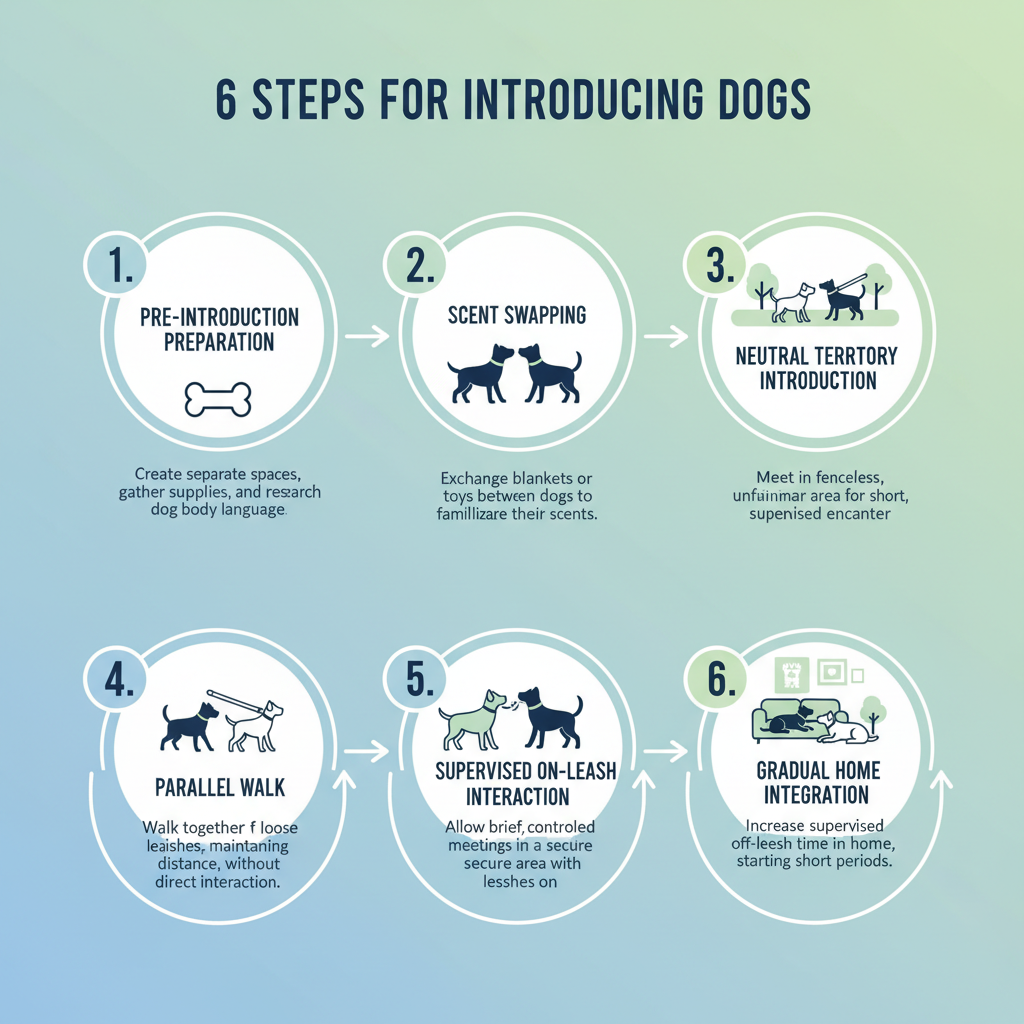
1. Pre-Introduction Preparation
Before anyone sniffs a nose, take some time to set the stage. Make sure your current dog is completely up-to-date on all their shots and parasite prevention. If they haven’t been spayed or neutered, our team at Petscarelab often recommends considering it, as intact dogs sometimes have a tougher time getting along.
It also helps a lot to learn everything you can about the new dog. What’s their story? Are they super playful or a bit shy? Do they have any funny quirks you should know about? If you’re adopting, the shelter or rescue group will have a treasure trove of information.
And here’s a pro tip: stock up on separate food and water bowls, comfy beds, and favorite toys for each dog. This simple step can prevent jealousy and resource guarding right from the start.
2. Scent Swapping
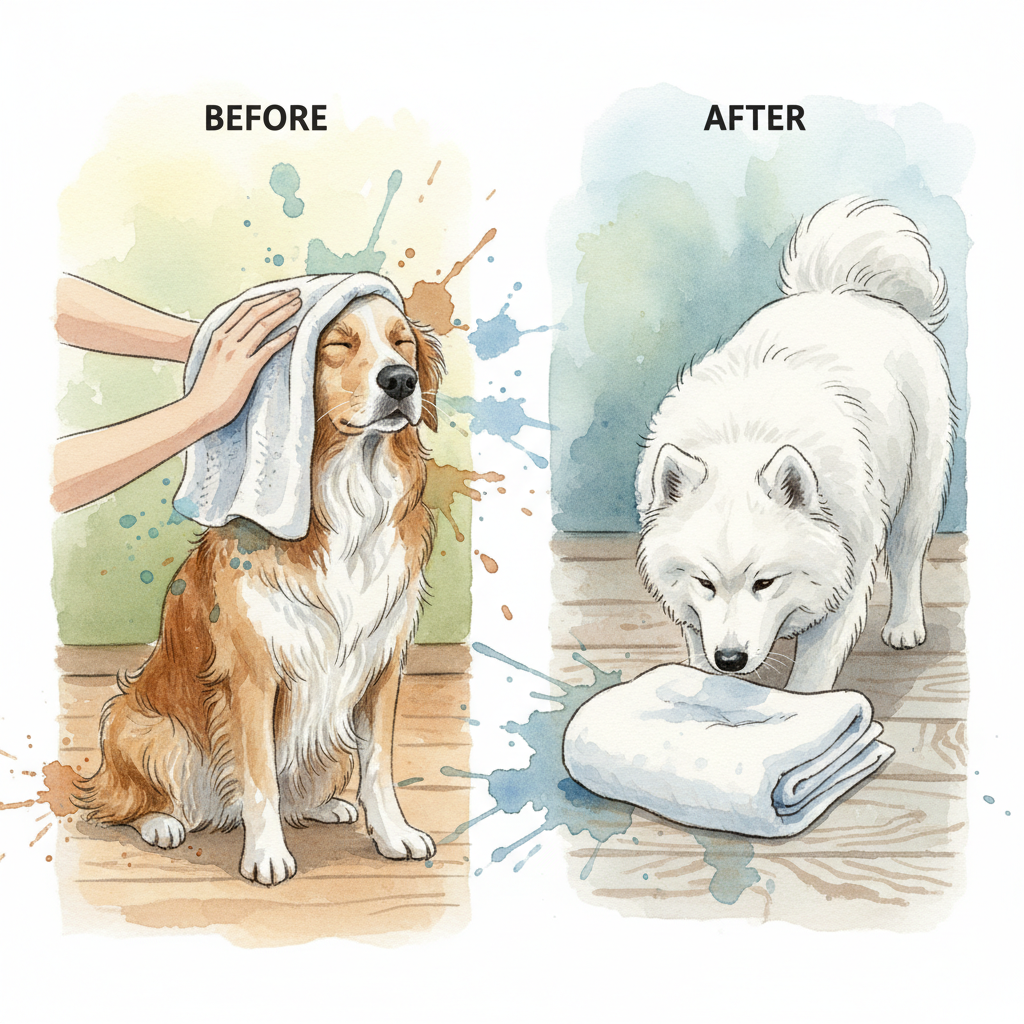
Before your dogs even catch a glimpse of each other, let them play a little 'smell-and-tell.' Gently rub a cloth or towel on each dog, then let the other pup sniff it. This low-pressure sniff-fest lets them learn each other’s unique scent without any face-to-face stress.
3. Neutral Territory Introduction
When it’s finally time for that first in-person meeting, choose neutral ground. Think of it like a first date in a public place – everyone feels a little less territorial and less likely to get defensive.
A quiet local park, a friend’s securely fenced yard, or even a wide-open, empty parking lot can be perfect. Definitely steer clear of your own home or yard for this initial encounter. Make sure each dog is on a leash, with a separate person holding them, and give them ample space to breathe and observe.
4. Parallel Walk
Once you’re on neutral ground, kick things off with a parallel walk. Picture this: you and your pup walk in the same direction, while your friend and the new dog walk alongside, keeping a respectful distance. This way, they can sense each other’s presence without the pressure of an immediate greeting.
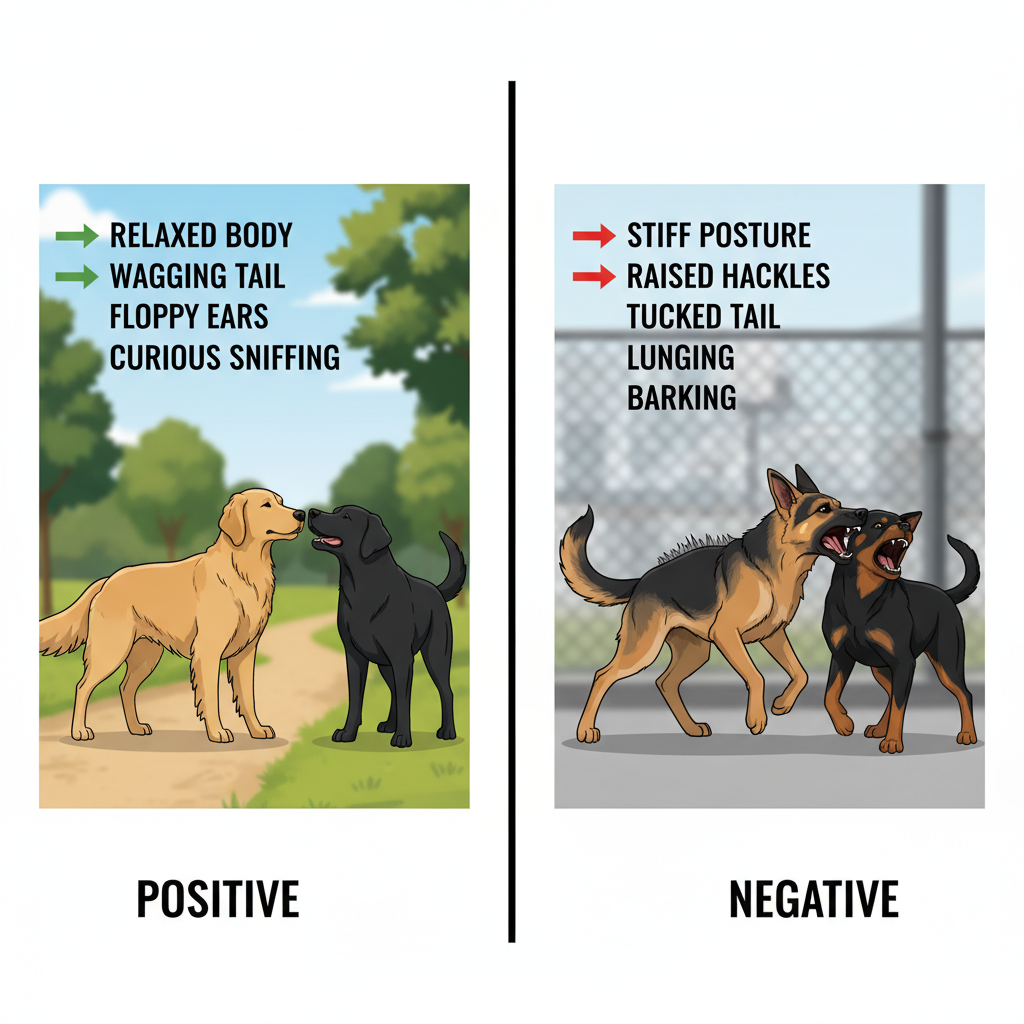
As they seem more at ease, you can slowly, slowly, bring them a little closer. Watch their body language like a hawk:
- Happy signals: A loose, wiggly body, a relaxed wagging tail, floppy ears, or a curious sniff at the ground.
- Warning signs: A stiff, frozen posture, raised fur along the back (hackles), a tail tucked tight, a low growl, lunging, or barking that just won’t quit.
If you spot any of those warning signs, immediately put more space between them or call for a time-out. No need to rush!
5. Supervised On-Leash Interaction
When both dogs are cruising comfortably on those parallel walks, it's time for a quick, supervised on-leash meet-and-greet. Keep those leashes slack – tight leashes can signal tension to dogs – and let them approach and sniff each other naturally. Make it quick, keep it positive, and end it before anyone gets overwhelmed.
Never force a greeting, and tell people to avoid staring, as direct eye contact can feel like a challenge to a dog. Stick to a standard leash and collar or harness; retractable leashes offer less control and can be risky.
6. Gradual Home Integration
Once those neutral territory meetings have gone well, you can finally bring your new dog home! Start by giving each dog their own safe space, maybe using baby gates or crates to create clear boundaries in different parts of the house.
Here’s how to gradually bring them together:
- Let them hang out in shared spaces only when you’re right there to supervise every moment.
- Always feed them in separate rooms to avoid any arguments over dinner.
- Make sure each dog has their own cozy sleeping spot.
- Keep up those scent swaps or enjoy some calm parallel walks in your own backyard.
As they show more signs of comfort and positive interaction, you can slowly increase the amount of time they spend together under your watchful eye.
Things to Keep in Mind When Introducing Dogs
Remember, every dog is truly unique. Some might become best friends on day one, while others need weeks, months, or even a year or more to fully accept a new housemate. Think of it like a slow-cooker friendship, not instant noodles!
Patience is your superpower here. Watch their body language closely and let them set the pace. Trying to rush things almost always backfires, creating stress and bad feelings that are tough to undo.
- Always Supervise: Keep a close eye on all interactions, especially in those early days. Even after they seem like best buddies, a minor tiff can pop up now and then.
- Praise the Good: When your dogs are calm and getting along, shower them with treats and praise! This helps them build happy, positive feelings about each other.
- Keep Resources Separate: Don't forget those separate food bowls, water bowls, comfy beds, and favorite toys. This simple step keeps resource guarding from becoming an issue.
- Don't Be Afraid to Ask for Help: If you're struggling with big challenges or see any signs of aggression, don't hesitate to reach out to a professional dog trainer or a veterinary behaviorist. Our team at Petscarelab knows how invaluable their personalized support and guidance can be.