How to Get Dog Pee Out of Carpet, Floors, and Couches
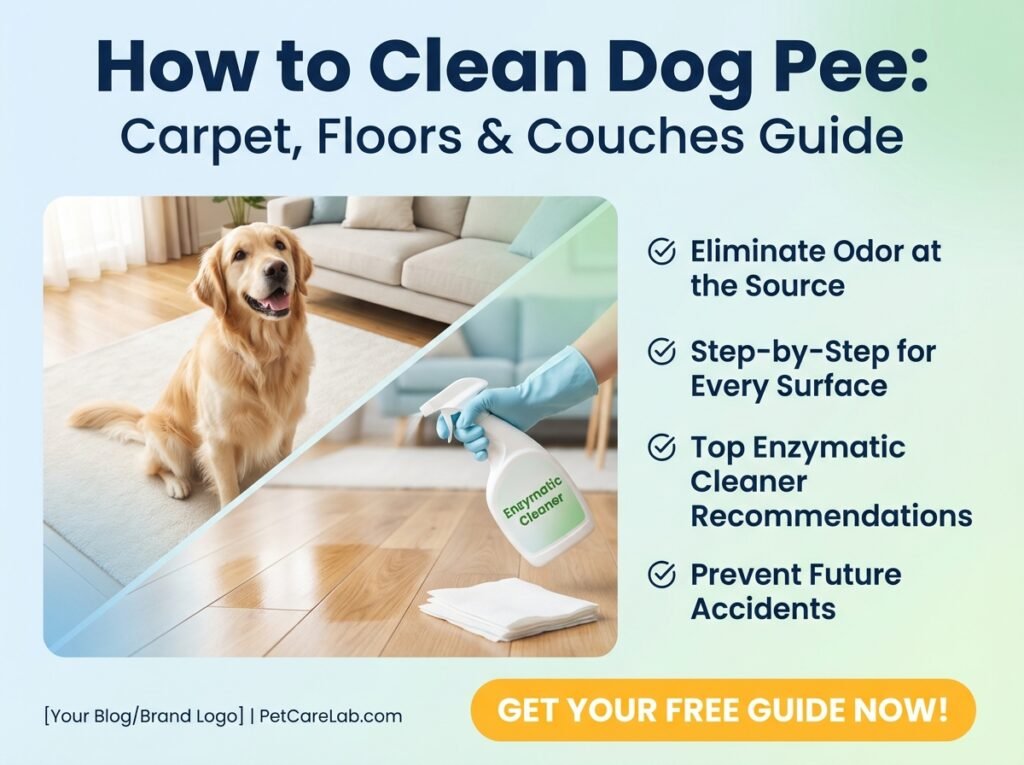
Anyone who shares their home with a dog knows that dreaded feeling: you walk into a room and spot a fresh puddle of dog pee on your carpet, floor, or favorite couch. It happens, whether it’s a playful pup still learning the ropes, an older dog struggling to hold it, or a sick friend facing incontinence. The trick isn't just wiping it up; it's knowing how to clean dog pee properly to keep your home smelling fresh and clean.
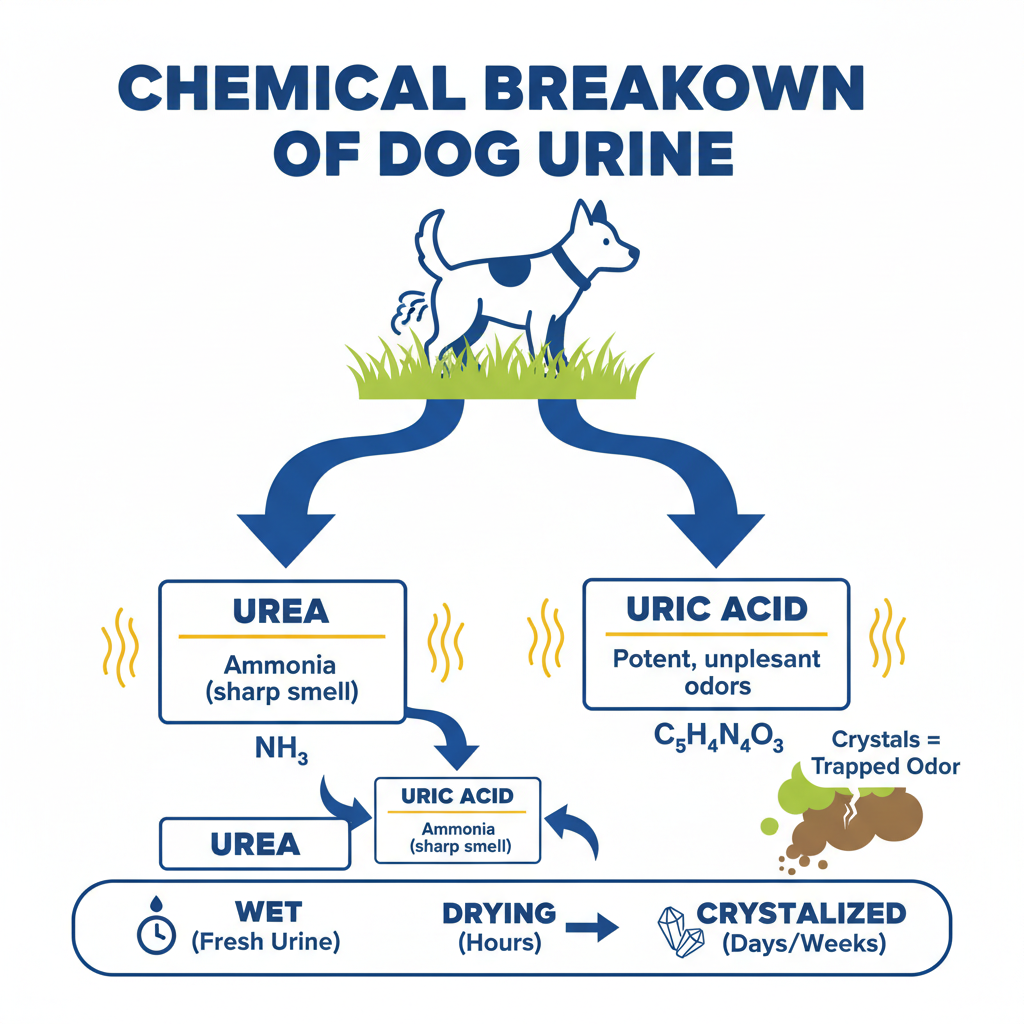
Cleaning up dog pee isn't just about making the stain disappear; it’s about getting rid of the smell. Dog urine contains some tricky compounds. When it dries, the urea in the pee breaks down, releasing that sharp ammonia smell. Then, the uric acid starts to decompose, creating those really potent, unpleasant odors we all recognize as old urine. If you don't neutralize that smell completely, your dog might think that spot is still fair game for future accidents.
Let's dive into the best ways to tackle those pee spots on different surfaces around your home.
Cleaning Dog Pee Out of Carpets and Rugs
Getting dog urine out of carpets and rugs takes a few steps. The faster you act, the better your chances, as fresh pee is much easier to remove than dried-in stains.
What you’ll need:
- Plenty of paper towels or thick old towels
- Gloves (a good idea to protect your hands)
- An enzymatic cleaner (make sure it's specifically for pet urine)
- White vinegar (optional, but helpful for tough odors)
- Baking soda (optional, another odor-fighting helper)
- A vacuum cleaner
Here's how to clean it up, step by step:
- Blot up the wetness: Grab a stack of paper towels or a clean, thick towel. Place it right over the wet spot and press down firmly to soak up as much urine as you can. Keep swapping out for fresh towels and pressing until no more liquid transfers. Whatever you do, don't rub! Rubbing can spread the mess and push the pee deeper into your carpet fibers.
- Rinse (optional): For fresh stains, you can gently pour a small amount of cool, clean water over the area. Then, blot it up again. This helps dilute the urine before you put on your cleaner.
- Apply an enzymatic cleaner: Once you’ve blotted the area mostly dry, spray or pour an enzymatic cleaner onto the stain. Make sure it soaks down into the carpet fibers as deeply as the urine did. Enzymatic cleaners contain special bacteria or enzymes that break down the uric acid crystals, stopping the odor right where it starts. Always follow the product’s instructions for how much to use and how long to let it sit.
- Let it air dry: Leave the cleaner on for the time suggested by the product, then blot any extra liquid. Let the area dry completely on its own. This might take several hours, or even a full day. Avoid using heat, as it can actually set the stain and the odor.
- Vacuum: Once the area is bone dry, vacuum it to remove any residue and make your carpet look normal again.
Dealing with stubborn smells or old stains:
If that tell-tale smell still lingers, or if you're tackling an old, dried stain, you might need to repeat the enzymatic cleaning. For really tough odors, you can try these extra steps either before or after using your enzymatic cleaner:
- Vinegar solution: After blotting fresh urine, mix white vinegar and water in equal parts. Pour this solution over the stained area, let it sit for 5–10 minutes, then blot it thoroughly. Vinegar helps neutralize those ammonia smells. Follow up with an enzymatic cleaner once the area is almost dry.
- Baking soda: After blotting up urine and (if you like) using vinegar, sprinkle a generous amount of baking soda over the damp spot. Baking soda is a natural odor absorber. Let it sit overnight, then vacuum it up. Always follow this with an enzymatic cleaner.
Cleaning Dog Pee Out of Hardwood, Laminate, Tile, and Concrete Floors
Hard surfaces are generally easier to clean than carpet, but dog urine can still sneak into grout lines, cracks, or unfinished wood, leading to stains and smells.
What you’ll need:
- Paper towels or old towels
- Gloves
- All-purpose floor cleaner or mild dish soap
- Enzymatic cleaner
- White vinegar (optional for tile or concrete)
- Bucket and mop
- Clean water
Here's how to clean it up, step by step:
- Wipe up the excess urine: Quickly blot or wipe away as much urine as you can with paper towels or a clean cloth.
- Clean with an all-purpose cleaner: Use your everyday floor cleaner or a mix of mild dish soap and water to clean the affected spot. Mop or wipe it really well. For tile and concrete, you can use a diluted white vinegar solution (1 cup vinegar to 1 gallon of water) to clean and deodorize.
- Rinse: Rinse the area with clean water to get rid of any soap residue.
- Apply an enzymatic cleaner (especially for odor): If you're worried about a smell sticking around, or if the urine got into grout lines or wood grain, apply an enzymatic cleaner made for hard surfaces. Let it sit according to the product's directions.
- Wipe dry: Wipe the area dry with a clean cloth.
Special notes for hardwood floors:
- Act fast: Urine can quickly soak through the finish and stain the wood itself.
- Don't overdo the moisture: Too much water can warp wood. Use enzymatic cleaners sparingly and wipe them up immediately after the recommended time.
- Sanding/Refinishing: For old, deep stains on unfinished or really damaged hardwood, you might need to sand and refinish those boards.

Cleaning Dog Pee Out of Couches and Upholstery
Upholstered furniture can be really tricky because dog urine can soak deep into the cushions and fabric.
What you’ll need:
- Paper towels or clean towels
- Gloves
- Enzymatic cleaner (specifically for upholstery)
- Baking soda (optional)
- A wet/dry vacuum or upholstery cleaner (optional, but helpful)
Here's how to clean it up, step by step:
- Blot excess urine: Just like with carpets, immediately blot the wet area with clean towels, pressing down firmly to absorb as much liquid as you can. If you can, flip cushions over to see if the urine soaked through to the other side and blot there, too.
- Rinse (optional): For fresh urine, you can gently dab a small amount of cool, clean water onto the spot, then blot it really well.
- Apply an enzymatic cleaner: Use an enzymatic cleaner specifically made for upholstery. Always test it on a hidden spot first to make sure it doesn’t change the color of your fabric. Apply the cleaner generously, ensuring it gets as deep into the fabric as the urine did.
- Allow to dwell and dry: Let the cleaner sit for the time recommended on the product's instructions. Blot any extra liquid. Let the area air dry completely. This might take a day or more, so make sure there's good air circulation.
- Baking soda for extra deodorizing (optional): Once the area is mostly dry from the enzymatic cleaner, you can sprinkle baking soda over the spot. Let it sit overnight, then vacuum it up.
- Repeat if needed: For stubborn smells or older stains, you might need to repeat the enzymatic cleaning process.
Tips for upholstery:
- Check fabric care tags: Some fabrics (like silk or velvet) might need professional cleaning.
- Take it apart if you can: If cushions have removable covers, wash them following their care instructions after treating the inner cushion with an enzymatic cleaner.
- Consider a wet/dry vacuum: If the furniture is really saturated, a wet/dry vacuum can help pull out more liquid after you apply the enzymatic cleaner. This speeds up drying time and makes the cleaner more effective.
Best Cleaning Products for Dog Urine
Picking the right cleaner is key to getting rid of those pee stains and smells for good. Look for products specifically labeled as "enzymatic pet odor and stain removers."
How enzymatic cleaners work their magic:
Enzymatic cleaners contain special biological enzymes. These enzymes break down the parts of urine (like urea, uric acid, and proteins) into gases and other substances that simply disappear. This process gets rid of the odor at its source instead of just covering it up. Without these enzymes, those tricky uric acid crystals can stay in your carpet or upholstery, bringing back the smell every time they get damp.
Some popular and effective enzymatic cleaners our team at Petscarelab recommends:
- Rocco & Roxie Supply Co. Professional Strength Stain & Odor Eliminator: Pet parents consistently rate this highly for both new and old pet stains.
- Nature's Miracle Urine Destroyer: A well-known brand with different formulas for various surfaces.
- Angry Orange Pet Odor Eliminator: This one is known for its strong citrus scent (some love it, some find it a bit much) in addition to its enzymatic action.
- Resolve Pet Expert Urine Eliminator: This one's easy to find and works well for many pet parents.

Always read the instructions on your chosen cleaner carefully, as how to use it and how long to let it sit can vary.
Tips to Prevent Future Accidents
Once you've cleaned up the mess, let's focus on stopping future accidents.
- Figure out the cause:
- Puppies: Are they fully potty trained yet? Use positive reinforcement, regular potty trips, and crate training.
- Senior dogs: Are they having trouble holding their bladder, struggling with arthritis that makes going outside hard, or getting confused? Talk to your veterinary specialist.
- Sick dogs: Is there a hidden health problem like a urinary tract infection (UTI), kidney disease, or diabetes? A visit to the veterinary specialist is essential.
- Behavioral issues: Is it anxiety, marking their territory, or a reaction to a change in routine? Consult your veterinary specialist or a certified professional dog trainer.
- Clean thoroughly: Make sure all odors are completely gone from previous spots. Dogs are drawn to the scent of their own urine and will often pee in the same areas again.
- Limit access: While you're training or figuring out what's wrong, keep your dog out of areas where accidents happen, or use dog gates.
- Frequent potty breaks: This is super important for puppies, older dogs, and those with medical issues.
- Consider dog diapers or belly bands: For dogs struggling with incontinence, these can prevent accidents on furniture and floors.
- Invest in waterproof covers: For couches or dog beds, waterproof covers can protect your upholstery from future spills.
Dealing with dog pee is a common part of having a pet, but with the right tools and techniques, you can keep your home clean and smelling great. Remember, you'll need patience and to keep at it, especially when tackling tough stains and odors. If frequent accidents keep happening, always check with your veterinary specialist to rule out any underlying health issues.
,
How to Get Dog Pee Out of Carpet, Floors, and Couches
Anyone who shares their home with a dog knows that dreaded feeling: you walk into a room and spot a fresh puddle of dog pee on your carpet, floor, or favorite couch. It happens, whether it’s a playful pup still learning the ropes, an older dog struggling to hold it, or a sick friend facing incontinence. The trick isn't just wiping it up; it's knowing how to clean dog pee properly to keep your home smelling fresh and clean.
Cleaning up dog pee isn't just about making the stain disappear; it’s about getting rid of the smell. Dog urine contains some tricky compounds. When it dries, the urea in the pee breaks down, releasing that sharp ammonia smell. Then, the uric acid starts to decompose, creating those really potent, unpleasant odors we all recognize as old urine. If you don't neutralize that smell completely, your dog might think that spot is still fair game for future accidents.
Let's dive into the best ways to tackle those pee spots on different surfaces around your home.
Cleaning Dog Pee Out of Carpets and Rugs
Getting dog urine out of carpets and rugs takes a few steps. The faster you act, the better your chances, as fresh pee is much easier to remove than dried-in stains.
What you’ll need:
- Plenty of paper towels or thick old towels
- Gloves (a good idea to protect your hands)
- An enzymatic cleaner (make sure it's specifically for pet urine)
- White vinegar (optional, but helpful for tough odors)
- Baking soda (optional, another odor-fighting helper)
- A vacuum cleaner
Here's how to clean it up, step by step:
- Blot up the wetness: Grab a stack of paper towels or a clean, thick towel. Place it right over the wet spot and press down firmly to soak up as much urine as you can. Keep swapping out for fresh towels and pressing until no more liquid transfers. Whatever you do, don't rub! Rubbing can spread the mess and push the pee deeper into your carpet fibers.
- Rinse (optional): For fresh stains, you can gently pour a small amount of cool, clean water over the area. Then, blot it up again. This helps dilute the urine before you put on your cleaner.
- Apply an enzymatic cleaner: Once you’ve blotted the area mostly dry, spray or pour an enzymatic cleaner onto the stain. Make sure it soaks down into the carpet fibers as deeply as the urine did. Enzymatic cleaners contain special bacteria or enzymes that break down the uric acid crystals, stopping the odor right where it starts. Always follow the product’s instructions for how much to use and how long to let it sit.
- Let it air dry: Leave the cleaner on for the time suggested by the product, then blot any extra liquid. Let the area dry completely on its own. This might take several hours, or even a full day. Avoid using heat, as it can actually set the stain and the odor.
- Vacuum: Once the area is bone dry, vacuum it to remove any residue and make your carpet look normal again.
Dealing with stubborn smells or old stains:
If that tell-tale smell still lingers, or if you're tackling an old, dried stain, you might need to repeat the enzymatic cleaning. For really tough odors, you can try these extra steps either before or after using your enzymatic cleaner:
- Vinegar solution: After blotting fresh urine, mix white vinegar and water in equal parts. Pour this solution over the stained area, let it sit for 5–10 minutes, then blot it thoroughly. Vinegar helps neutralize those ammonia smells. Follow up with an enzymatic cleaner once the area is almost dry.
- Baking soda: After blotting up urine and (if you like) using vinegar, sprinkle a generous amount of baking soda over the damp spot. Baking soda is a natural odor absorber. Let it sit overnight, then vacuum it up. Always follow this with an enzymatic cleaner.
Cleaning Dog Pee Out of Hardwood, Laminate, Tile, and Concrete Floors
Hard surfaces are generally easier to clean than carpet, but dog urine can still sneak into grout lines, cracks, or unfinished wood, leading to stains and smells.
What you’ll need:
- Paper towels or old towels
- Gloves
- All-purpose floor cleaner or mild dish soap
- Enzymatic cleaner
- White vinegar (optional for tile or concrete)
- Bucket and mop
- Clean water
Here's how to clean it up, step by step:
- Wipe up the excess urine: Quickly blot or wipe away as much urine as you can with paper towels or a clean cloth.
- Clean with an all-purpose cleaner: Use your everyday floor cleaner or a mix of mild dish soap and water to clean the affected spot. Mop or wipe it really well. For tile and concrete, you can use a diluted white vinegar solution (1 cup vinegar to 1 gallon of water) to clean and deodorize.
- Rinse: Rinse the area with clean water to get rid of any soap residue.
- Apply an enzymatic cleaner (especially for odor): If you're worried about a smell sticking around, or if the urine got into grout lines or wood grain, apply an enzymatic cleaner made for hard surfaces. Let it sit according to the product's directions.
- Wipe dry: Wipe the area dry with a clean cloth.
Special notes for hardwood floors:
- Act fast: Urine can quickly soak through the finish and stain the wood itself.
- Don't overdo the moisture: Too much water can warp wood. Use enzymatic cleaners sparingly and wipe them up immediately after the recommended time.
- Sanding/Refinishing: For old, deep stains on unfinished or really damaged hardwood, you might need to sand and refinish those boards.
Cleaning Dog Pee Out of Couches and Upholstery
Upholstered furniture can be really tricky because dog urine can soak deep into the cushions and fabric.
What you’ll need:
- Paper towels or clean towels
- Gloves
- Enzymatic cleaner (specifically for upholstery)
- Baking soda (optional)
- A wet/dry vacuum or upholstery cleaner (optional, but helpful)
Here's how to clean it up, step by step:
- Blot excess urine: Just like with carpets, immediately blot the wet area with clean towels, pressing down firmly to absorb as much liquid as you can. If you can, flip cushions over to see if the urine soaked through to the other side and blot there, too.
- Rinse (optional): For fresh urine, you can gently dab a small amount of cool, clean water onto the spot, then blot it really well.
- Apply an enzymatic cleaner: Use an enzymatic cleaner specifically made for upholstery. Always test it on a hidden spot first to make sure it doesn’t change the color of your fabric. Apply the cleaner generously, ensuring it gets as deep into the fabric as the urine did.
- Allow to dwell and dry: Let the cleaner sit for the time recommended on the product's instructions. Blot any extra liquid. Let the area air dry completely. This might take a day or more, so make sure there's good air circulation.
- Baking soda for extra deodorizing (optional): Once the area is mostly dry from the enzymatic cleaner, you can sprinkle baking soda over the spot. Let it sit overnight, then vacuum it up.
- Repeat if needed: For stubborn smells or older stains, you might need to repeat the enzymatic cleaning process.
Tips for upholstery:
- Check fabric care tags: Some fabrics (like silk or velvet) might need professional cleaning.
- Take it apart if you can: If cushions have removable covers, wash them following their care instructions after treating the inner cushion with an enzymatic cleaner.
- Consider a wet/dry vacuum: If the furniture is really saturated, a wet/dry vacuum can help pull out more liquid after you apply the enzymatic cleaner. This speeds up drying time and makes the cleaner more effective.
Best Cleaning Products for Dog Urine
Picking the right cleaner is key to getting rid of those pee stains and smells for good. Look for products specifically labeled as "enzymatic pet odor and stain removers."
How enzymatic cleaners work their magic:
Enzymatic cleaners contain special biological enzymes. These enzymes break down the parts of urine (like urea, uric acid, and proteins) into gases and other substances that simply disappear. This process gets rid of the odor at its source instead of just covering it up. Without these enzymes, those tricky uric acid crystals can stay in your carpet or upholstery, bringing back the smell every time they get damp.
Some popular and effective enzymatic cleaners our team at Petscarelab recommends:
- Rocco & Roxie Supply Co. Professional Strength Stain & Odor Eliminator: Pet parents consistently rate this highly for both new and old pet stains.
- Nature's Miracle Urine Destroyer: A well-known brand with different formulas for various surfaces.
- Angry Orange Pet Odor Eliminator: This one is known for its strong citrus scent (some love it, some find it a bit much) in addition to its enzymatic action.
- Resolve Pet Expert Urine Eliminator: This one's easy to find and works well for many pet parents.
Always read the instructions on your chosen cleaner carefully, as how to use it and how long to let it sit can vary.
Tips to Prevent Future Accidents
Once you've cleaned up the mess, let's focus on stopping future accidents.
- Figure out the cause:
- Puppies: Are they fully potty trained yet? Use positive reinforcement, regular potty trips, and crate training.
- Senior dogs: Are they having trouble holding their bladder, struggling with arthritis that makes going outside hard, or getting confused? Talk to your veterinary specialist.
- Sick dogs: Is there a hidden health problem like a urinary tract infection (UTI), kidney disease, or diabetes? A visit to the veterinary specialist is essential.
- Behavioral issues: Is it anxiety, marking their territory, or a reaction to a change in routine? Consult your veterinary specialist or a certified professional dog trainer.
- Clean thoroughly: Make sure all odors are completely gone from previous spots. Dogs are drawn to the scent of their own urine and will often pee in the same areas again.
- Limit access: While you're training or figuring out what's wrong, keep your dog out of areas where accidents happen, or use dog gates.
- Frequent potty breaks: This is super important for puppies, older dogs, and those with medical issues.
- Consider dog diapers or belly bands: For dogs struggling with incontinence, these can prevent accidents on furniture and floors.
- Invest in waterproof covers: For couches or dog beds, waterproof covers can protect your upholstery from future spills.
Dealing with dog pee is a common part of having a pet, but with the right tools and techniques, you can keep your home clean and smelling great. Remember, you'll need patience and to keep at it, especially when tackling tough stains and odors. If frequent accidents keep happening, always check with your veterinary specialist to rule out any underlying health issues.