
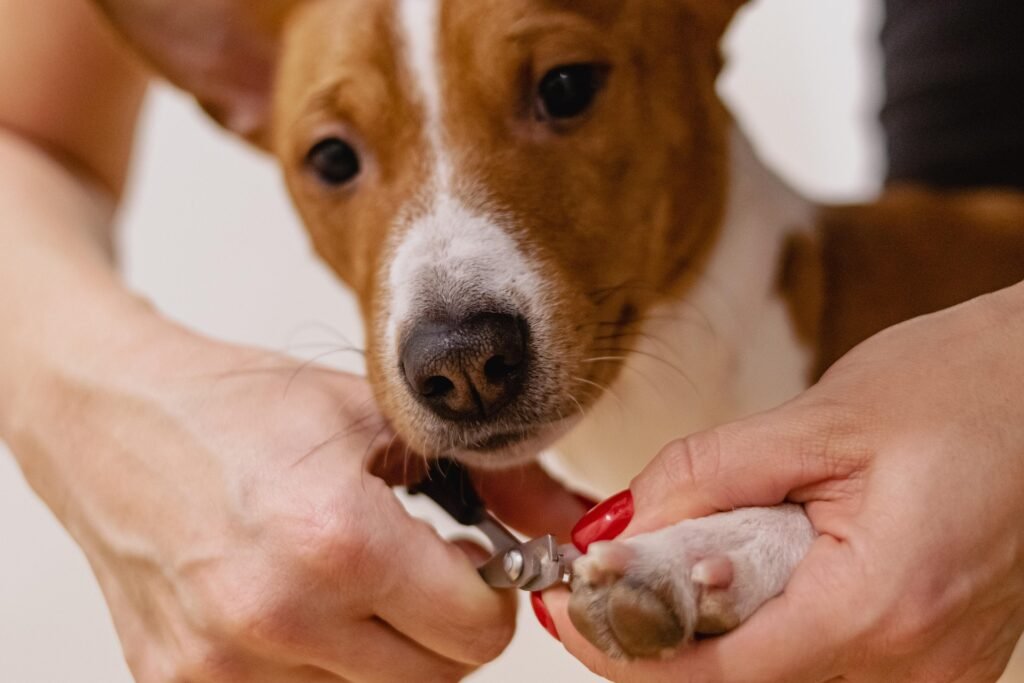
Scientific studies consistently underscore the profound benefits of the human-animal bond, demonstrating that welcoming a pet into our lives enriches our physical and mental well-being. To truly unlock this potential, it’s paramount to Bond with Your Dog from the very first moments you share, nurturing a connection that will flourish for years to come.
Key Takeaways
- Nurturing a deep bond with your dog is fundamental for a fulfilling, long-term relationship, significantly enhancing both your and your pet’s mental and physical health.
- Mastering your dog’s subtle body language and consistently employing positive reinforcement methods are crucial steps to forge trust and clear communication.
- Regular shared activities such as gentle grooming, invigorating walks, and joyful play sessions are powerful catalysts for strengthening your relationship with your canine companion.
- Prioritizing reward-based interactions cultivates a secure, supportive, and joyful environment where your dog feels understood and cherished.
Why Is Bonding With Your Dog Important?
If you aspire to enrich your life with unwavering companionship, boundless love, and genuine connection, then actively forming a profound bond with your dog is absolutely essential.
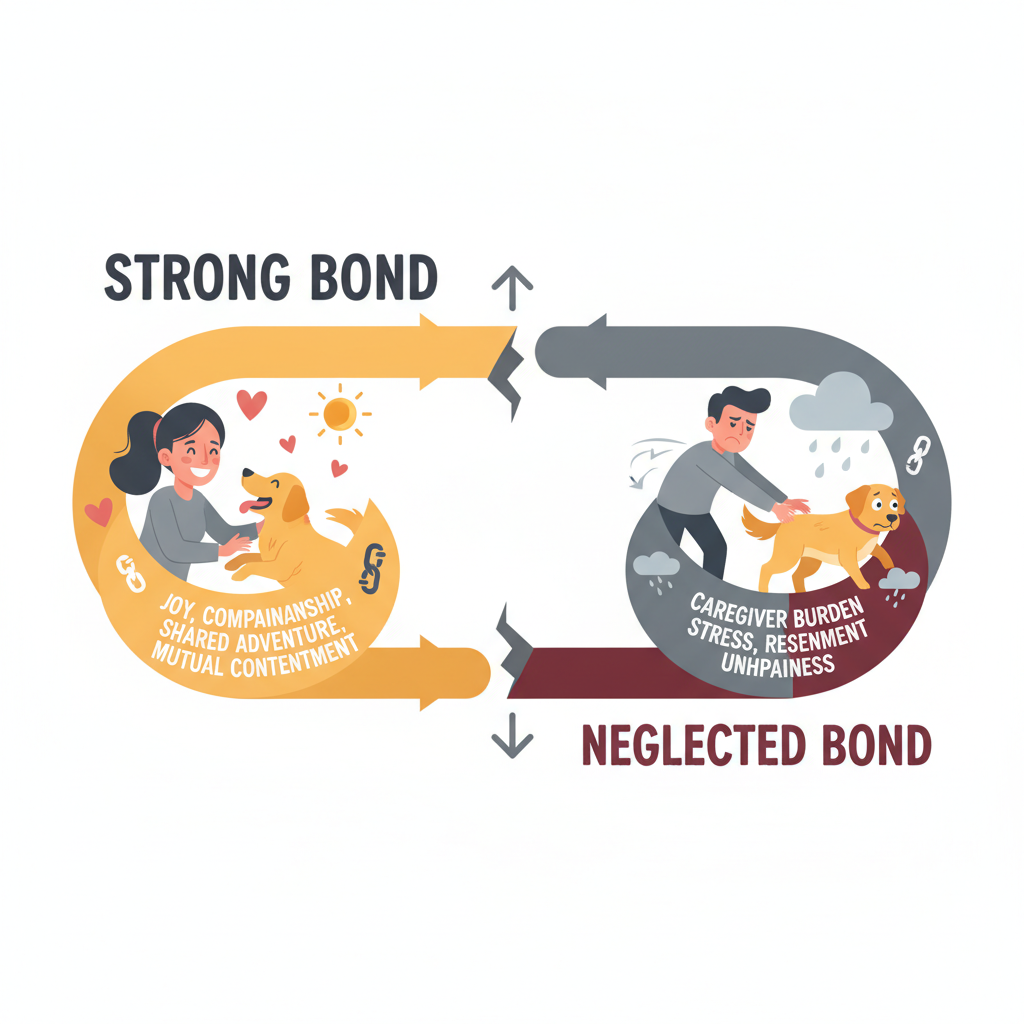
Dogs represent a significant, joyful commitment—often spanning 15 years or even more, depending on their unique lifespan. When you invest in the care and affection of such a beloved family member, it not only brings immense joy but also instills a deep sense of accomplishment and heartfelt satisfaction. This reciprocal relationship transforms daily life into a shared adventure.
Conversely, neglecting to bond with your dog can unfortunately transform what should be a source of joy into a significant caregiver burden. Caring for a dog with whom you lack a meaningful connection can amplify stress, fostering unwelcome feelings of resentment, dissatisfaction, and unhappiness for both parties involved. A strong bond ensures mutual contentment.
1. Learn Your Dog’s Body Language
The most empathetic and effective way to build a robust bond with your dog is by diligently learning to interpret their nuanced facial expressions and intricate body language. The moment a pet parent deciphers what their canine companion is striving to communicate, a powerful door swings open to profound understanding and seamless, heartfelt communication.
Here are some foundational insights into canine body language:
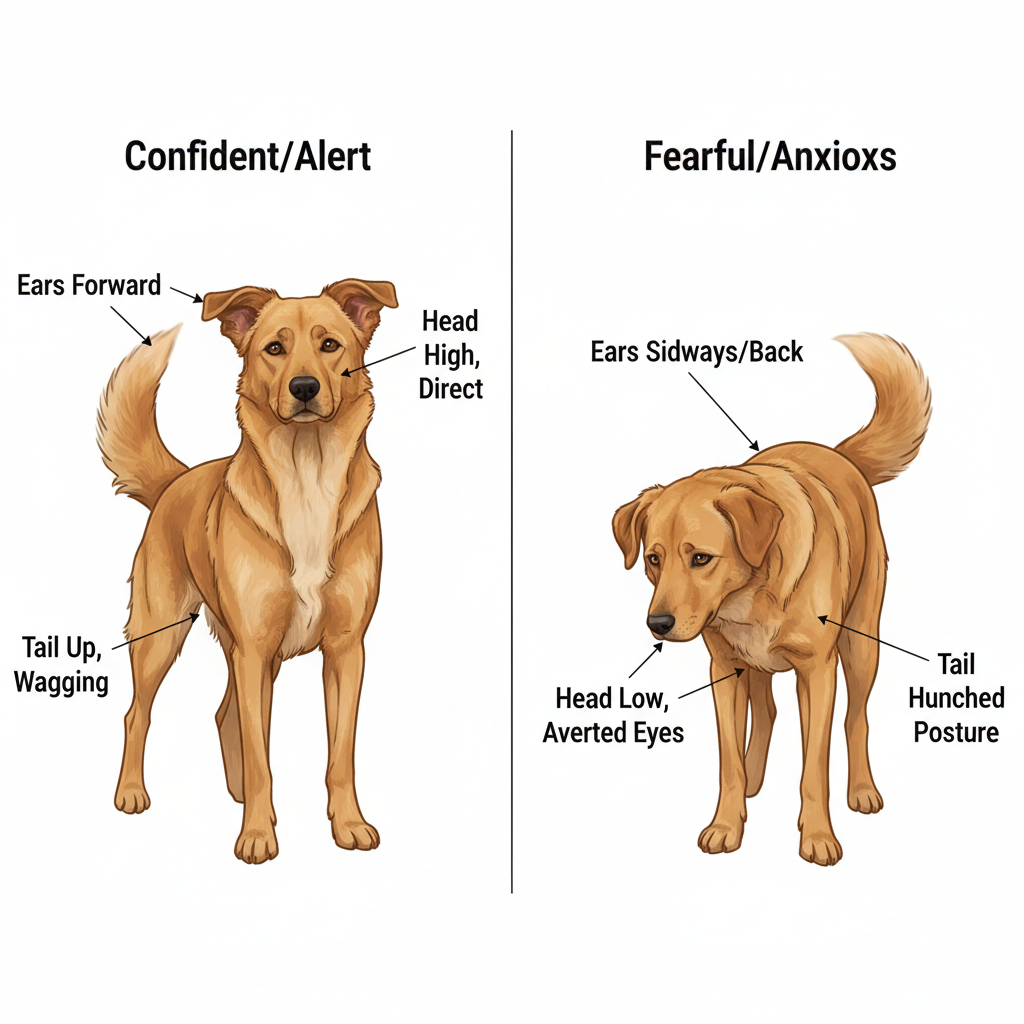
- A dog radiating confidence and alertness typically holds their ears forward, head held high, and tail wagging proudly upwards.
- When a dog’s ears are turned to the side, their head is lowered, they avoid direct eye contact, and their tail is tucked low or between their legs, they are conveying messages of fear, anxiety, and potentially significant stress.
Alongside body language, vocalization offers another layer of communication. Sounds such as growling and barking should never be immediately labeled as aggressive. Rather, they exist on a rich continuum of canine communication, each with specific meanings.
Dogs may bark as a warm greeting, in bursts of excitement, or as a cautionary signal. Growling, however, should always be interpreted as a clear indication of your dog’s discomfort; in these instances, the conscientious pet parent should immediately cease their actions and grant the dog additional space.
2. Use Positive Reinforcement
Instead of expecting your dog to instinctively grasp human language or divine your thoughts, dedicated pet parents should harness positive reinforcement training methods to gently guide them toward more desirable behaviors.
Positive reinforcement profoundly enhances the human-animal bond by cultivating a common language, a shared understanding that pet parents can joyfully use to interact with their dog. Through this approach, a dog learns to attentively listen to their pet parent and enthusiastically perform the behavioral cues they’ve been taught. The consistent application of positive reinforcement training methods builds a dog’s confidence and solidifies their unwavering trust in their pet parents.
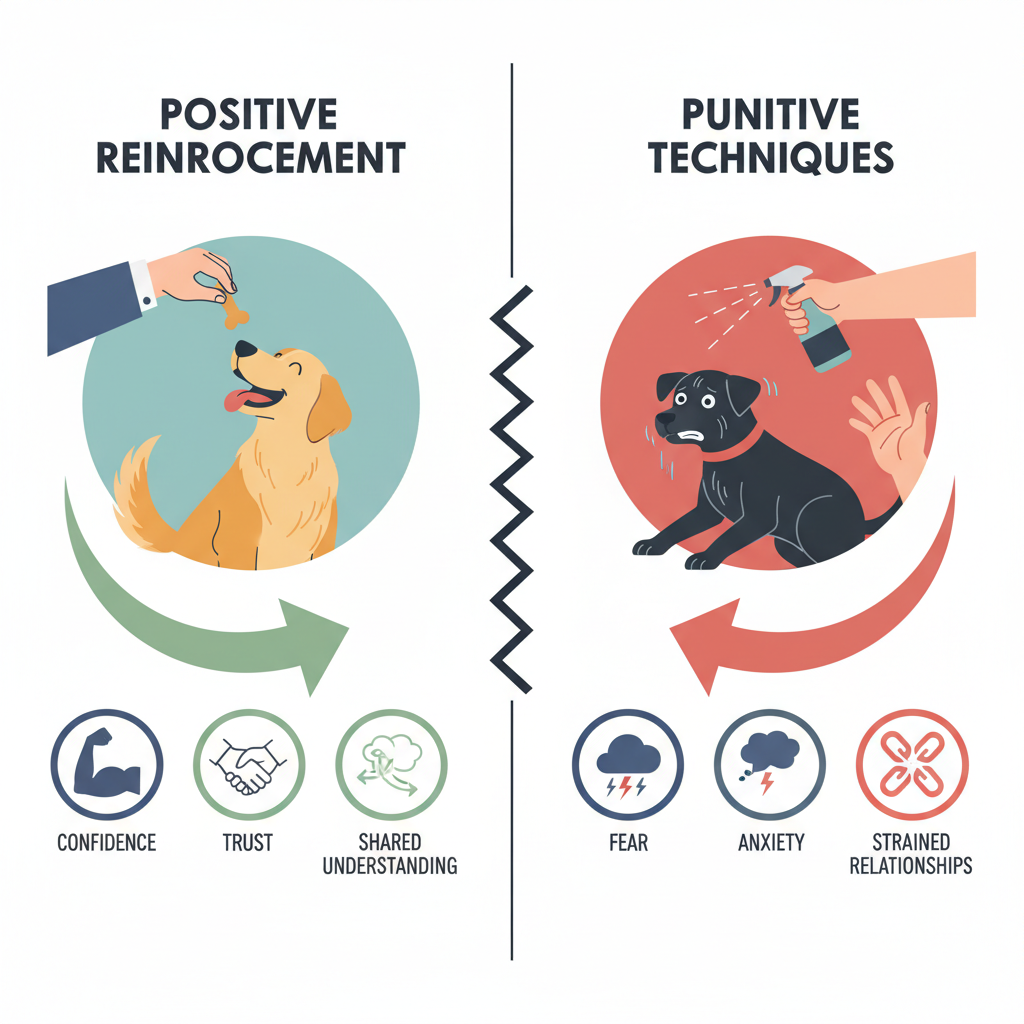
In stark contrast, resorting to punitive techniques and tools, such as startling your dog with a spray of water when they bark, can tragically escalate a dog’s fear and anxiety. Such methods can even lead to strained relationships or aggressive behavior directed towards the pet parent and other family members.
Rather than punishing your dog for undesired actions, focus on teaching them the behaviors you wish to see by generously using positive rewards like delectable training treats, beloved dog toys, and genuine praise.
3. Groom Your Dog
Engaging in regular grooming can significantly strengthen the human-animal bond, provided it’s approached thoughtfully and ensures your dog feels comfortable and cherished. For instance, gently brushing your dog’s coat two or three times a week not only removes dirt, debris, and loose fur but can also be an incredibly soothing and bonding experience for many dogs.
However, it’s important to remember that many dogs may not instinctively adore grooming. We can transform grooming into a truly positive experience by pairing it consistently with high-value food rewards and calming praise; begin by offering a delicious treat for each gentle brushstroke.
There are also specific moments when grooming can cause discomfort for our dogs, such as when carefully untangling stubborn mats or burrs, or when precisely trimming our dog’s nails a touch too short. In these delicate situations, it’s always best to proceed slowly and with utmost caution. Incorporate small breaks between short grooming sessions and thoughtfully pair the procedure with high-value treats.
For particularly challenging or sensitive grooming tasks, it may also be prudent to consult with your trusted veterinarian or a skilled professional groomer, ensuring your dog’s comfort and safety.
4. Create a Routine
Establishing a consistent daily routine provides your dog with invaluable stability and predictability, which can dramatically reduce anxiety and foster a sense of security. With a reliable routine, your dog clearly understands what to anticipate at specific times of the day, whether it’s the excitement of an upcoming walk or the comforting knowledge of your return home from work.
5. Go on Walks
Shared walks are immensely beneficial for both your and your dog’s mental and physical well-being. This cherished activity not only keeps both human and canine physically fit but also provides stimulating mental enrichment for both parties. In essence, it’s a deeply enjoyable activity you can experience together, allowing you to bond over shared exploration and companionship.
6. Schedule Regular Playtime
Engaging in playful games like fetch or tug-of-war with your dog presents a magnificent opportunity to bond, provide invigorating exercise, and subtly reinforce basic obedience cues, such as “drop it.”
There is truly no greater reward than witnessing the sheer excitement and unadulterated joy our dogs express during playtime, or the serene contentment they display afterward, happily tired and fulfilled.
7. Try a Dog Sport
Another dynamic opportunity to strengthen the human-animal bond is through active participation in specialized dog sports, such as agility, herding trials, intricate scent work, or the exciting Barn Hunt. These activities are fantastic avenues for improving physical fitness, providing rich mental enrichment, and fostering powerful teamwork between you and your dog.
Dog sports empower both pet parent and dog to collaborate towards achievable goals, such as earning a title in their chosen discipline. Some even aspire to accumulate enough points to reach prestigious national championships, deepening their partnership along the way.
When individuals choose to open their hearts and homes to a dog, they are embracing a life enriched by a loving, loyal, and devoted companion. Like any meaningful relationship, building profound trust and mutual love requires intentional effort and dedication from both parties. However, the resulting connection, the unwavering bond, and the shared happiness are immeasurably worth every single endeavor.