Why Brushing Dog and Cat Teeth Is Important
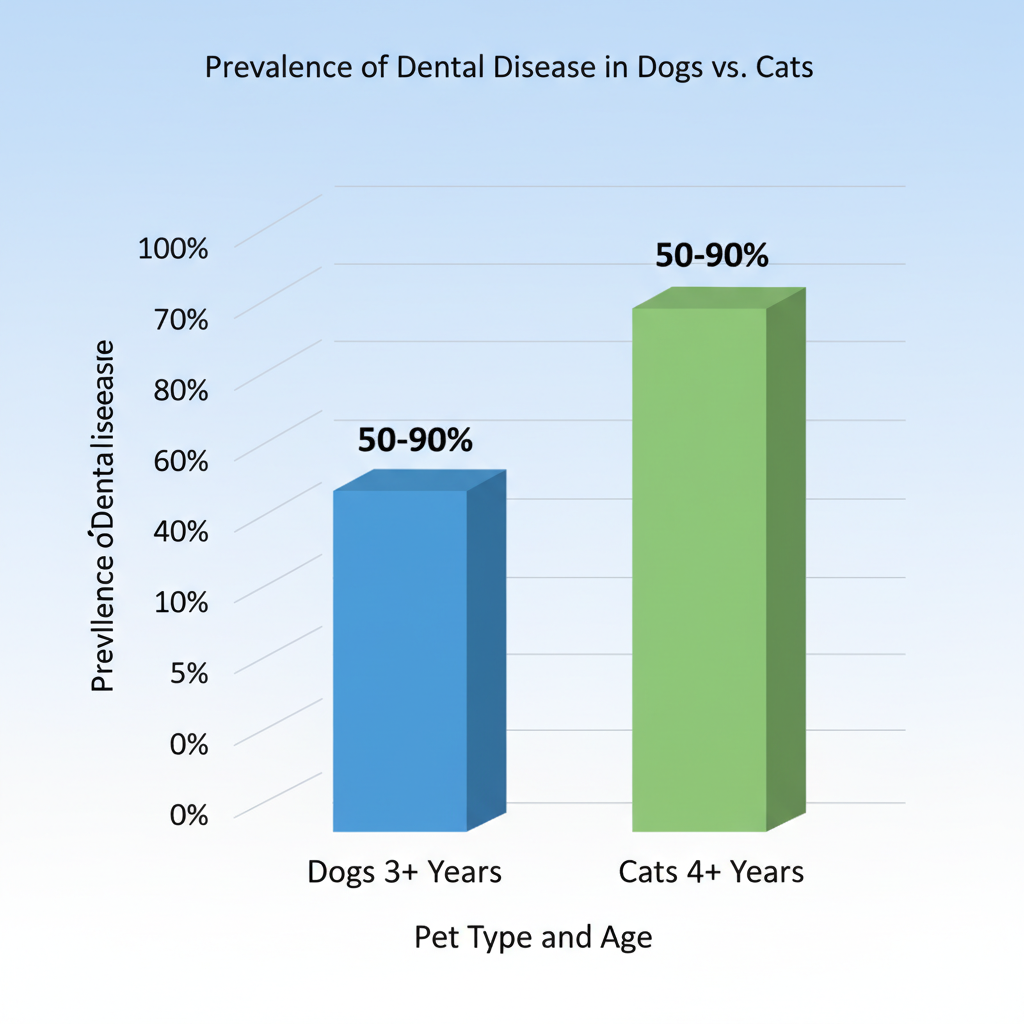
Neglecting your pet’s dental care can lead to a cascade of serious health issues. Leading industry research indicates that a staggering 80–90% of dogs aged 3 years and older grapple with some form of dental disease. Similarly, 50–90% of cats aged 4 years and older may be silently suffering from dental ailments.
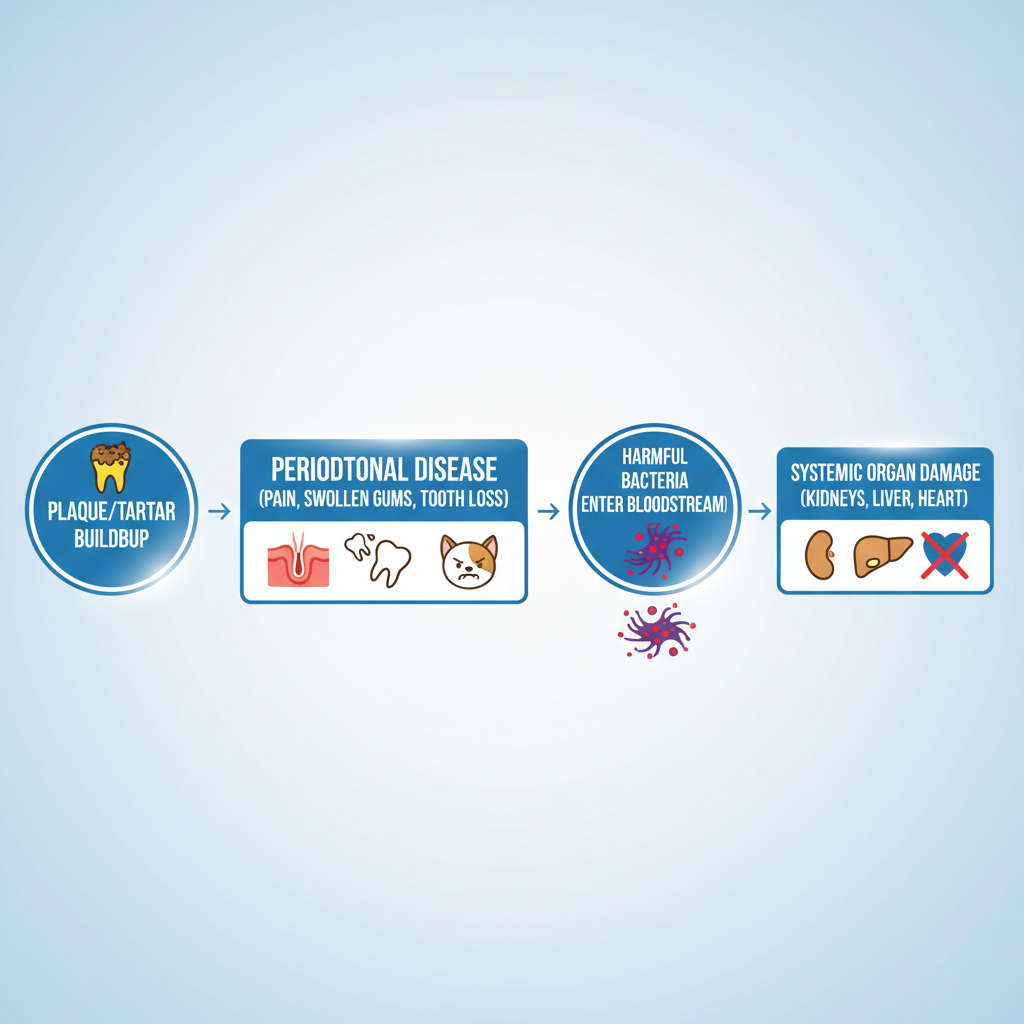
Untreated dental disease often manifests as painful, swollen gums and, eventually, tooth loss. If left to progress, severe periodontal disease can have far-reaching systemic consequences, potentially impacting vital organs such as the kidneys, liver, and heart. This occurs because the harmful bacteria originating in the mouth can readily enter the bloodstream, traveling throughout the body and posing a threat to other organ systems.
For a complete guide to cleaning your pet’s teeth, explore our comprehensive resources.
For the Spanish version, access our translated guide.
Understanding How Often to Brush Pet Teeth
To effectively safeguard against severe dental disease and maintain your pet’s vibrant health, it is unequivocally recommended to brush your pet’s teeth at home at least two to three times per week. This consistent at-home regimen, when paired with an annual professional dental cleaning performed by a veterinary professional, forms the cornerstone of optimal oral health for your beloved companion. Adhering to this frequency for brushing your pet’s teeth is a powerful preventive measure.
Practical Tips for Brushing Your Pet’s Teeth
It’s completely natural for your pet not to enthusiastically welcome a toothbrush into their mouth on the very first attempt. Patience, positive reinforcement, and a gentle approach are paramount. Follow these expert tips from Petscarelab to transform the process into a more positive experience for both of you.
Use the Right Tools for Pet Dental Brushing
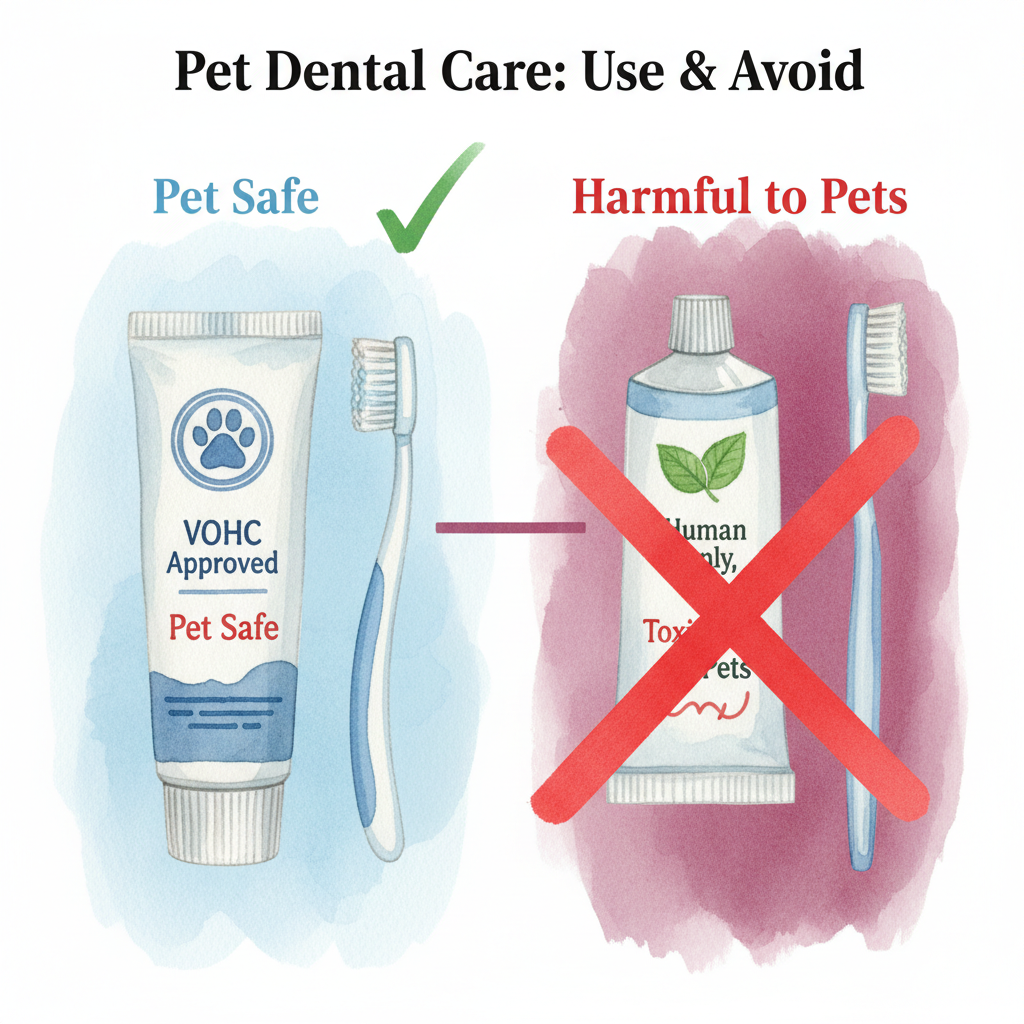
It is critical to remember that human toothpaste is entirely unsuitable for pets; it can cause stomach upset and may even contain ingredients toxic to them. Instead, always opt for specially formulated pet toothpaste, which is safe and appealing to cats and dogs. Pet toothbrushes are specifically designed with smaller heads and softer bristles, perfectly suited for their unique dental anatomy. When selecting products, look for those approved by the Veterinary Oral Health Council (VOHC) for proven efficacy and safety.
For our feline friends, whose teeth are often quite tiny, a square piece of gauze or a cotton swab can serve as an effective alternative for brushing their teeth if a dedicated cat toothbrush isn’t available.
Begin When Your Pet Is Young
The earlier you introduce the concept of teeth-brushing to your pet, the better. Acclimating a puppy or kitten to this routine helps them become accustomed to the sensation and process much more easily than attempting to start with an adult dog or cat, fostering a lifetime of better oral hygiene.
Keep Cleaning Sessions Short and Sweet
Once your pet has grown accustomed to having their mouth handled, you can gradually progress to actually brushing their teeth. The fundamental technique for brushing cat teeth and dog teeth is largely similar.
It’s important to manage expectations; your pet likely won’t tolerate a full mouth cleaning in one go, especially initially. Break the session into short intervals. Stop every 5-10 seconds to offer positive reinforcement, such as gentle petting, verbal praise, or a small, healthy treat, creating a pleasant association.
In total, a thorough yet quick session should take approximately 30 seconds to 1 minute to brush your pet’s teeth effectively. Always remember to keep the teeth-brushing experience light, calm, and positive.
Effective Teeth-Brushing Alternatives
Despite your best efforts, some pets may simply never tolerate traditional tooth brushing. Fortunately, there are other valuable dental care products that can contribute significantly to maintaining a healthy mouth for your pet.
For instance, you might explore food and water additives, which work systemically or by altering the oral environment. Dental chews specifically designed for dogs and cats can also help reduce plaque and tartar through mechanical action. If you’re uncertain about which teeth-brushing alternative is best suited for your pet, we strongly advise consulting with your veterinarian to find the most appropriate and effective solution.
Ultimately, strive to make the experience of brushing your pet’s teeth as positive and enjoyable as possible. However, never hesitate to reach out to your veterinarian if you encounter persistent challenges or have concerns. Remember that the more proactive care you provide for your pet’s teeth at home, the healthier and happier your beloved companion will be.