
Uncovering the World of Hound Dog Breeds: Your Guide to These Instinct-Driven Companions
Hound dog breeds are a fascinating bunch, united by their ancient roots as skilled hunters. For centuries, these dogs have worked alongside humans, honing their incredible ability to track and pursue game. While many hounds still love a good hunt, today you'll find plenty of them lounging on couches as beloved family pets. Even so, they always keep a little spark of those ancestral instincts tucked away!
When we talk about hounds, we're really looking at two main types: sighthounds and scenthounds. Each kind uses a completely different strategy to hunt, which means they look and act pretty unique from each other.

Sighthounds: Built for Speed and Sharp Eyesight
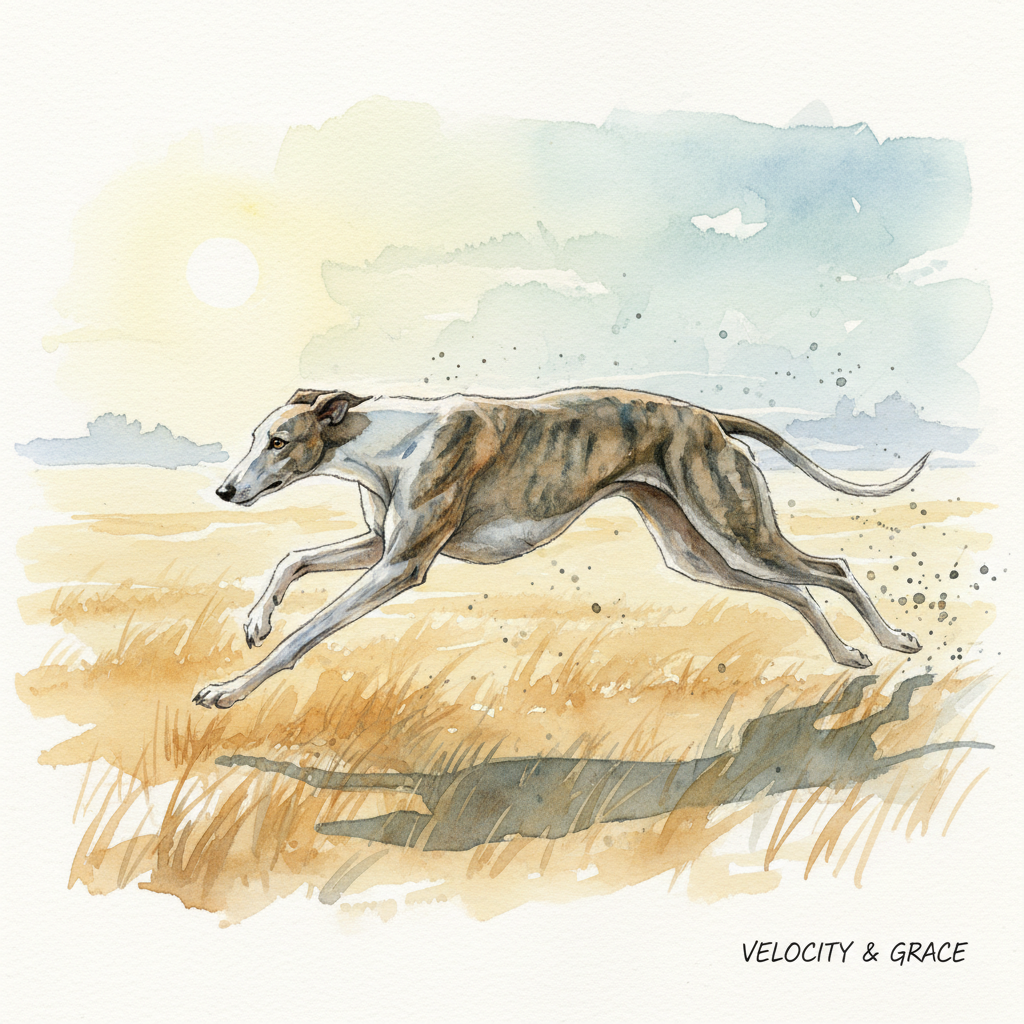
Sighthounds, sometimes called "gaze hounds," are all about what they can see. They use their phenomenal eyesight and breathtaking speed to chase down prey. Imagine a sleek, powerful athlete – that's a sighthound. They have lean, muscular bodies, deep chests for big lungs, and long legs that let them fly across open ground. Their sharp vision allows them to spot a rabbit or a deer from far away, and their explosive burst of speed means they can run it down in a flash.
What makes a sighthound a sighthound?
- Looks: Sleek, aerodynamic bodies; long, powerful legs; super flexible spines; deep chests for maximum breath.
- Personality: Often independent, graceful, and quiet when they're inside. But once they hit the open air, they're a whirlwind of energy!
- Hunting style: Spot their prey, then give chase at incredible speeds.
Popular Sighthound Breeds We Love
Here are some sighthound breeds that truly shine:
- Greyhound: The classic speed demon. While Greyhounds are famous for racing, they're surprisingly calm and gentle housemates. They just need a good, safe sprint every day.
- Afghan Hound: Talk about elegance! These dogs have an aristocratic look with their long, flowing coats and proud head carriage. They can be independent and a bit aloof but form strong, affectionate bonds with their families.
- Saluki: One of the oldest dog breeds around, hailing from the Middle East. Salukis are graceful and possess remarkable endurance and speed. They might be reserved with strangers but are fiercely loyal to their people.
- Whippet: Often called a "poor man's Greyhound," Whippets are smaller but just as fast and elegant. They adapt well to different lifestyles, are gentle, and make fantastic companions for active families.
- Borzoi: A grand, elegant Russian sighthound originally bred to hunt wolves. Borzoi are calm and dignified, but they absolutely need plenty of space to stretch out and run.
- Irish Wolfhound: The tallest of all dog breeds, with a shaggy coat and a noble presence. Don't let their size fool you; they're gentle giants who still need considerable exercise to stay happy.
- Scottish Deerhound: A large, rugged sighthound from Scotland, bred to hunt red deer. They carry themselves with grace, are gentle, and loving, but also demand significant daily exercise.
Scenthounds: The Unwavering Trackers
As their name gives away, scenthounds rely on their incredible sense of smell to track down prey. They are truly masters of the nose, often sporting long, droopy ears that help funnel scents right into their powerful nostrils. Scenthounds are built for endurance, not just speed. They can follow a scent trail for miles, through all kinds of tricky terrain, until they find their quarry.
What defines a scenthound?
- Looks: Sturdy builds, sometimes with loose, wrinkly skin; those iconic long, droopy ears; incredibly powerful noses; and a variety of coat types.
- Personality: Determined, vocal (they love to "bay"!), friendly, persistent, and often very motivated by food.
- Hunting style: Follow a scent trail with incredible tenacity, often using their distinctive "baying" sound to tell handlers where they are.
Popular Scenthound Breeds We Adore
Meet some of the most popular scenthound breeds:
- Basset Hound: Instantly recognizable by their long, droopy ears, wrinkled brow, and soulful eyes. Bassets have one of the best senses of smell in the dog world and are known for their calm, friendly nature – though they can be quite stubborn!
- Beagle: A compact, friendly, and energetic scenthound with an excellent nose. Beagles are popular family pets thanks to their cheerful personalities, but they need consistent training and a very secure yard because that nose will lead them anywhere!
- Bloodhound: Simply unmatched in its ability to follow a scent trail, even one that's days old. Bloodhounds are large, powerful dogs with that unmistakable wrinkled face and long, pendulous ears. They're gentle and affectionate but incredibly focused when on a trail.
- Dachshund: Often affectionately called "wiener dogs" for their long bodies and short legs. Dachshunds were originally bred to hunt badgers and other burrowing animals. They come in smooth, longhaired, or wirehaired varieties and are known for their brave, lively personalities.
- Coonhound (Black and Tan, Bluetick, Redbone, Treeing Walker): This group of American scenthounds was bred to hunt raccoons and other nocturnal animals. They are athletic, smart, and famous for their distinctive "baying" voice. Coonhounds make loyal companions for active owners.
- Foxhound (American and English): Specifically bred for fox hunting, these dogs are bursting with energy and have tremendous stamina. They're pack animals and can be quite independent, making them best for experienced owners or working homes.
- Harrier: Looking a lot like a larger Beagle, Harriers are athletic, energetic dogs bred to hunt hare. They're friendly and outgoing but need a lot of daily exercise.
- Otterhound: A large, shaggy-coated scenthound with webbed feet, originally bred to hunt otters. They have an incredible nose and a distinctive, booming bark. Otterhounds are boisterous and very friendly.
Training and Care for Your Hound Dog
No matter if you bring home a swift sighthound or a persistent scenthound, understanding their natural instincts is key to successful training and care.
Exercise Needs
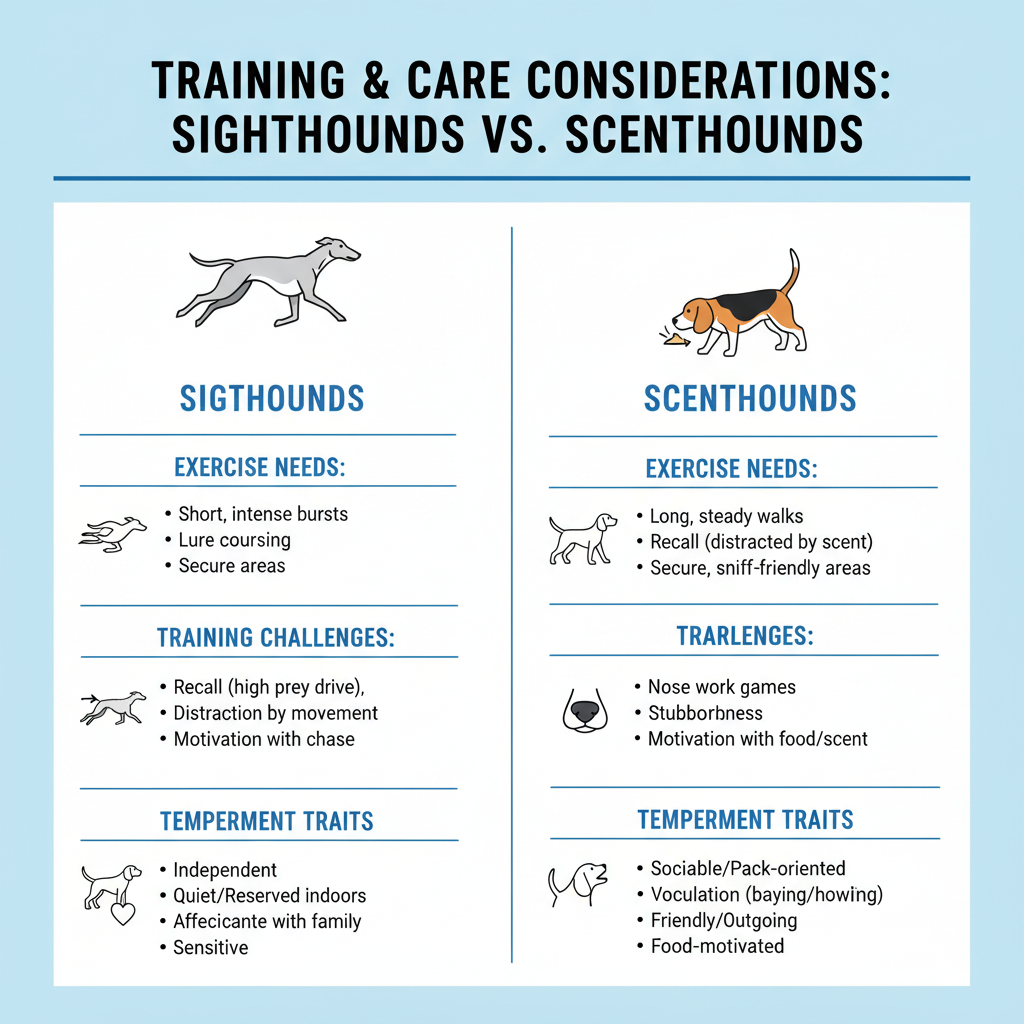
- Sighthounds: Give them opportunities for safe, off-leash running in a securely fenced area. They prefer short, intense bursts of speed over long, slow jogs.
- Scenthounds: They need consistent, moderate to vigorous exercise. Long walks, hikes, and engaging nose work games are fantastic ways to tire out their bodies and minds.
Training Your Smart Hound
- Recall: Both types of hounds can be tricky to teach a reliable recall. Their instinct to chase (sighthounds) or follow a scent (scenthounds) often overrides their desire to listen. Start early with positive reinforcement, and keep up with consistent training. Leash training is also absolutely vital for these wanderers!
- Scenthounds: They thrive on activities that let them use their nose. Think scent work games, "nose work" classes, or tracking sports – these fulfill their natural drive.
- Sighthounds: Many sighthounds absolutely love lure coursing, which lets them chase a mechanical lure in a safe, controlled environment.
- Socialization: Just like any dog, early and consistent socialization helps them grow into well-adjusted, confident companions.
Temperament: What to Expect
- Prey Drive: Both kinds of hounds have a strong prey drive. Be extra careful around smaller pets (like cats or rabbits) and always keep them leashed in areas where there might be wildlife.
- Vocalization: Lots of scenthounds are known for their unique "baying" or "howling." Some owners find this charming, but it's definitely something to consider if you have close neighbors!
- Independence: Hounds are often independent thinkers, which can sometimes come across as stubbornness. Patience and plenty of positive reinforcement are crucial when you're working with them.
- Affection: While some hounds might seem a bit aloof at first, most are incredibly affectionate and loving with their families once they feel comfortable.
Is a Hound Dog the Right Fit for Your Family?
Hound dog breeds offer a wonderful mix of ancient instincts and loving companionship. If you appreciate a dog with a unique character, an independent spirit, and a deep connection to its hunting heritage, a hound might be your perfect match.
Before you bring a hound into your home, our team at Petscarelab always recommends doing thorough research on specific breeds. Think about their exercise needs, whether their vocalization style fits your lifestyle, and any training challenges. With the right environment and a loving, understanding owner, a hound can be an incredibly loyal, charming, and rewarding member of your family.