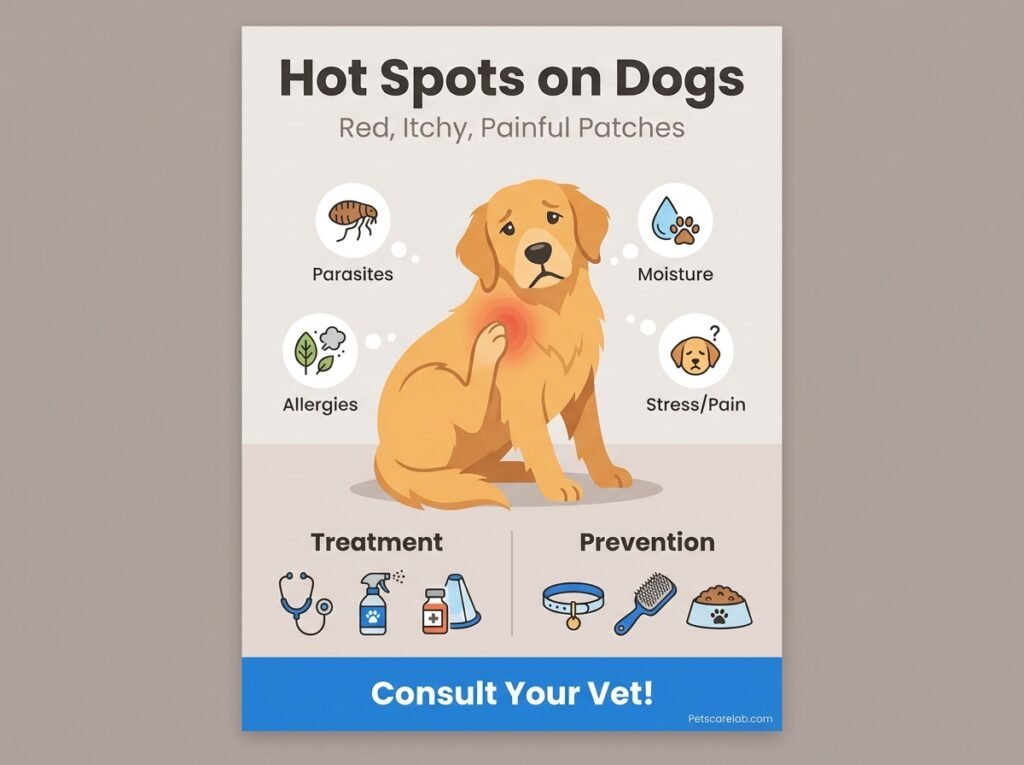
Have you ever noticed a red, angry patch of skin on your dog that seemed to appear overnight? Those are likely hot spots on dogs, also known as acute moist dermatitis. These painful, irritated skin lesions can pop up anywhere on your dog's body, but you'll usually find them on their head, neck, hips, or legs. They often feel warm to the touch and can make your pup miserable.
What Causes Hot Spots on Dogs?
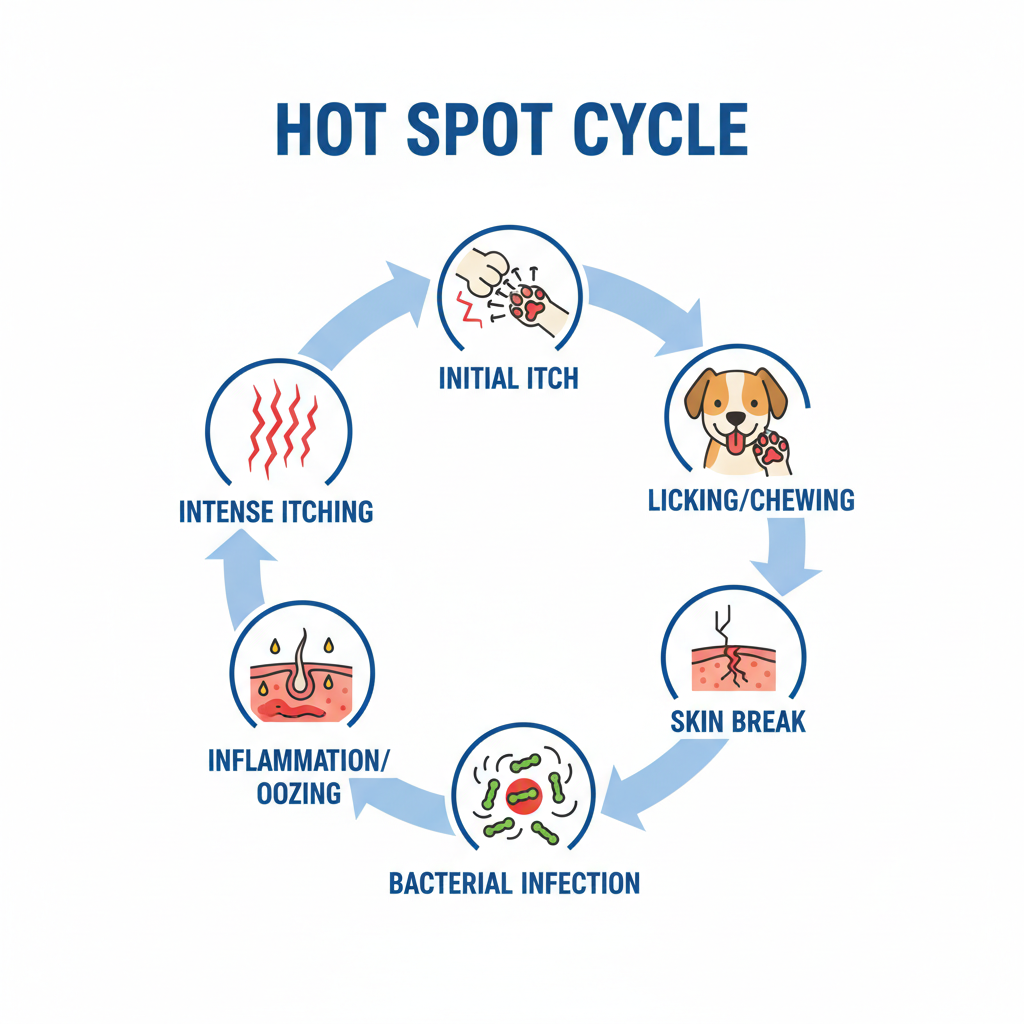
Hot spots start when your dog can't stop licking, chewing, or scratching one particular spot. This constant attention breaks the skin, inviting bacteria to move in and start an infection. The dampness from all that licking creates a perfect breeding ground for bacteria, turning a small itch into a nasty hot spot that just keeps getting worse. It's a frustrating cycle of itch and scratch.
Lots of hidden triggers can make a dog start that obsessive licking or scratching:
Allergies
Just like us, dogs can suffer from allergies. Environmental allergies to things like pollen, dust mites, or mold, and even certain foods, can make your dog intensely itchy all over. Sometimes, they'll pick one spot and go to town.
Fleas and Other Parasites
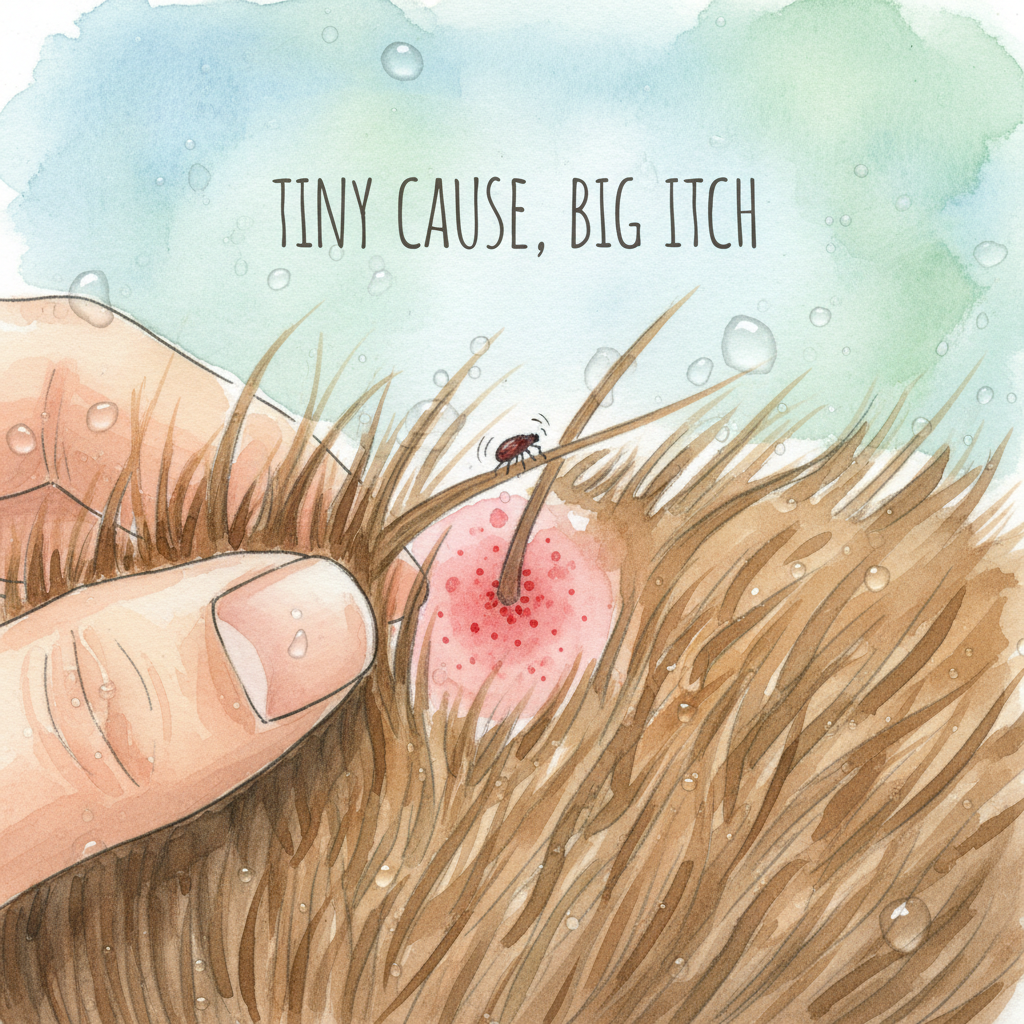
Even a single flea bite can set off a massive itch for dogs with flea allergy dermatitis. Other tiny pests like mites (think sarcoptic mange) can also cause severe skin irritation, driving your dog to scratch and chew.
Ear Infections
If your dog has an itchy or painful ear infection, they might scratch at their ear or cheek area so much that a hot spot forms right nearby.
Poor Grooming or Matted Fur
When fur gets matted or dirty, it traps moisture and debris against your dog's skin. This creates a warm, damp environment that bacteria absolutely love, leading to irritation and eventually, a hot spot.
Biting Insects
A bite from a mosquito, fly, or other insect can cause a localized itch that your dog just can't leave alone.
Pain or Discomfort
Sometimes, a dog will constantly lick an area because of underlying pain in a joint or muscle. It's a bit like how we rub a sore spot.
Stress or Boredom
Believe it or not, some dogs develop obsessive licking habits when they're anxious, stressed, or just plain bored. It's similar to how people might bite their nails when they're feeling uneasy.
Moisture
Prolonged dampness on the skin – maybe from swimming, not drying thoroughly after a bath, or just high humidity – can soften the skin, making it much more vulnerable to irritation and infection.
Symptoms of Hot Spots on Dogs
Hot spots show up fast and can grow surprisingly quickly. Here's what you'll usually see:
- Red, angry skin: The affected area will be bright red and look inflamed.
- Hair loss: Your dog will often lick or chew all the fur right off the hot spot.
- Oozing or weeping: The spot will likely be moist and might ooze pus or clear fluid.
- Crusty scabs: As the lesion begins to dry out, scabs can form.
- Pain and tenderness: Hot spots are often very sore when you touch them.
- Intense itching: The area will be incredibly itchy, which keeps the licking and scratching cycle going.
- Swelling: The skin around the hot spot might look puffy.
- Pus: In more serious cases, you might see pus, a clear sign of a bacterial infection.
Diagnosing Hot Spots
Your vet can usually spot a hot spot just by looking at its characteristic appearance. But they'll also try to figure out what caused it in the first place, which is key to stopping them from coming back. This might involve:
- A thorough physical check: Your vet will look for fleas, ticks, or other external parasites.
- Skin scrapings: They might gently scrape a tiny sample of skin to check for mites under a microscope.
- Cytology: Examining skin cells under a microscope helps identify bacteria or yeast contributing to the problem.
- Allergy testing: If allergies seem like a likely culprit.
- An ear exam: To make sure an ear infection isn't the root cause.
Hot Spot Treatment for Dogs
Treating hot spots effectively usually involves several steps to bring your pup relief:
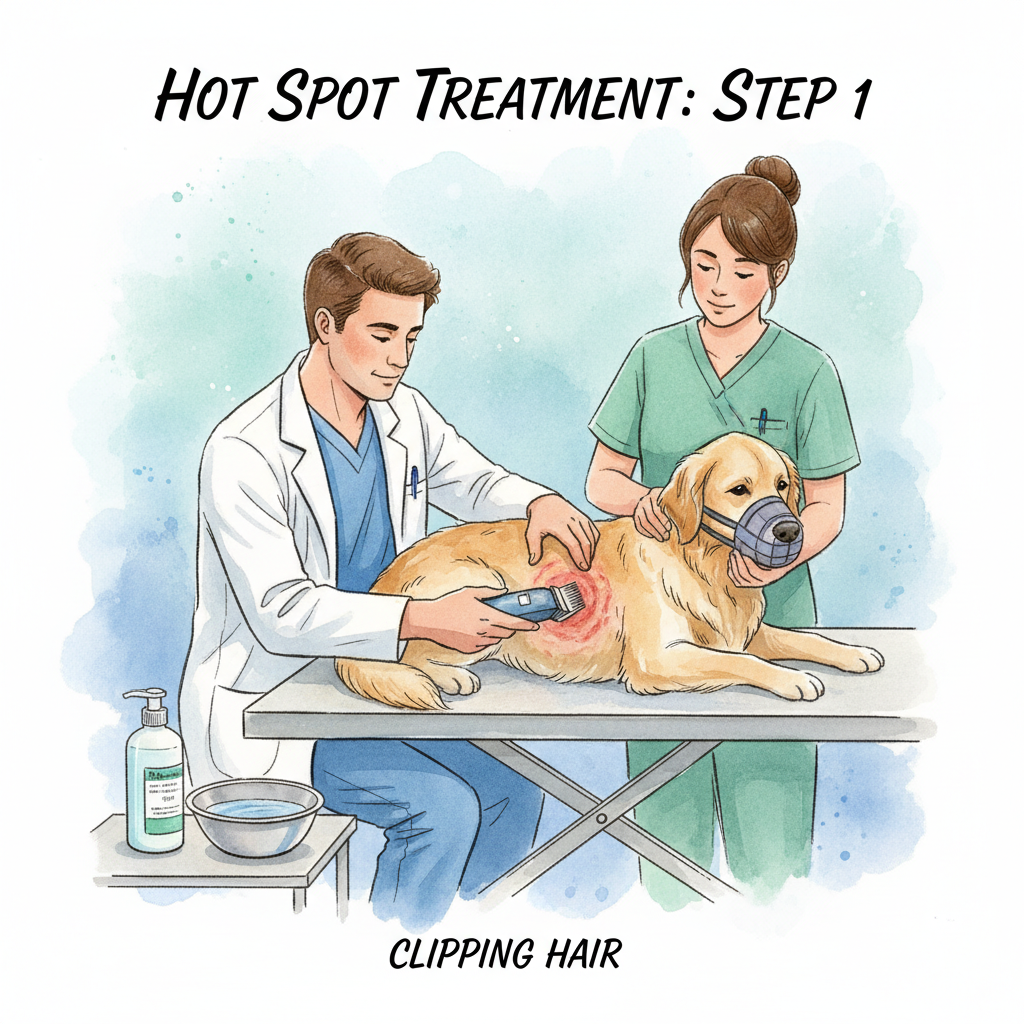
1. Clip the Hair
This first step is crucial. Your vet will carefully trim the hair around and even beyond the hot spot. This helps the area dry out, gets rid of trapped moisture and bacteria, and makes it easier to clean and apply medication. Since this can be painful for your dog, sometimes a mild sedative helps keep them comfortable.
2. Clean the Area
Next, your vet will gently clean the hot spot with a mild antiseptic solution, like diluted chlorhexidine. This washes away pus, crusts, and crusts and bacteria.
3. Topical Medications
Your vet will likely prescribe medications you can apply directly to the skin. These might include:
- Antibacterial sprays or creams: To fight off bacterial infections.
- Corticosteroid sprays or creams: To calm the inflammation and reduce that awful itch.
4. Oral Medications
Depending on how severe the hot spot is and its underlying cause, your vet might also prescribe oral medications:
- Antibiotics: For significant bacterial infections.
- Anti-inflammatory drugs (like corticosteroids or medications such as Apoquel/Cytopoint): To bring down the itching and swelling.
- Pain medication: If your dog is really hurting.
5. Prevent Further Licking/Chewing
It's vital to stop your dog from continuing to lick or chew the hot spot while it's healing. This might mean using:
- An Elizabethan collar (the "cone of shame"): The most common and effective method.
- Protective bandages or shirts: If the hot spot's location allows for it, and it won't trap moisture.
6. Address the Underlying Cause
To stop hot spots from returning, you've got to find and treat whatever triggered them:
- Flea prevention: Stay on top of regular flea and tick control year-round.
- Allergy management: Work with your vet on dietary changes, allergy medications, or immunotherapy.
- Ear infection treatment: Get those ear issues treated right away with specific medications.
- Grooming: Regular brushing and professional grooming sessions can prevent mats and keep your dog's skin healthy.
How to Prevent Hot Spots on Dogs
Prevention is always better than treatment! Here’s how our team at Petscarelab recommends you help keep those irritating hot spots away:
- Consistent Flea and Tick Prevention: Use vet-recommended products without fail.
- Excellent Grooming Habits: Brush your dog regularly, especially if they have long or thick fur, to prevent mats and keep their skin healthy. Always make sure your dog is thoroughly dry after baths or swimming.
- Manage Allergies: Partner with your vet to identify and manage any environmental or food allergies your dog might have.
- Treat Ear Infections Quickly: Deal with any ear problems as soon as you notice them.
- Feed a Healthy Diet: A balanced, high-quality diet boosts skin and coat health.
- Reduce Boredom and Stress: Give your dog plenty of exercise, mental stimulation (like puzzle toys or training), and address any anxiety issues they might have.
- Keep an Eye on Your Pup: Regularly check your dog’s skin, especially in common hot spot areas, for any redness, irritation, or signs of excessive licking. Catching something early can prevent a minor irritation from turning into a full-blown hot spot.
When to See a Vet About Hot Spots
You should always make an appointment with your vet if you suspect your dog has a hot spot. These lesions can start small but grow very quickly, becoming deeply infected and incredibly painful without proper care. Getting your vet involved early on can prevent a lot of discomfort for your dog and make the treatment process much simpler for everyone.