What Is Hemoabdomen in Dogs?
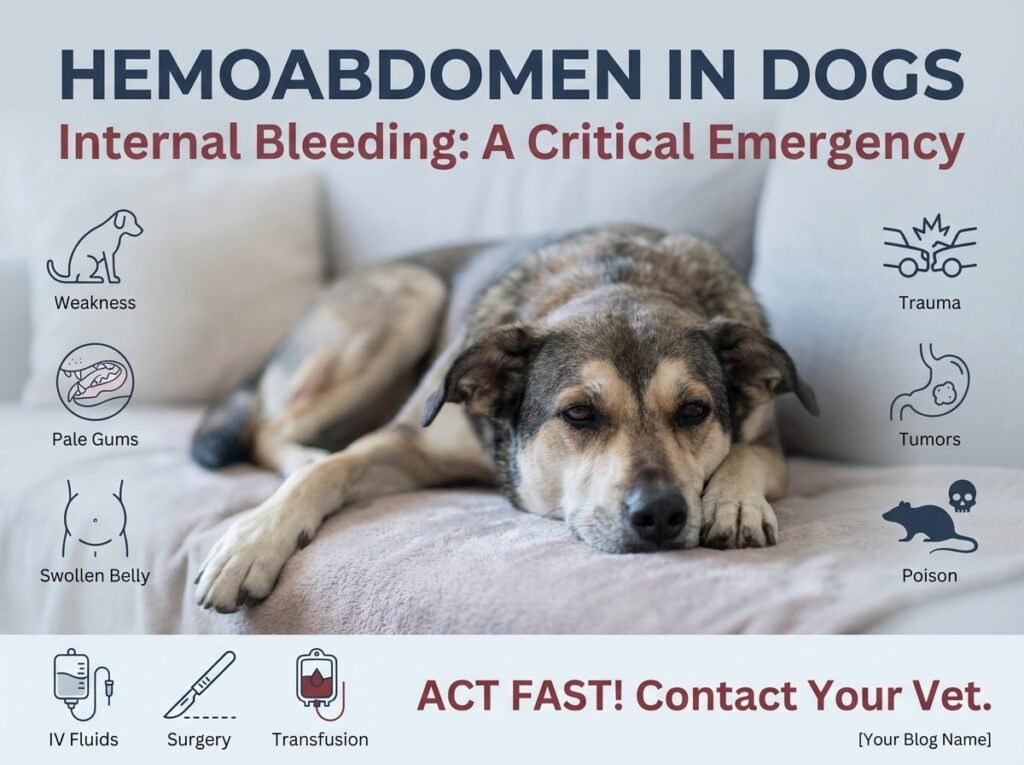
Imagine your dog is suddenly not himself – weak, lethargic, and maybe even breathing fast. These could be subtle signs of a life-threatening emergency known as Hemoabdomen in Dogs, or internal abdominal bleeding. This happens when blood pools inside your dog's belly, a space normally home to vital organs like the liver, spleen, kidneys, and intestines.
Finding blood in this area is never normal. It's a huge red flag that something serious is going on, perhaps an injury, a burst tumor, or a hidden bleeding problem. How bad the situation is depends on how much blood your dog has lost, how quickly it's happening, and their overall health. Without quick diagnosis and treatment, hemoabdomen can quickly spiral into severe anemia, shock, and even be fatal.

Symptoms of Hemoabdomen in Dogs
The tricky thing about hemoabdomen in dogs is that symptoms can pop up in so many ways, depending on how much blood your pup is losing and how fast. Sometimes, you might only see a few subtle hints at first, while other times, a dog can just suddenly collapse.
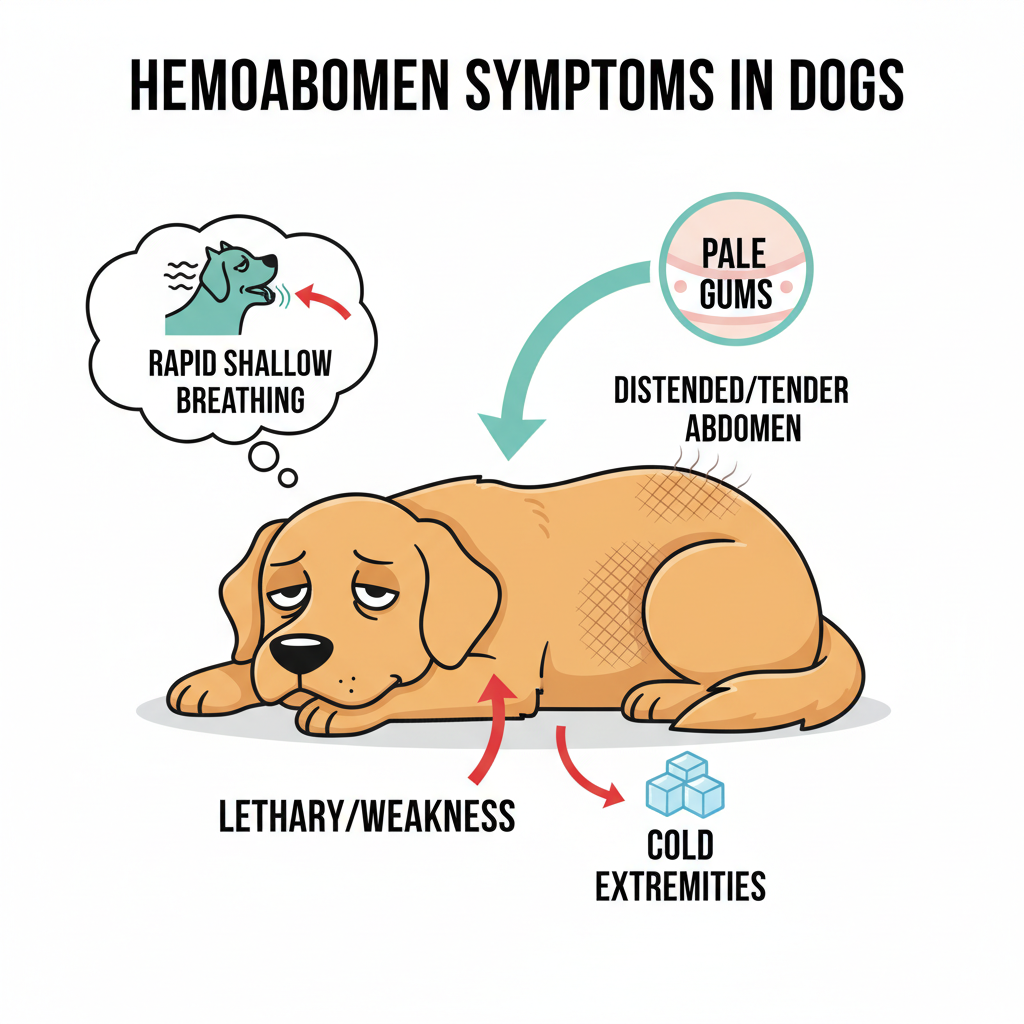
Watch out for these common warning signs:
- Unusual weakness or extreme tiredness: Your energetic pup might just want to lie down and not move.
- Gums fading to a ghostly white or light pink: This points to anemia, a serious loss of red blood cells.
- Panting or fast, shallow breaths: Even when they haven't been exercising.
- A swollen or painful belly: Your dog might guard their stomach if you try to touch it.
- Throwing up or refusing to eat: They just don't have an appetite.
- Sudden collapse: A terrifying sign that needs immediate attention.
- A racing heart: You might notice their pulse feels much faster than normal.
- Cold paws, ears, or tail: Their body is struggling to maintain warmth.
If you spot even one of these signs, especially if your dog recently had an accident or has a known health issue, don't wait. Call your vet right away.
Causes of Hemoabdomen in Dogs
Hemoabdomen can stem from many different issues, everything from a serious accident to hidden medical problems.
Here are some common reasons your dog might develop hemoabdomen:
- Trauma: This is often a big one. Think car accidents, falls, or being hit hard. These kinds of injuries can tear blood vessels or even rupture internal organs, causing significant internal bleeding.
- Ruptured Tumors: Tumors growing on organs like the spleen or liver can spontaneously burst, leading to major blood loss. One notorious culprit is hemangiosarcoma, a highly aggressive type of cancer.
- Bleeding Disorders (Coagulopathy): Sometimes, a dog's blood just doesn't clot like it should. Conditions that mess with this natural process can cause bleeding to start for no obvious reason. This includes:
- Rat bait poisoning: Many common rodent poisons prevent blood from clotting.
- Von Willebrand's disease: A genetic condition that affects clotting proteins.
- Thrombocytopenia: Your dog has too few platelets, which are tiny cells vital for clotting.
- Liver Disease: Severe liver problems can keep the body from making enough clotting factors, dramatically upping the risk of bleeding.
- Peritonitis: When the lining of the abdomen gets inflamed, it can sometimes lead to bleeding, particularly if blood vessels become damaged.
- Ruptured Blood Vessels: In rarer cases, a blood vessel might just burst on its own due to a weakness in its wall, like an aneurysm.
Diagnosing Hemoabdomen in Dogs
When your dog comes in with suspected hemoabdomen, your vet will piece together the puzzle using a physical exam, imaging, and blood tests.
- Physical Exam: Your vet will check your dog's heart rate and breathing, look for pale gums, and gently feel their belly for any swelling or tenderness.
- Abdominal Ultrasound: This is a crucial step. The ultrasound lets your vet get a clear picture of the organs inside the belly, spot any free-floating blood, and often even pinpoint where the bleeding is coming from.
- Abdominocentesis: Your vet might carefully insert a small needle into your dog's abdomen to collect a fluid sample. If they draw out blood that doesn't clot, it confirms hemoabdomen.
- Blood Tests:
- Complete Blood Count (CBC): This shows how severe the anemia is and how many platelets your dog has.
- Coagulation Profile: This checks how well your dog's blood clots, helping to uncover any hidden bleeding disorders.
- Biochemistry Profile: This gives your vet information about organ function and overall health.
- X-rays: While not as good as ultrasound for seeing fluid, X-rays can sometimes reveal masses in the abdomen or show signs of trauma.
Treatment for Hemoabdomen in Dogs
Treating hemoabdomen depends entirely on what's causing it and how severe the bleeding is. The immediate goals are always to get your dog stable, stop the bleeding, and then tackle the root problem.
Emergency Stabilization
- IV Fluids: Vets give these through a vein to combat shock and keep blood pressure steady.
- Blood Transfusion: If your dog has lost a lot of blood and is severely anemic, a transfusion might be vital to boost their red blood cell count and help their body carry oxygen.
- Oxygen Therapy: This helps support their breathing and gets more oxygen to their struggling tissues.
- Pain Management: Keeping your dog comfortable is key, so vets will provide medication to ease any discomfort.
Addressing the Cause
- Surgery: If the bleeding is heavy or comes from a ruptured organ (like the spleen or liver) or a tumor, emergency surgery is often the only way to stop the bleeding and remove the damaged tissue.
- Medication:
- Vitamin K1: If your vet suspects rat bait poisoning.
- Corticosteroids: Sometimes used for immune-mediated thrombocytopenia, where the body attacks its own platelets.
- Other Medications: Depending on the specific bleeding disorder or underlying health issue, your dog might need other targeted drugs.
- Supportive Care: For conditions like liver disease, your dog will need ongoing care and monitoring.
- Autotransfusion: In very urgent situations, the blood collected from your dog's abdomen can be filtered and given back to them, especially if a blood donor isn't immediately available.
Recovery and Management of Hemoabdomen in Dogs
Recovering from hemoabdomen can be a challenging road, with how long it takes depending on how serious the situation was and what caused it.
- Hospitalization: Most dogs will need to stay at the vet hospital for several days, getting intensive care, constant monitoring, and fluid therapy.
- Post-Surgical Care: If your dog had surgery, you'll need to focus on wound care, giving them pain medication, and limiting their activity to allow for proper healing.
- Monitoring: During recovery, keeping a close eye on your dog's vital signs, blood work (especially their red blood cell count), and abdominal size is essential.
- Follow-Up Appointments: Regular check-ins with your vet are a must to make sure your dog is healing well and to manage any ongoing health issues.
- Long-Term Management: Dogs with chronic problems, like certain bleeding disorders, liver disease, or aggressive cancers, might need medication or supportive care for the rest of their lives.
Prognosis for Dogs with Hemoabdomen
How well a dog recovers from hemoabdomen varies wildly. It really comes down to several factors:
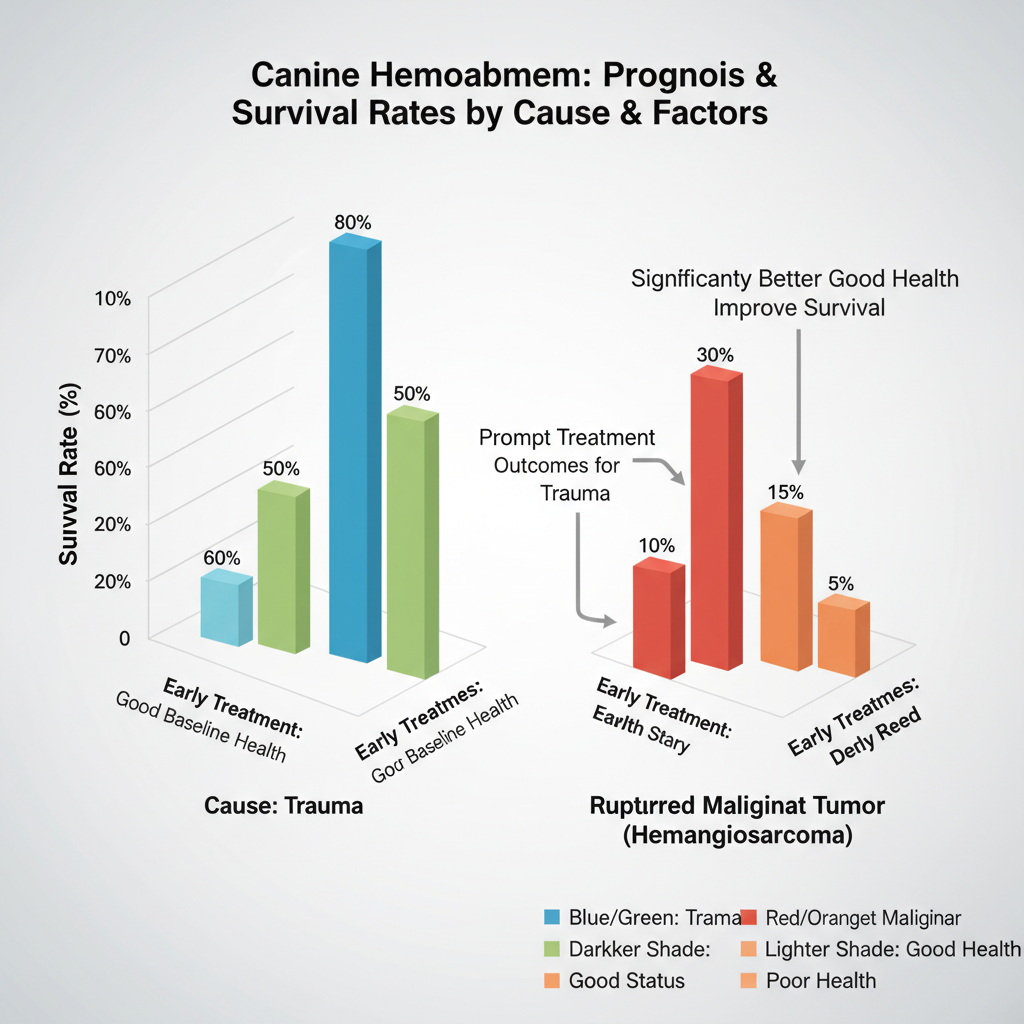
- The Underlying Cause: Dogs who've suffered trauma often have a better outlook than those battling a ruptured malignant tumor, like a hemangiosarcoma.
- Severity of Blood Loss: Pups with severe, rapid blood loss that leads to shock generally face a tougher battle.
- Response to Treatment: The quicker the diagnosis and the more aggressive the treatment, the better their chances of survival.
- Your Dog's Overall Health: Younger, otherwise healthy dogs tend to bounce back more easily.
- Complications: If complications like infection or multiple organ failure set in, the prognosis gets worse.
While hemoabdomen in dogs is a serious and critical condition, with timely and appropriate care from your vet, many dogs can make a full recovery. If your dog is diagnosed with hemoabdomen, always chat with your vet about their specific outlook and the best treatment plan moving forward.