

The Healthiest Dog Breeds: Your Guide to a Long and Happy Life Together
Every dog, no matter their background, can face health issues. But some **healthiest dog breeds** stand out for their incredible **resilience**, often having fewer genetic predispositions to common illnesses and generally living longer, healthier lives. Our team at Petscarelab knows that understanding your pup's genetic blueprint can make a big difference in their well-being.
Genetics play a huge role in a dog's health. While selective breeding has unfortunately led to certain purebred dogs being more prone to specific inherited conditions, responsible breeders work tirelessly to minimize these risks. They do this by **health-testing** their breeding dogs and carefully choosing mates to produce the **healthiest** possible puppies.
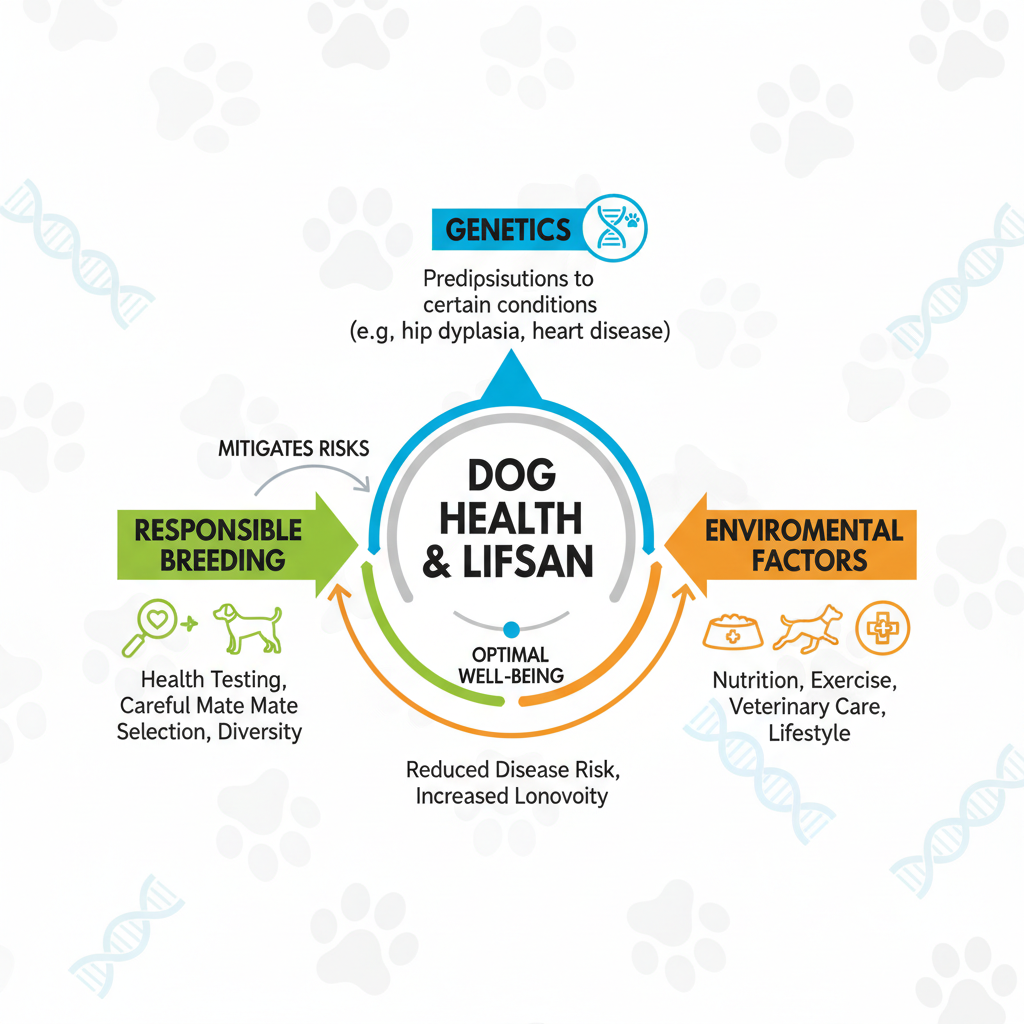
If you're thinking about adding a purebred dog to your family, do your homework! Chat with reputable breeders about their health-testing routines and the health history of their dogs' family lines. A truly good breeder will be open, honest, and happy to answer all your questions.
Discovering the Healthiest Dog Breeds
Ready to meet some of the toughest, longest-living pups out there? Here are some of the healthiest dog breeds, known for their strong constitutions and happy dispositions.

1. Australian Cattle Dog
These rugged pups are truly built to last. Bred for herding cattle in Australia's tough conditions, Australian Cattle Dogs are known for their **robust health** and stamina. You can expect these loyal companions to be with you for a good 12 to 16 years, often sailing through life without many common **genetic health** woes.
Still, even these tough cookies can face certain challenges:
- **Progressive Retinal Atrophy (PRA)**: This group of eye diseases can slowly dim their vision, sometimes leading to blindness.
- **Hip and Elbow Dysplasia**: These are joint problems where the hips or elbows don't form quite right, which can lead to arthritis and a painful limp.
- **Deafness**: Some pups are born deaf, especially those with certain coat patterns.
2. Australian Shepherd
Australian Shepherds are smart, energetic dogs that generally enjoy **excellent health**, living around 11 to 13 years. Their athleticism and strong work ethic make them incredible companions for active families.
While usually healthy, keep an eye out for:
- **Hip and Elbow Dysplasia**: Just like many medium to large, active breeds, Aussies can sometimes develop these joint issues.
- **Eye Anomalies (Collie Eye Anomaly, Cataracts)**: These are genetic eye conditions that can impact their vision.
- **Multi-Drug Resistance (MDR1) Gene Mutation**: This mutation means they can be extra sensitive to certain medications, so your vet will need to be aware.
3. Basenji
Known as the "barkless dog," the Basenji is a truly unique pup. They're super clean, grooming themselves almost like a cat! Hailing from Central Africa, these dogs are generally very **healthy** and often live 10 to 14 years.
Potential health concerns for these elegant dogs include:
- **Fanconi Syndrome**: This genetic kidney disease causes them to lose important nutrients through their urine.
- **Progressive Retinal Atrophy (PRA)**: A progressive eye condition that can lead to vision loss.
- **Hip Dysplasia**: While less common than in bigger breeds, it's still a possibility.
4. Beagle
Beagles are the epitome of cheerful, friendly, and active companions. Their sturdy build and easy-care coat contribute to their **general good health**, helping them live a full 10 to 15 years.
Keep an eye out for these common Beagle health issues:
- **Hypothyroidism**: This means their thyroid gland is underactive.
- **Epilepsy**: A neurological disorder that causes seizures.
- **Intervertebral Disc Disease (IVDD)**: A spinal condition.
- **Ear Infections**: Their adorable floppy ears can trap moisture, making them prone to infections.
5. Bichon Frise
These little puffs of joy are small, cheerful companion dogs with fluffy white coats and playful spirits. With good care, your Bichon can easily live 12 to 15 years and often stay quite **healthy**.
Potential health issues to be aware of:
- **Patellar Luxation**: This is when their kneecap slips out of place.
- **Dental Disease**: Common in smaller breeds, so brush those tiny teeth!
- **Allergies**: These can show up as itchy skin or tummy troubles.
6. Border Collie
Border Collies are incredibly intelligent and energetic, famous for their herding prowess. These active dynamos are generally a very **healthy breed**, often gracing families with their presence for 10 to 17 years.
However, they can be predisposed to:
- **Hip and Elbow Dysplasia**: Their active lifestyle can sometimes lead to these joint issues.
- **Collie Eye Anomaly (CEA)**: A congenital eye disease.
- **Osteochondritis Dissecans (OCD)**: A joint disease.
- **Neuronal Ceroid Lipofuscinosis (NCL)**: A rare, but serious, neurological disease.
7. Chihuahua
Don't let their tiny size fool you! Chihuahuas are one of the **longest-living** dog breeds, often reaching 14 to 16 years, with some living even longer. They're generally healthy, but their small stature does make them prone to certain unique challenges.
Common health concerns for Chihuahuas include:
- **Patellar Luxation**: A very common kneecap issue in small breeds.
- **Hypoglycemia**: Low blood sugar, especially a concern for puppies.
- **Dental Disease**: Those tiny mouths need regular dental care.
- **Tracheal Collapse**: A weakening of their windpipe.
8. German Shorthaired Pointer
These athletic and versatile hunting dogs are bundles of energy and loyalty. German Shorthaired Pointers typically live 10 to 12 years and are considered a **robust, healthy** breed.
Potential health issues to watch for:
- **Hip and Elbow Dysplasia**: Common in many active, larger breeds.
- **Gastric Dilatation-Volvulus (Bloat)**: A terrifying, life-threatening condition where the stomach twists.
- **Von Willebrand's Disease**: A blood clotting disorder.
9. Greyhound
Greyhounds are the epitome of speed and elegance. These sleek pups usually live 10 to 13 years and, despite their athletic build, are surprisingly calm indoors and generally very **healthy**.
Common health issues for Greyhounds:
- **Bloat (Gastric Dilatation-Volvulus)**: Their deep chests make them susceptible to this dangerous condition.
- **Osteosarcoma**: A type of bone cancer that's more common in larger breeds.
- **Hypothyroidism**: An underactive thyroid gland.
10. Havanese
Havanese dogs are charming, outgoing, and make fantastic companions. These happy-go-lucky pups typically live 14 to 16 years, boasting **robust health** for a small breed.
Potential health concerns:
- **Patellar Luxation**: A common kneecap issue in small breeds.
- **Chondrodysplasia**: A genetic disorder that impacts how cartilage and bones develop.
- **Eye Disorders (Cataracts, Progressive Retinal Atrophy)**.
11. Maltese
Maltese pups are affectionate and gentle, known for their gorgeous, long, silky white hair. You can expect them to be your sweet companion for 12 to 15 years. While generally healthy, like many small breeds, they need **diligent care**.
Common health issues include:
- **Patellar Luxation**: Kneecap dislocation.
- **Dental Disease**: Frequent brushing and professional cleanings are super important to keep those teeth sparkling.
- **Portosystemic Shunt (PSS)**: A congenital liver defect.
12. Poodle (Miniature and Toy)
While Standard Poodles are also quite healthy, Miniature and Toy Poodles often boast **impressive lifespans**, living 10 to 18 years! All Poodle varieties are incredibly intelligent and active dogs.
Potential health concerns across the Poodle family:
- **Addison's Disease**: A hormonal disorder.
- **Epilepsy**: Seizures.
- **Hip Dysplasia** (more often seen in Standards, but possible in Minis/Toys).
- **Patellar Luxation** (more common in Minis/Toys).
13. Portuguese Water Dog
Portuguese Water Dogs are intelligent, energetic, and playful pups that make wonderful active family members. They’re **robust** and generally healthy, often living 10 to 14 years.
Potential health issues:
- **Hip Dysplasia**: Common in many active, medium to large breeds.
- **Progressive Retinal Atrophy (PRA)**: Can lead to blindness.
- **Juvenile Dilated Cardiomyopathy (JDCM)**: A serious heart condition that affects puppies.
14. Shiba Inu
The Shiba Inu is a spirited and independent Japanese breed, instantly recognizable by its fox-like appearance. With a healthy average **lifespan** of 12 to 15 years, these pups are generally very hardy and healthy.
Potential health concerns:
- **Allergies**: These can often show up as skin issues.
- **Patellar Luxation**: Kneecap dislocation.
- **Glaucoma**: An eye condition that can lead to blindness.
15. Siberian Husky
Siberian Huskies are striking, athletic dogs, famous for their endurance and friendly personalities. They typically live 12 to 14 years and are considered a **resilient** and generally healthy breed.
Potential health issues:
- **Hip Dysplasia**: While less common than in some other large breeds, it's still a possibility.
- **Eye Problems (Cataracts, Progressive Retinal Atrophy)**: Can affect their vision.
- **Hypothyroidism**: An underactive thyroid gland.
16. Whippet
Whippets are graceful, slender dogs known for their incredible speed and wonderfully gentle nature. They are generally very **healthy dogs** and often live a full 12 to 15 years.
Common health issues:
- **Anesthesia Sensitivity**: Because they have low body fat, they can be more sensitive to certain anesthetics.
- **Arrhythmia**: An irregular heart rhythm, though often it's nothing to worry about.
- **Deafness**: Can occur, especially in pups with lots of white markings.
How to Keep Any Dog Healthy (Beyond Just Their Breed!)
Choosing one of the **healthiest dog breeds** is a fantastic start, but remember, your dog's health is also massively influenced by their **home environment** and the care you give them. Here's how to ensure your dog lives the longest, happiest life possible:
- **Top-Notch Nutrition**: Always feed a high-quality, complete, and balanced dog food. Make sure it's right for their age, size, and how active they are.
- **Plenty of Play**: Give your dog daily physical activity tailored to their breed and personal needs. This helps them stay at a healthy weight, builds strong muscles, and keeps their mind sharp.
- **Regular Vet Visits**: Schedule annual check-ups for preventive care, vaccinations, parasite control, and to catch any potential health issues early.
- **Sparkling Teeth**: Regular brushing and professional dental cleanings are absolutely critical! Good dental hygiene prevents nasty dental disease, which can impact their whole body.
- **Brain Games**: Keep your dog's mind engaged with training, fun puzzle toys, and new experiences. This busts boredom and boosts their cognitive health.
- **Healthy Weight, Happy Dog**: Help your dog maintain a healthy weight to avoid obesity-related problems like diabetes, arthritis, and heart disease.
- **Smart Prevention**: Always use flea, tick, and heartworm preventatives exactly as your vet recommends.
- **Watch for Changes**: Be super vigilant for any shifts in your dog's behavior, appetite, or physical condition. If you notice anything unusual, call your vet right away.

Picking a dog breed known for its good health really sets the stage for a long and joyful life together. But truly, responsible pet ownership — which includes great care, nutritious food, plenty of exercise, and regular trips to the vet — is the secret ingredient for any dog, no matter their breed.