
When Your Dog Has a Spinal Stroke: Understanding FCE in Dogs
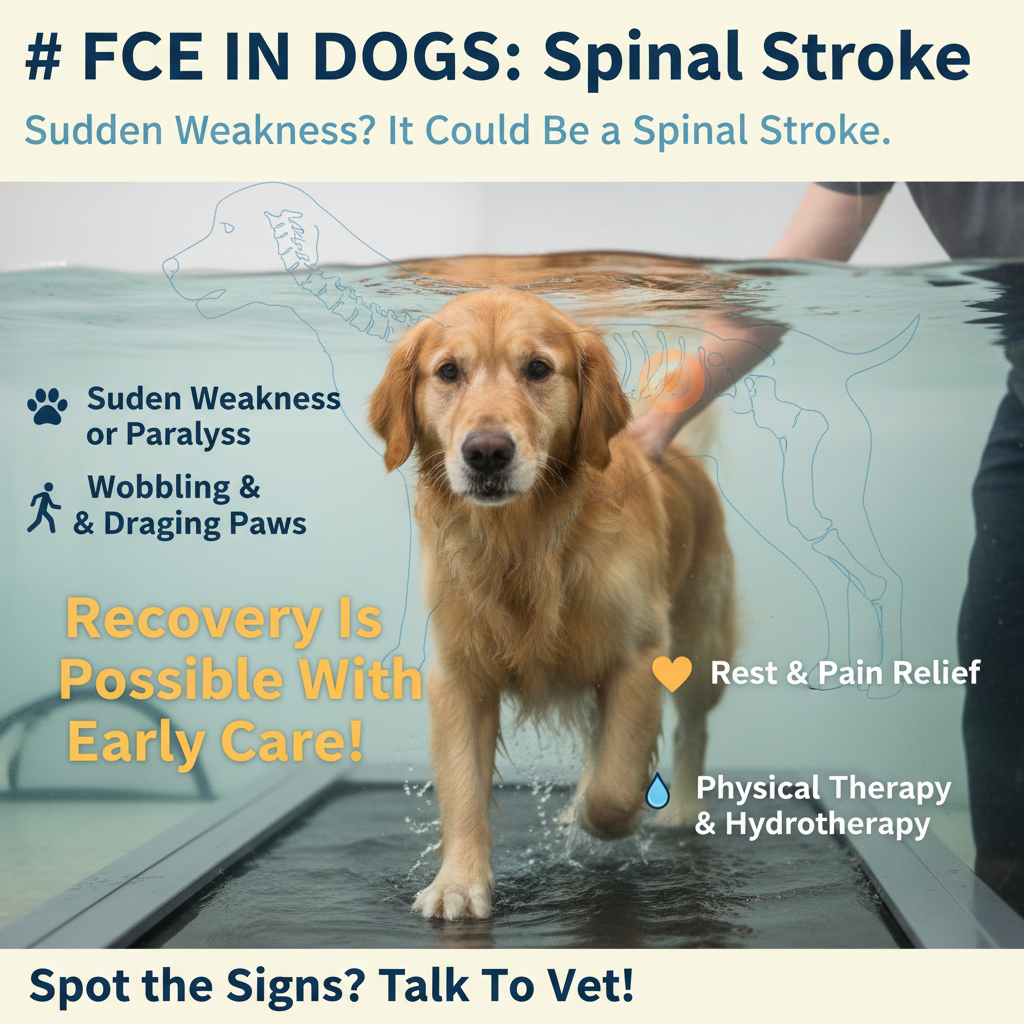
Fibrocartilaginous embolism, or FCE in dogs, is a scary-sounding condition often called a "spinal stroke." Imagine a sudden blockage of blood flow to your dog's spinal cord – that's what happens. It hits fast, leaving pups with sudden weakness or even paralysis in one or more limbs, much like a stroke affects humans.
We don't know the exact cause of FCE. However, veterinary specialists believe it often follows a sudden jolt or increase in pressure on the spinal cord. This might happen during an enthusiastic jump, a sprint across the park, or even a clumsy tumble while playing. When this happens, a tiny piece of cartilage from one of their spinal discs can break away. This rogue piece then travels through the bloodstream, getting stuck in a small blood vessel in the spinal cord and cutting off vital blood supply.

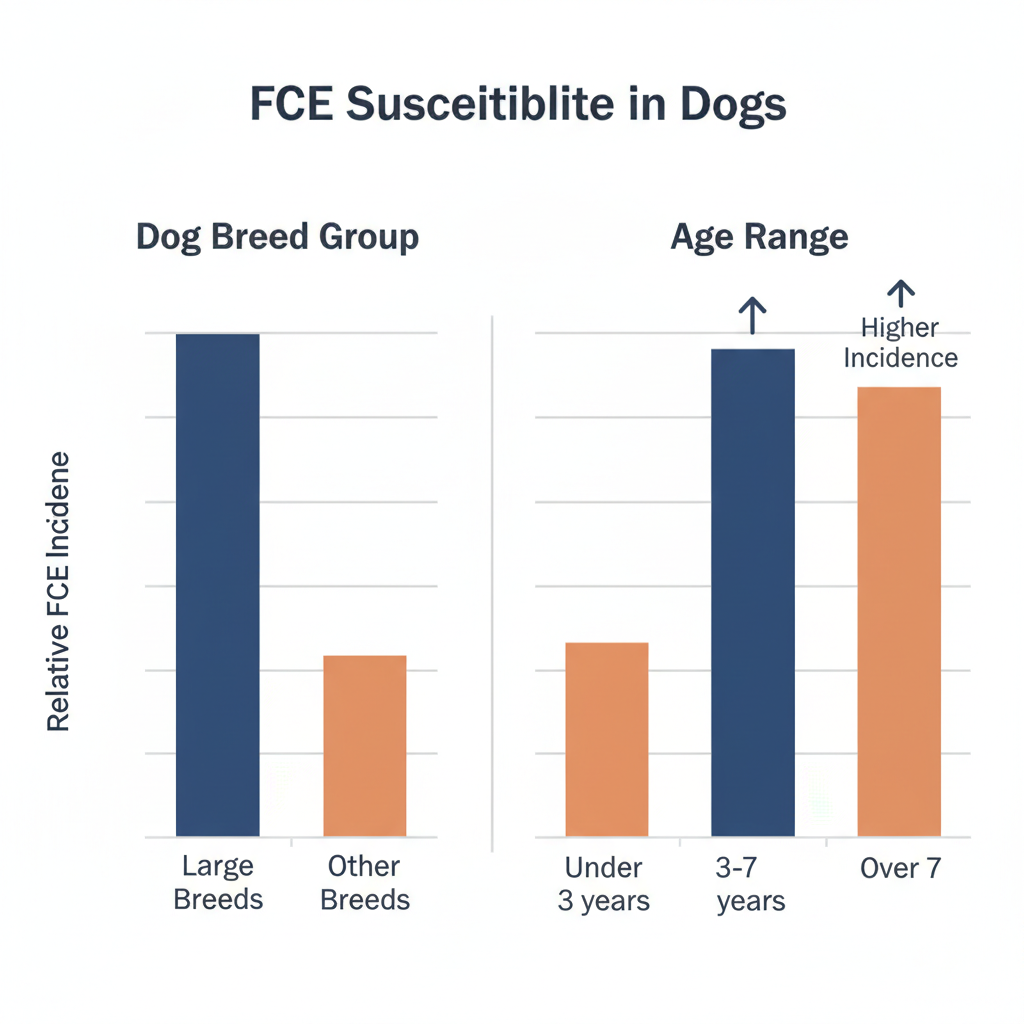
While any dog can get FCE, our research shows it's more common in larger breeds like German Shepherds, Labrador Retrievers, and Golden Retrievers. Pups between 3 and 7 years old are also more susceptible, but we've seen it in dogs of all ages.
Recognizing the Signs: What FCE in Dogs Looks Like
When FCE strikes, the symptoms often appear out of nowhere and can range from subtle clumsiness to complete paralysis. The signs depend on where the blockage happens in the spinal cord and how big it is. Here's what you might notice:
- Sudden weakness or paralysis in a leg or two, sometimes even all four.
- Your dog might seem a little painful at first, though this often fades quickly.
- They could look wobbly or uncoordinated, struggling to walk straight.
- A clear reluctance to move, stand up, or jump.
- Dragging one or more paws when they try to walk.
- Over time, if the condition persists, you might see muscle loss in affected limbs.
Often, you'll see these symptoms affect one side of your dog's body more than the other, or one leg might be much weaker than its counterpart.
Diagnosing FCE in Dogs: Finding Answers
Diagnosing FCE can be tricky because its symptoms look a lot like other serious spine issues, such as a slipped disc (intervertebral disc disease) or an injury. When you bring your pup in, your vet will perform a thorough neurological exam to figure out what's going on. Here's what that typically involves:
- A complete physical exam: Your vet checks your dog's overall health and looks for any other health issues.
- Neurological assessment: This is where they test reflexes, muscle tone, and how your dog responds to touch and movement.
- Blood tests: These help rule out other conditions that might mimic FCE symptoms.
- X-rays: Your vet might take X-rays to check for broken bones or other visible problems in the spine.
- MRI or CT scans: These are the best tools for diagnosing FCE. They give your vet detailed pictures of the spinal cord, helping them spot any damage or the specific blockage.
Treating FCE in Dogs: A Path to Recovery
There's no magic cure for FCE. Instead, treatment focuses on giving your dog the best chance to recover by managing their symptoms and supporting their healing. Your vet might recommend:
- Plenty of rest: Limiting activity is crucial. This helps prevent further injury and gives the spinal cord time to heal.
- Pain medication: Your dog might need medicine to stay comfortable, especially in the first few days.
- Physical therapy: Once the initial crisis passes, specific exercises and stretches help your dog regain strength and coordination. Think of it like rehabilitation after a human stroke.
- Hydrotherapy: Water-based exercises, like an underwater treadmill, can be incredibly helpful. The water supports your dog's weight, making it easier to build muscle without putting too much strain on their spine.
- Acupuncture: Some pet parents and veterinary specialists find that acupuncture can help improve nerve function and ease discomfort during recovery from a spinal stroke.

Most dogs make a good recovery from FCE with the right care. This recovery can take anywhere from a few weeks to several months. Some pups might have a little lasting weakness or a slight wobble, but many return to a happy, active life.
Can We Prevent FCE in Dogs?
Since we don't know the exact cause of FCE, there's no guaranteed way to prevent it. However, you can always take steps to support your dog's overall health and potentially reduce their risk. This includes:
- Maintaining a healthy weight: Keeping your dog lean reduces stress on their joints and spine.
- Providing regular, appropriate exercise: Encourage healthy movement without pushing them too hard or allowing overly strenuous, sudden, high-impact activities if they are prone to issues.
- Avoiding extreme strain: While we can't wrap our dogs in cotton wool, try to be mindful of activities that put excessive, sudden strain on their spine, especially if they are a breed known to be susceptible.
Our team at Petscarelab always encourages you to talk to your vet if you notice any sudden changes in your dog's movement or behavior. Early detection and intervention are always key to the best possible outcome.